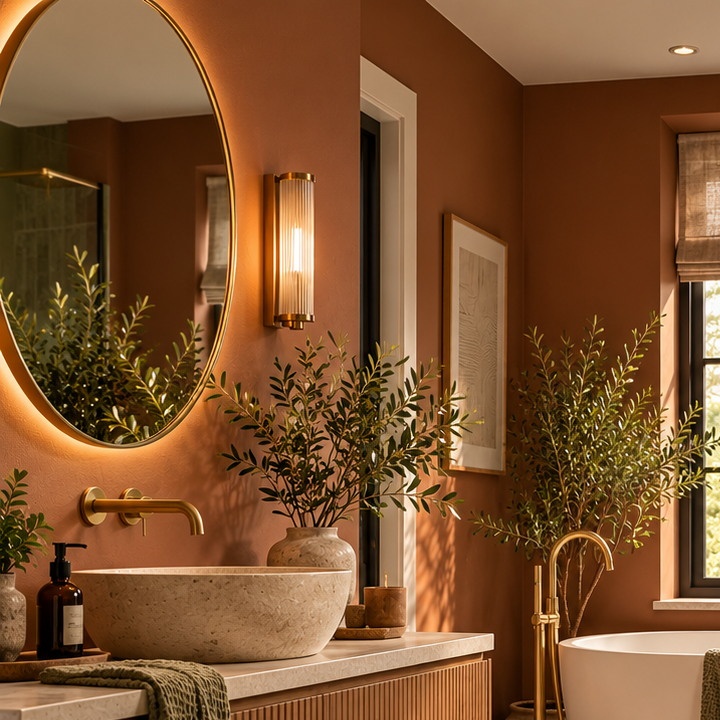
Every year, we look ahead to what the next 12 months hold for bathroom design, and for 2027, the direction is clearer than ever. Homeowners are poised to start treating the bathroom like any other designed room in the home. By using warmer colours, wellness-inspired fixtures, and more tailor-made pieces, they aim to create a more personal, more considered space and bring some joy to the bathroom.
To help you plan your next project with confidence, this report covers everything shaping bathrooms in 2027, from colours, materials, lighting, and finishes to wider influences on design, including AI and warmer summers.
- What Are the Key 2027 Bathroom Design Trends?
- Trends That Could Lose Momentum in 2027
- 7 Colour Trends to Look Out For In 2027
- Fixtures, Fittings & Material Trends to Look Out For In 2027
- Other Trends to Keep an Eye on in 2027
- Bringing 2027’s Bathroom Trends Home
How Our Trends Report Works
This year, we took a slightly different approach with our trends report. Instead of relying solely on expert commentary, as we did in our 2026 trends report, we conducted two surveys: one of 15 bathroom brands and manufacturers, including Geberit, TOTO, VADO, and MERLYN Showers, and another of 14 interior designers.
By gathering forecasts from interior designers for the first time, we gained first-hand insight into the styles homeowners are requesting and how they’re bringing their bathroom designs together, complementing the industry's perspective on customer demand, product sales, and emerging trends. The results reveal striking agreement in some areas and genuine differences of opinion in others. We’ve explored both, highlighting the debates along the way.
Alongside the survey, we gathered in-depth commentary from more than 30 interior designers, bathroom brands and manufacturers, and industry specialists, and you’ll find their quotes throughout the report. Here are the interior designers and bathroom brands who shared their insights this year:
Interior Designers |
| Augustine Atobatele - Founder & Creative Director, Studio Augustine |
| Verity Coleman - Director, Rascal & Roses |
| Fiona Duke - Founder, Fiona Duke Interiors |
| Peter Grech - Founder, TheSpaceMaker Interiors |
| Kim Heslip - Interior Designer, SC1 Property |
| Adam Knight - Director, Nefarious Interiors |
| John Law - Creative Director of Interiors, Woodhouse & Law |
| Emma Merry - Founder, Emma Merry Styling |
| Beth Miller - Interior Designer & Co-Founder, Fresh Start Living |
| Caroline Milns - Head of Interior Design, Zulufish |
| Alexis Nicolaidis - Heritage Interior Designer & Owner, VA Heritage |
| Amy Stoddart - Creative Director, Amy Stoddart Studio |
| Katerina Tchevytchalova - Founder, K’Arte Design |
| Terian Tilston - Founder, Terian Tilston Interior Design |
| Laura Hammett Ltd |
| Henry Prideaux Interior Design |
Bathroom Brands and Manufacturers |
| Sally Bettison - Product Development Manager, Tissino |
| Liam Boyle - National Retail Manager, TOTO Europe |
| Sofia Charalambous - Co-Founder, Origins Living |
| Andrea Denison - Marketing Coordinator, Barwick Bathrooms |
| Jessica Howard - Group Brand & Creative Services Manager, Bathroom Brands Group |
| Audrey Huot - Customer Experience Director, VADO |
| Emma Morris - Head of Marketing & Buying, Abacus Bathrooms |
| Nick Parish - Sales Director, UK Retail, VADO |
| Helen Ray-Dennett - Head of Marketing, Tissino |
| Eileen Slattery - Marketing Director, MERLYN Showers |
| Sarah Stepney - Trade Marketing Executive, RONAL Bathrooms UK (Kudos Showers) |
| Keeley Sutcliffe - Brand Manager, Roxor Group |
| Katie Weston - Head of A&D Projects & Specifications, VADO |
| Sophie Weston - Head of Marketing, Geberit |
| Jemma Williams - Head of Marketing, VADO |
| Showerwall |
| Farmiloes |
Industry Specialists |
| Erin Hickman - Sauna Designer, Finnmark Sauna |
| Jake Newport - CEO, Finnmark Sauna |
| Graeme Shelley - Managing Director, Factory Direct Flooring |
What Are the Key 2027 Bathroom Design Trends?
To start our trends journey, we’ll explore the key bathroom themes experts are picking for the year, including a couple from last year’s report that look set to continue.
1. The Death of the 'Copy-Paste' Bathroom
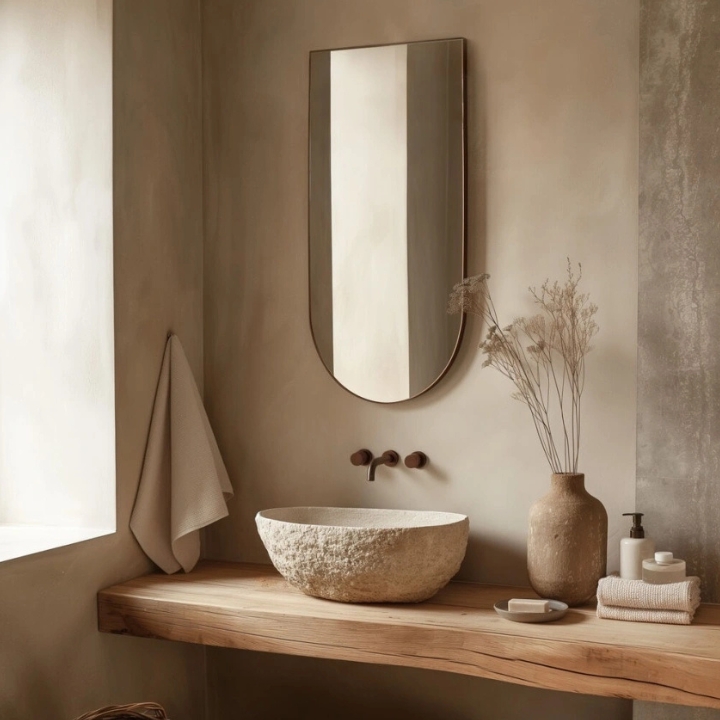
The minimalist, clean-lined, all-white bathroom that has dominated for years seems to be on its way out. In its place, our experts expect more individual, characterful, and, more importantly, personalised spaces in 2027, with greater use of colour, layered textures and finishes, distinctive shapes, and bespoke products.
“If recent years were those seeing the bathroom reimagined as a sanctuary, 2027 looks set to be the year it becomes a room with genuine character. The clinical, neutral box is giving way to spaces that feel lived-in and quietly indulgent.”
- John Law, Woodhouse & Law
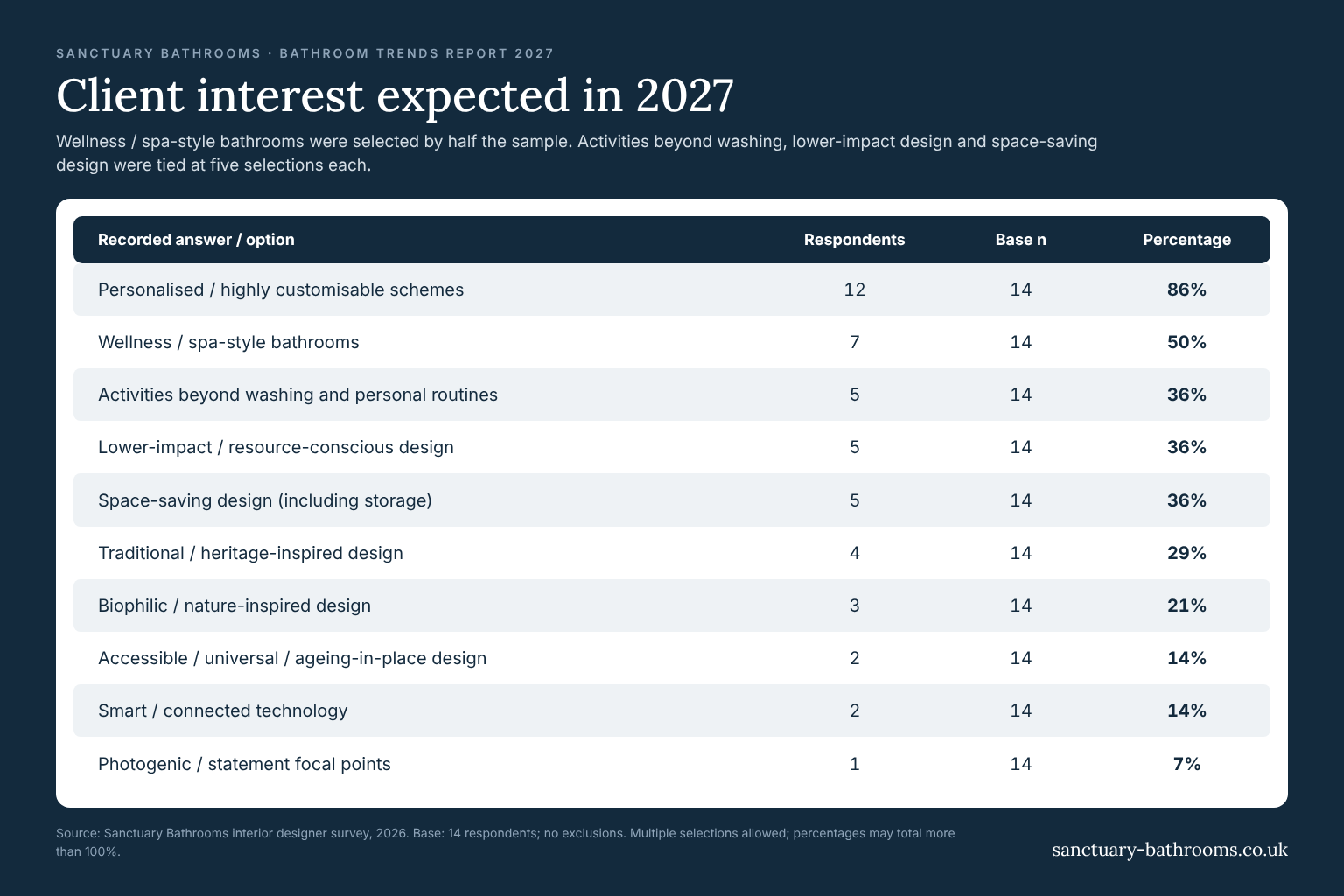
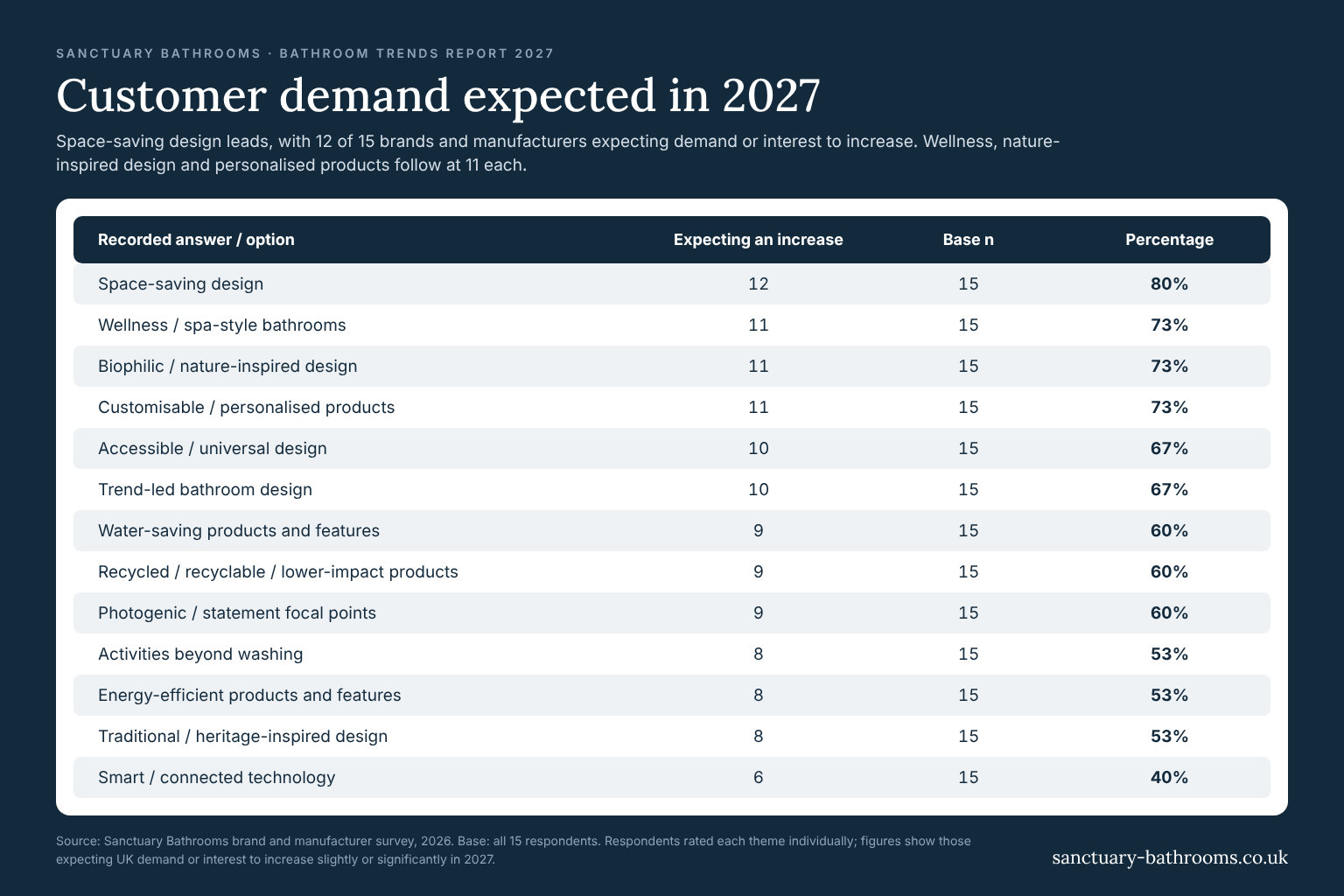
Our data backs this up. 86% of the interior designers we surveyed named personalised or highly customisable schemes as one of the areas where they expect client interest to grow most in 2027, and 73% of the bathroom brands and manufacturers we surveyed expect demand for personalised products to rise.
Caroline Milns, Head of Interior Design at Zulufish, expects the change to go further still: “I think we’ll see bathrooms becoming warmer, more individual and much less obviously ‘bathroom-like’ in 2027. People are moving away from spaces that feel overly polished or formulaic and towards rooms with the same character and consideration as the rest of the home.”
Personalisation in Practice
The most visible sign of the shift is colour. “We seem to be moving more towards colour again,” says interior designer Fiona Duke, Founder of Fiona Duke Interiors. Bathrooms, she adds, “are gaining personality with colour, pattern and texture.”
“I think we’ll continue to see bathrooms becoming much more expressive,” says Amy Stoddart, Creative Director at Amy Stoddart Studio. “Rich, earthy colours, deep reds, greens and ochres will bring warmth and personality, whether through painted walls, tiles, or feature marbles.”
Manufacturers are seeing the same thing. “2026 has seen the demand for greater choice in colour and finish,” says Eileen Slattery, Marketing Director at MERLYN. "We’ve responded by extending colour options across our collections, including bath screens and wet room panels. This emphasises personalisation and choice will continue to be important going into 2027."
“People will still want bathrooms that feel relaxing, but that doesn’t mean every space needs to look the same. I think we’ll see more warmth, colour and individual choice in wall finishes, while keeping the practical benefits that make a bathroom easy to live with.”
- Showerwall
Layering is the other big change, with more people mixing materials, metals, and textures instead of running one dominant finish through the room. “Rather than having a bathroom with all walls and all floors in the same tile, we are seeing more openness from homeowners to move towards more exciting and interesting finishes, for example - wood panelling alongside tiles,” says interior designer Verity Coleman, Director at Rascal & Roses. Reinforcing this, Caroline Milns says people are “beginning to question whether every surface needs to be tiled”, adding: “Using timber, paint, plaster, wallpaper or bespoke joinery alongside stone and tile creates warmth and makes the bathroom feel much more integrated with the home.”
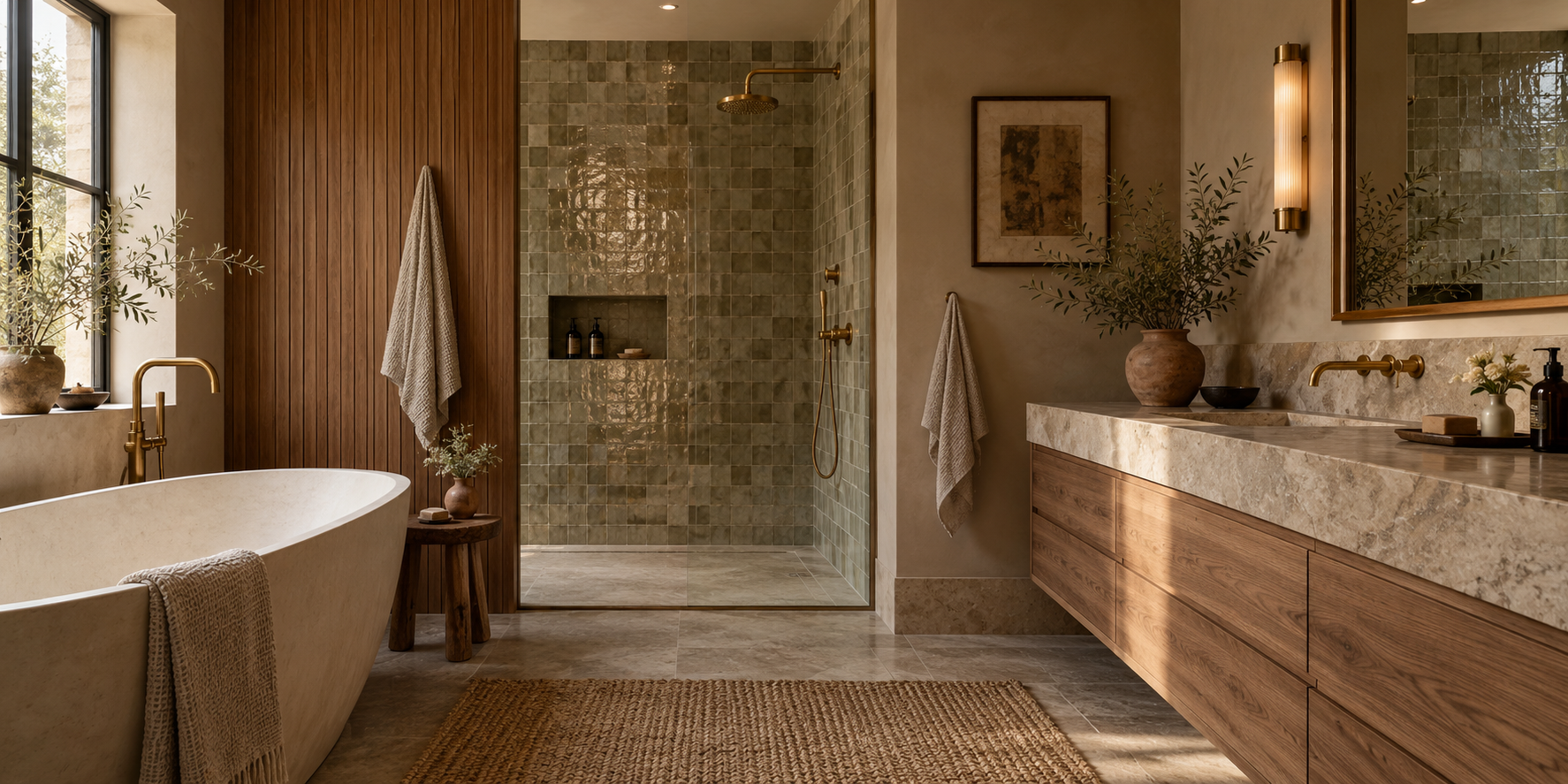
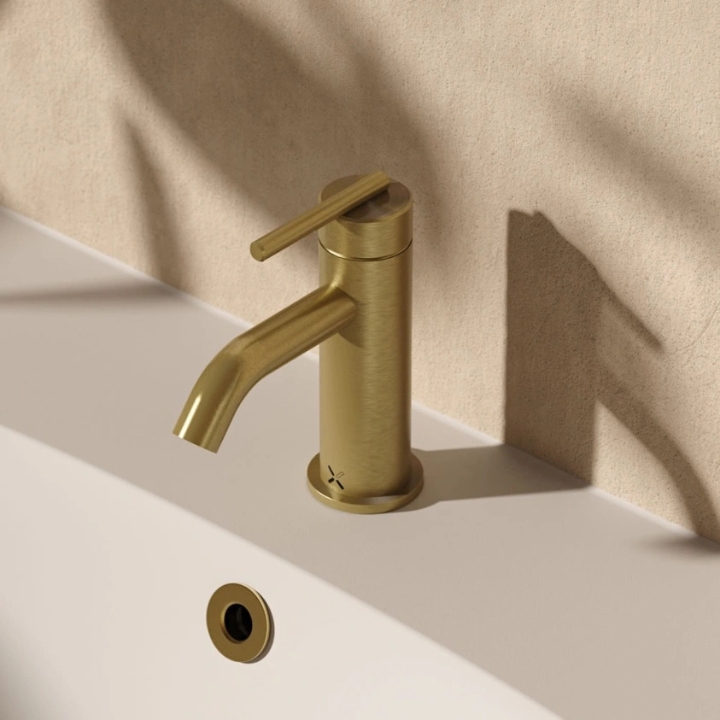
The same is happening with brassware and fittings. At Geberit, Head of Marketing Sophie Weston sees perfectly matched bathroom finishes giving way to contrast: “Mixing finishes such as brushed brass, black, bronze and nickel adds character and visual interest, turning flush plates and accessories into intentional design features rather than purely functional elements.” For homeowners, she says, the question is shifting from ‘does it match?' to ‘does it enhance the overall design scheme?'
Personalisation is showing up in shape, too. Sofia Charalambous, Co-Founder of Origins Living, says interest in bathroom mirrors “is moving beyond even the now-familiar arch and circle toward more unusual, sculptural shapes - asymmetric outlines, freeform edges, mirrors that read almost as artwork.” And it isn’t just mirrors. Interior design studio Laura Hammett expects “more architectural and detailed forms in the brassware”.
Why Now? Tighter Budgets, More Joy, and the Rise of AI
One of the most interesting aspects of this trend is why it's emerging: why are homeowners now moving away from the clinical look? The answer, it seems, lies in the convergence of several socioeconomic factors.
- The Cost of Living: With fewer people moving house due to cost-of-living pressures, more homeowners are choosing to invest in what they already have. Jessica Howard, Group Brand & Creative Services Manager at Bathroom Brands Group, expects more people to be “improving their existing homes to a nicer standard instead. Think statement cloakrooms or small family bathrooms that still have colour, as people plan to stay in their homes for longer periods.”
- A Need for More Joy: ITV’s 2026 What Unites a Kingdom research, carried out by cultural agency Crowd DNA, identified ‘managed mischief’ as one of five cultural codes currently shaping the UK: the act of seeking out small treats and lighter moments to lift the country's current social mood. The bathroom, used every morning and evening, is a natural place to find such a mood boost. Interior designer Adam Knight, Director at Nefarious Interiors, sees bathrooms filling exactly that role in 2027, becoming colourful and “personality-filled” so that daily routines can “spark joy”.
- The Rise of AI: With AI tools, homeowners can now visualise their dream bathroom, try a bolder colour or unusual finish, and refine the result before spending anything, which makes them far more willing to experiment. Helen Ray-Dennett, Head of Marketing at Tissino, says AI is making personalisation more accessible now: “Consumers being able to make their bathroom truly their own will continue to grow, particularly as digital development and AI make it easier for people to design themselves.”
“Customer behaviour remains focused on personalisation, aesthetic, value for money, as well as smart and sustainable products. All these will carry into 2027.”
- Andrea Denison, Barwick Bathrooms
2. From Cold and Clinical to Warm and Colourful
As the team at Laura Hammett points out, “colour is very personal to each client and property”, and while that is true for many of you reading this, some colour schemes will shape bathroom design far more than others in 2027.
Cool Greys and Stark Whites Fall Out of Favour
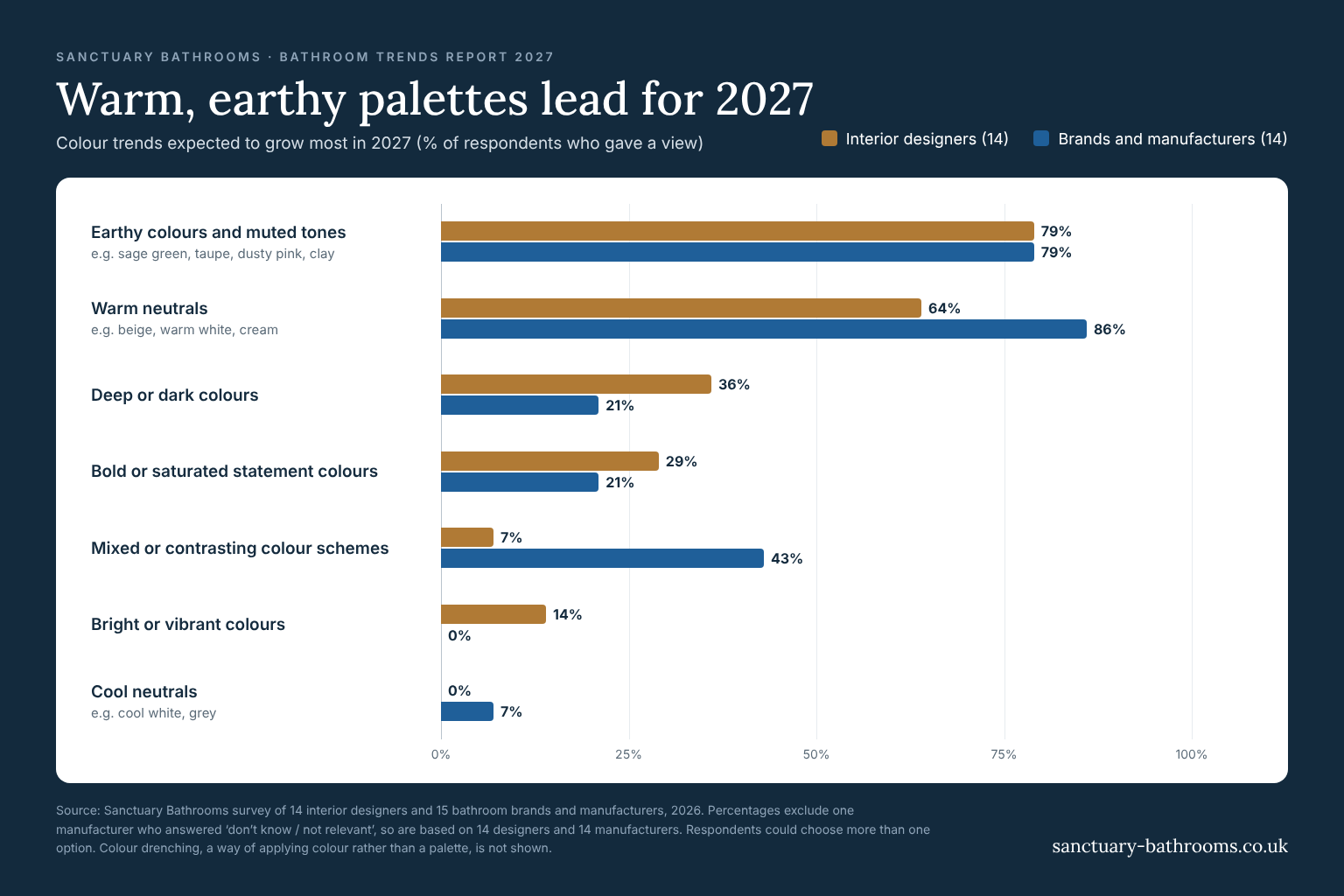
None of the 14 interior designers we surveyed expect cool neutrals, such as cool white and grey, to grow in popularity in 2027, and only one of the 15 bathroom brands and manufacturers does.
“The cool grey palette that dominated for a decade keeps giving way to warmer schemes with more character. To many homeowners, a clinical all-grey bathroom now feels dated.”
- Jemma Williams, VADO
John Law sees the same shift with his interior design clients: “For years, bathrooms have relied heavily on stark whites and cool greys. Our clients are actively moving away from these cold tones toward richer, warmer shades that make spaces feel lived-in and real.”
Warm Neutrals and Earthy Tones Take Centre Stage
If the all-white, all-grey bathroom is on its way out, what is replacing it? Well, there was strong agreement on what comes next. Across both designers and brands, our survey points clearly to warm neutrals and earthy, muted tones.
Designers and manufacturers backed the same two palettes, just in a different order. Designers’ top pick was earthy colours and muted tones, such as sage green, taupe, dusty pink, and clay (79%), followed by warm neutrals, such as beige, warm white, and cream (64%). For manufacturers, it was the other way round: warm neutrals came first (86%), with earthy, muted tones close behind (79%).
For Caroline Milns, the appeal of warm, earthy colours lies in their ability to add warmth and character while “still being easy to live with”.
“We’re seeing clients becoming much more confident with colour, but they don’t necessarily want anything that shouts. People are looking for more nuanced colours that sit comfortably with natural materials and make a home feel settled rather than overly decorated.”
- Caroline Milns, Zulufish
The 2027 Colours of the Year Interior Designers Are Backing
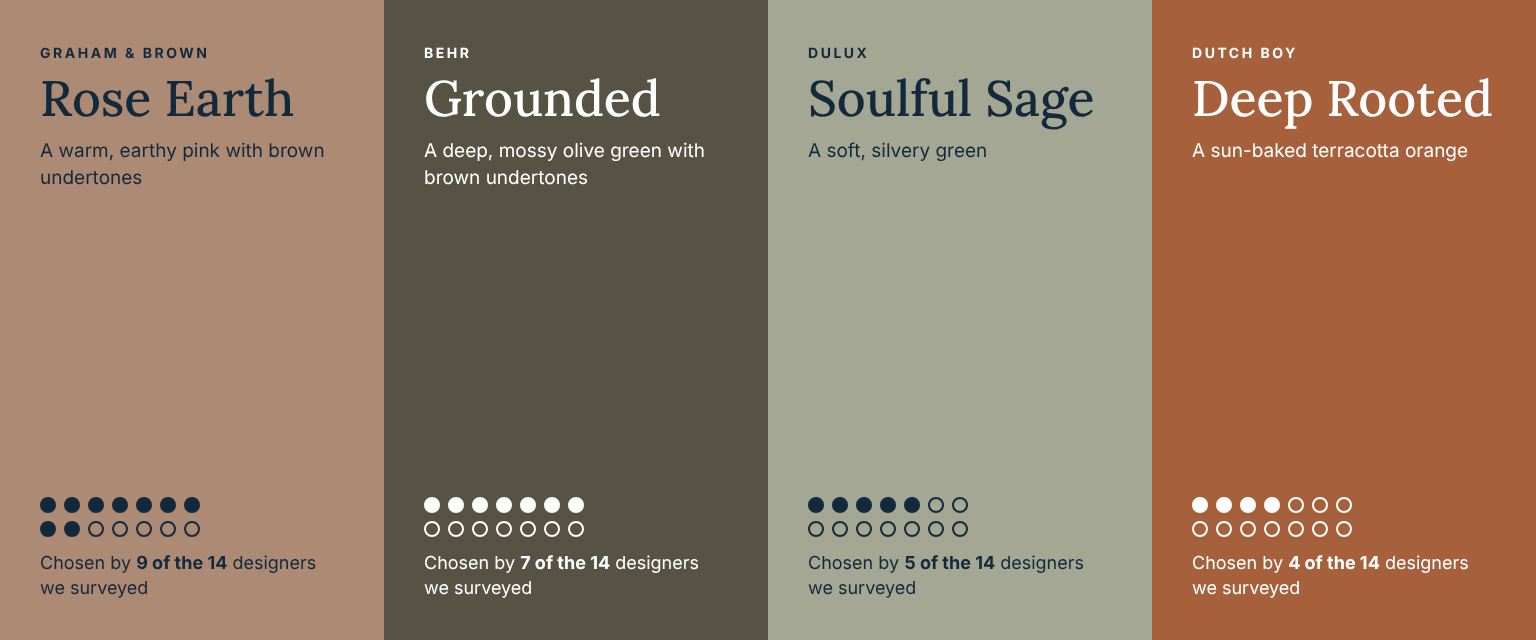
To get a clearer idea of which colours are most likely to shape UK bathrooms, and interior design as a whole, we asked our interior designers which of the headline colours announced by paint brands and trend forecasters for 2027 they think are most likely to influence UK bathroom and interior design. Four stood out:
- Rose Earth, by Graham & Brown: A warm, earthy pink with brown undertones, chosen by 9 of the 14 designers.
- Grounded, by Behr: A deep, mossy olive green with brown undertones, chosen by 7.
- Soulful Sage, by Dulux: A soft, silvery green, chosen by 5.
- Deep Rooted, by Dutch Boy: A sun-baked terracotta orange, chosen by 4.
Caroline Milns believes the top two colours, Rose Earth and Grounded, reflect a “wider move towards interiors that feel warmer, softer and more grounded.” Meanwhile, interior designer Katerina Tchevytchalova, Founder of K’Arte Design, notes that both shades “are quite muted and can still work well in a more neutral interior. They work well with antique brass/bronze metal finishes, which are quite popular too, as well as rich timber tones.”
For Verity Coleman, these colours “are grounding and cocooning, helping calm the nervous system and contributing significantly to wellbeing.” They are becoming more popular, she says, because “clients are wanting warmth and comfort from their homes, as well as peace from an otherwise chaotic world.”
"Clients are increasingly asking us to provide a greater sense of calm in their bathrooms. Rose Earth is inspired by natural mineral pigments traditionally found in Italian clay deposits, so it appeals perfectly to the growing desire for spaces that feel more connected to the natural world."
- John Law, Woodhouse & Law
How Bold Will Bathroom Colours Go?
While many of our experts agree on the types of colours, they disagree on just how colourful bathrooms will become. Bold or saturated statement colours were picked by 4 of the 14 designers and 3 of the 15 manufacturers, but colour drenching, where one shade covers the walls, ceiling, and woodwork, proved more popular with designers, chosen by 6 of the 14, compared with only 2 manufacturers. In other words, the debate is less about which colours to use than how much of the room they should cover.
Many see the appeal of earthy shades precisely in their restraint. “I think people like colours that are easier to live with and more timeless in a scheme,” says interior designer Peter Grech, Founder of TheSpaceMaker Interiors and a contestant on series two of BBC’s Interior Design Masters. Referencing Grounded, he adds: “We would use this colour as an accent colour, unless we had a very bold client who was open to a fully colour-drenched room.”
Others expect bathrooms to go even further, and for many, it’s long overdue: “The grey and white era stuck with bathrooms longer than other rooms in the home and the bathrooms are finally catching up. What better opportunity to go wild and really use an explosion of colour than in your bathroom,” says Verity Coleman.
3. Wellness Bathrooms Become Subtler and More Personal
Wellness bathrooms were a standout theme in last year’s trend report, with our experts overwhelmingly naming them a key trend for 2026. Far from being a passing moment, the wellness bathroom looks set to remain one of the strongest influences on bathroom design in 2027 and beyond.
A ‘wellness bathroom’ is a subjective term, but overall, the consensus from designers and bathroom brands is that it is built around the concept of the bathroom as a space for rest and ritual rather than a purely functional one. For some, that could mean specific wellness features such as steam showers or hydrotherapy baths, while for others it could simply mean using colours, textures, and shapes that bring a sense of calm and relaxation.
"People are viewing the bathroom as more than just a small room. It’s a sanctuary and another space in the home to walk into and spark joy."
- Terian Tilston, Terian Tilston Interior Design
Among the interior designers we surveyed, 64% saw client interest in wellness and spa-style bathrooms grow in 2026, and 50% picked it as one of the areas they expect to grow most in 2027, making it their top choice after personalisation. Among bathroom brands and manufacturers, 67% saw demand rise in 2026, and 73% expect demand to rise into 2027, making it their joint second choice, behind space-saving design.
From Hotel Spa to Personal Retreat
While support for wellness bathrooms remains high, the idea that a calming bathroom has to look a certain way is changing. The uniform, hotel-style spa aesthetic that wellness bathrooms have typically followed is giving way to a more personal retreat, where wellness comes from thoughtful design and everyday comfort rather than a specific look or a list of specialist products.
Caroline Milns expects to see the “overly spa-like bathroom - where everything is pale, perfectly matched and very minimal” lose momentum. “There’s nothing wrong with creating a calm bathroom, but sometimes in trying to make these spaces serene we’ve taken all the personality out of them,” she says, adding, "For me, calm doesn’t have to mean bland. The best bathrooms can still feel wonderfully restorative, but they should also have character and feel as though they belong to the people - and the house."
Instead, the focus is shifting to how the bathroom works for the person using it. “It isn’t simply a functional room anymore,” says Eileen Slattery. “It can be somewhere to start the day, switch off at the end of it and find a little space in between.”
"Wellbeing will continue to influence bathroom design. The bathroom is becoming somewhere to pause, reset and escape from the pace of everyday life."
- Eileen Slattery, MERLYN
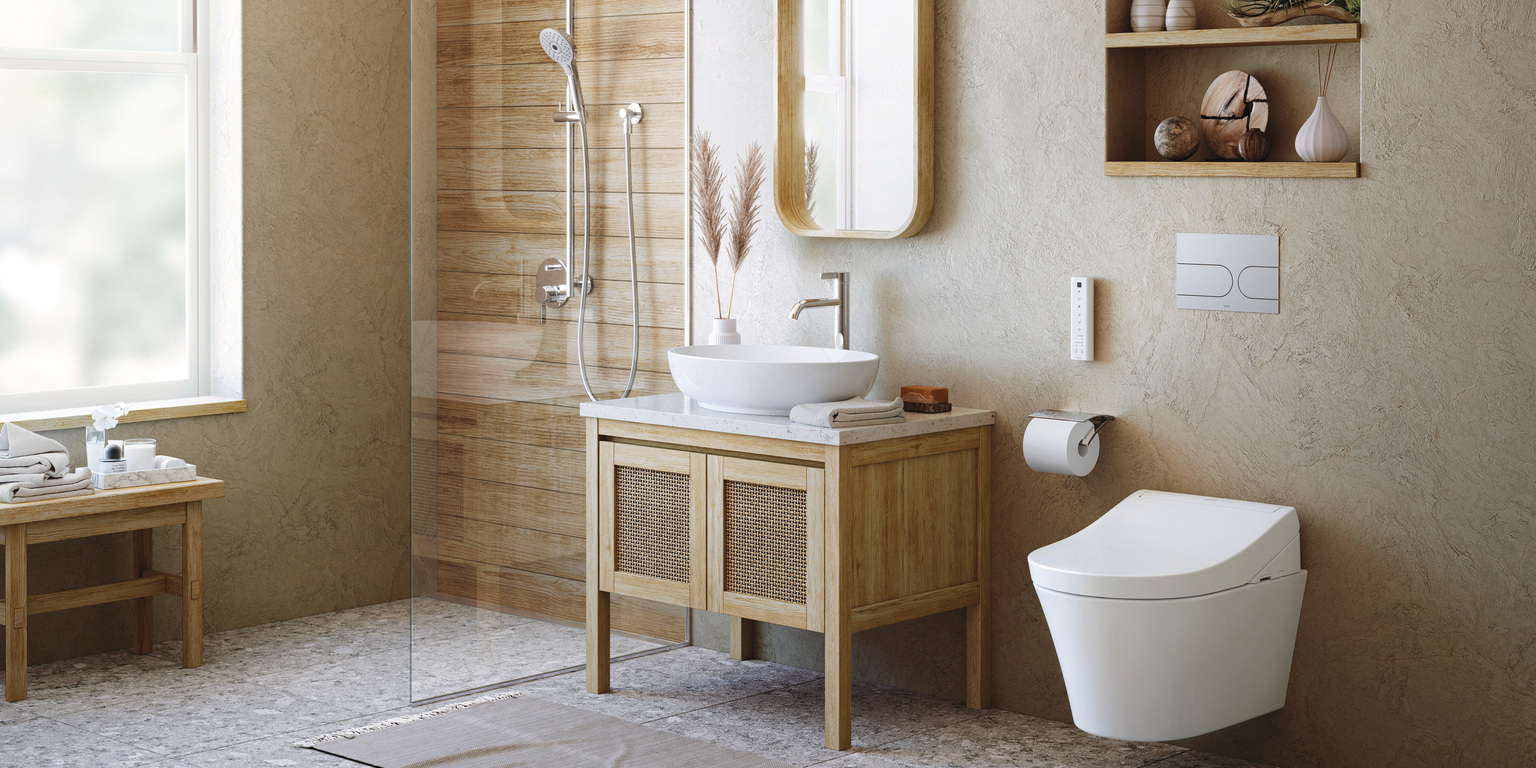
Many fixtures and features associated with wellness bathrooms are also becoming less conspicuous, giving way to a room that feels more natural and less deliberate. “Wellness remains the undercurrent, but it is subtler now: steam showers, heated benches and thoughtful water-saving technology tucked discreetly out of sight”, says John Law, who describes the 2027 bathroom as “a room that feels less like a showroom and more like somewhere you would happily linger.”
A Space Designed Around How You Actually Live
Rather than adding wellness features once a bathroom is planned, more homeowners are building the whole room around them. Erin Hickman, Sauna Designer at Finnmark Sauna, explains: “A wellness bathroom doesn’t necessarily need to be enormous or filled with specialist equipment. What matters is that the layout, materials and features have been considered around how the person actually wants to use the space.” She adds: “Wellness is becoming part of the brief from the beginning, rather than something homeowners try to add once the bathroom has already been designed.”
For most people, that starts with the shower. Wet rooms were the most-picked fixture or product type among the designers we surveyed, chosen by 7 of the 14, while walk-in showers topped the manufacturers’ list, chosen by 7 of the 15. Often, though, the smaller details make the real difference. “People want small moments of comfort they enjoy every day, like a beautifully weighted tap or a warm wood vanity, rather than one statement piece,” says Jemma Williams, Head of Marketing at VADO.
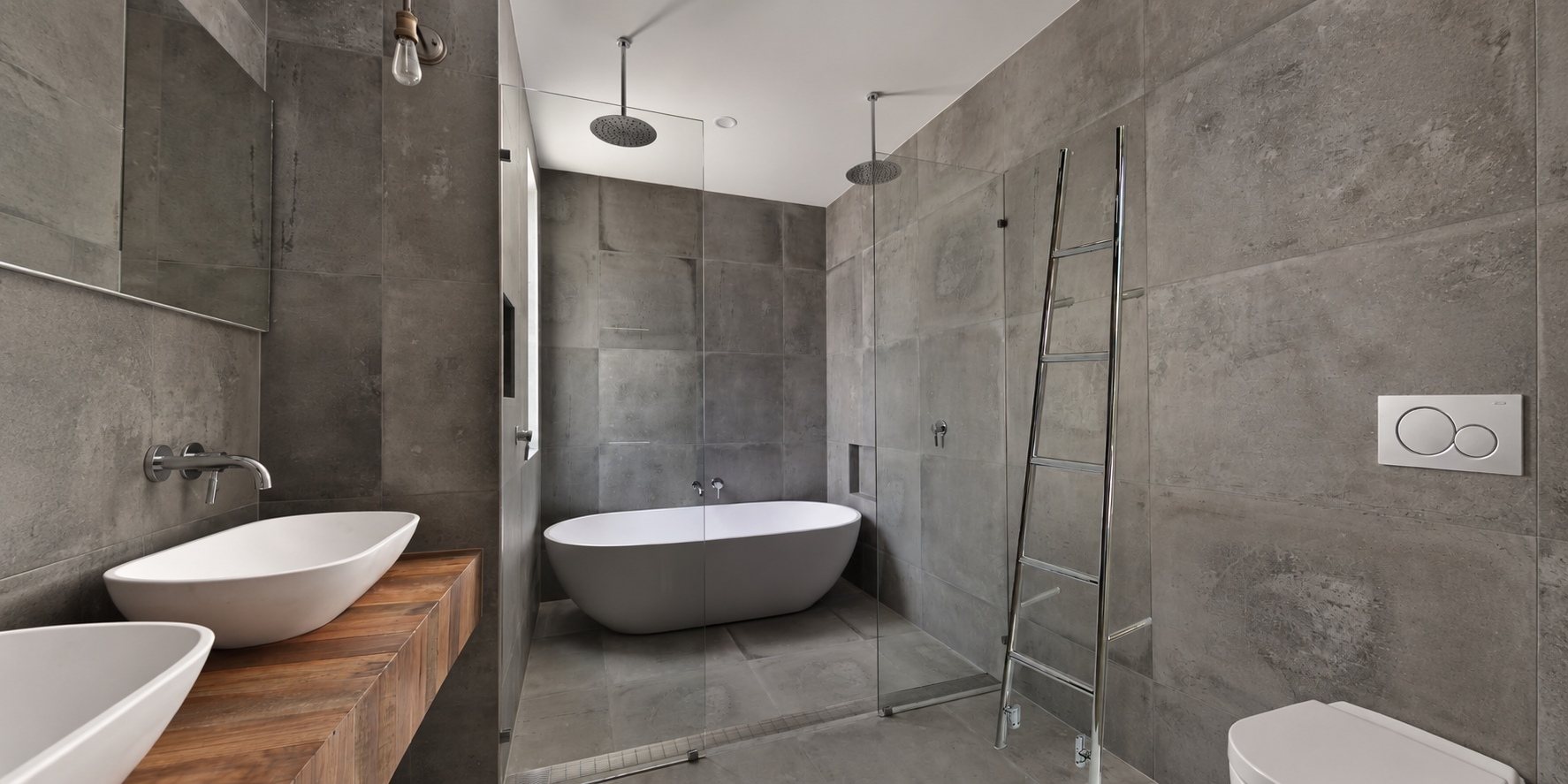
What a 2027 Wellness Bathroom Looks Like
Rather than a set look, our experts point to four key features that will define the wellness bathroom in 2027:
- Natural materials and earthy textures: Textures that recall the outdoors, such as slate, stone, and timber, help a bathroom feel calmer and more grounded, bringing nature into the room without relying on plants or prints. Caroline Milns expects “more richly veined stone, warmer timbers, tactile plaster finishes and interesting marbles, often used quite confidently rather than as a small accent.” On the product side, Sally Bettison, Product Development Manager at Tissino, foresees more “slate effect trays, slightly textured tiles reminding us of being outside and earthy textures along with wood finishes and earthy tones and colours.”
- Softer, rounded forms: “I think in 2027 people will be craving less angular or structural shapes and something more in line with nature,” says Verity Coleman. Jemma Williams of VADO is seeing the same shift in brassware: “Customers are choosing round and soft-square taps and showers that feel more organic and comfortable to use. Hard square designs can feel very statement-driven, so we expect them to keep losing ground. Vanities are the exception, where angular shapes paired with softer brassware remain a popular contrast.”
- Warmth underfoot: Cold, hard floors are one of the quickest ways to make a bathroom feel clinical, especially first thing in the morning. As interior designer Augustine Atobatele, Founder & Creative Director at Studio Augustine, points out, “how we start our day plays a significant role in our outlook”, and with warmer tones on the flooring, “the bathroom instantly feels more inviting. Soft textiles can be added with a rug underfoot.” Underfloor heating adds to that sense of comfort, too.
- Products that are easy to live with: A bathroom can’t feel relaxing if it’s a chore to clean or awkward to use, so practicality is becoming part of the wellness picture. Low-maintenance and easy-clean products ranked joint second in the manufacturers’ fixtures and products forecast, chosen by 6 of the 15. Eileen Slattery expects consumers to look for “products that combine beautiful design with ease of use, easy maintenance and longevity. Ultimately, luxury is becoming as much about how a bathroom makes you feel.”
4. The Evolution of Biophilic Design
Biophilic design also makes a return from last year’s report, but it’s evolving beyond simply ‘bringing the outdoors in’. Instead of relying on plants that thrive in bathrooms and leafy prints, designers are now weaving nature into the very materials, colours, textures, and shapes of the bathroom.
“Biophilic - outside in was a big trend over the past few years, but it's developing into something more layered with depth now.”
- Jessica Howard, Bathroom Brands Group
Manufacturers are seeing the demand first-hand. Nature-inspired design was the trend most bathroom brands and manufacturers saw growing in 2026, with 73% reporting an increase and nearly half of respondents describing it as significant. The same proportion expect demand to keep rising in 2027. Interior designers, by contrast, were more divided on the label itself, as we explore below.
The Draw of Nature
Tied closely to the qualities of a wellness bathroom, the appeal of a biophilic bathroom is largely emotional. Many homeowners want their bathroom to feel like a retreat from a busy, always-on world, and natural materials, earthy colours, and organic shapes are one of the simplest ways to create that sense of calm in the room where we start and end each day.
That desire for calm echoes the wellness bathroom trend we covered earlier, and it’s reflected in the warmer, earthier palettes we explored in trend 2, with greens, browns, and clay-based shades taking over from cooler blues and greys. As interior designer Beth Miller, Co-Founder of Fresh Start Living, explains: “There is a movement to more natural tones across the board, with greens and browns (Soulful Sage, Grounded) being preferred to blues and greys.” She adds: “These colours are more calming and in keeping with nature, which clients are more drawn to as they seek more connection with the outdoors.”
Nature Built Into the Room, Not Added to It
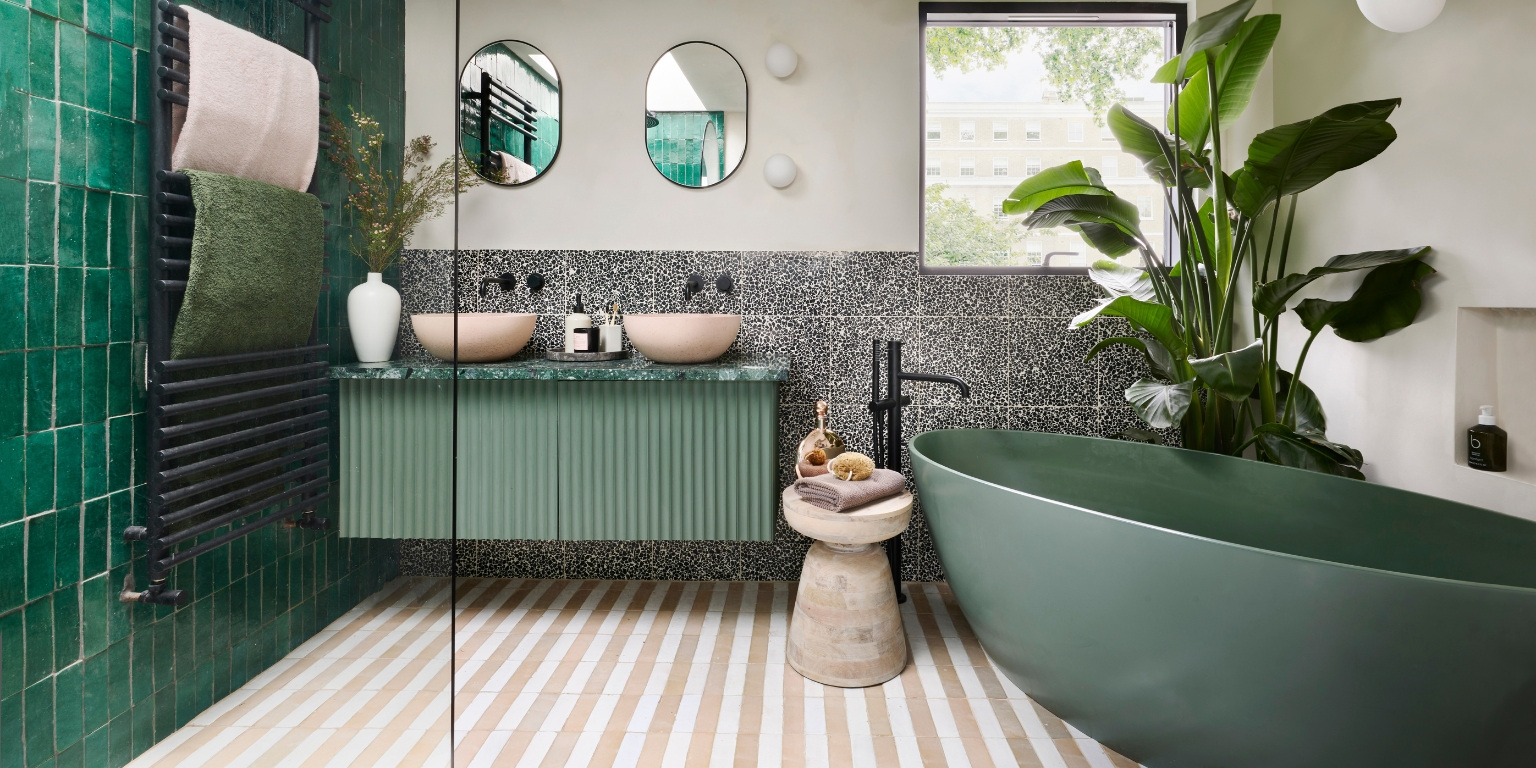
The biggest change compared to previous years is where that message of nature shows up. Jemma Williams explains: “Biophilic design has moved on. Plants still matter, but people now want natural warmth built into the room itself.” In practice, that means natural materials appearing in the room’s key pieces, from textured, stone-resin shower trays and stone baths to wooden vanity units and marble countertops.
Our survey reflects this. Designers' top material pick for 2027 was natural stone, such as limestone, travertine, and slate, chosen by 71%, while 6 of the 14 chose darker, warmer woods such as walnut and dark oak. Among manufacturers, dark wood and wood-effect finishes were the most-picked furniture finish, chosen by 80%.
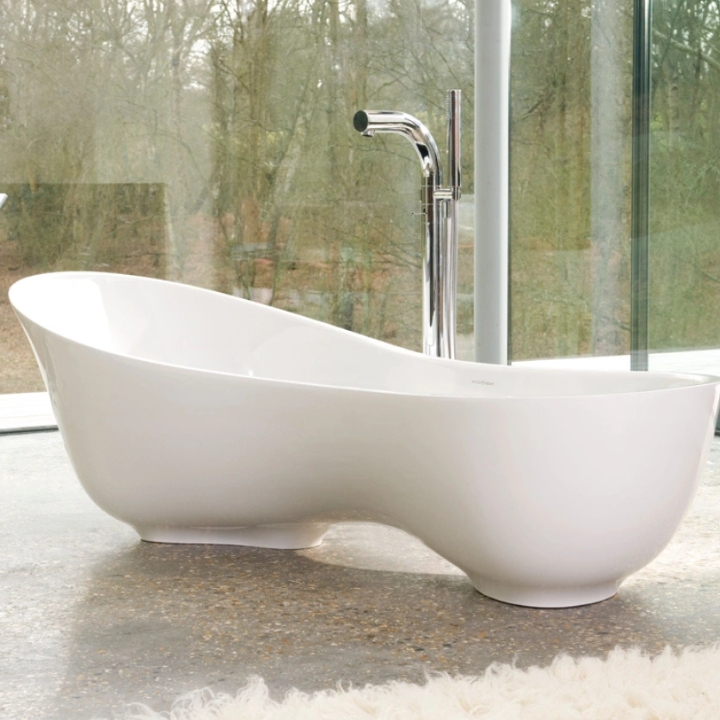
Nature is shaping the bathroom’s silhouettes as well as its surfaces. Curved, arched, and irregular forms are softening the hard lines traditionally associated with modern bathrooms, particularly in mirrors, basins, and baths. As Sofia Charalambous of Origins Living explains, “shape is doing much more of the work now - arched, curved, organic and irregular profiles that soften a room, suit smaller bathrooms where hard angles feel closing, and give the mirror genuine presence as a design object rather than a plain fitting.”
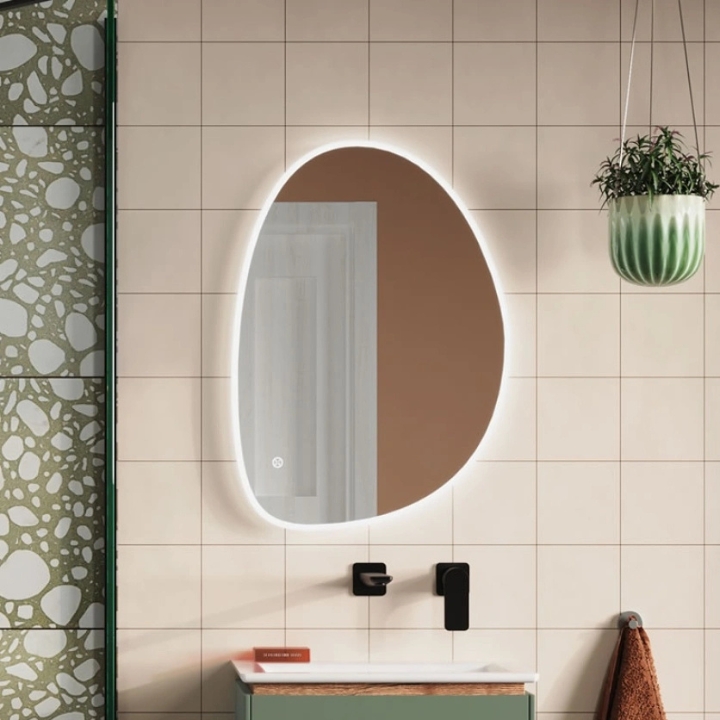
Is 'Biophilic Design' Becoming an Outdated Term?
While most of our experts expect natural materials, earthy colours, and organic shapes to keep gaining ground, not everyone thinks ‘biophilic design’ still works as a trend in its own right. For some, the term has been used so widely that it has lost much of its meaning. Interior designer Peter Grech is one of them: “It's been an overused buzzword and has diluted its original meaning - human-centric design is always at the forefront of all successful interior design.”
Our designer survey hints at the same thing. Only 3 of the 14 designers named biophilic or nature-inspired design as one of the areas they expect to grow most in 2027, yet most chose its ingredients: 71% picked natural stone and 79% picked earthy colours. It seems that, while the term itself may be fading, its principles certainly aren’t, and they’re becoming a key part of bathroom design.
5. The Rise of the 'Bathroom Living Room'
The bathroom is becoming a living space in its own right. In 2027, homeowners are set to give it the same attention they give their kitchens and living rooms, with furniture-like vanities, warm wood finishes, decorative bathroom lighting, and soft furnishings. But this isn’t only about looks. There is also a growing focus on how the room works for the different routines that happen in it every day.
“An emerging bathroom trend that is set to be big for 2027 is the 'living room bathroom'. This is all about taking a typically clinical environment and giving it the same love and warmth that you'd aspire to in a living room.”
- Graeme Shelley, Factory Direct Flooring
For Helen Ray-Dennett of Tissino, the line between bathroom design and interior design is blurring: “Customers are increasingly approaching the bathroom with the same consideration they give to kitchens and living spaces, thinking about furniture, texture, lighting, colour and materiality as a complete composition.”
People are also using the room for more. During 2026, half of the interior designers we surveyed saw growing client interest in bathrooms designed for activities beyond washing, such as grooming and relaxing, with layouts built around daily routines. 67% of bathroom brands and manufacturers expect demand for this to grow in 2027.
“The approach to bathroom design has evolved over the years. The bathroom is thought of as a living space rather than a purely functional room.”
- Augustine Atobatele, Studio Augustine
Living Room Features Set to Move into the Bathroom
Rather than choosing conventional bathroom products in isolation, homeowners are borrowing ideas from the rest of the home. Four living room features in particular are making their way into the bathroom:
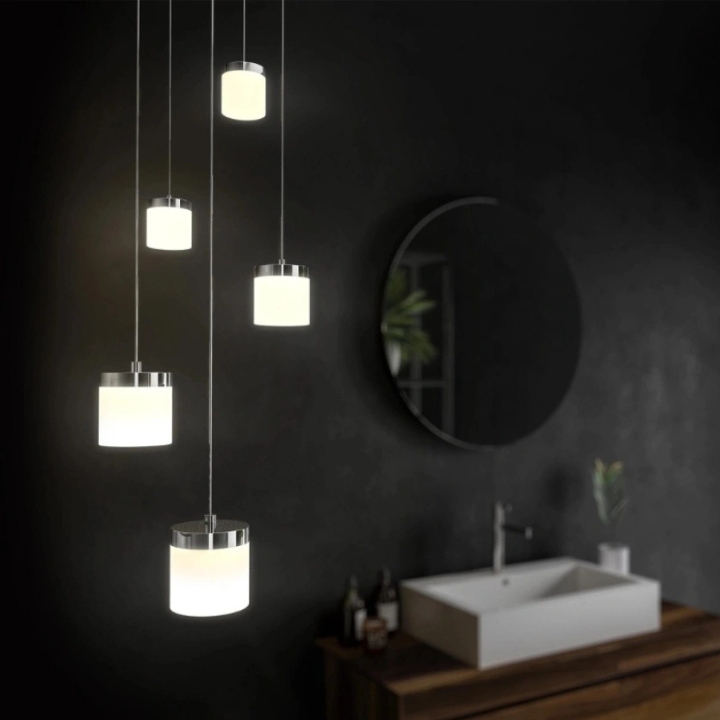
- Decorative, layered lighting: Lighting is one of the most visible signs of the living-room influence. In our designer survey, layered lighting, which combines separately controlled ambient, task, accent, and decorative light sources to suit different routines, had the joint-strongest forecast of any option, chosen by 86% of designers. Half of manufacturers picked it, too. John Law expects to see “lighting that behaves more like a living room's, with wall sconces, fabric shades and dimmable layers taking the place of harsh overhead spots”, while Beth Miller thinks “a combination of wall lights and ceiling lights will be the way forward with people wanting the lighting to be more of a feature.” Manufacturers' top lighting pick, meanwhile, was ambient or mood lighting. Both point to bathroom lighting becoming more about atmosphere than function, just as it is in a living room.
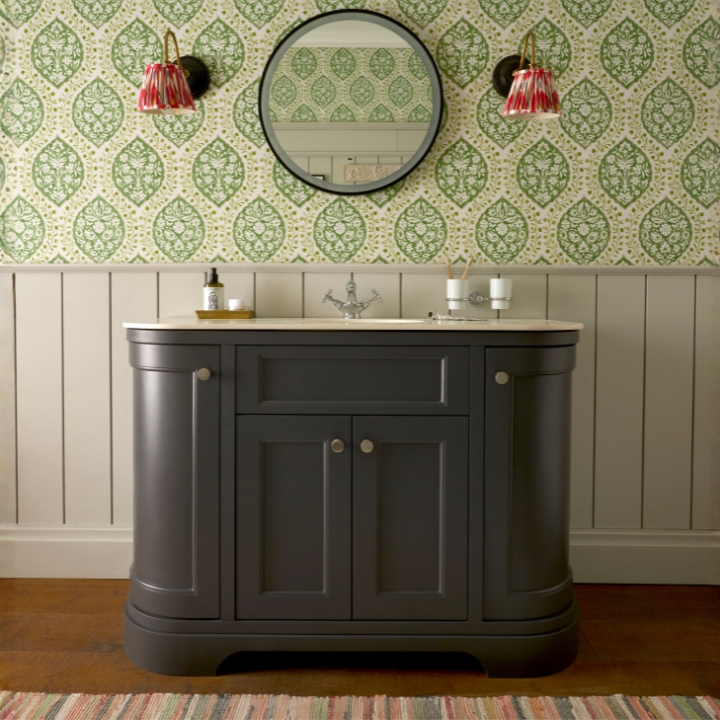
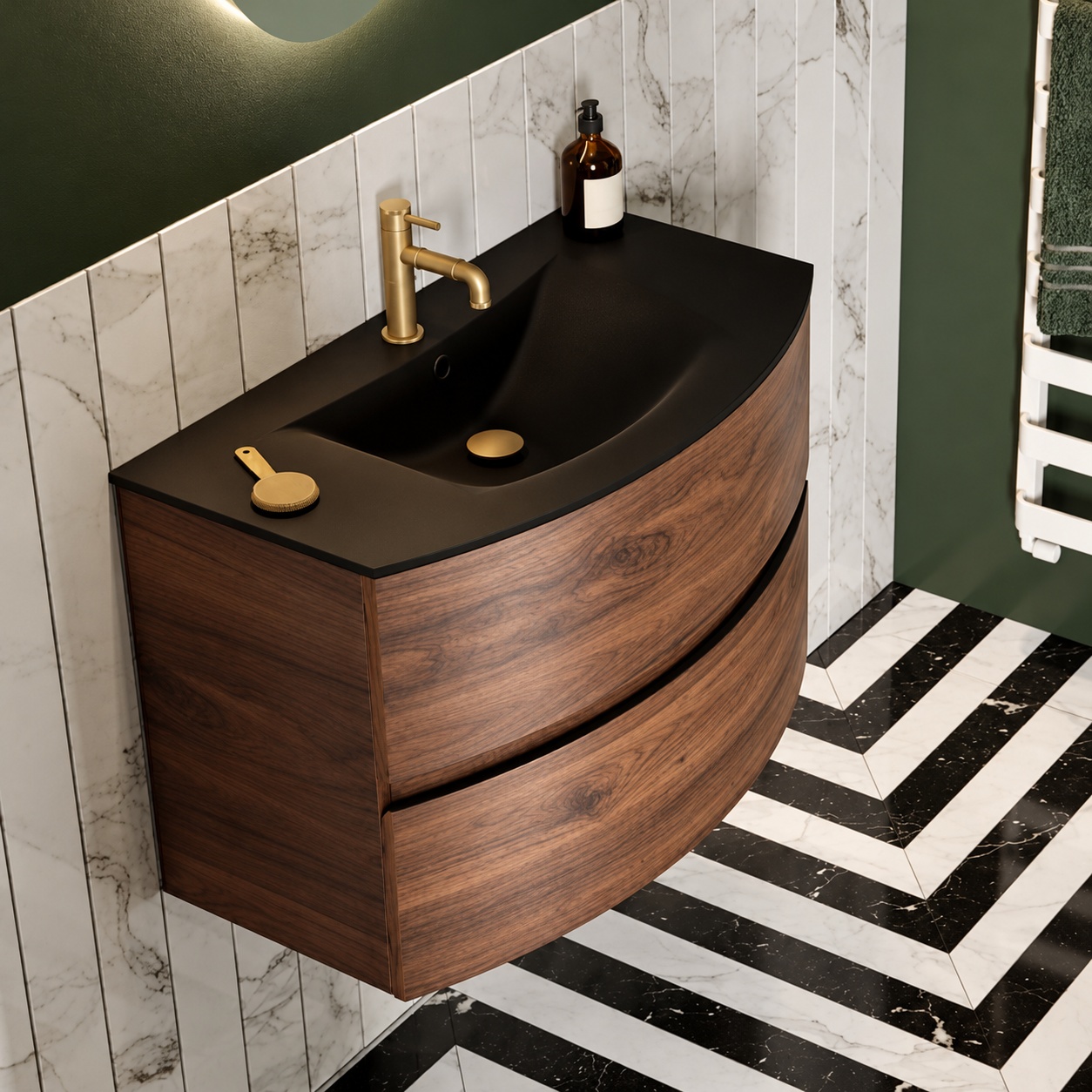
- Furniture-like vanities: The standard vanity unit is being reimagined as a piece of furniture in its own right, designed to look as at home in a living room as in a bathroom. Paul Wells, Showroom Manager and Designer at Sanctuary Bathrooms, explains the ‘bathroom living room’ appeal: “Dark wood tones give wooden vanities a stronger presence, bringing the character and comfort of a living room and a touch of heritage charm, even to contemporary cabinetry.”
- Soft furnishings: Textiles are one of the quickest ways to make a room feel lived-in, and they’re increasingly finding a place in the bathroom, from rugs to upholstered seating. Interior designer Adam Knight sees bathrooms being used for “other functions than just washing”, with “more soft furnishings” to match, while Verity Coleman suggests “adding an upholstered piece in the bathroom (if space allows)”.
- Characterful flooring and walls: Floors and walls are often where the shift is easiest to spot, with wallpaper, wood effects, and patterned layouts replacing floor-to-ceiling bathroom tiles. Graeme Shelley of Factory Direct Flooring says homeowners are using wallpaper and characterful flooring to bring more personality to their bathrooms, adding: “We're seeing increasing demand for warm-toned wood effects like antique oak finishes, and the continued popularity of herringbone layouts - both can make a bathroom feel more like a living room.”
6. The ‘Slow Bathroom’ Takes Over
In 2027, homeowners are expected to think harder about how they invest in their bathrooms. The emphasis is shifting to renovating a bathroom once and doing it well, with quality materials, durable fittings, and designs built to look and work beautifully for years to come. The ‘slow bathroom’ isn’t a particular look, but a more considered approach to renovation, and it doesn’t mean sacrificing personality.
“Bathrooms are a significant investment, and consumers need quality and longevity, so they're choosing classic products and finishes with an enduring style.”
- Eileen Slattery, MERLYN
Renovate Once and Do It Well
Rising costs are a major factor. “Customers increasingly want to renovate once and do it well,” says Jemma Williams. “Materials and skilled labour are expensive, so people are looking harder at durability and aftercare before they buy. They want confidence that what they choose will last.”
Sally Bettison of Tissino is seeing the same caution: “Budgets for renovations don’t seem to be growing so purchases are more considered and thought through, there will be less frivolous spending and any products which don’t earn their place in the bathroom won’t be there.”
That caution makes sense given how long a bathroom needs to last. Our own research, conducted with OnePoll in January 2026, found that homeowners typically renovate their bathrooms only every 8 to 10 years, so today's choices need to work and look good for years to come.
“There is a growing trend for timeless designs, quality materials and designs that offer long-term value as purse strings tighten and consumers become more sustainability conscious, avoiding style only purchases.”
- Sophie Weston, Geberit
Quality Beyond the Surface
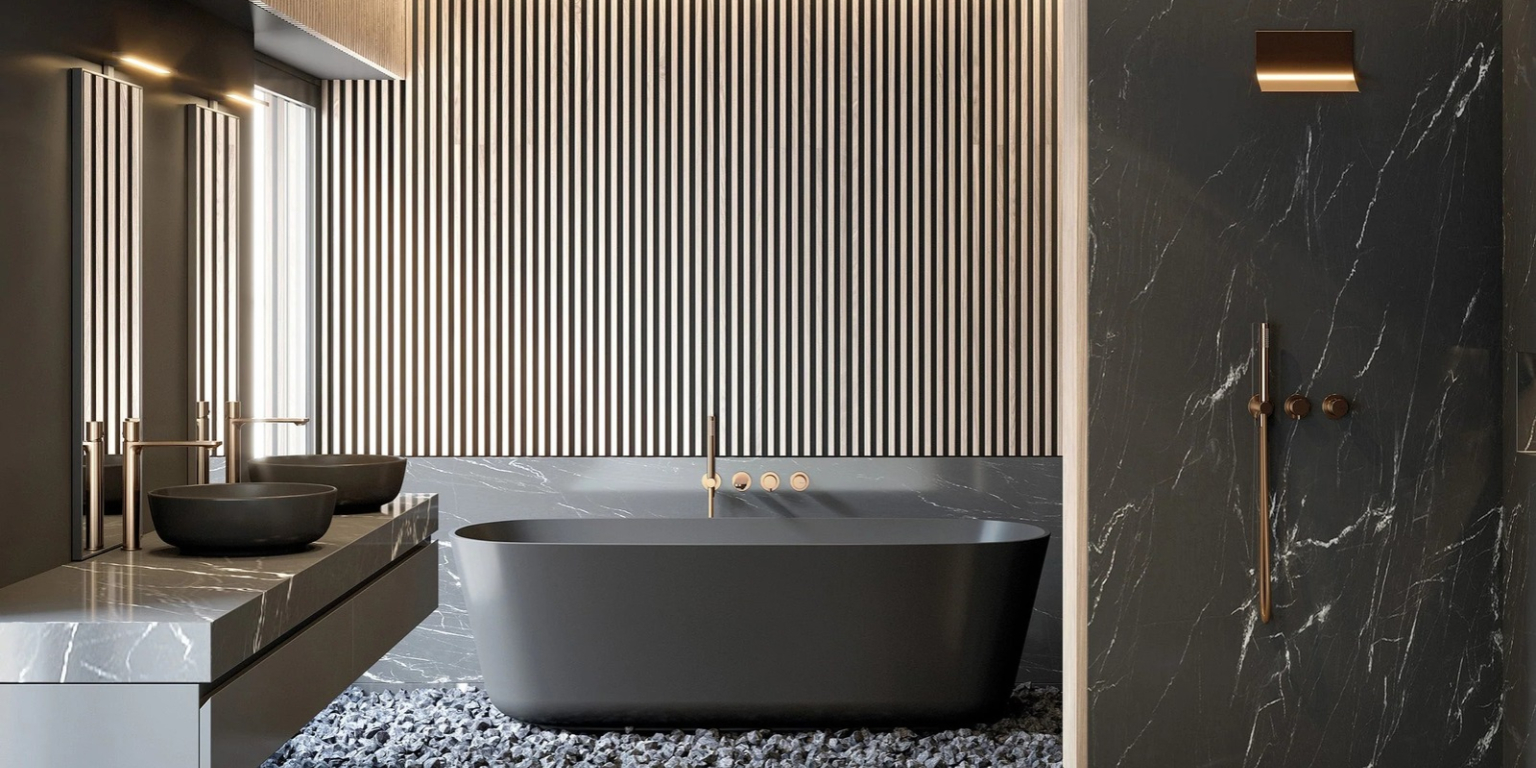
With bathrooms needing to last for the best part of a decade, quality is increasingly judged on more than looks. Sophie Weston of Geberit explains: “While design remains important, consumers are increasingly prioritising products that combine style with performance, sustainability and longevity. Features such as water efficiency, hygiene, ease of cleaning and reliable operation are becoming key purchase drivers. There is also a growing preference for products with strong warranties and timeless designs that will stand the test of time.”
Homeowners are also doing more homework before they buy. “Customers do far more research before they buy, and they want reassurance,” says Audrey Huot, Customer Experience Director at VADO. “They want to know a product is easy to install and look after.”
Spending Wisely, Not Spending More
With quality and longevity front and centre, the slow bathroom isn’t necessarily as expensive as it sounds. “Bathrooms are a big investment, but that doesn’t mean you need to spend heavily on absolutely everything,” says interior designer Emma Merry, Founder of Emma Merry Styling. “I always talk to clients about where their money will make the biggest difference.” Her advice comes down to three things:
- Be clever with tiles: Tiles cover a lot of surface area, but they don’t need to be the most expensive item on the list. “There are some really beautiful tiles available now at very sensible price points, so this is often somewhere you can be clever with the budget.”
- Invest in what you touch every day: Taps and showers are used several times a day, so quality makes a noticeable difference over time. She would “much rather see that money invested in the things you actually touch and use every day, particularly your brassware.”
- Look beyond the finish: Two taps can look identical on day one but age very differently. “Ask what the tap or shower is actually made from. I look for good-quality solid brass as the base material, which can then be coated in the finish you want. It’s those details you don’t necessarily see that can make the difference to how something performs and lasts.”
“For me, designing a bathroom for longevity is about spending well rather than simply spending more.”
- Emma Merry, Emma Merry Styling
7. Stylish Yet Accessible Design
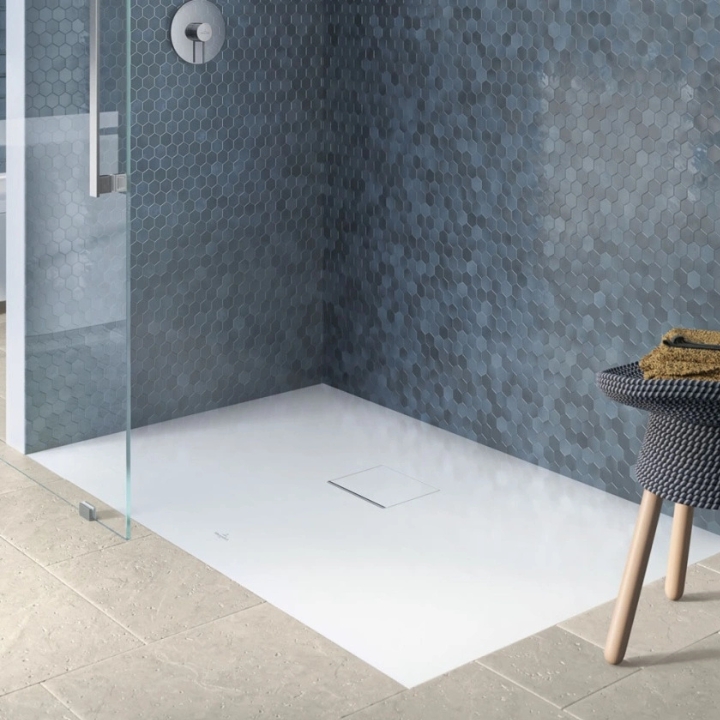
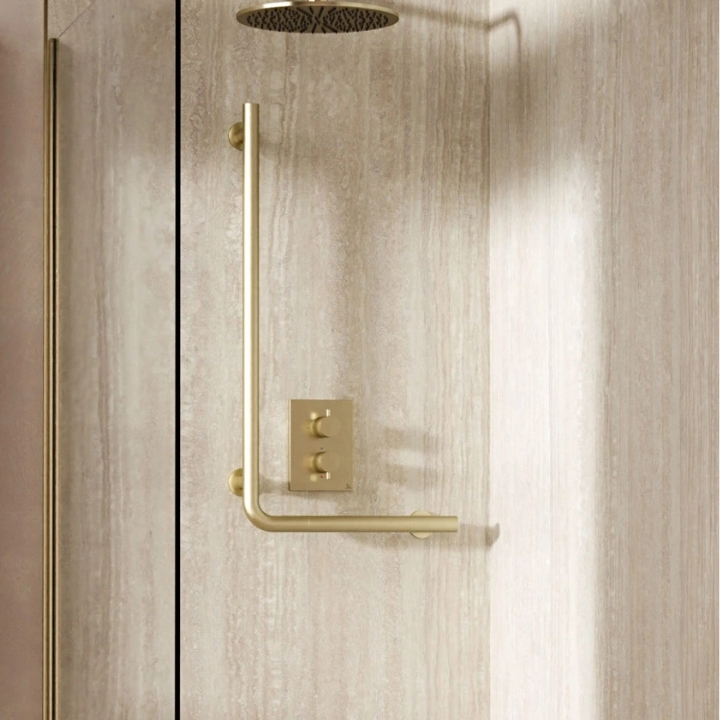
Accessible design, the process of creating environments that people can use without barriers, is moving into the mainstream. In 2027, more homeowners are expected to plan bathrooms that will work for them in the years to come. This means features and fixtures such as level-access and anti-slip showers, easy-to-use fittings, and discreet grab rails. Crucially, these no longer have to look clinical.
“There was a time when creating an accessible bathroom often resulted in something very functional and very clinical in appearance, but finally we are seeing an increase in ranges and styles of accessible bathroom products that are enabling people to create beautiful bathrooms that meet all of their needs without compromising on style.”
- Kim Heslip, SC1 Property, specialists in accessible home design
Jemma Williams expects “accessible, future-proofed design to go mainstream. Thermostatic bath and shower controls, walk-in showers and easy-to-use brassware suit every generation, and they can look beautiful in any bathroom.”
Manufacturers are already seeing the shift. Among the bathroom brands and manufacturers we surveyed, 60% saw growing interest in accessible design during 2026, 67% expect it to grow further in 2027, and none expect it to fall. It’s a forecast led more by manufacturers than designers, though, with only 2 of the 14 interior designers naming it as one of their strongest growth areas.
Designing for Later in Life
The UK’s ageing population is a big part of the picture. According to the Office for National Statistics, the number of people aged 85 and over is expected to double, from 1.75 million in mid-2024 to 3.6 million by mid-2049. Yet the Centre for Ageing Better’s State of Ageing 2025 report found that almost nine in ten (87%) homes in England don’t have all four basic accessibility features that make a home visitable for most people.
“In 2027 I expect to see more people thinking about longevity when they design their homes, so considering ageing in place and long-term accessibility such as level access showers, wet rooms and integrating discreet grab rails into the design,” says Kim Heslip.
This ties closely to the ‘slow bathroom’: if a bathroom needs to last the best part of a decade, it makes sense to plan for how your needs might change. Caroline Milns says clients are “increasingly thinking beyond what they want the room to look like now and asking how well it will work as family life changes”, adding: “That doesn’t mean designing an obviously ‘future-proofed’ bathroom. It’s about making intelligent decisions early on: allowing enough space around a shower, considering whether a bath will still be useful in five or ten years, creating genuinely good storage, and choosing materials and fittings that will age well."
What a Future-Proofed Bathroom Looks Like
Rather than obvious adaptations, accessibility is being built into everyday bathroom design in four main ways:
- Level-access showering: Whether a wet room or a walk-in shower, level-access showers do away with the step up into the shower or the climb over the side of a bath, which can become a real barrier as mobility changes. It’s worth remembering that such showers aren’t automatically accessible, though: details such as a level threshold, enough room to move and turn, effective drainage, slip resistance, and support all need thinking about.
- Safer surfaces: Slip-resistant shower trays and flooring help reduce the risk of falls without changing the look of the room. Sally Bettison of Tissino says more customers are “thinking about the future and safety as they get older”, and the company has seen an increase in sales of, and requests for, such trays.
- Technology that earns its place: Thermostatic controls and easy-to-use fittings make everyday routines simpler for every age, but gadgetry for its own sake is less appealing. “Features that genuinely improve comfort, efficiency or usability have a role, but technology needs to earn its place rather than being included simply because it can be,” says Helen Ray-Dennett of Tissino. Smart bathroom technology was selected by 50% of manufacturers as an area they expect to grow in 2027.
- Shower toilets: Once a luxury, shower toilets, also known as smart toilets, or Japanese toilets, are becoming far more widely available, with clear benefits for hygiene, comfort, and independence. “The shower toilet market is growing quickly across all price ranges, moving from a rare luxury to a standard bathroom feature,” says Liam Boyle, National Retail Manager at TOTO Europe. “While high-end models are still selling well, there is a huge increase in demand for budget and mid-priced options.”
8. Traditional and Heritage Design Reimagined
Traditional and heritage-inspired design is being transformed for 2027. Rather than recreating period bathrooms, homeowners are mixing traditional bathroom features with modern colours, materials, and clean-lined fixtures. The result feels timeless without being old-fashioned or tied to a particular period.
Designers are already seeing this trend in client briefs: 57% of the interior designers we surveyed saw growing interest in traditional or heritage-inspired design during 2026, the third most common answer after personalisation and wellness, and 53% of bathroom brands and manufacturers expect demand to grow in 2027. It isn’t universal, though: three manufacturers reported falling interest during 2026, more than for any other theme in our survey.
Mixing Old and New
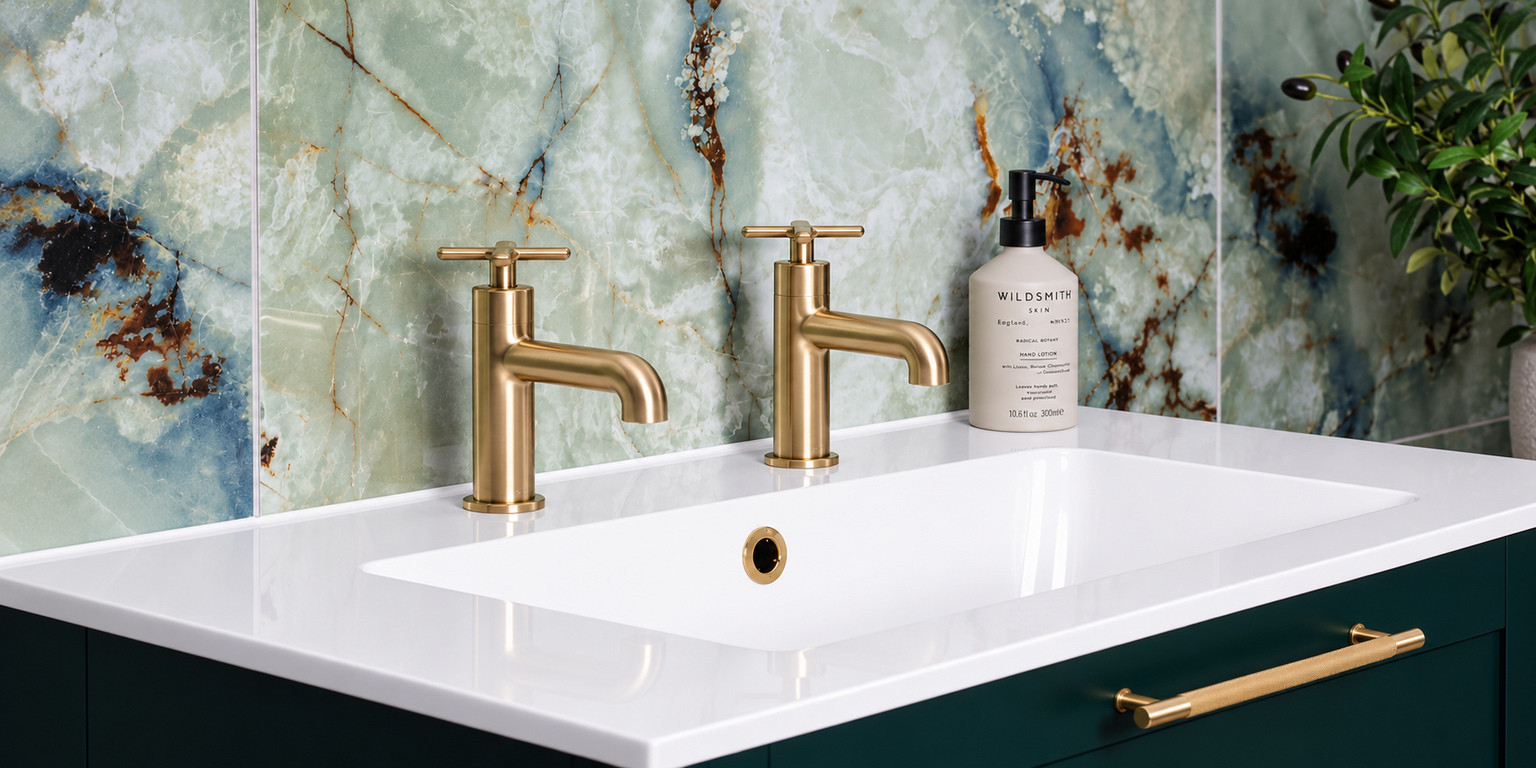
Crosshead taps, classic silhouettes, and period finishes are all in demand, but they’re no longer reserved for fully traditional bathrooms. Jemma Williams is seeing strong interest in all three, with people mixing and using them “in a more relaxed way too, alongside contemporary furniture and clean-lined showering.” As she explains: “They want bathrooms with character that won’t date, and heritage design gives them that sense of permanence.”
Augustine Atobatele describes the aim as “balance”, mixing “classical fixtures” with “more contemporary design and contrasting with rich materials.” In practice, that could mean pairing a crosshead basin mixer with a sleek, wall-hung vanity, or setting a classic roll-top bath alongside a frameless walk-in shower and natural stone.
Embracing Patina
There’s also a growing appreciation for materials that change and develop character over time, rather than staying perfectly pristine. “We’re also seeing clients become more comfortable with materials that will age and develop a patina,” says Caroline Milns.
“There’s something much more appealing about a bathroom that becomes part of the story of the house rather than looking pristine forever.”
- Caroline Milns, Zulufish
Brassware is where this is most visible. John Law says that “brushed and unlacquered brass, bronze and even pewter are replacing matt black, and they are being left to patina gracefully.” Our designer survey backs this up, with aged or antique brass the joint most-picked brassware finish for 2027, chosen by 71% of designers.
It’s worth knowing that ‘living’ finishes such as unlacquered brass will change colour with use. That’s exactly the appeal for many people, but it won’t suit anyone who wants their taps to look the same in ten years as they did on day one.
Traditional Furniture with a Modern Twist
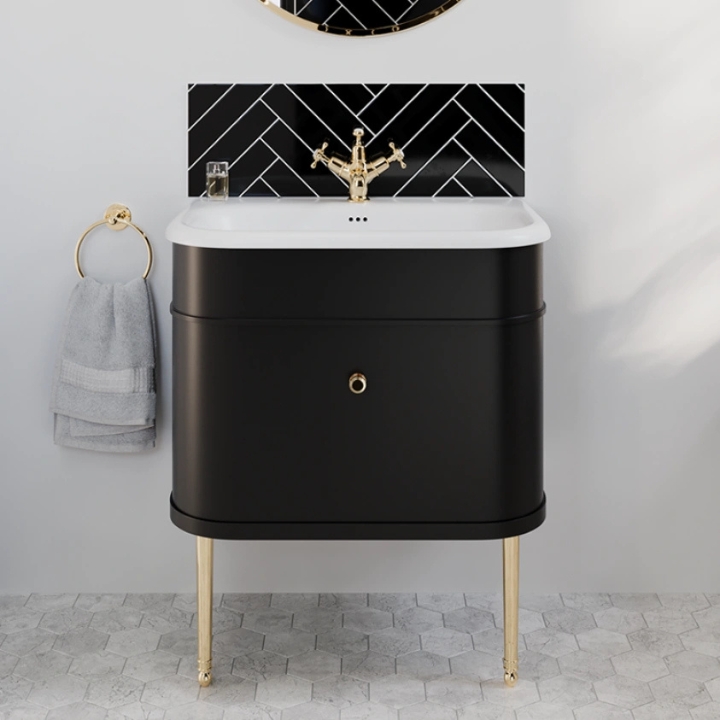
Traditional furniture is also being refreshed with a contemporary edge, using colours and finishes not usually associated with, say, Victorian or Edwardian designs. It all leads to heritage pieces that can work in a much wider range of homes without feeling formal. Andrea Denison, Marketing Coordinator at Barwick Bathrooms, has seen growing “demand for traditional bathroom furniture ranges”, and brands are responding. “I’ve seen some stunning examples of traditional furniture with modern finishes,” she says, referencing Tavistock’s addition of a Laurel Green finish to its Lansdown range.
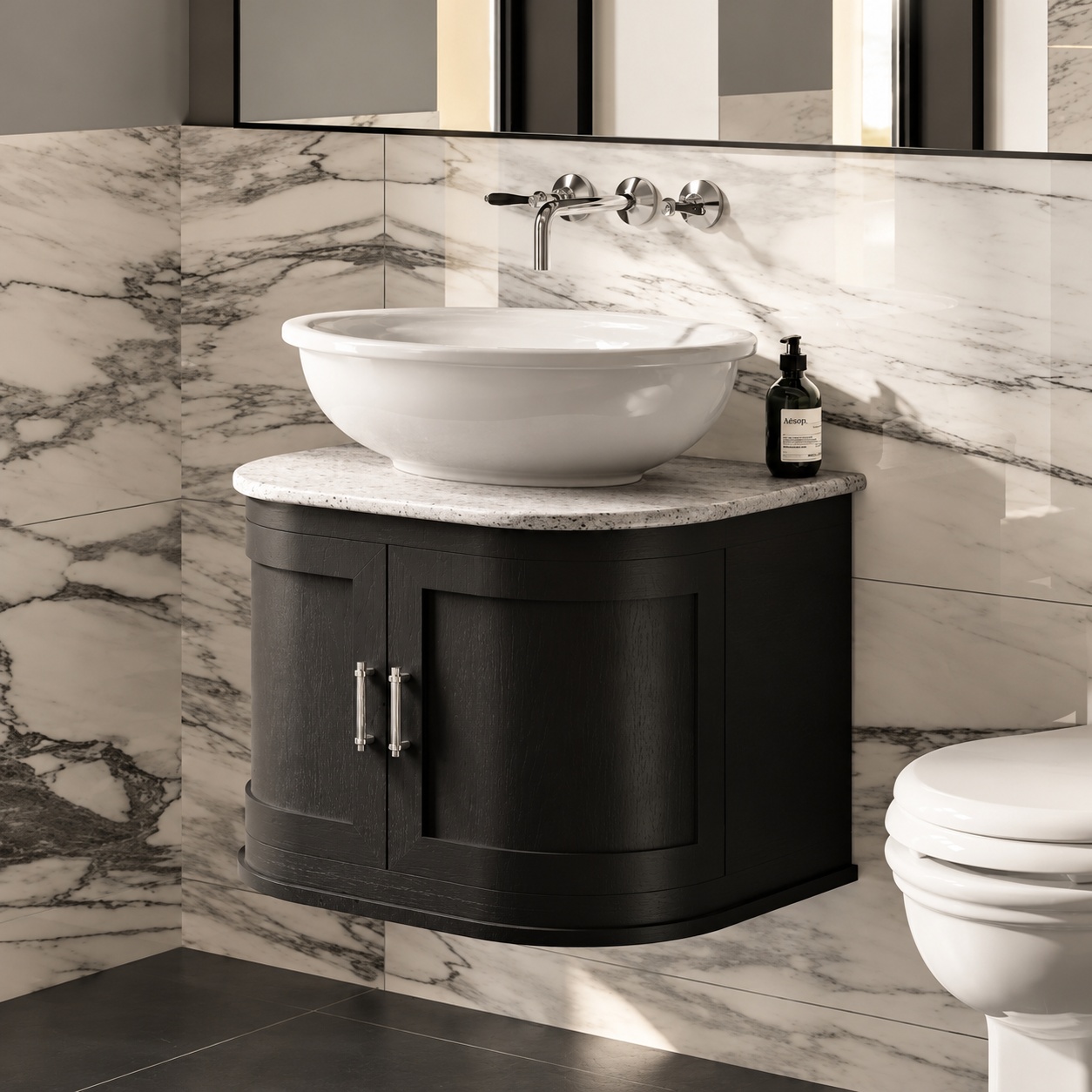
Natural materials add to the effect, with John Law expecting “furniture-like vanities with fluted fronts and reclaimed timber”. Details like these bring the craftsmanship and character of traditional furniture into the bathroom, without making it feel like a period recreation. They also help the bathroom last longer, as he notes: “The 2027 bathroom is not designed to be ripped out in five years but to age well.”
Trends That Could Lose Momentum in 2027
Now that we’ve highlighted the trends coming in 2027, let’s look at the ones on their way out. These are just as useful, especially if you want a bathroom that won’t date quickly. We asked our experts which trends they think are overhyped and most likely to lose momentum in 2027. Here are four that could be past their peak.
The Fluted Look
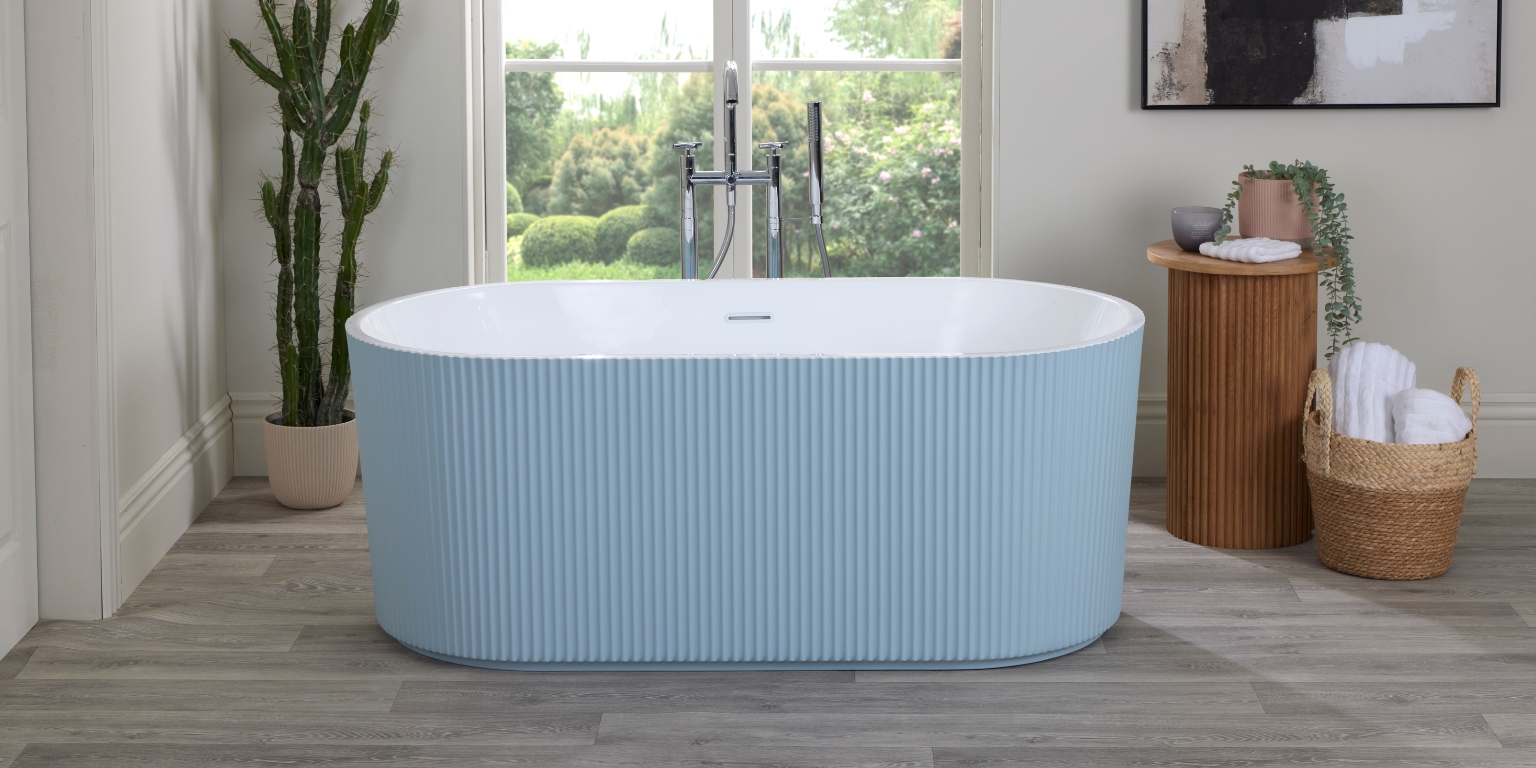
Fluted and reeded designs have been everywhere in recent years, from vanity fronts and shower glass to baths, basins, and tiles. Now, several of our experts think that overexposure is catching up with them.
“I love a flute and a scallop, but they seem to be everywhere now - they have definitely had their moment in the spotlight.”
- Verity Coleman, Rascal & Roses
Two more designers agree: Augustine Atobatele calls it “a design that appears too often”, while the team at Laura Hammett describes “generic fluted or reeded panels” as “all too overused”. Meanwhile, Sophie Weston of manufacturer Geberit lists fluted designs as part of the trend for “fast-fashion bathrooms”, which she says customers are becoming more cautious about.
That doesn’t mean fluting will disappear altogether. Jessica Howard of Bathroom Brands Group expects it to remain for statement pieces, but not “on all surfaces at once as more layering of varying textures will increase in popularity. Contrasting it with a high shine tap for example rather than choosing to do it across all surfaces.” Not everyone sees it fading either: Jemma Williams says bathroom furniture has been VADO’s “strongest growth area in 2026, led by real wood veneer and fluted designs”, and 60% of the manufacturers we surveyed still expect fluted, ribbed, or reeded furniture fronts to grow in 2027.
Matt Black Brassware
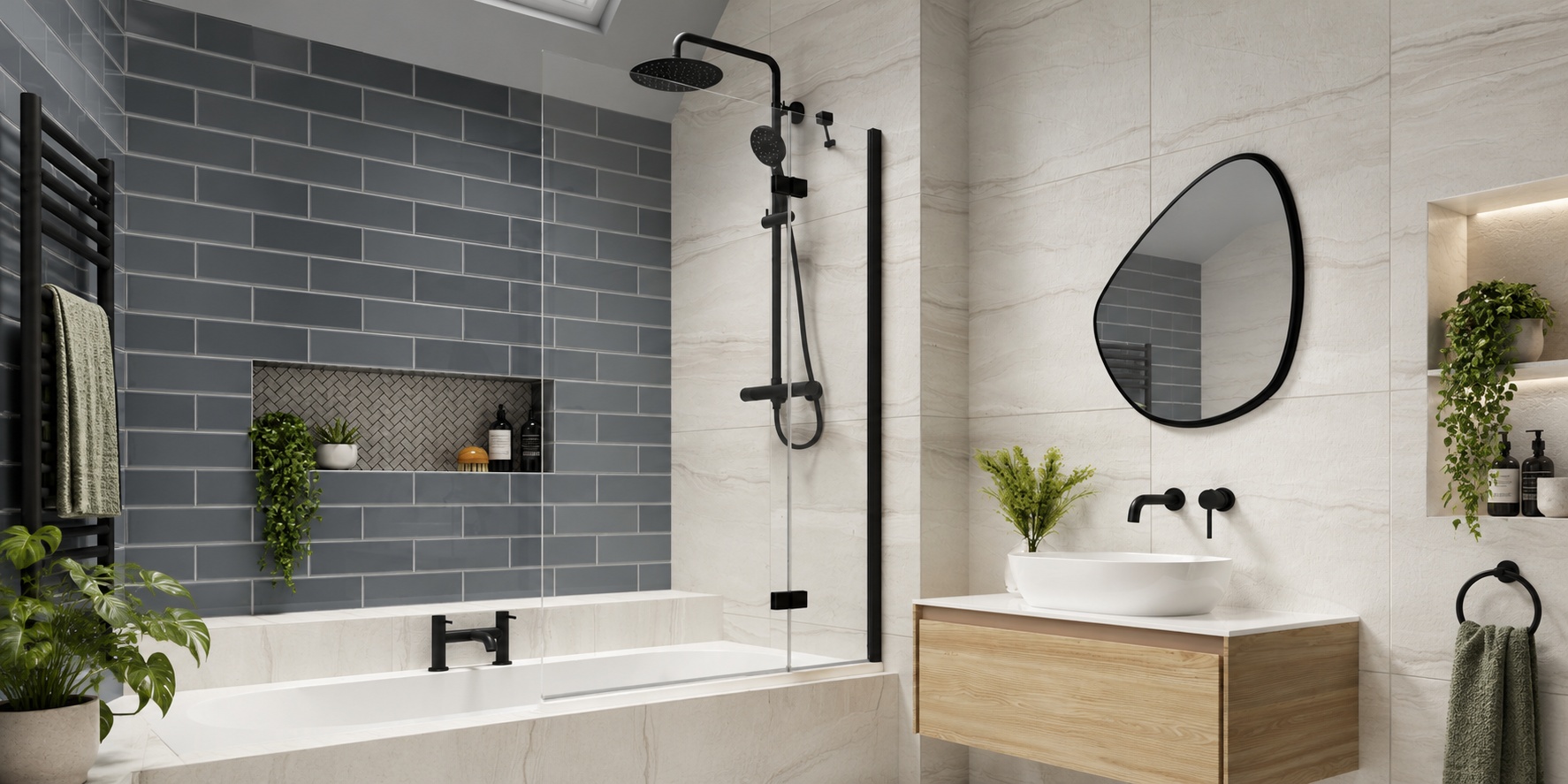
Matt black has been a defining finish of the past decade. As Eileen Slattery of MERLYN puts it: “Matt black has been enormously influential with enduring popularity, but consumers are now looking at a much broader palette, particularly warmer metallic finishes.”
Our survey suggests its time at the top is coming to an end. Not one of the 15 manufacturers and only 2 of the 14 designers we surveyed picked matt black as a brassware finish they expect to grow in 2027. “Customers now seem to have moved onto satin or brushed finishes for their taps and brassware,” says Emma Morris, Head of Marketing & Buying at Abacus Bathrooms.
Practicality is also a factor. A spokesperson for Farmiloes says “matt black fixtures are losing momentum as they are impractical in hard water areas”, while Alexis Nicolaidis, Heritage Interior Designer and Owner at VA Heritage, notes that “black finishes look incredible, but unless they are looked after properly they can look tired very quickly.”
However, like fluted designs, matt black isn’t entirely doomed. Sarah Stepney, Trade Marketing Executive at RONAL Bathrooms UK (Kudos Showers), says matt black “will always have a place” but expects it to “take a back seat in 2027, making room for the softer finishes that are commonplace now.” We look at which finishes are taking its place in our brassware round-up below.
The Blue Bathroom
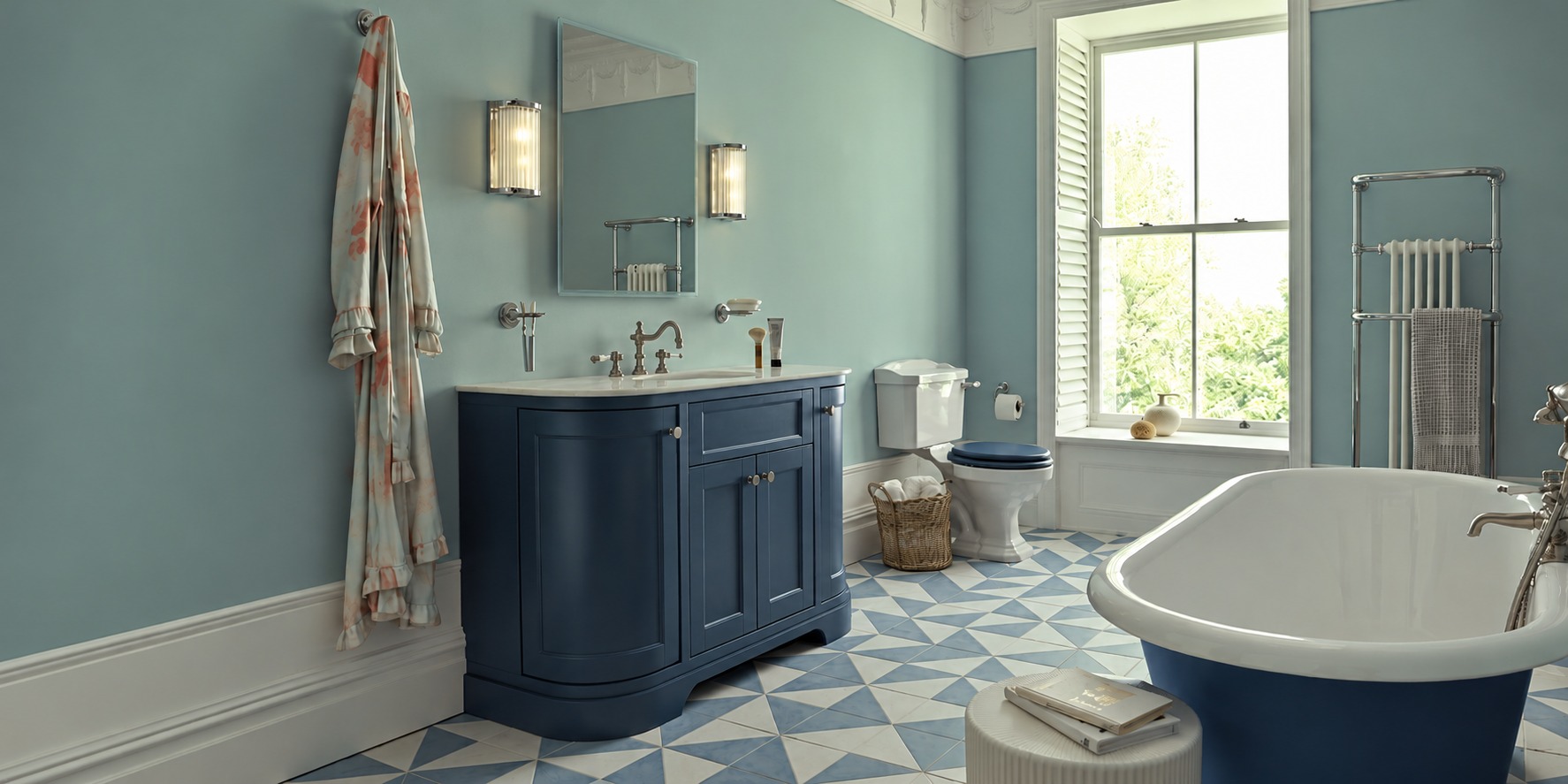
Blue has long been a go-to bathroom colour for wellness design because of its connection to water, but as warmer, earthier palettes take over, cooler blues look set to lose ground. The team at Henry Prideaux Interior Design notes that blue “can feel too cold” in a bathroom, pushing many homeowners towards warmer alternatives. As Beth Miller noted in our biophilic design section, people are choosing greens and browns over blues and greys because they feel calmer.
Our survey points the same way. The two blue-toned 2027 colours of the year were among the least backed by the designers we surveyed: Glidden’s Artifact, a warm, smoky blue, was chosen by 2 of the 14, and Valspar’s Cottage Door, a grey-blue, by just 1.
Colour-Matched Finishes
For years, the safe approach was to match everything: the same finish on every tap, shower, and accessory, and sometimes the same colour across the bath, basin, and toilet. Some of our experts expect that to change in 2027. Asked which trend is most overhyped, Eileen Slattery says: “Possibly the idea that every element of a bathroom needs to match perfectly. Coordinated finishes will remain important, but we think consumers are becoming more confident about creating a layered, individual look rather than following a single finish throughout the room.”
“The best bathrooms increasingly feel collected and considered rather than overly prescriptive.”
- Eileen Slattery, MERLYN
The same applies to sanitaryware, though with an important distinction. Coloured sanitaryware is still growing in popularity, including with our own customers at Sanctuary Bathrooms, but many experts expect the bold, retro-style colour-matched suite, rather than colour itself, to fade. Sarah Stepney anticipates that approach will “give way to a much softer colour palette”, adding: “Realistically speaking, now more than ever, if people are able to invest in their bathroom then they're much more likely to make design, product and colour choices that will stand the test of time.”
As we saw in our first trend, coordination still matters, but contrast is increasingly part of the look. Interior designer Kim Heslip goes further, questioning coloured sanitaryware altogether, stating: “I'm not sure about the longevity of coloured sanitaryware, colour trends come and go so fast, and we want our bathrooms to last, so I think timeless, elegant, white sanitaryware will always be a better investment.”
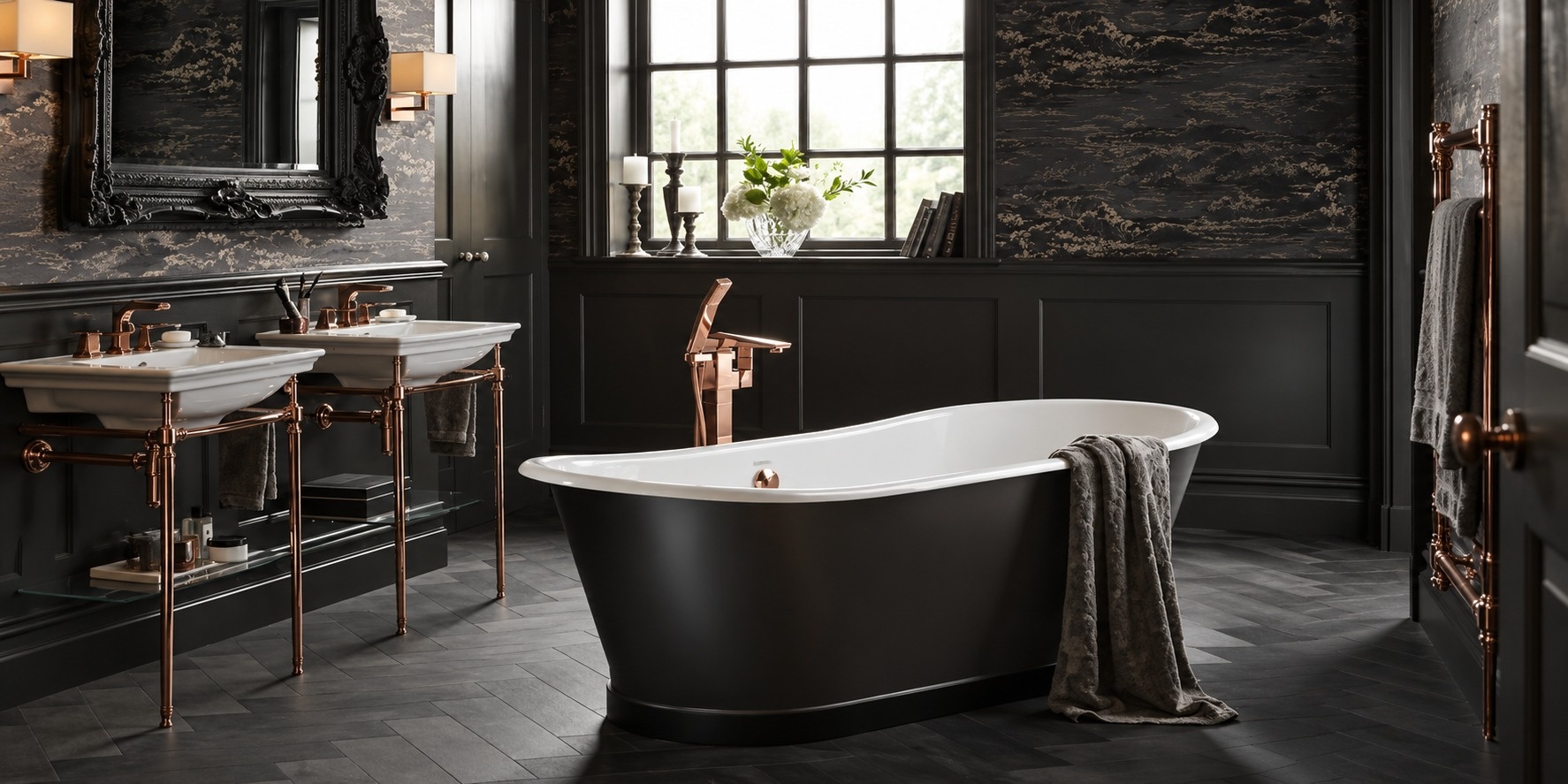
7 Colour Trends to Look Out For in 2027
While it’s overwhelmingly clear that warm, earthy shades dominated our survey, here are seven individual colours to look out for if you’re planning a bathroom renovation for 2027:
1. Sage Green
Soft, calming, and easy to live with, sage green looks set to remain a bathroom favourite. Dulux has named Soulful Sage, a soft, silvery green, its 2027 Colour of the Year, and 5 of the 14 designers we surveyed expect it to influence bathroom design. Interior designer Kim Heslip says sage greens “are calming and evoke feelings of freshness and nature”, which makes them an easy partner for natural wood and stone.
Survey backing: 5 of 14 designers backed Dulux’s Soulful Sage
Try it with: natural wood and stone
2. Dusty Pink
Muted, dusty pinks are a softer alternative to neutrals, and far from sugary. The standout example in our survey was Graham & Brown’s Rose Earth, a warm, earthy pink with brown undertones and the designers’ most-picked colour of the year, chosen by 9 of the 14 we surveyed. Its clay-like tone sits comfortably alongside antique brass, natural stone, and warm timber, and interior designer Amy Stoddart already counts it among her “‘go-to’ studio colours”.
Survey backing: 9 of 14 designers backed Graham & Brown’s Rose Earth
Try it with: antique brass, natural stone, and warm timber
3. Olive Green
Deeper and richer than sage, olive green suits anyone who wants colour to take centre stage. Behr’s Grounded, a mossy olive green with brown undertones, was the designers’ second favourite colour of the year, chosen by 7 of the 14. Interior designer Adam Knight sees it working in “bold statement bathrooms where colour is key”.
Survey backing: 7 of 14 designers backed Behr’s Grounded
Try it with: antique brass, bronze, and rich timber tones
4. Terracotta and Clay
Sun-baked terracotta and earthy clay tones bring instant warmth. Clay was one of the named examples in the earthy palette our designers backed, and Dutch Boy’s Deep Rooted, a terracotta orange, was chosen by 4 of the 14 designers as a colour of the year likely to influence bathrooms. Interior designer Terian Tilston, Founder of Terian Tilston Interior Design and a contestant on series one of BBC’s Interior Design Masters, says people are “leaning into more earthy vivid colours for warmth and comfort and personality.” We suggest trying it on handmade tiles or a painted vanity for a sunnier, Mediterranean-style bathroom feel.
Survey backing: 4 of 14 designers backed Dutch Boy’s Deep Rooted
Try it with: handmade tiles or a painted vanity
5. Warm White and Cream
For anyone who prefers a lighter scheme, warm whites and creams are replacing stark, cool white. Warm neutrals were the manufacturers’ most-picked palette for 2027, selected by 86%, and 64% of designers expect them to grow. They create a calm backdrop for natural materials and warm metallic brassware, without the clinical feel of brilliant white.
Survey backing: Warm neutrals picked by 86% of manufacturers
Try it with: natural materials and warm metallic brassware
6. Taupe and Mushroom
Sitting somewhere between a neutral and a colour, taupe and mushroom tones add warmth and depth without overwhelming a space. John Law predicts seeing plenty of “plaster and limewash walls in earthy clay, ochre and mushroom tones”, and both shades pair well with brushed bronze and darker woods.
Survey backing: Part of the earthy palette picked by 79% of designers
Try it with: brushed bronze and darker woods
7. Warm Browns
Warm browns, from soft caramel to rich chocolate, are a cosier alternative to the charcoal and black that have dominated recent years, and 36% of the designers we surveyed expect deeper, darker colours to grow in 2027. Kim Heslip is seeing browns rise alongside creams and beiges, rather than greys. For a bolder take, John Law predicts “deep oxblood vanities” and chocolate-toned tiling “laid in handmade, irregular glazes”.
Survey backing: Deeper, darker colours picked by 36% of designers
Try it with: creams and beiges
Fixtures, Fittings & Material Trends to Look Out For in 2027
Beyond colour, here’s what our survey and experts expect for the bathroom's key elements in 2027.
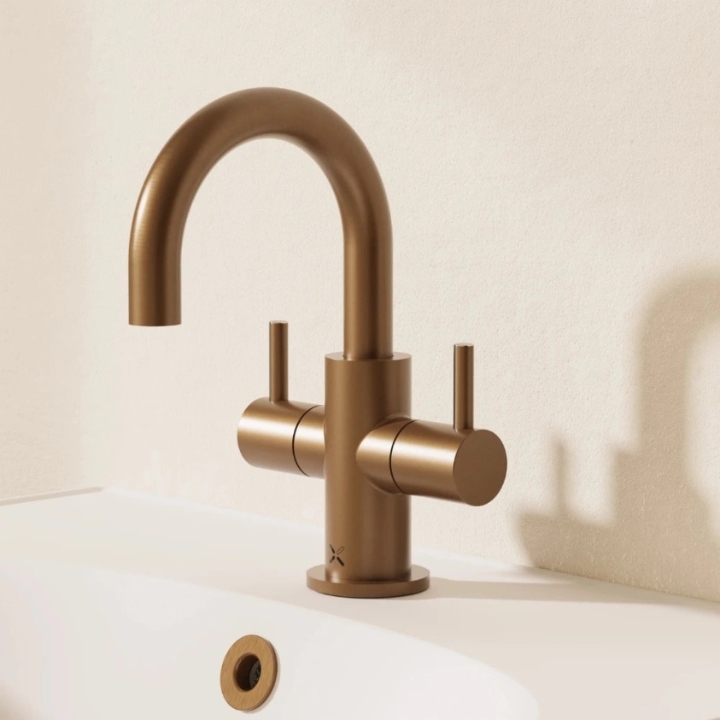
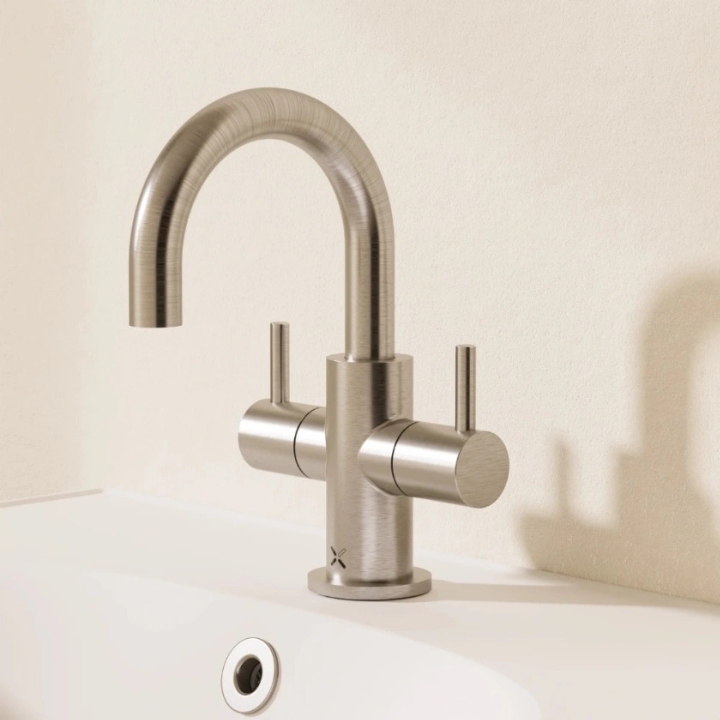
Brassware: From High Gloss to Brushed and Unlacquered Finishes
For several years now, brassware has been moving away from high-gloss finishes like chrome and polished stainless steel and towards the allure of brushed finishes and the warm patina of aged or unlacquered brass. In 2027, that shift looks set to gain even more traction. “Traditional brass is having a real moment,” says Jordan Cook, Head of Product Development (Brassware) at Tissino. Nick Parish of VADO adds that, in showrooms, “warm metallics like brushed brass, bronze and gunmetal keep gaining ground on chrome.” For interior designer Terian Tilston, it’s part of a wider move away from “just chrome fixtures and fittings” towards “more characterful fittings and fixtures”.
Brushed bronze was the only finish to sit at the top of both forecasts, chosen by 71% of designers and 69% of manufacturers. That reflects our own sales: a like-for-like analysis of our website orders shows brushed bronze unit sales rose by 60% in January-September 2026 compared with the same period in 2025.
Each group also had a second favourite that ranked just as highly: aged or antique brass for designers (71%), and gunmetal, anthracite, and slate grey for manufacturers (69%). Brushed nickel was among the next most popular choices for both, picked by 36% of designers and 46% of manufacturers.
“We've seen a real uplift in demand for softer, brushed, metal finishes this year and we are expecting this to continue into 2027 alongside textured glass. Bathrooms are fast becoming more tactile spaces, less 'clinical' and more about relaxation and the brushed finishes and textured glass that are in the market really talk to this trend.”
- Sarah Stepney, RONAL Bathrooms
Chrome, on the other hand, barely featured in our survey forecasts, with only 3 of the 15 manufacturers and 1 of the 14 designers expecting it to grow in 2027. Not everyone is ready to write chrome off, though. Jessica Howard of Bathroom Brands Group believes high-shine finishes “can add a playful edge to a contemporary space when paired with a colour pop, or they can make a space feel clean and contemporary when paired with more neutral tones.”
“Chrome will always have a place, but it’s no longer the automatic choice.”
- James Roberts, Sanctuary Bathrooms
Furniture: Wood and Traditional Styles Take the Lead
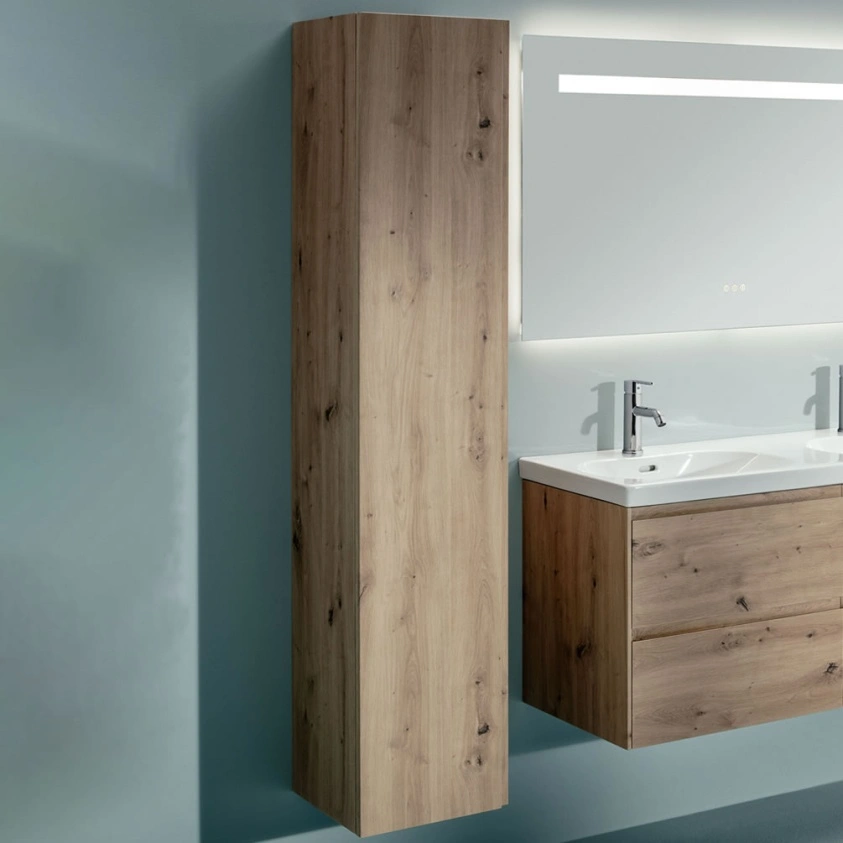
Wood and wood-effect furniture is fast becoming the go-to choice for bathroom furniture, bringing warmth and a natural feel to vanity units and storage. In fact, dark wood and wood-effect finishes, such as walnut and dark oak, were the manufacturers’ top furniture pick for 2027 (80%), with lighter woods not far behind (60%).
Andrea Denison of Barwick Bathrooms has noticed a rise in wood-effect furniture finishes, and brands are expanding their ranges in response. At VADO, Jemma Williams says: “We’ve seen a real appetite for warm, tactile, natural materials - natural oak and warm walnut veneers and fluted fronts, which is exactly why we developed our Groove and Safari collections.” Roxor Group has also broadened its oak options, with Brand Manager Keeley Sutcliffe noting that its range now includes Autumn Oak, Bleached Oak, Mocha Oak, and Antique Oak finishes.
Traditional furniture is having a moment, too. As we explored in trend 8, Andrea Denison has seen growing demand for traditional ranges, with brands such as Tavistock reworking classic designs in modern finishes. And, as we covered in trend 5, more homeowners are choosing furniture-like vanities and bespoke joinery over standard vanity units, with Caroline Milns seeing an "opportunity to create something that feels more like a beautiful piece of furniture."
Lighting: From Functional to Feature
Bathroom lighting is no longer just about being able to see; people are increasingly “wanting their lighting to be more of a part of the design and aesthetic of the room”, according to Beth Miller, and our survey reflects this: layered lighting, using several light sources together, was the joint-strongest forecast in our designer survey (86%), as we covered in trend 5.
“A bathroom needs good practical light, of course, but it doesn’t need to feel clinical. Layered lighting, decorative wall lights and softer pools of light can completely alter how the room feels, particularly first thing in the morning or at the end of the day.”
- Caroline Milns, Zulufish
Lighting is also becoming more adaptable, particularly in mirrors. Sofia Charalambous of Origins Living says they now need “adjustable colour temperature and brightness that flex to suit different tasks (makeup, shaving, general use), rather than one fixed setting expected to work for everyone.” She adds: "Being able to dim or brighten the light, as well as shift its warmth or coolness, means the same mirror can genuinely adapt through the day rather than compromise on a single setting."
Tiles & Surfaces: Natural, Textured, and Decorative
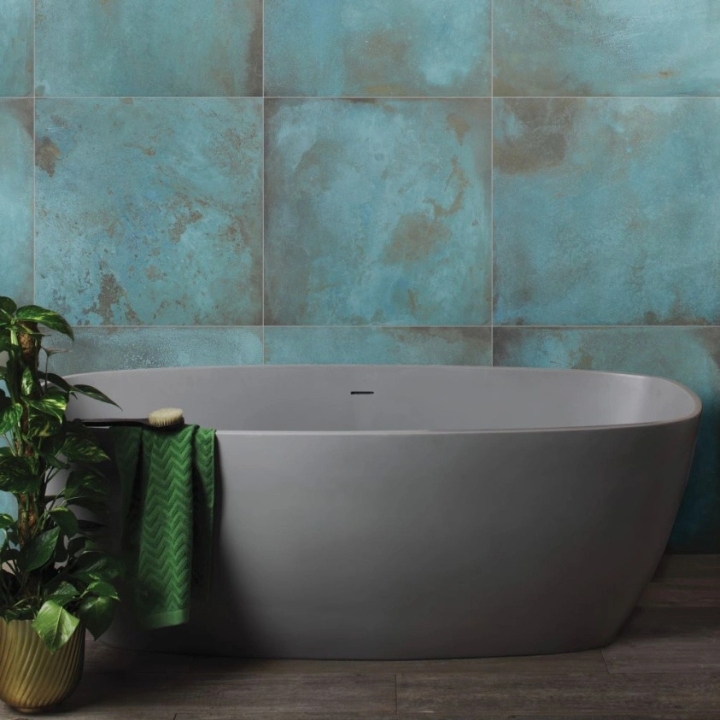
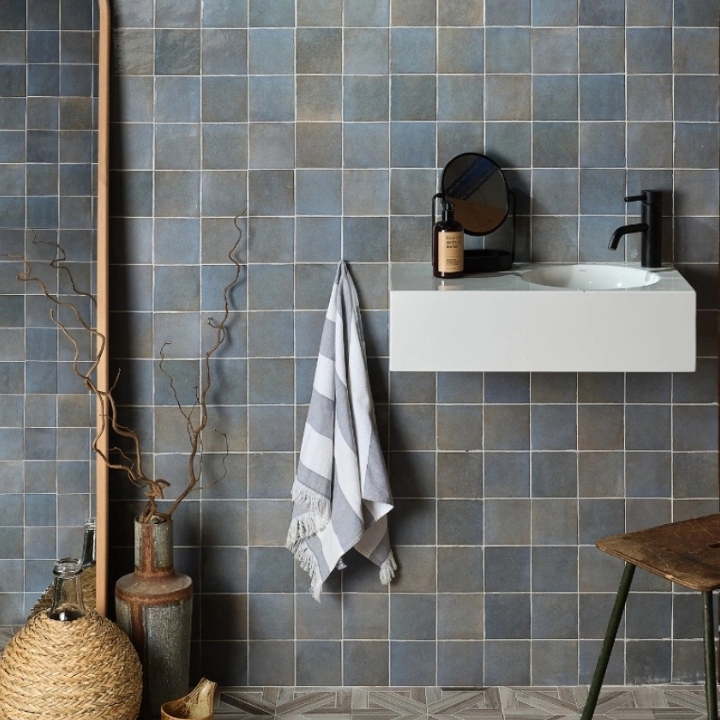
Natural materials and convincing alternatives to them lead the way for tiles and surfaces in 2027. Designers’ top material pick was natural stone (71%), followed by marble or marble-effect finishes (50%), stone-effect finishes, zellige or handmade-look ceramics, and darker wood effects (each 43%).
Stone is becoming more than a neutral backdrop: distinctive veining, natural variation, and unusual colour combinations build character into the fabric of the room, giving surrounding cabinetry, tiles and fittings something to respond to. Many contributors see the material itself as the statement, predicting more "material drenching using bold stone”, particularly with marble, as the team at Laura Hammett puts it.
“Statement natural stones will continue to grow in popularity, particularly marbles with distinctive veining and unusual colour combinations. Bathrooms are the perfect place to be a little bolder, and using a beautiful stone across a vanity, shower or bath surround can become the focal point of the entire room.”
- Amy Stoddart, Amy Stoddart Studio
Surfaces are becoming more tactile, too. As with brassware, tastes are moving away from high gloss towards matt, textured finishes with a natural look, and a spokesperson for Showerwall notes that “matt and textured finishes add tactility and depth”. Marble- and stone-effect finishes remain a firm favourite within that natural look, though. As Showerwall explains further, “The enduring appeal of marble and stone effect comes from their ability to introduce natural character and a high-end feel without overwhelming the room.”
Tiles are also set to become more decorative. “I expect mosaics to make a real comeback, smaller-format tiles used to create more intricate, decorative designs,” says Amy Stoddart. Hand-drawn tiles are also gaining attention as a way to make a bathroom more personal, as Livingetc recently reported. Meanwhile, Adam Knight expects large-format slabs to lose momentum “as people want texture and the ability to differentiate between many finishes."
Fixtures & Fittings: Expansive Showers and High-Performance Toilets Gain Ground
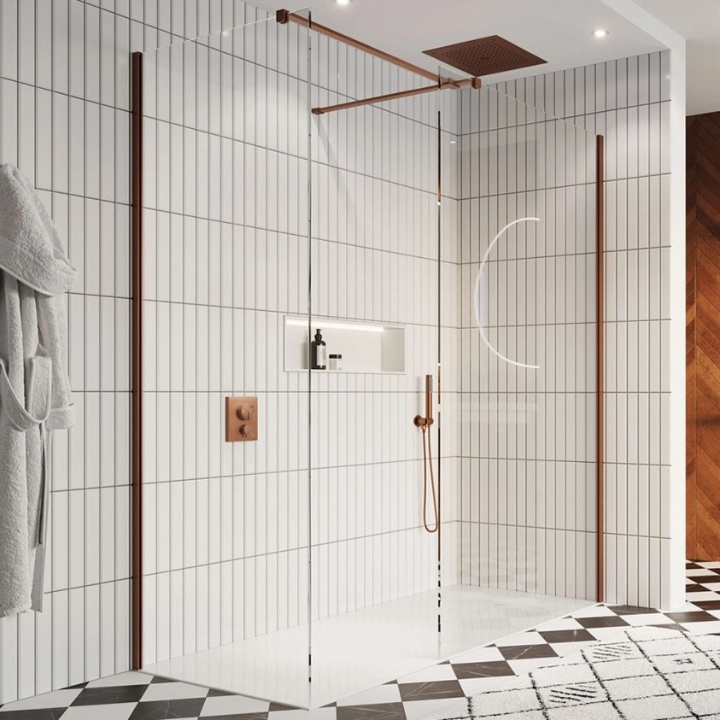
The shower is fast becoming the bathroom’s focal point. But as trends 3 and 7 show, wet rooms topped designers’ product forecasts, and walk-in showers topped manufacturers', suggesting that homeowners may be moving away from the humble shower cubicle or shower bath toward something more expansive.
“The showering area is becoming the ‘centrepiece’ of the bathroom for many customers, who make this area a key consideration in bathroom planning.”
- Emma Morris, Abacus Bathrooms
In practice, that means giving the shower more space and more thought. Eileen Slattery of MERLYN expects “greater emphasis on bigger showering spaces”, though she points out that “bathrooms come in every shape and size”, so the aim is products that “work optimally within their space”. Hidden storage is being factored in, too, because an open shower leaves nowhere to hide clutter. Andrea Denison has noticed “a growing trend towards shower niches”, and Kim Heslip expects shower niches and other integrated storage to help create “sleek finishes, with visual clutter kept to a minimum.”
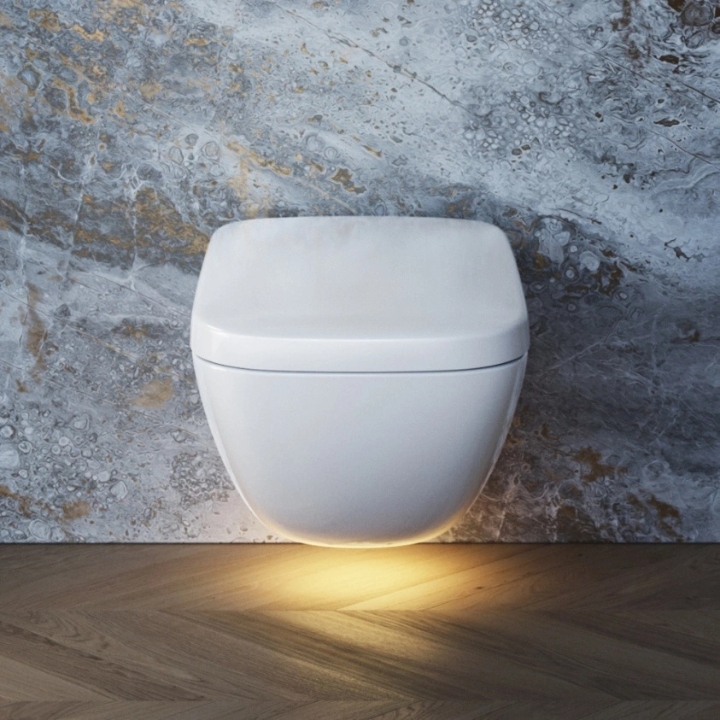
Toilets are getting more attention, too, but it seems performance matters more than many people realise. Geberit’s 2026 research, which surveyed more than 2,000 UK adults, found that 85% have experienced a toilet that failed to flush properly, a problem that often comes down to the type of flush system inside the cistern, and almost a third (31%) have been disappointed by a toilet’s performance after it was installed. More than four in ten (42%) also said flushing capability matters more than appearance. Sophie Weston of Geberit says consumers now expect a toilet to “flush effectively first time, keep the bowl cleaner and operate quietly, particularly during the night." With water conservation also becoming increasingly important, she adds, “consumers are no longer willing to compromise on performance”, and demand for high-performance, low-noise WC solutions is growing as a result.
“Built-in water efficiency is now part of the brief from day one.”
- Katie Weston, VADO
High performance isn’t only about the flush, either. Shower toilets, also known as smart toilets, are becoming far more affordable, and demand is rising as a result. Geberit is reporting significant growth since launching a model at £1,320 including VAT, and a third of the manufacturers we surveyed expect smart toilets to grow in 2027. For Liam Boyle of TOTO Europe, word of mouth is playing a big part: “As people learn more about the hygiene benefits, it is creating a ‘snowball effect’; the more people see them, the more they want them.” While they still sit at the higher end of the toilet price spectrum, our smart toilet buying guide can help you decide whether one is worth the investment for your bathroom.
Other Trends to Keep an Eye on in 2027
Alongside our top eight trends, some of our experts highlighted several other developments worth watching in 2027. Many echo what we’re seeing day to day at Sanctuary Bathrooms, from the products our customers ask about to the conversations our team has with them in our showroom and online. A common theme amongst them, as James Roberts, Director at Sanctuary Bathrooms, puts it, is that “customers are investing in comfort and in how the room makes them feel, not just replacing what has worn out.”
Hero Pieces and Statement Areas
While most of our experts favour curated, longer-lasting schemes, a bathroom doesn’t have to be understated throughout. Instead of filling a room with competing features, a single standout feature can give a bathroom personality while keeping everything around it streamlined. Interior designer Adam Knight favours the idea of “a hero feature within a room like a bright red vanity, or an interesting tiled shower.” It’s an approach that fits the ‘slow bathroom’ mindset, too, as a single statement is easier to live with and update than a whole scheme built around a trend.
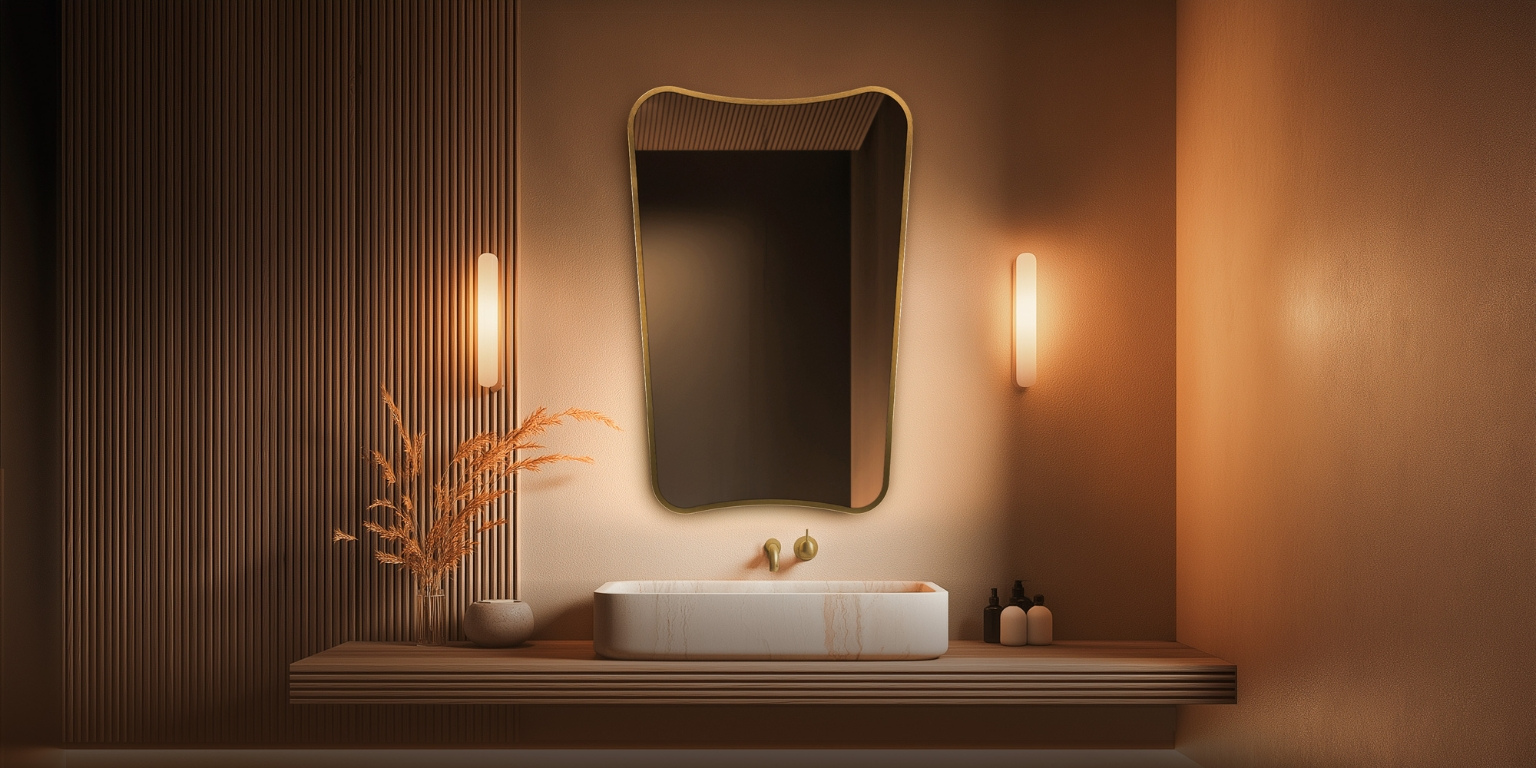
A hero piece doesn’t have to mean a major project, either. A statement mirror, a sculptural basin, or a decorative wall light can all add character without a full renovation, and these pieces are increasingly chosen for their presence as much as their function.
Home Saunas and Steam Rooms
A sauna in the home? It may seem like a far-fetched dream for many, but according to Jake Newport, CEO of Finnmark Sauna, home saunas are moving from niche to mainstream. He reports that the company’s sales and orders rose about 71% in 2026 compared with 2025, and Google search interest for ‘home sauna’ rose 50% year-on-year. Part of the reason is familiarity. “More people are experiencing it regularly and understanding why they enjoy having it as part of their routine, rather than viewing it as something reserved for an occasional spa visit,” he explains.
Saunas are also being planned in from the start, rather than squeezed in afterwards. “Previously, a lot of customers would decide they wanted a sauna and then work out where they could accommodate it,” says Newport. “Now, we’re increasingly brought into conversations much earlier, while people are renovating a bathroom or planning a dedicated wellness space.” That often means designing the whole room around it, with Erin Hickman noting that clients are “thinking about where they’ll cool down afterwards, whether there’s somewhere to sit and how private or open they want different parts of the room to feel.”
And it isn’t just saunas. Four of the 14 designers we surveyed picked steam showers or steam rooms as a growth area, a sign that spa-style heat is finding its way into everyday bathrooms.
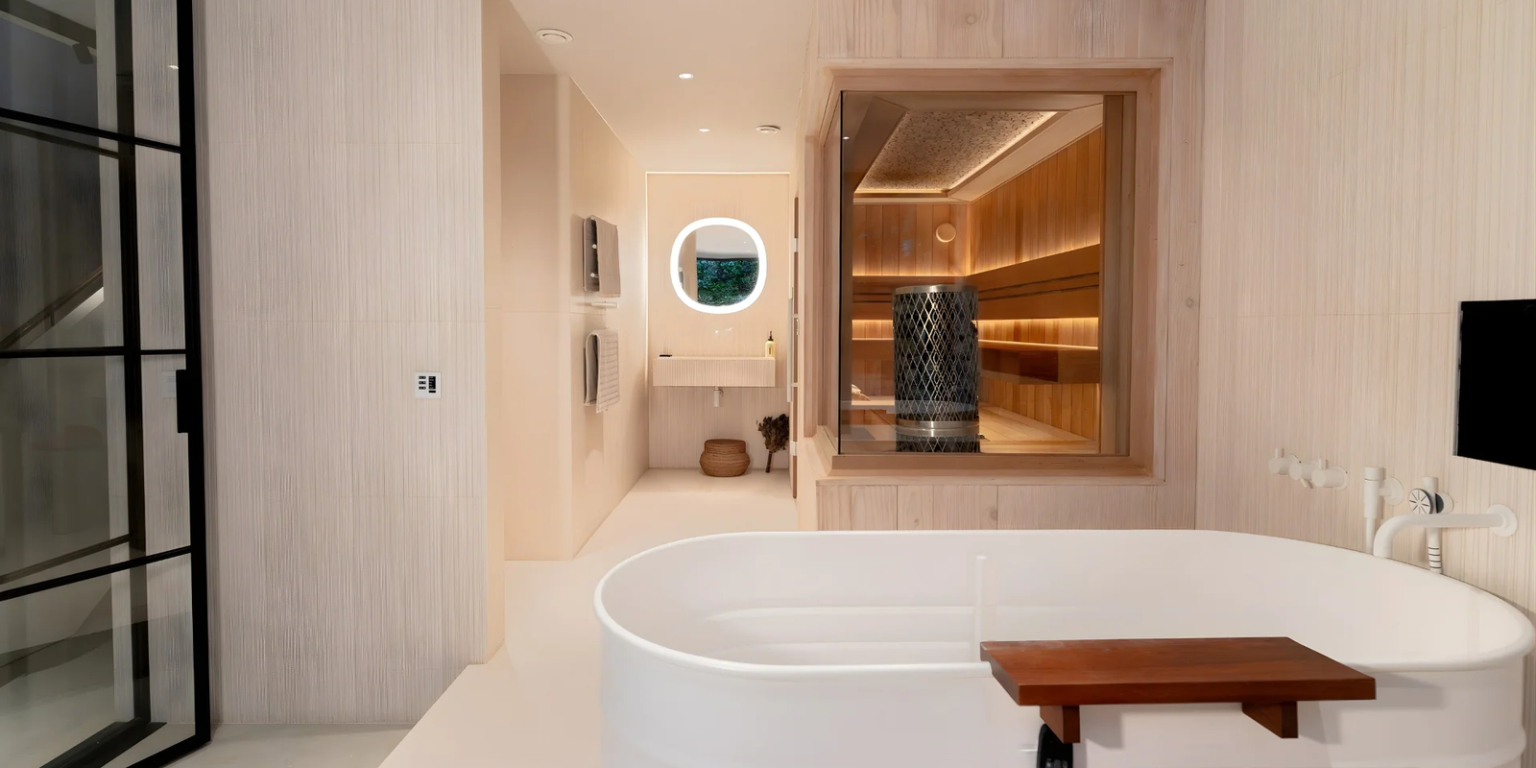
Image credit: Finnmark Sauna
Closed-Concept Bathrooms
Privacy is back on the agenda. After a period when open-plan ensuites, with baths in bedrooms or glass walls between sleeping and bathing areas, were popular, interior designer Peter Grech expects more “closed concept bathrooms - where the WC and shower are almost in separate rooms to maintain the highest levels of privacy”.
This layout makes particular sense in shared bathrooms and ensuites. Separating the toilet from the shower and basin lets two people use the room at once and helps contain noise and smells. In practice, that might mean tucking a WC behind a partition wall or pocket door, or enclosing a walk-in shower with textured or frosted glass for privacy without losing light.
Climate-Resilient Design
We identified this trend through our own research into keeping bathrooms cool without air conditioning, rather than through our trends survey, and we expect it to matter more and more in the years ahead. UK bathrooms have traditionally been designed to retain heat, but warmer summers are changing that. The Met Office has provisionally confirmed summer 2026 as the UK’s hottest on record, beating the record set just a year earlier. The English Housing Survey also found that 2.9 million households reported their home getting uncomfortably hot in 2023-24. Bathrooms, often compact and full of heat-generating features, can feel the effects more than most rooms, thanks to small windows, limited space, heavy tiling, and plenty of moisture, and the heat brings problems of its own, from sweating cisterns to mould.
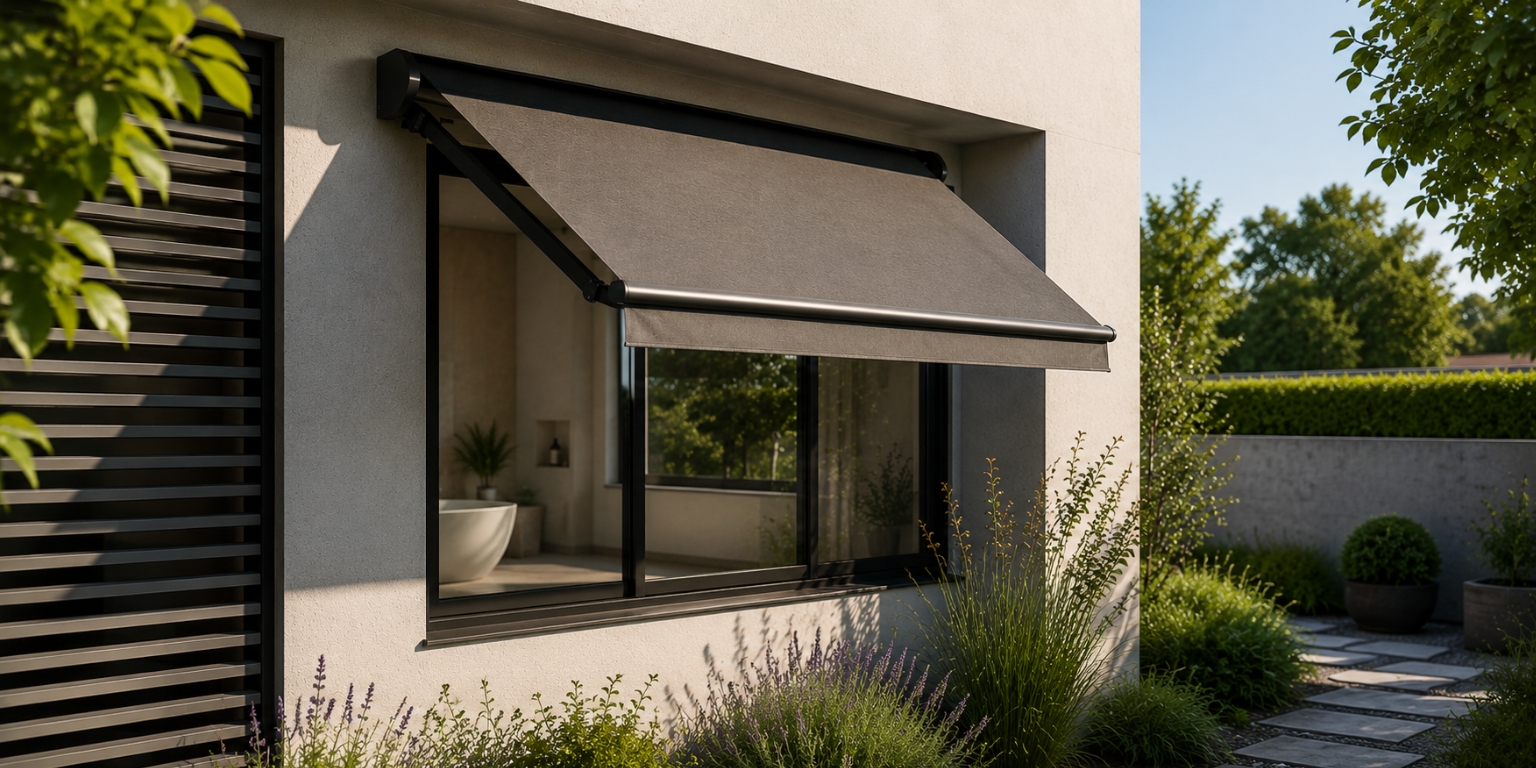
Air conditioning isn’t an easy fix either, as water and electrical rules make bathroom installation difficult, and for many, it just isn’t a feasible addition. Instead, climate-resilient design starts with passive measures that keep heat out and move air through the room. As such, we expect to see more external shading and internal shutters, secure night ventilation, and heated towel rails and underfloor heating put on separate controls so they can be switched off in hot weather. Many of these changes are easiest to build in during a renovation.
AI-Assisted Bathroom Planning
As we covered in our first trend, AI is making personalisation more accessible, letting homeowners experiment with colours, textures, brassware, and finishes. But it’s also changing how people research and decide on their bathrooms, and how much they trust marketing on its own. “More people are turning to AI tools to help them,” says James Roberts. “They ask questions like: ‘Will this shower tray fit my space?’ or ‘Which basin goes with this vanity?’ By using visualisers to see products in their own room, they compare options in minutes rather than weekends.”
That research can give a false sense of confidence, though. Farmiloes says, “customers now have the facility to do more research into bathroom products before they enter a bathroom showroom”, but warns this “can create confusion in some cases with products that look good on screen but fail to deliver in a working bathroom.” That makes seeing products in person and getting expert advice even more important. As Farmiloes puts it, consumers “want reassurance from retailers that they are buying the best products that their budget allows.”
James Roberts sums it up: “What they want from a retailer is confidence: accurate information, honest advice and reassurance that everything will work together.” That’s exactly where we can help. Our AI bathroom design guide shows you how to visualise your dream bathroom before you buy, and once you have a design you love, our sales team and 3D Bathroom Design Service can turn that AI image into a real bathroom, with products that match the look and genuinely work in your space.
Bringing 2027’s Bathroom Trends Home
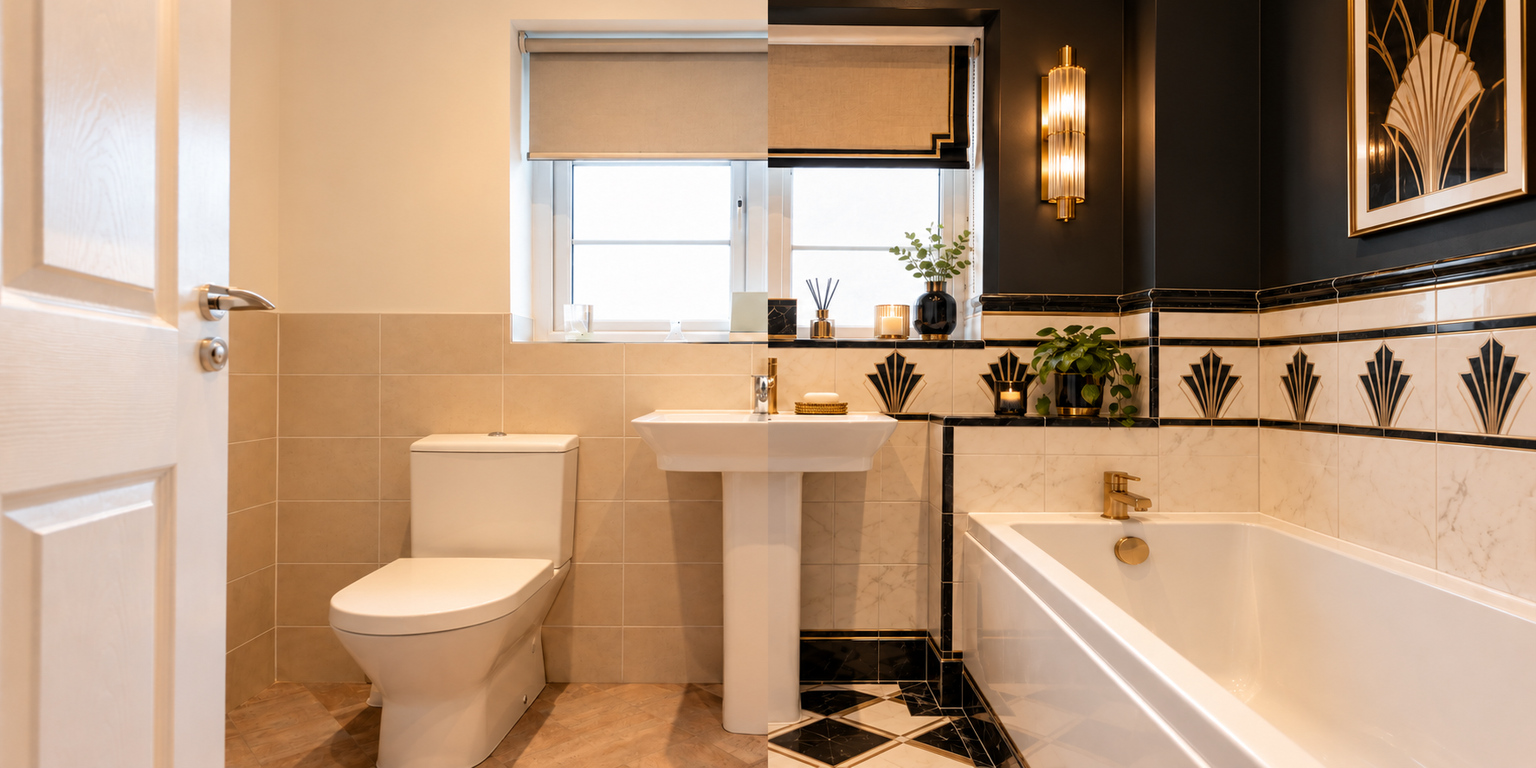
If there’s one thread running through this year’s report, it’s that the 2027 bathroom is warmer, more personal, and built to last, with every choice made around how you actually live. That covers our guide to the themes, colours, materials, and products that may influence your next bathroom project. If you’re in the process of a bathroom redesign and have been inspired, get advice by contacting our Sanctuary Bathrooms experts.
Methodology
Sanctuary Bathrooms surveyed 15 manufacturer and supplier respondents representing 14 organisations, including two respondents from Tissino, alongside 14 UK-based interior designers who work on bathroom projects. Manufacturers and suppliers were recruited directly through existing contacts at brands the retailer supplies, while designers were approached through UK outreach. Both surveys used Microsoft Forms, with fieldwork scheduled for 21 September–2 October 2026. Participation was voluntary and unpaid. Percentages show the share of substantive respondents selecting each answer, excluding blanks and “don’t know” or “not relevant” responses, so the base varies by question. Multiple selections were permitted where applicable. Findings reflect participants’ experiences and expectations, rather than representative UK market research. Some designers quoted in the blog provided separate commentary without completing the survey; they are not counted among survey participants, and their comments do not contribute to the quantitative results.


