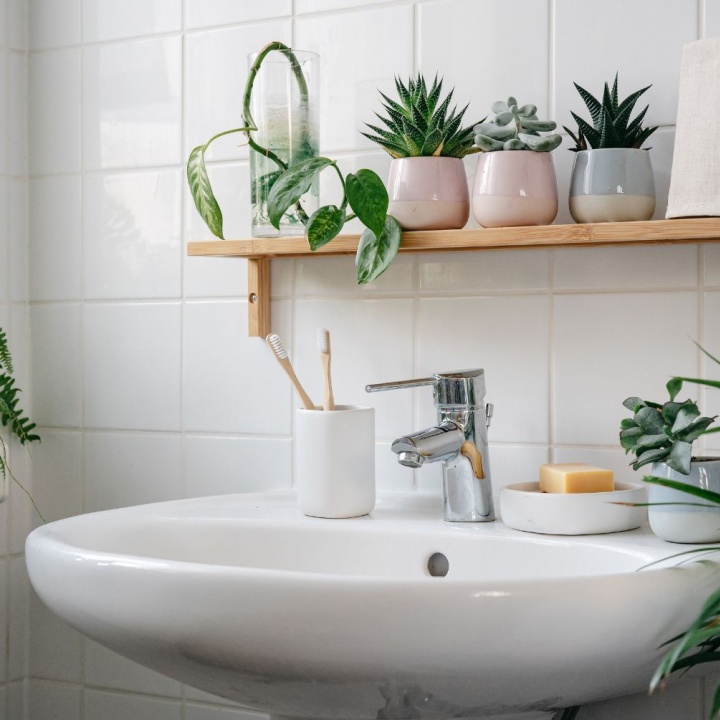
From tasteful potted plants to cascading curtains of tumbling ivy, a touch of greenery transforms your bathroom into a genuinely restorative space. But, with so many popular houseplants to choose from, finding the most suitable options requires a little know-how.
The truth is, not every plant species can handle the unique combinations of humidity, temperature fluctuations and lighting conditions that a UK bathroom presents. The good news, however, is that plenty can. What’s more, they won’t just survive - they'll thrive!
This guide introduces ten of the best bathroom plants for UK homes, along with everything you need to know about choosing and placing them. To help us on our journey in all things botanical, we’ll be joined by the following experts:
- Angharad James - Brand Manager at houseplant care producers, Baby Bio.
- David Nicholson - Senior Sales Manager at sustainable plant pot innovator, elho.
- Lucy Hook - plant expert and floral lead at flower delivery service, Bloom & Wild.
In this guide, we’ll cover:
- Benefits of Indoor Plants in Bathrooms
- How to Choose the Best Plant For Your Bathroom
- What Are The Best Plants For a Bathroom?
- Plant Placement Tips: How to Decide Where To Place Plants in Your Bathroom?
- What About Fake Plants?
- Found Your Perfect Plants?
Why Are Bathrooms Good For Plants?
First off, let’s understand the why. Specifically, why is the bathroom one of the ideal places in the home for plants to thrive? Well, there are many reasons bathrooms are good for plants, but don’t just take our word for it. Here’s what each of our experts had to say on the matter.
Angharad James at Baby Bio states that, "Bathrooms naturally create a mini microclimate that many houseplants love. The regular steam from showers and baths increases humidity levels, while the typically stable temperatures help mimic tropical environments where many popular houseplants originate. Compared to living rooms or bedrooms, which can often be dry or affected by central heating, bathrooms provide a more consistent and plant-friendly atmosphere."
This is a point worth dwelling on. Indeed, central heating can decrease the air’s capacity to hold moisture, therefore dropping a room's relative humidity. Bathrooms, by contrast, offer a natural refuge from all that, thanks to the high humidity generated by hot baths and steamy showers.
David Nicholson at elho points to the physical characteristics of bathrooms: "Bathrooms also tend to be smaller, more enclosed spaces, which allows plants to benefit from consistent warmth and moisture levels. When paired with the right planter or pot, it's an easy way to create a lush, spa-like feel at home."
It's a view shared by Bloom & Wild’s Lucy Hook, who notes that bathrooms are often underestimated as a home for greenery: "It can actually be the perfect environment for some plants. All plants have different care needs, and there are some that thrive in low to medium light but high humidity —so perfect for the bathroom."
Benefits of Indoor Plants in Bathrooms
Just as they do in the wild, bathroom plants give as well as take. Even as they enjoy the benefits of dwelling within your bathroom, plants will, in turn, benefit both the surrounding space and the human inhabitants within. Here are just a few excellent reasons to introduce some natural greenery.
Improved Mood and Reduced Stress
Much like the sinewy tendrils of a spider plant or the plump, rounded leaves of a flourishing peace lily, the evidence base for the mental health benefits of indoor plants is robust and growing. A peer-reviewed study published in the Journal of Physiological Anthropology found that interaction with indoor plants measurably reduced physiological and psychological stress. Specifically, participants showed reduced sympathetic nervous system activity and lower diastolic blood pressure, along with self-reported feelings of tranquillity and naturalness.
Natural Fragrance and Decoration
Beyond their health benefits, bathroom plants add a sensory element that's hard to achieve through décor alone. Certain species release subtle natural fragrances that are amplified by the warmth and steam of a bathroom, turning an ordinary shower into something far more indulgent. Meanwhile, their biophilic designs bring organic shape and texture that no artificial accessory can quite replicate - often at a fraction of the cost!
Regulate Excess Moisture
Excess moisture is one of the most commonly faced bathroom challenges. It creates ideal conditions for mould and mildew to take hold, particularly in poorly ventilated bathrooms. If cleaning bathroom mould is an all-too-common occurrence, plants offer a natural line of defence.
Angharad James explains how: "Plants are natural dehumidifiers, as they absorb water from their surroundings through their leaves and then release it back into the air through transpiration.” She further adds, "plants that originate from tropical or rainforest environments benefit the most," noting that these “are well adapted to absorb moisture from the air as well as through their roots, so the added humidity helps keep their foliage lush and healthy, preventing issues like browning of leaf tips."
David Nicholson echoes this, noting that "plants with tropical origins tend to thrive in bathroom environments as they benefit from increased moisture. This helps maintain their foliage and reduces the risk of dry, crispy leaves. Trailing plants in particular respond well, as the humidity in the air supports consistent growth and keeps them looking full and healthy - ideal for creating a more immersive, plant-filled space."
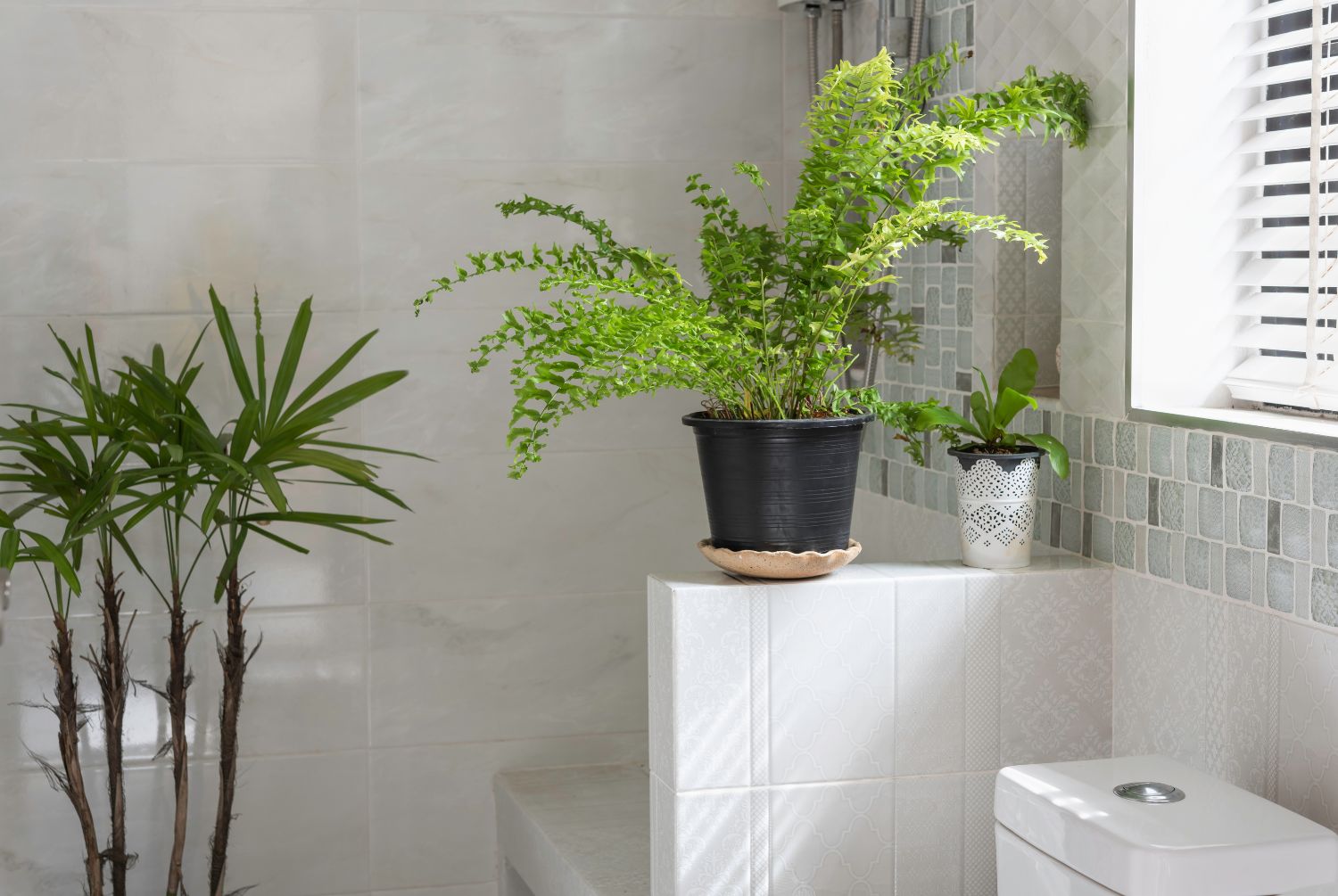
How to Choose the Best Plant For Your Bathroom
Finding the right bathroom plant isn't simply a case of picking something that looks good and hoping for the best. Bathrooms present a unique set of growing conditions -fluctuating humidity, variable temperatures, and often limited natural light - and different species respond to those conditions in very different ways. Before making your choices, it's worth considering the following:
Assess Light Levels
Light availability is the single most important factor when selecting bathroom plants. Different plants require different levels of light, so it is important to assess the lighting in your bathroom. Bathrooms with large windows and plenty of natural light can support a much wider range of plant life. Darker rooms, or even those with no windows at all, call for shade-tolerant species that have evolved to cope with very low light.
This is especially relevant in the UK, where natural daylight can be in short supply for much of the year. Angharad James notes that, “light is often the biggest limiting factor in UK bathrooms. Many don't have large windows, and natural daylight can be limited, especially in winter months. This means it's important to choose plants that tolerate low to moderate light."
To combat this, David Nicholson suggests that "if your bathroom is particularly dark, consider rotating plants into brighter rooms occasionally to help them recover and continue growing. Positioning is also key - placing plants as close to natural light sources as possible can make a big difference, even in smaller spaces."
Consider Available Space
Next up, consider the proportions of your space carefully. In smaller bathrooms, lean towards smaller plants that won’t overcrowd the room or make it look busy. For larger interiors, you can add taller plants in different shapes to create architectural presence and vertical interest. In bathrooms with limited surface space, hanging plants are an elegant and practical alternative.
Evaluate Humidity Levels
A high-traffic family bathroom will generate considerably more moisture than a rarely used guest bathroom. Plants for bathroom environments with consistently high humidity will revel in steamy conditions, while more drought-tolerant species prefer a slightly drier, better-ventilated space.
However, even humidity-loving plants need good airflow to stay healthy. Angharad James explains: "Ventilation is still very important even for humidity-loving plants. While they enjoy moisture in the air, still conditions can lead to problems such as mould growth, fungal diseases and root rot. Opening a window regularly or using an extractor fan helps maintain a healthy balance, ensuring plants benefit from humidity without sitting in overly damp, stale air."
Lucy Hook concurs, adding: "Without airflow, excess moisture can linger, which may lead to rotted roots and soil mould - as well as mould on bathroom walls and surfaces around the plants."
Take Into Account Maintenance
Like any other living thing, a plant is a responsibility that requires dedicated care and attention. You should always choose plants that align with your lifestyle, taking into account how much time you can realistically spend maintaining them. If you travel frequently or prefer a more hands-off approach, go for inherently low-maintenance species. If you enjoy the ritual of tending to plants, more demanding varieties will reward the effort you put in.
It's also worth being mindful of how bathroom conditions can change the care routine. As Angharad James cautions, "One of the most common mistakes is overwatering. Because the air is already humid, plants don't dry out as quickly, so they often need less frequent watering than those in other rooms."
Think About Décor Style
Plants ought to feel like a considered part of your bathroom's design, not an afterthought. Select plants that complement the aesthetic of your bathroom. Sleek, modern bathrooms may benefit from minimalistic plants; traditional bathrooms are natural homes for dramatic, eye-catching statement plants.
What Are The Best Plants For a Bathroom?
Now for the fun part. Ten plants, ten personalities, one very humid room. The species below cover everything from the near-indestructible to the genuinely spectacular. Whatever your bathroom’s style, there's something on this list to match it.
1. Air Plants (Tillandsia)
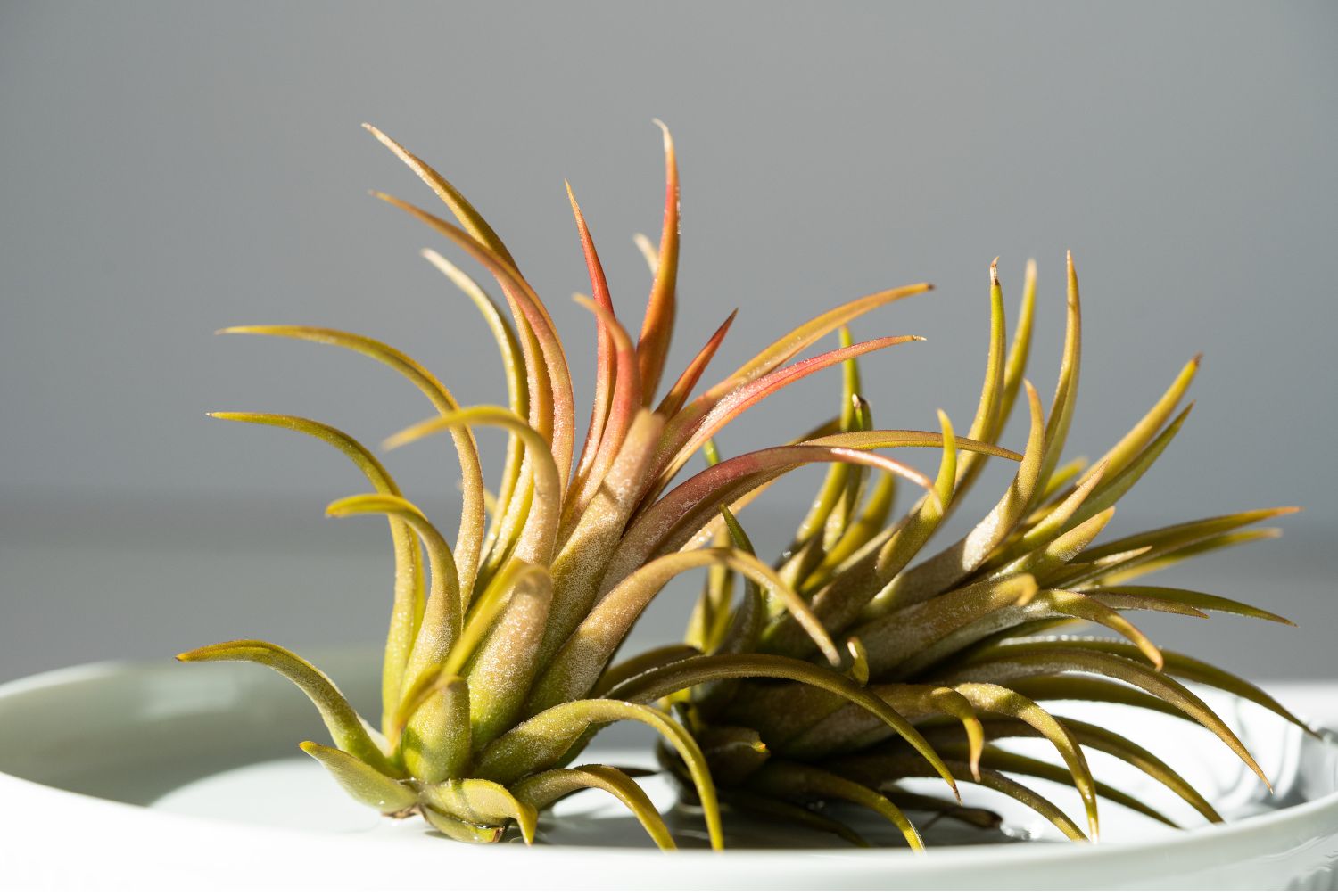
Air plants are arguably the most intriguing of all bathroom plants, and certainly the most unconventional. Also known as Tillandsias, they rank amongst the most low-maintenance of houseplants, particularly thriving in bathrooms with windows and natural light.
Air plants require no soil whatsoever; instead, as their name suggests, they draw the moisture and nutrients they need directly from the surrounding air. This makes them exceptionally well-suited to bathrooms, where ambient humidity levels sit comfortably within their preferred range of 40–60%. They thrive at temperatures between 10–32°C and can adapt to bright artificial lighting in the absence of natural sunlight. Display them on shelves, inside glass terrariums, or mounted directly onto walls for a striking, contemporary look.
2. Spider Plants (Chlorophytum comosum)
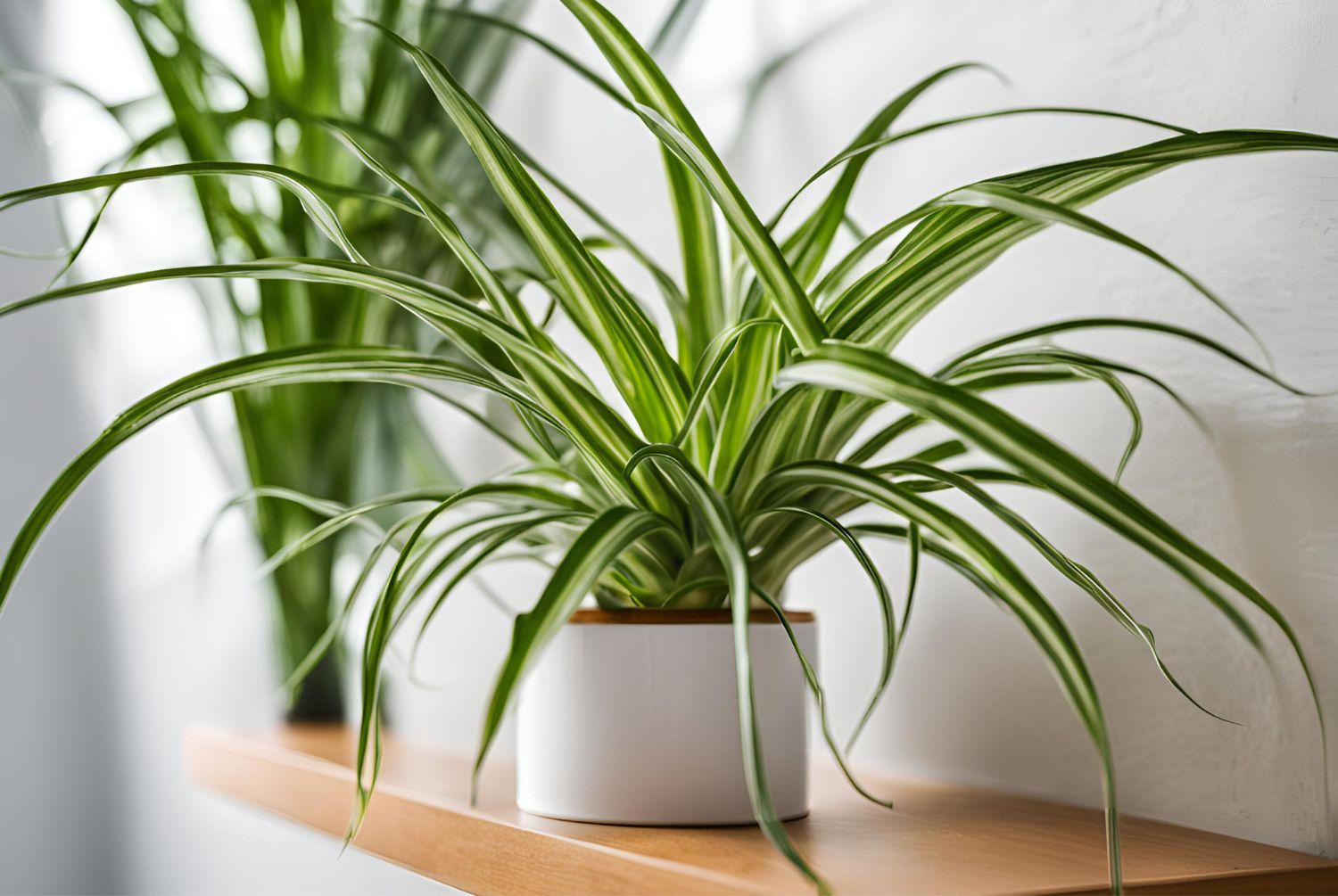
One of the most popular house plants in the UK for good reason, the spider plant, AKA Chlorophytum comosum, is a remarkably forgiving and highly adaptable pot-bound plant.
Spider plants can tolerate low light and variable temperatures with ease, and their well-documented air-purifying properties make them particularly useful in enclosed bathroom spaces. Arching, variegated leaves add an appealingly informal quality to bathroom shelves and bathroom cabinets, while trailing offshoots - or ‘spiderettes’- work excellently in hanging pots.
3. Ferns (Nephrolepis exaltata)
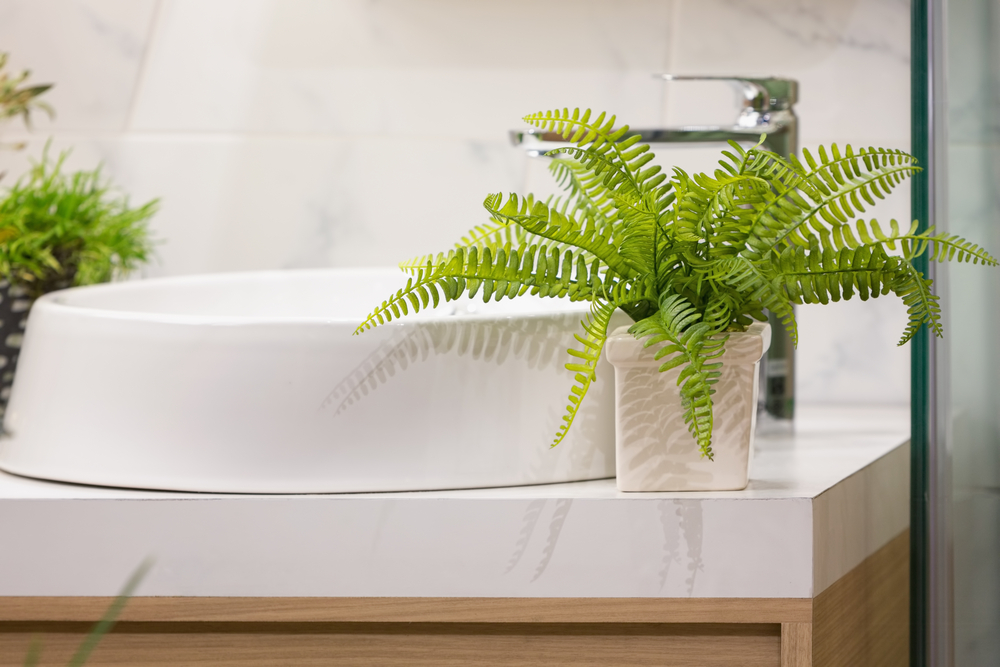
Few plants feel more naturally at home in a bathroom than a fern. They love moisture, thrive in high humidity, and even help reduce the potential for mould and mildew, making them an obvious fit for the steamiest room in the house.
The Boston fern (Nephrolepis exaltata), sometimes called the ‘sword fern’, is perhaps the most widely grown variety. It’s also one of the most effective moisture absorbers, equipped with an arsenal of fluffy fronds that actively draw water vapour from the air. For those seeking something a little different, the bird's nest fern (Asplenium nidus) offers a more architectural quality, with broad, glossy fronds that suit contemporary bathroom schemes. Both varieties prefer indirect light and consistently moist conditions, though they don’t enjoy being totally waterlogged.
4. Orchid (Orchidaceae)
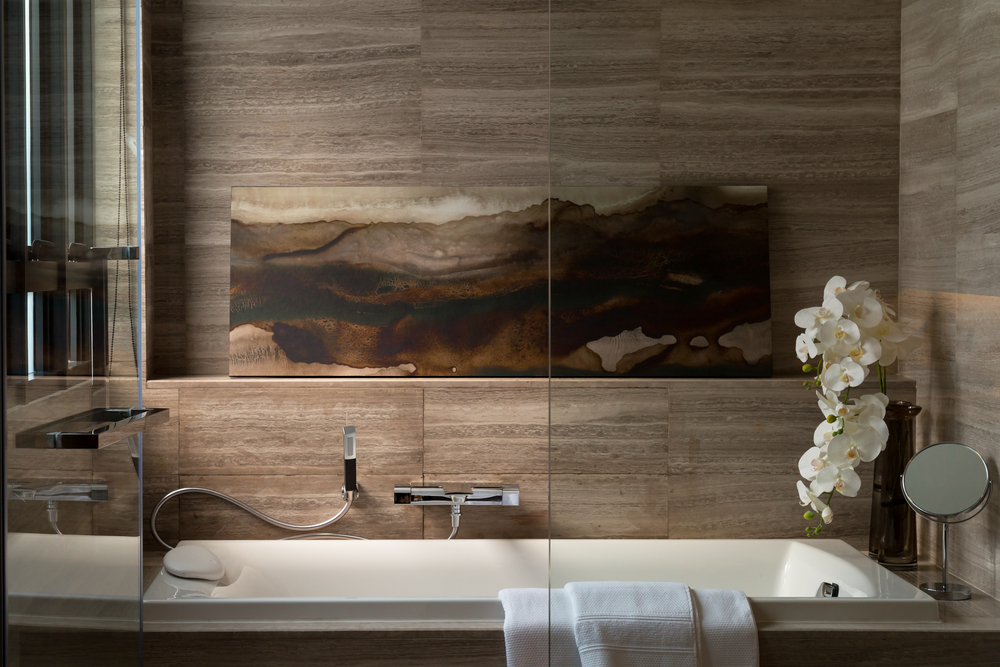
Orchids aren't commonly thought of as a bathroom plant, but they certainly should be. After all, if you’re looking for something genuinely spectacular, a flowering orchid in all its unfurled glory is pretty hard to beat. Their tropical origins mean they respond well to the warmth and humidity of a well-used bathroom, while heavy air moisture helps prevent the dreaded root dryness that’s so often the scourge of frustrated orchid enthusiasts.
Angharad James is a particular advocate: "Orchids are a brilliant choice for your bathroom because they naturally love humid environments - so all that steam from your shower actually helps them thrive! It's a simple way to create the kind of conditions they'd get in the wild, which means you're more likely to enjoy healthy plants and long-lasting blooms without too much effort. Bathrooms can provide the consistent warmth and moisture orchids need, especially compared to drier rooms in the home. Just make sure they still get some indirect light, like from a windowsill or a bright shelf."
Lucy Hook is equally enthusiastic, noting that, "orchids are great in bathrooms. They require very little sunlight, and due to them being native to tropical environments, the humidity levels in a bathroom keep them plenty hydrated, making them easy to keep healthy". She further adds that orchids, "will add an instant pop of colour to any bathroom."
Orchids prefer bright, indirect light, so a bathroom with a frosted or east-facing window is ideal. They require watering approximately once a week, or more frequently if placed in direct sunlight. Remember to check the leaves frequently - if they feel warm to the touch, the plant needs water. Though more demanding than most bathroom plants, orchids repay the extra care many times over with their extraordinary blooms.
5. Lucky Bamboo (Dracaena sanderiana)
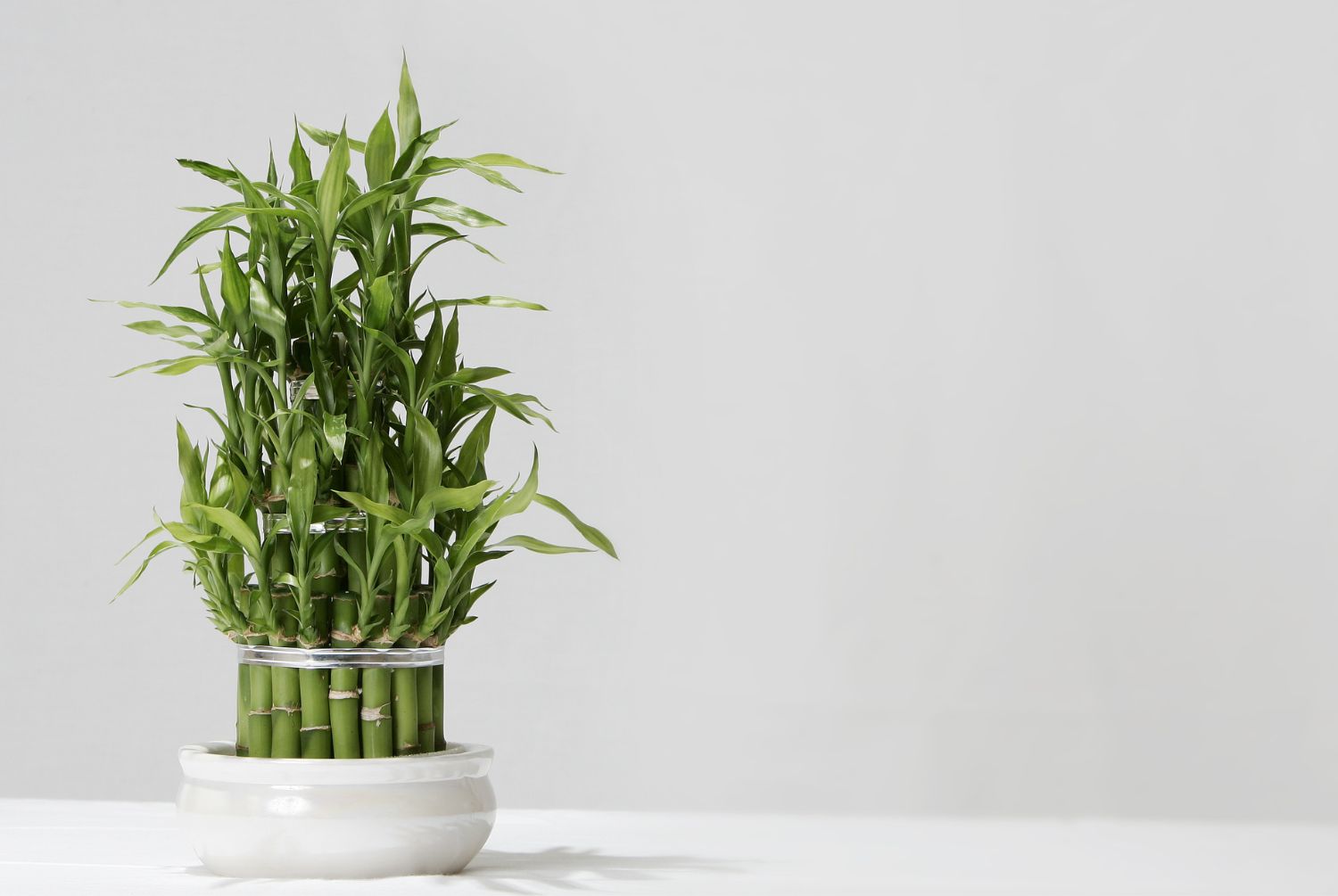
Bringing a calming, almost meditative quality to the bathroom, bamboo is an excellent, low-maintenance choice for bathroom plants.
Bamboo can be grown in water alone, which simplifies care considerably. Furthermore, its upright form suits both sparsely modern and more eclectic aesthetics equally well. A word of caution, however: bamboo can be susceptible to mould in poorly ventilated bathrooms. Ensure adequate airflow, particularly if your bathroom runs warm.
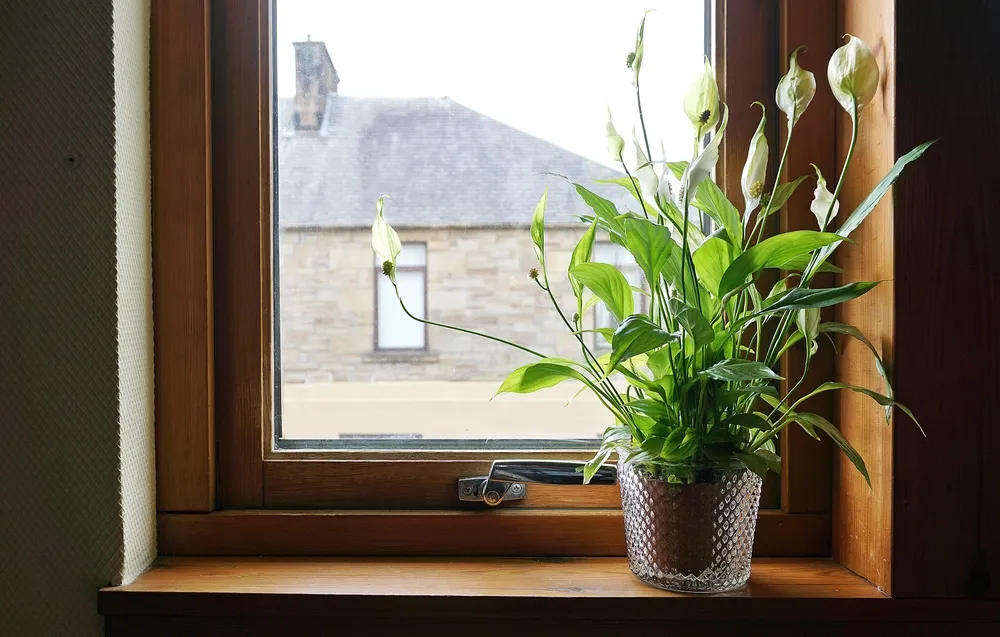
6. Peace Lily (Spathiphyllum)
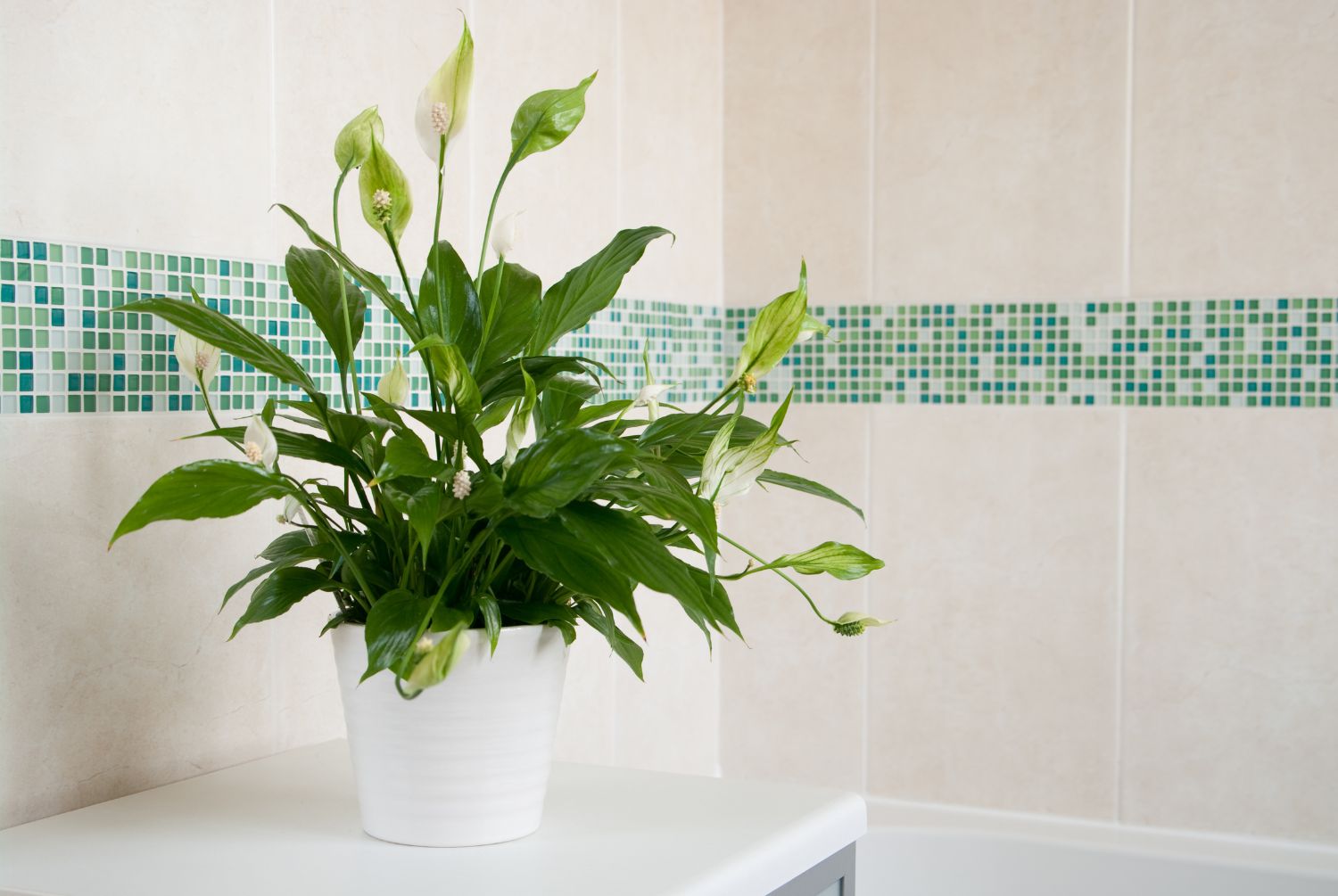
The peace lily is one of the best plants for bathroom spaces with limited natural light, making it an exceptionally valuable choice for UK homes where the natural light can be in short supply for much of the year.
It prospers in low-to-moderate light, tolerates humidity fluctuations gracefully, and prefers the consistently moist soil that a bathroom environment provides. The elegant white flowers are a visual bonus, adding a refined, hotel-like quality to the space. Peace lilies are also among the most effective air-purifying bathroom plants, actively removing common household toxins.
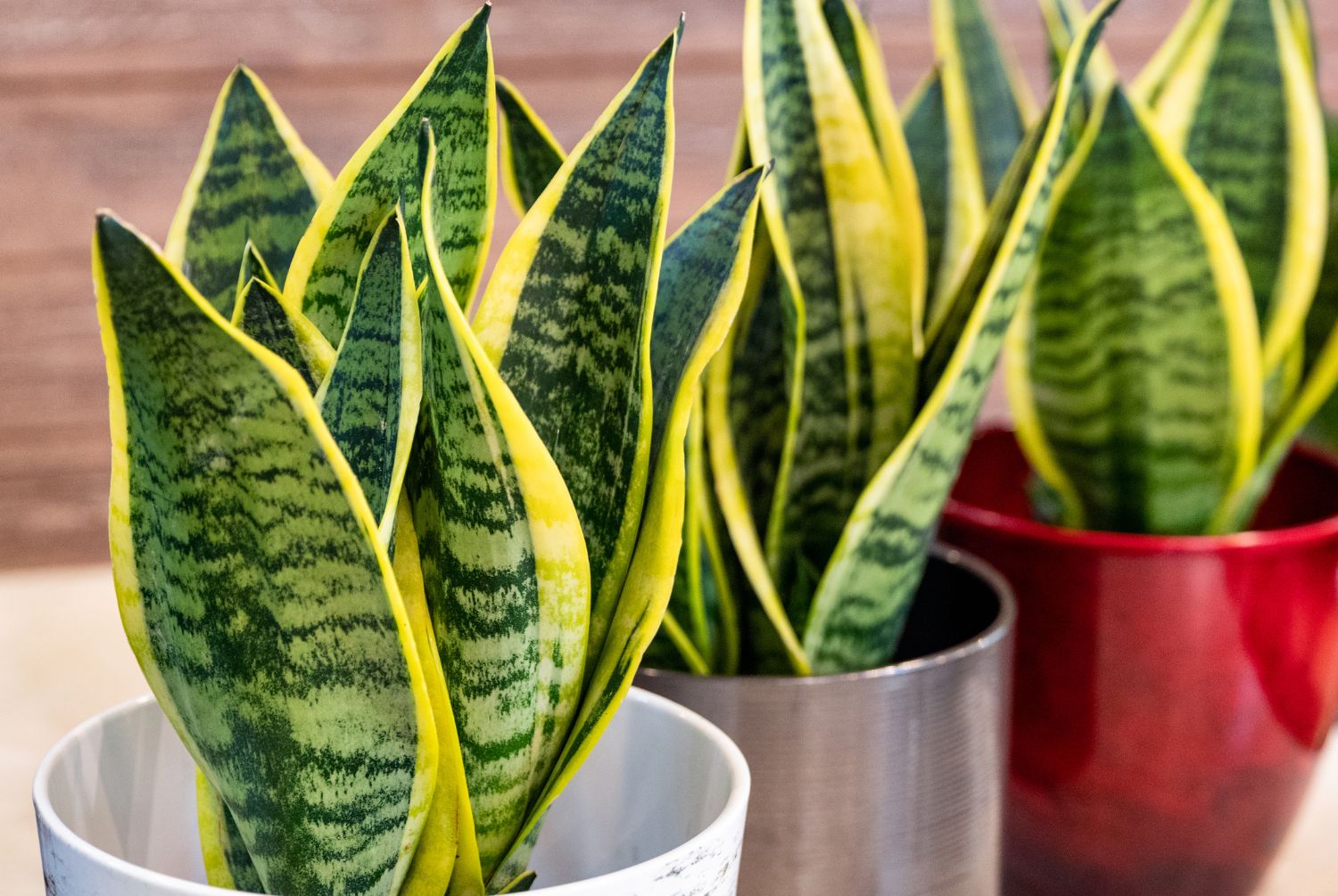
7. Snake Plant (Dracaena trifasciata)
The snake plant is arguably the most architectural of all the bathroom plants. Its tall, sculptural leaves rise with clean vertical lines, complementing contemporary bathroom design particularly well.
Snake plants tolerate very low light levels comfortably, making them perfect for bathrooms without any windows. They also flourish in high humidity, require very little watering, and are virtually impossible to kill through neglect – ideal for frequent travellers!
Lucy Hook explains that snake plants, "can go two weeks at a time without watering". She further states: "the humid environment found in a bathroom will provide them with a lot of the water they need."
Due to their impressive height, snake plants work especially well when positioned in corners. From there, they add a strong presence without encroaching on usable floor space.
8. Aloe (Aloe vera)
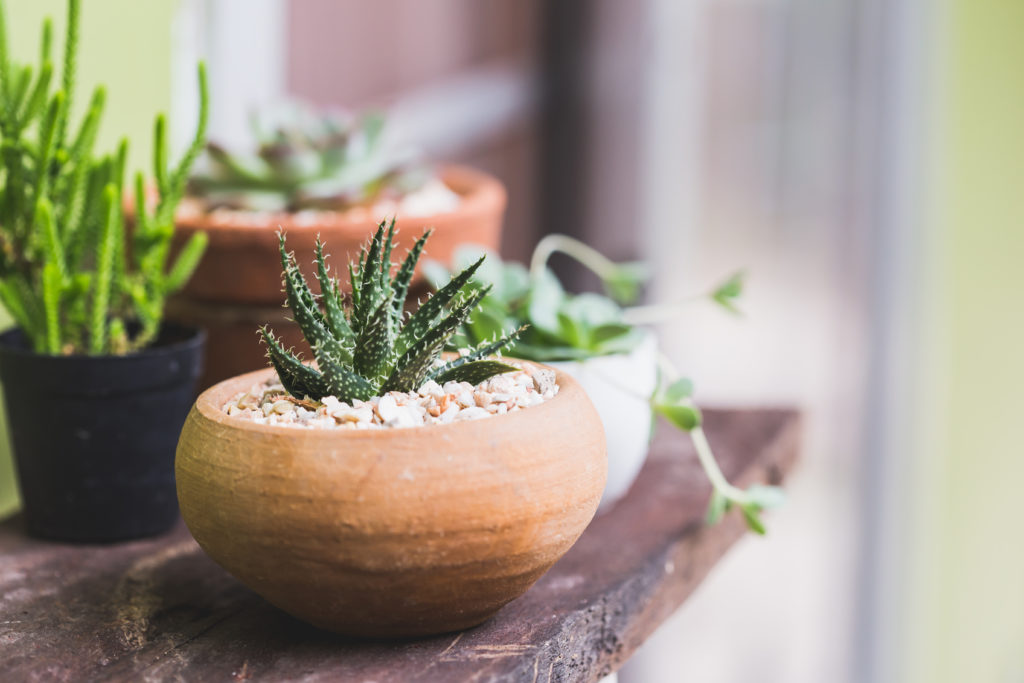
Aloe vera occupies an interesting middle ground. A succulent by nature, it’s more drought-tolerant than many bathroom plants. Even so, aloe vera still responds well to the bathroom's ambient humidity, reducing the need to water it.
With its preference for bright, indirect light, aloe vera adapts well to bathrooms with sufficient natural or artificial illumination. Its compact size makes it a sensible option for bathrooms with limited space, fitting easily on windowsills or countertops.
9. English Ivy (Hedera helix)
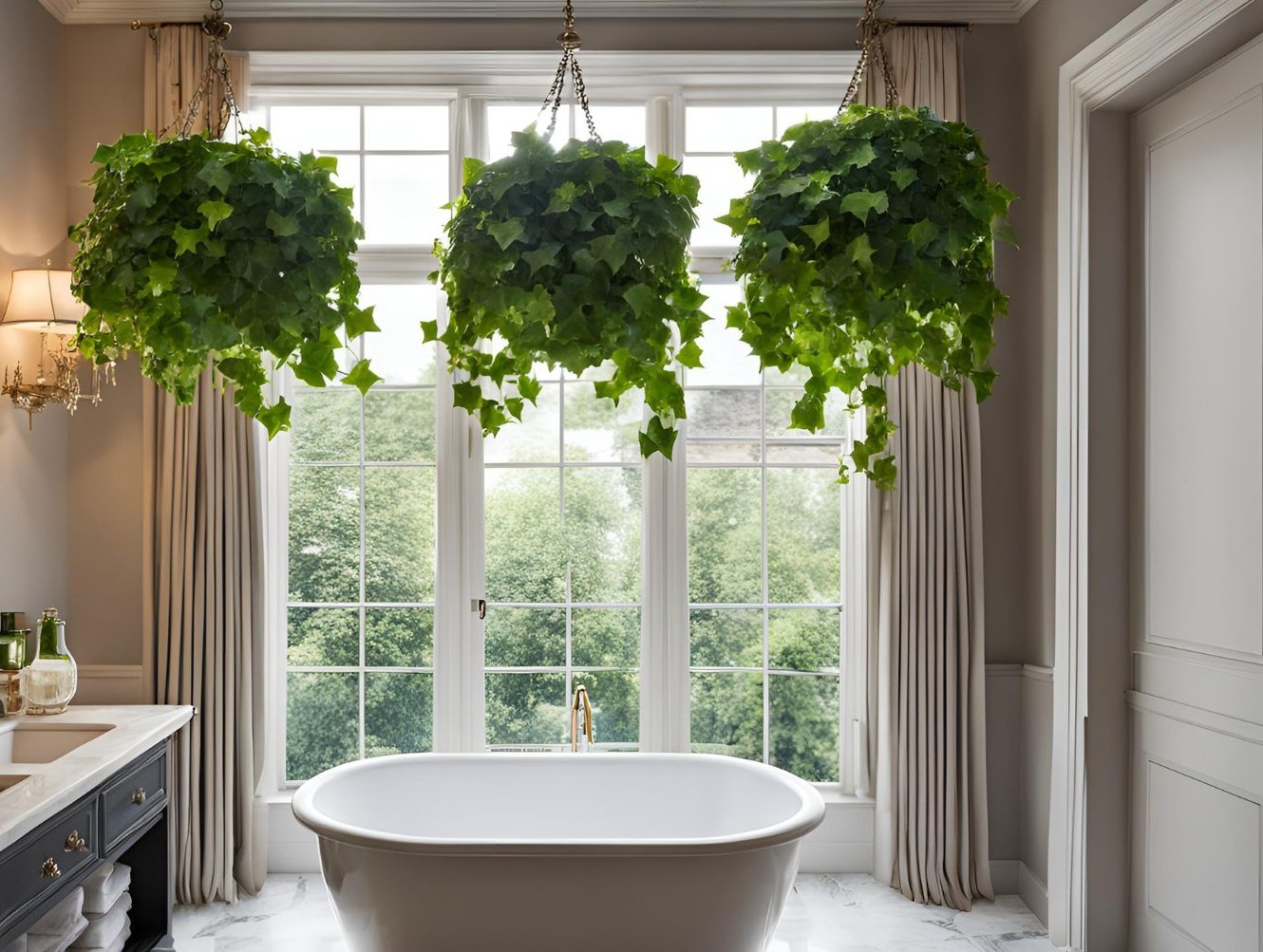
English ivy is one of the most versatile and atmospheric bathroom plants. Its trailing habit makes it a natural hanging plant, cascading beautifully from high shelves or ceiling hooks to soften the hard lines of your tiles and sanitaryware. It tolerates low light and a broad range of temperatures, copes well with humidity, and serves as one of the more effective air-purifying species.
With minimal maintenance required (an occasional trim will keep it in check), English ivy fits the bill nicely for those wanting an easy-care option for their bathroom.
10. Devil’s Ivy (Epipremnum aureum)
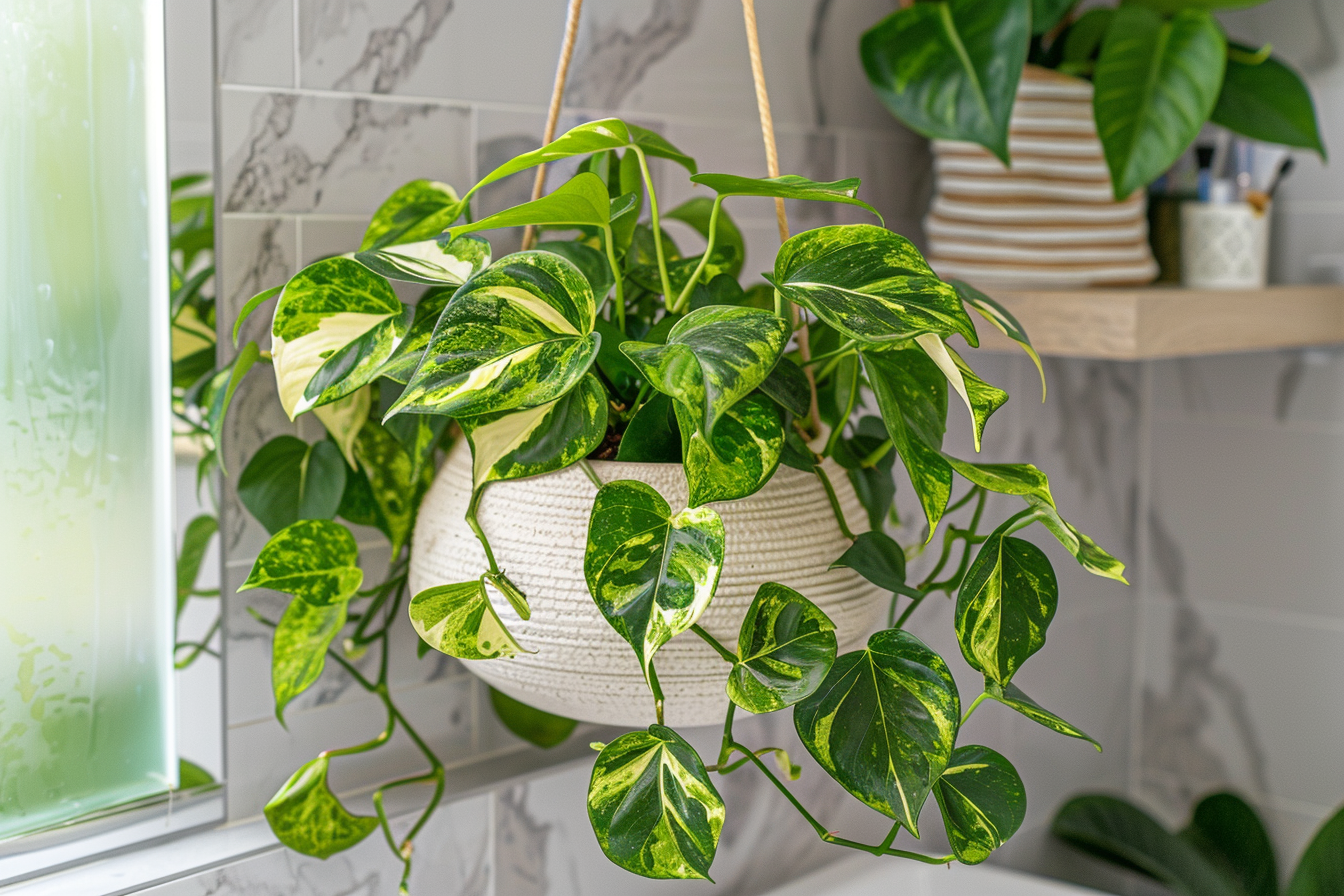
The devil's ivy plant definitely earns its reputation as one of the toughest and most adaptable of all bathroom plants. It’s capable of thriving in the warm, steamy conditions directly adjacent to a shower enclosure, where other species often struggle to survive.
Devil’s ivy is adorned with glossy, heart-shaped leaves that trail generously, making it an excellent hanging plant for bathroom environments. It tolerates a remarkably wide range of light conditions, from bright indirect light to near-total darkness. If you're looking for the best plants for bathroom spaces with no light, devil's ivy is one of the very few species that will genuinely cope. It grows quickly and enthusiastically, so a little regular pruning will keep it looking its best.
Lucy Hook is a particular fan of the ‘marble queen pothos’ variety, noting that, "they're very hardy and forgiving. They don't need much attention to survive, so they're the perfect plant for those who can be a little forgetful." She adds: "not only are these plants lovely to look at and easy to care for, but they also have air purifying powers. So don't be surprised if you start feeling even more refreshed after your showers."
Plant Placement Tips: How to Decide Where To Place Plants in Your Bathroom?
Choosing the right plant is only half of the equation; where you place it matters just as much. The wrong spot can leave a light-loving species languishing in a dark corner, or a gorgeous addition stranded out of sight. The following tips will help you position your bathroom plants for maximum impact.
Use Natural Light as Your Guide
Begin with your light sources and work outward. Orchids, aloe vera, and air plants should sit closest to windows where they can access bright, indirect light. Spider plants and peace lilies perform well at greater distances from the light source, while snake plants and devil's ivy can be positioned in the furthest, dimmest reaches of the room.
Think Vertically
Bathrooms are often limited on surface space, which makes vertical thinking essential. Hanging plants for bathroom use - spider plants, ivy, and devil's ivy - are ideally suited to hooks, ceiling mounts and high shelves, freeing up countertop space while adding greenery at eye level and above.
David Nicholson agrees that using vertical space is key, particularly in smaller bathrooms: "Hanging planters allow you to introduce greenery without cluttering surfaces, which is especially useful in busy family bathrooms or compact ensuites."
Layer Heights and Textures
A combination of tall bathroom plants (snake plants and bamboo), mid-height species (peace lilies and ferns), and smaller plants (air plants and aloe vera) creates a layered, considered look that feels deliberately styled.
Use Shelves, Windowsills and Vanity Units
Bathroom shelving and vanity units offer natural display opportunities for smaller potted and hanging plants. Grouping plants of varying heights and textures together creates visual interest, and positioning moisture-loving species close to the shower or bath - where humidity levels peak - will help them flourish with minimal additional care.
What About Fake Plants?
Before we conclude, it’s worth addressing the appeal of fake plants. Artificial greenery has improved enormously in quality and can look convincingly realistic in the right setting. For bathrooms with no natural light whatsoever, or for those who simply don't want the responsibility of plant care, fake plants offer a maintenance-free way to introduce some visual softness.
However, as discussed, real bathroom plants provide numerous benefits that no artificial alternative can replicate, from reducing stress and regulating excess moisture to introducing natural fragrance. Simply put, if your bathroom has any natural light at all - even indirect - a real plant will reward you in ways a fake one simply cannot.
Found Your Perfect Plants?
Bringing plants into your bathroom is one of the simplest and most rewarding ways to elevate the space. Whether you're working with a sun-drenched ensuite or a windowless cloakroom, there's a plant on this list that will thrive in your conditions.
Once you've found your perfect plants, the right bathroom furniture will give them the setting they deserve. Browse our full collection to find vanity units, mirror cabinets and other storage pieces to complement your new greenery - or get in touch with our team for expert advice on designing your ideal bathroom from the ground up.


