Smart Toilets Buying Guide: What Are Japanese & Shower Toilets?
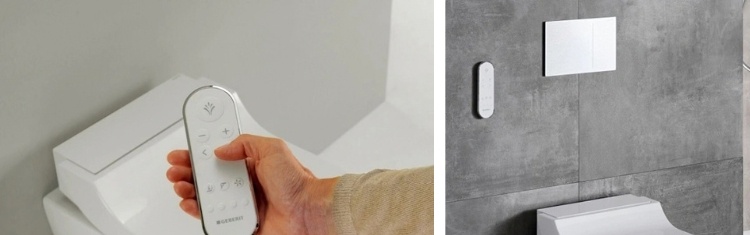
Digital showers that remember your favourite temperature, heated mirrors that never steam up, sensor taps that switch on with a wave of the hand… the humble UK bathroom has come a long way in technology over the last decade or so. The toilet, however, has traditionally been a little slower to catch up with its fellow bathroom fixtures. Until now, that is, for the Age of the Smart Toilet is upon us.
In this guide, we'll explain what a smart toilet is, how it works, and what your bathroom needs to support one, so by the end, you'll know which option fits your space and, most importantly, your budget.
- What is a Smart Toilet?
- How Does a Smart Toilet Work?
- What's the Difference Between a Smart Toilet, Shower Toilet, and a Japanese Toilet?
- What Features Do Smart Toilets Have?
- What Are The Benefits of a Smart Toilet?
- What Are The Disadvantages of a Smart Toilet?
- Can You Install a Smart Toilet in a UK Bathroom?
- How Much Does a Smart Toilet Cost?
- Smart Toilet Running Costs
- Is It Worth Getting a Smart Toilet?
What is a Smart Toilet?
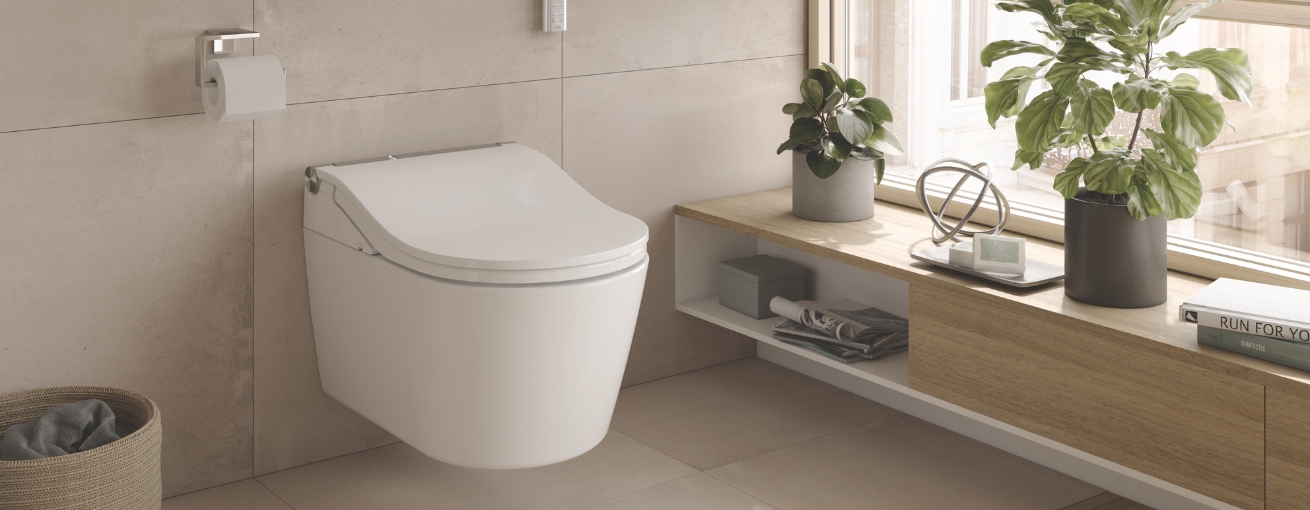
A smart toilet is an electronic toilet packed with features that make everyday use more comfortable and hygienic. At its heart, though, it's a bidet toilet, which includes a built-in wash function that cleans you with a gentle spray of water. Think of smart toilets as bidet toilets with an added layer of technology to streamline bathroom design.
While the classic standalone bidet is thought to have originated in 18th-century France, smart toilets are closely associated with Japan. In fact, they’re quite commonly referred to as ‘Japanese toilets’ even now. This is largely thanks to Japanese company TOTO, whose groundbreaking Washlet, launched in 1980, brought them into the mainstream. Equipped with a warm-water washer, a dryer, and even a heated seat, the Washlet set the template for the high-tech smart toilets we know and love today.
Though they might be associated with luxury hotels and high-end homes here, in Japan they're the norm - over 80% of households now have a smart toilet or electronic bidet seat equivalent. And the rest of the world is catching up: TOTO alone has now shipped over 70 million Washlets, with demand growing across Europe, the Americas, and Asia.
How Does a Smart Toilet Work?
Despite the name, the toilet itself often isn't the smart part. On many models, the toilet is a ceramic pan like any other, and the toilet seat does the clever work, with the wash nozzle, water heater, dryer, and controls housed inside the seat unit.
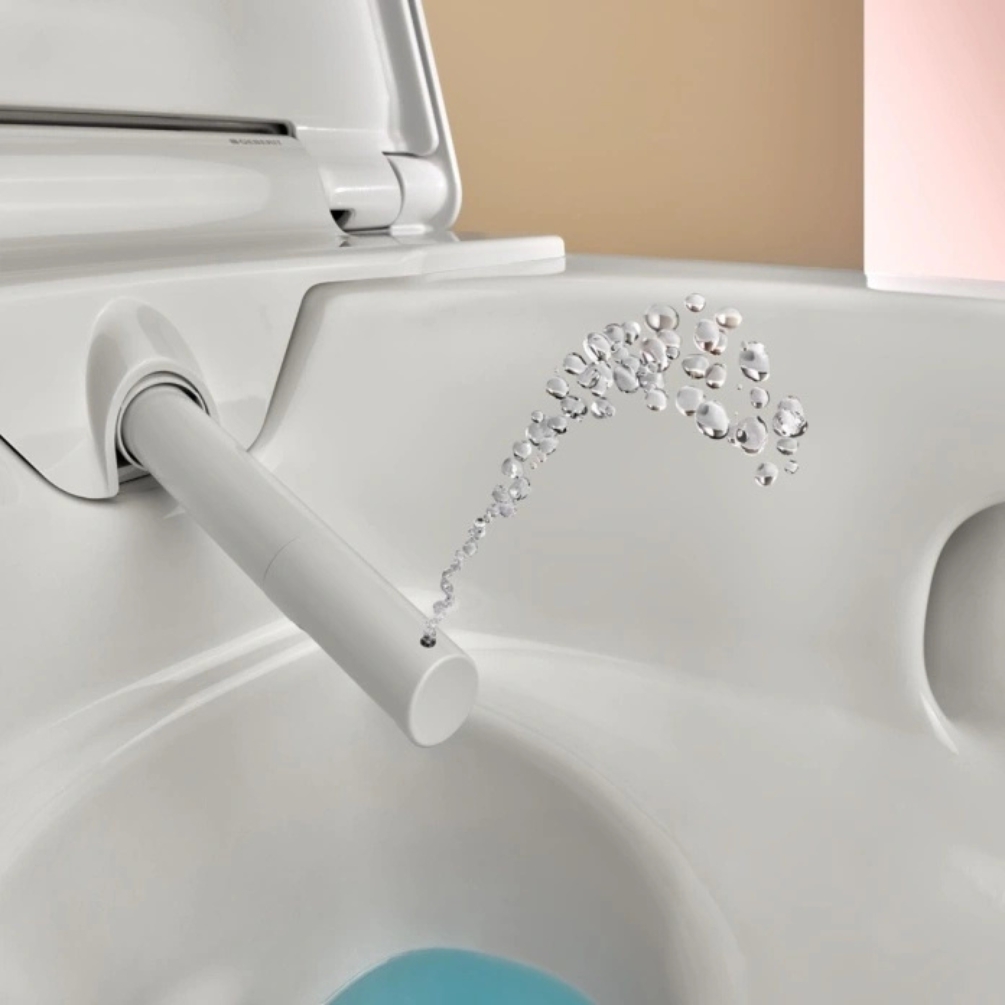
A smart toilet usually connects to the same cold-water supply that feeds the cistern, so you won't normally need a separate water feed. When you press the wash button, a slim nozzle slides out from beneath the seat and then sprays a jet of water upwards. When you're done, the nozzle retracts, ready for next time.
On simpler, budget-friendly models, that’s about it. The seat, lid, and flush still work like those of a standard toilet. More advanced smart toilets, however, fully justify the ‘smart’ label. They warm the water to your liking, heat the seat before you sit, dry you with a blast of warm air, and even lift and lower the lid with sensor-activated hinges, making the whole routine entirely hands-free.
What's the Difference Between a Smart Toilet, Shower Toilet, and a Japanese Toilet?
The trouble with smart toilets is that they go by several different names. Manufacturers and consumers alike use various monikers for what's essentially the same product, which can make shopping for one feel confusing.
Firstly, a smart toilet shouldn't be mistaken for just a simple bidet. This is an entirely different fixture, designed to be used alongside a toilet. Secondly, while smart toilets are technically bidet toilets, they offer much more than just the standard built-in wash system.
Next comes the actual terminology: ‘Shower toilet’ is the term most European manufacturers prefer, ‘Japanese toilet’ is the name most people know, and ‘smart toilet’ usually means a model with snazzy extra facilities - just as we’ve come to expect with anything dubbed ‘smart’ - like our phones, speakers, and heating. They’re fast becoming an everyday expectation, even in the bathroom, too.
Regardless of the name, the product itself usually includes a checklist of base technologies, which we’ll delve into next.
What Features Do Smart Toilets Have?
Smart toilets range from budget-friendly, single-spray models to tech-filled extravaganzas. It's worth knowing which features are commonly available across the market so you can decide which ones you'll actually need.
Wash Settings
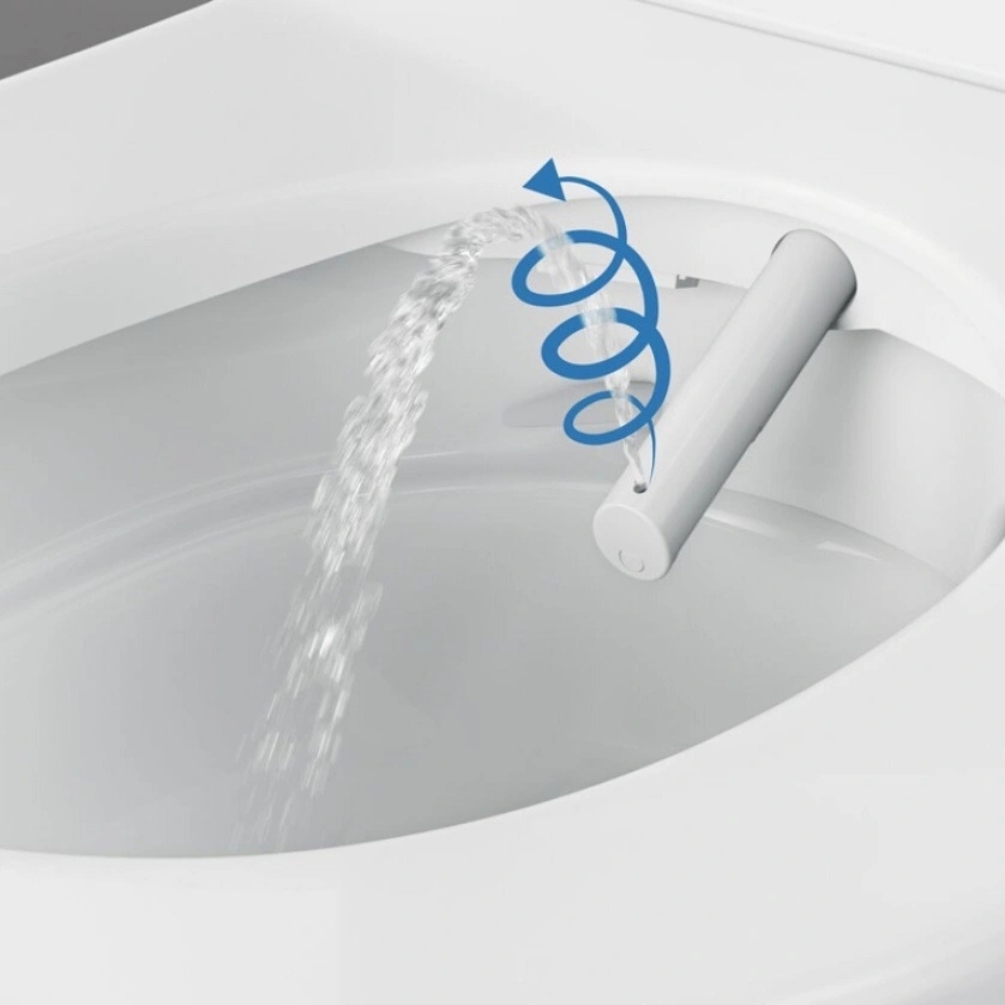
Since they’re bidet toilets, all smart toilets have a wash feature. This could be a standard rear wash, a lady wash with a spray angled further forward, or a hybrid that handles both. Beyond that, you can usually adjust water pressure, temperature, and nozzle position. Many models also add an oscillating spray that moves back and forth for a more thorough clean, or even a pulsating spray that alternates between soft and strong for a gentle massage effect. Several brands have their own wash technology. Geberit's WhirlSpray, for instance, infuses air into the water stream for a softer, pulsating spray.
Self-Cleaning
The nozzle rinses itself before and after every use on almost all smart toilets, with many models taking things further still. TOTO's ewater+ sprays the bowl and nozzle with electrolysed water to keep them cleaner between uses. Combined with a rimless pan, ceramic glazes, and a powerful flush, there's far less cleaning required on your part with a smart toilet. On the topic of flushing, if you want to know more, our flush systems guide explains how these specific systems work in greater detail.
Night Light
A soft light in or around the pan helps you find the toilet in the dark without switching on the main bathroom light, which is handy for night-time trips.
Warm-Air Dryer
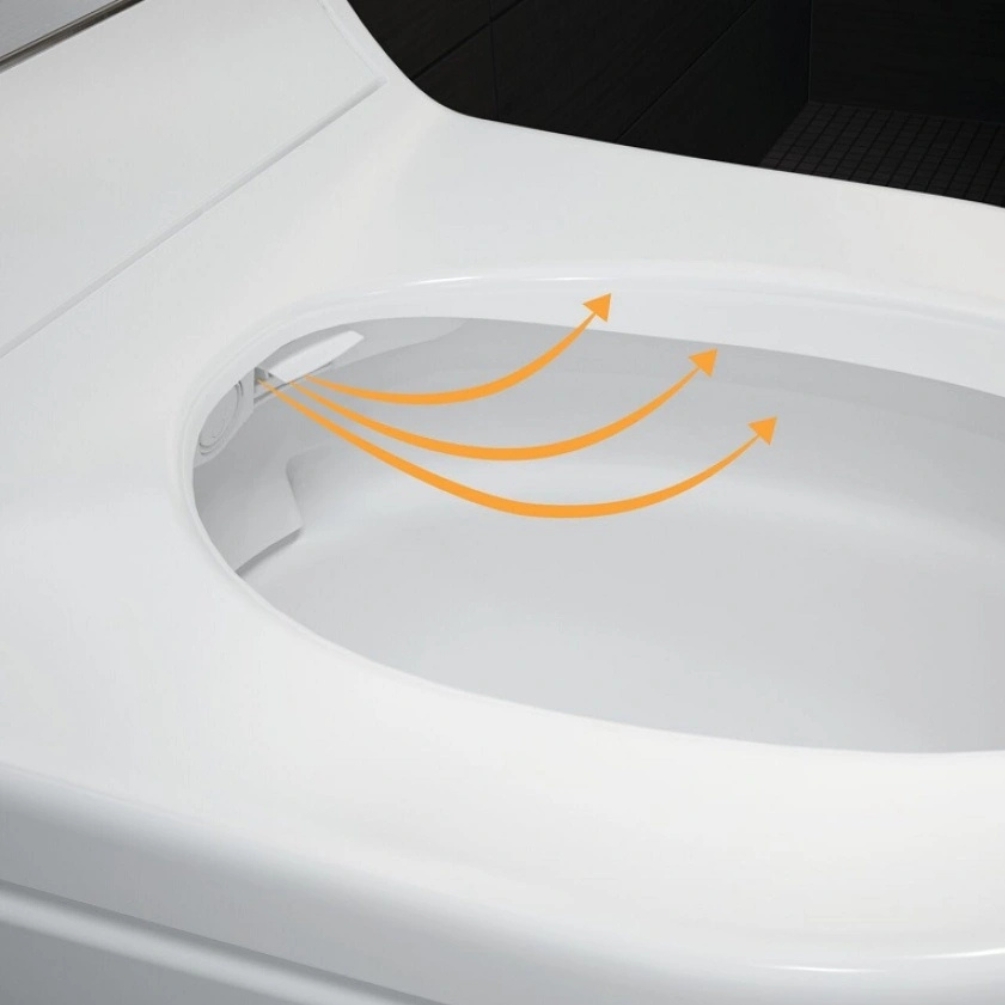
This feature blasts heated air into the toilet’s pan following a wash, with adjustable temperature on most models. This does two things: it dries you off after the water wash to reduce toilet paper usage and dries the pan to leave the interior sparkling clean.
Heated Seat
A heated seat is a small luxury that's easy to get used to, especially on those cold winter mornings. Most models let you set your preferred temperature, and some, like the TOTO Neorest WX1, even activate when you approach the toilet, thus conserving energy when not in use.
Deodoriser
A deodoriser draws air from inside the pan through a filter while you're sitting down, removing odours before they reach the room.
Remote, App Control, and User Profiles
Many mid and high-end smart toilets offer remote and/or app control. These often include the ability to create individual user profiles. This means that each person in the home can save their preferred settings, giving everyone their own routine at the touch of a button.
Automatic Lid and Flush
To keep the smart toilet as hands-free as possible, this technology, found on the higher-end models, lifts the lid automatically as you approach and closes it behind you as you leave, often flushing at the same time.
What Are The Benefits of a Smart Toilet?
A smart toilet might seem like a luxury at first. Once you've lived with one, however, it soon feels like the natural evolution of the everyday toilet. Look past the novelty of all those buttons and you'll find real, practical gains - a fresher clean, far less toilet paper, better hygiene, less time spent scrubbing, and a bathroom that's easier for everyone in your home to use. Here are the main benefits.
Feeling Fresher
There’s a reason bidets exist and why bidet toilets are so popular today. A gentle wash with a controlled spray of warm water is more comfortable and thorough than toilet paper alone. This means it’s much better for cleaning your behind and much kinder to sensitive skin. That's why so many people say they'd never go back once they've tried it.
Better Hygiene
While touching a toilet is usually low risk, it can still transfer germs to your hands. This is especially true for high-contact parts such as the flush button, seat, and lid. Through hands-free automation, a smart toilet can remove the need for you to touch some or even all of these elements. This means you’ll leave the bathroom with cleaner hands - but that’s still no reason not to wash them!
Less Cleaning
Smart toilets, particularly higher-spec ones, are designed to stay cleaner for longer. Such models often include the aforementioned nozzles that rinse themselves before and after every use. Many also feature a rimless pan and special glazes. These stop dirt and limescale from sticking and leave no hidden crevices for bacteria to thrive. Lastly, smart toilets with a deodoriser keep the bathroom fresh too, which is especially welcome in an ensuite or busy family home.
Everyday Comfort
Smart features like a heated seat on a cold morning, a soft night light, and saved settings for each person all add up to create a toilet that feels genuinely luxurious. The hands-free wash and dryer can also make a real difference for anyone with limited mobility, helping them use the toilet comfortably and independently.
What Are The Disadvantages of a Smart Toilet?
There are a few things to weigh up. Naturally, smart toilets cost considerably more than standard toilets. They also require a nearby power supply, and installation usually necessitates both a plumber and an electrician. They also use a small amount of electricity, mainly for heating the water and seat. Even so, many consumers now feel that these are small trade-offs for the comfort and convenience that a smart toilet brings to their lives.
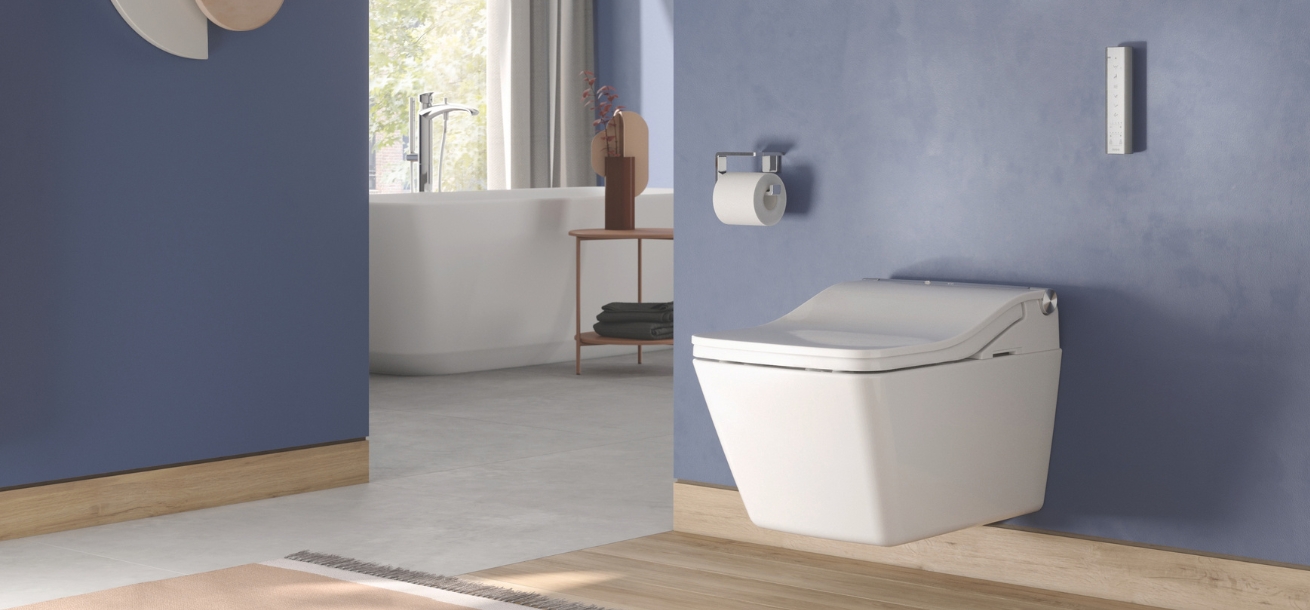
Can You Install a Smart Toilet in a UK Bathroom?
Yes! Most UK bathrooms can indeed handle a smart toilet, but you'll need to have a few things in place first. Specifically, if you're planning a renovation, it's worth planning these before you tile your bathroom.
Power Supply
A smart toilet needs an electrical power supply, usually a fused connection unit fitted close to the toilet. Because bathrooms have their own rules about where electrics can go, a registered electrician should do this job to ensure everything is positioned and protected safely. Our guide to bathroom electrical zones and our guide to IP ratings explain bathroom electrical products in more detail.
Water Supply
Most smart toilets connect to the same cold-water supply as your toilet, usually with a simple T-valve. They heat the water themselves, so you won't normally need a hot water supply.
Because a smart toilet combines a toilet and a bidet, UK water regulations classify it as a high-risk fitting. It needs the right backflow protection to stop used water flowing back into your clean supply. Many models have this built in, but it's always worth checking that everything conforms to UK requirements. The simplest way to get it right is to use an approved plumber.
Space and Fixings
Most smart toilets are no bigger than a standard toilet, so they'll usually fit in the same spot. Wall-hung models need a support frame and concealed cistern behind the wall, while back-to-wall models hide the cistern in a wall or furniture unit. Close-coupled designs, with the cistern on top of the pan, fit much like any other toilet.
Whichever style you choose, check the product's dimensions and any installation guides before you buy, so you know where the power and water connections need to be.
How Much Does a Smart Toilet Cost?
The cost depends on the features and the brand. As a rough guide:
- Entry-level: around £500-1000 for models such as the VitrA Sento Aquacare and Geberit AquaClean Alba.
- Mid-range to high-end: around £1000-4000 for models such as Roca In-Wash, Geberit AquaClean Tuma, and many TOTO Washlets.
- Flagship: top-of-the-range models such as the TOTO Neorest WX1 can cost over £10,000.
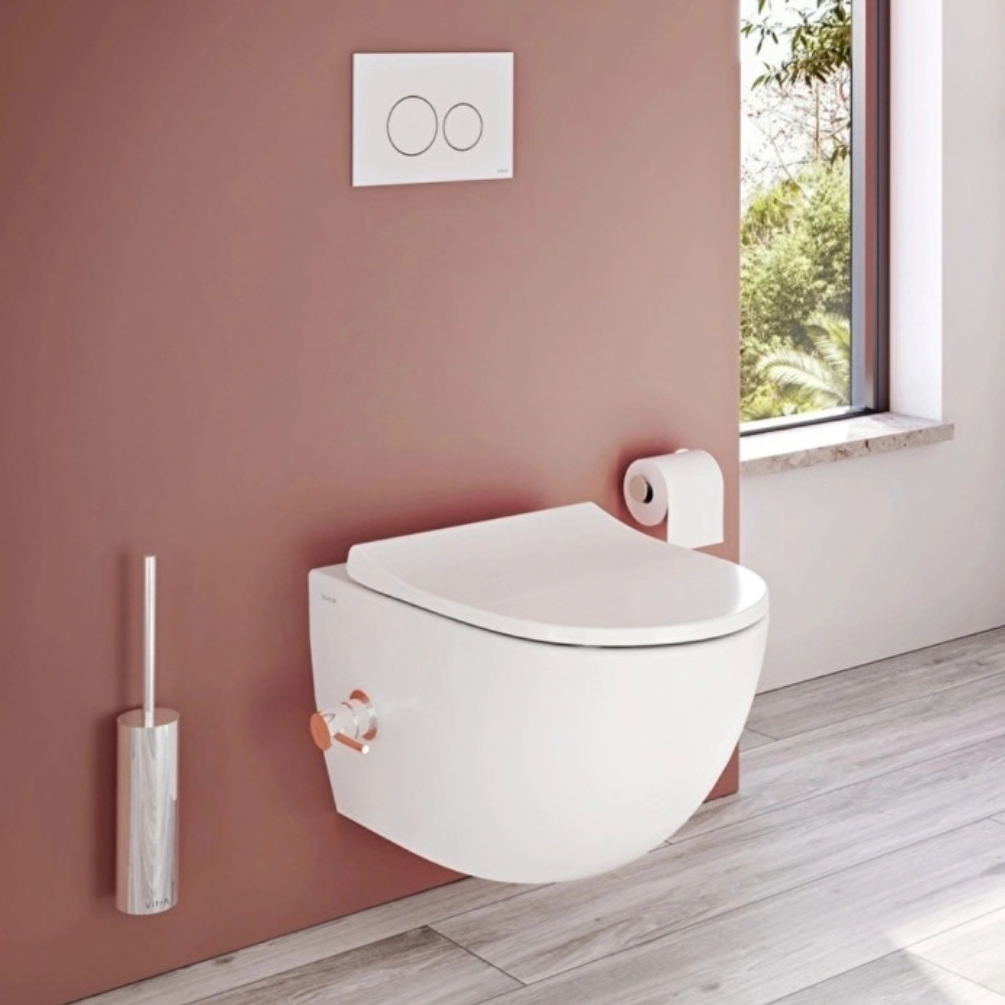
VitrA Sento Aquacare Wall-Hung Toilet
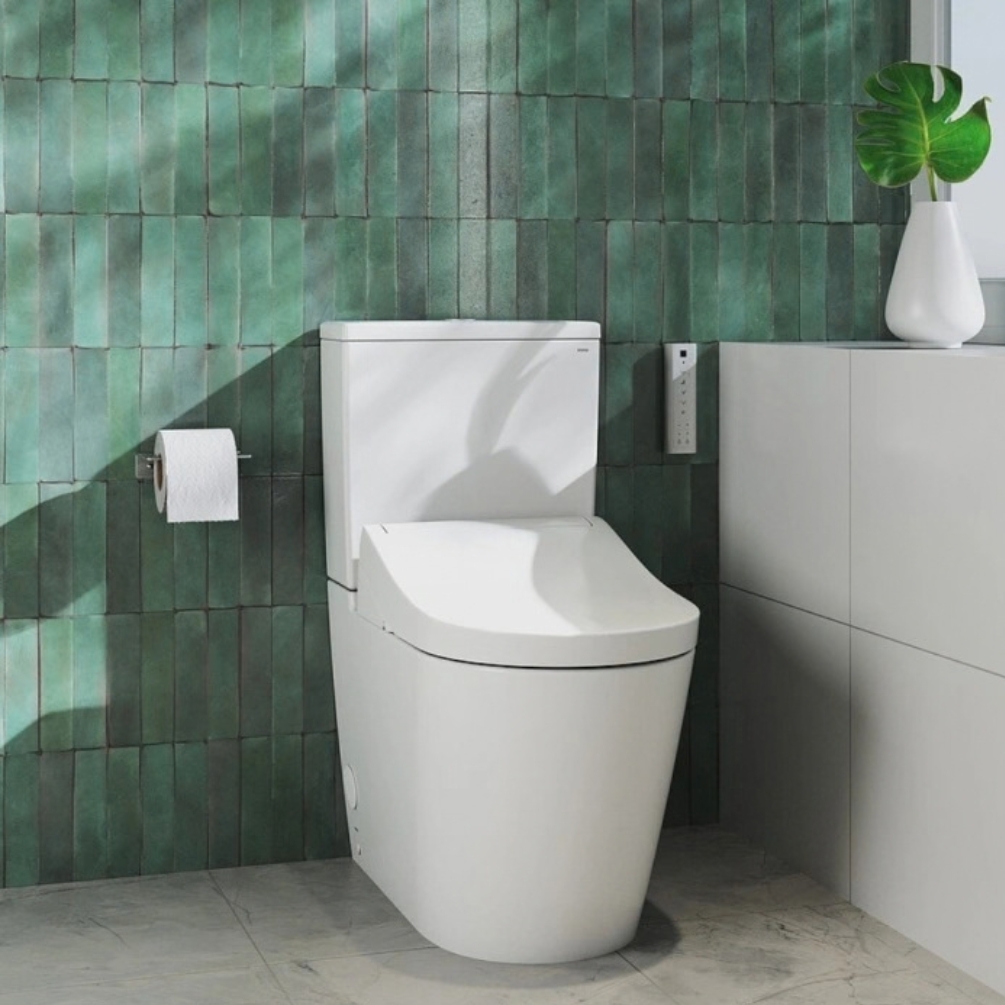
TOTO Washlet RG Rimless Close Coupled Toilet
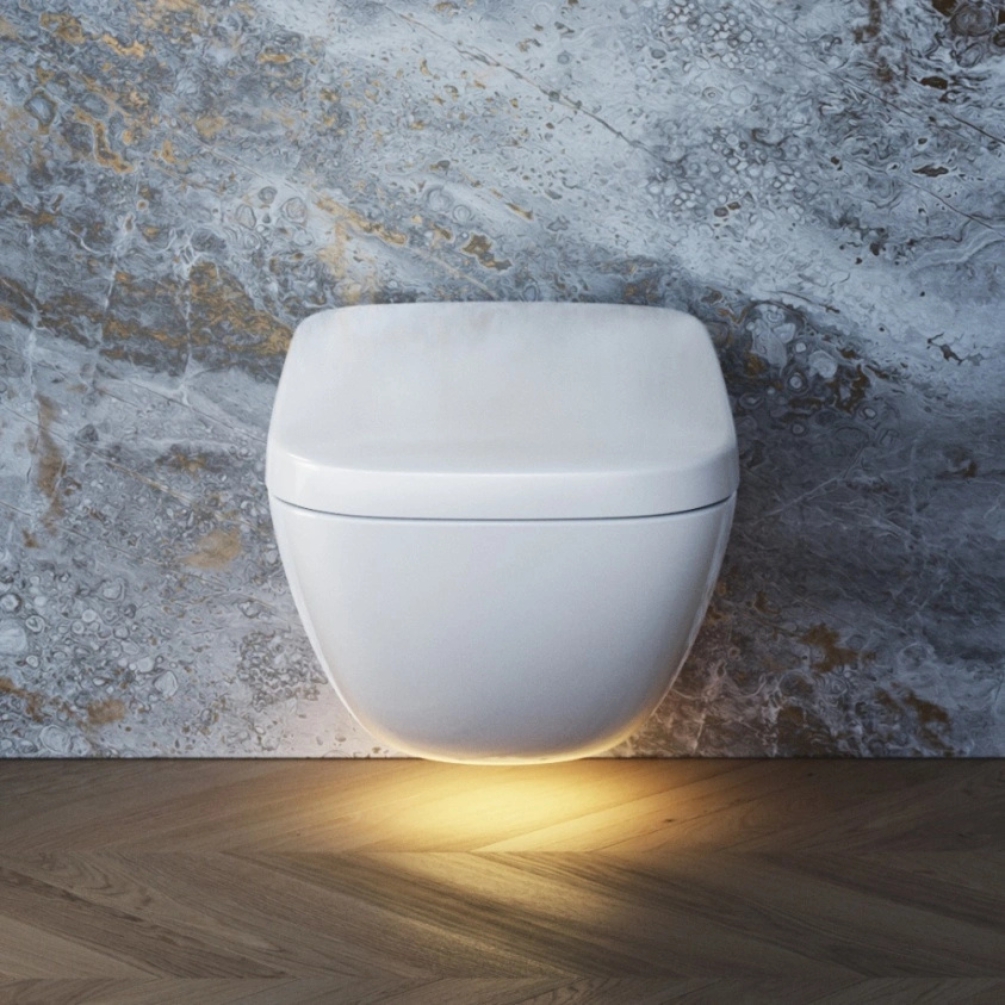
TOTO Neorest WX1 Rimless Wall-Hung Toilet
You'll also need to budget for installation, which usually means a plumber and an electrician. Installation costs depend on your existing plumbing and whether you need a new power supply, so it's worth getting a quote once you've chosen your toilet.
James Roberts, Director of Sanctuary Bathrooms, says: "Before you get carried away with all the bells and whistles, think about what you'll actually use day to day. For most people, it's the warm-water wash, heated seat, and dryer that make all the difference. An automatic lid and app control are lovely extras, but that's usually where the price starts to creep up."
Smart Toilet Running Costs
It's one of the most common questions about a smart toilet: how much will they add to my bills? The answer is usually lower than you'd think.
How Much Electricity Does a Smart Toilet Use?
A smart toilet uses the most power when it heats water for the wash, warms the seat, or runs the dryer. The Geberit AquaClean Alba, for example, is rated at 850W in use - about the same as a microwave on a low setting - but only for the short time you're actually using it.
The rest of the time, it sits on standby. Geberit says all of its AquaClean shower toilets use less than 0.5W on standby. That works out to under 4.5kWh a year - roughly the same as the standby mode of a TV.
How Much Water Does a Smart Toilet Use?
Not much more than a standard toilet. Again, according to Geberit, the shower function on its AquaClean toilets uses just 0.5 to 1 litre of water per use. Over a year, that adds only around 2-3% to the water a conventional toilet would use.
To put that into perspective, new toilets in the UK can't flush more than 6 litres at a time, so a single wash uses less water than a small flush. And because you'll need far less toilet paper, it's easy to see why many people see it as a worthwhile trade-off.
The Bottom Line
Ultimately, how much energy and water your smart toilet uses overall depends on:
- How many people use it, and how often.
- Your settings, such as water and seat temperature.
- Which features you use, particularly the heated seat and dryer.
- The model, as some have energy-saving modes. The TOTO Neorest, for example, learns when you use it least and lowers the seat temperature during those times.
To keep running costs down, lower the seat temperature or switch the heated seat off in summer, use energy-saving mode if your model has one, and only use the dryer when you truly need it.
Is It Worth Getting a Smart Toilet?
For most households, yes - as long as it genuinely improves on what you already have. A smart toilet isn't about gadgets for their own sake. It's about a fresher clean, better hygiene, and a bathroom that's easier and more comfortable for everyone to use, every single day.
Whether you call it a smart toilet, a shower toilet, or a Japanese toilet, this desirable fixture is one of the simplest ways to bring genuine luxury into your everyday bathroom experience. From entry-level models with a warm-water wash to premium designs that do almost everything for you, there's a smart toilet to suit most bathrooms and budgets - ideal if you're looking to invest in the future of your bathroom.
If you'd like help choosing the right smart toilet or checking whether one will fit your space, our expert team is always happy to help. Feel free to get in touch and send us any questions you have regarding smart toilets.
Still weighing up your options? Our toilet buying guide compares every type of toilet on the UK market in greater detail.

