Tap Terminology: A Glossary of Tap Parts and Types
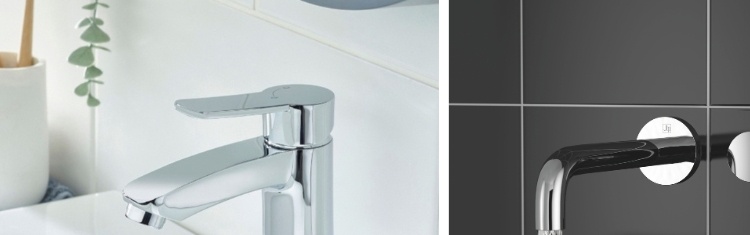
Bewildered by phrases such as "monobloc" or "ceramic disc cartridges"? You're certainly not alone. Turning on a tap might be simple, but understanding how it works - and how one design differs from another - is a different matter entirely.
This glossary is here to help. We've brought together the essential tap terminology, complete with illustrations, to give you the language you need to choose with confidence.
- Common Tap Parts
- Common Tap Types
- Basin Tap Types
- Bath Tap Types
- Other Tap Terms
- Expert Guidance for Your Tap Selection
Common Tap Parts
The terms in this section, along with our tap parts diagram, cover the basics found across most styles of tap. So whether you're choosing a new one, fixing a problem yourself or talking to a plumber, you'll know exactly what's what. 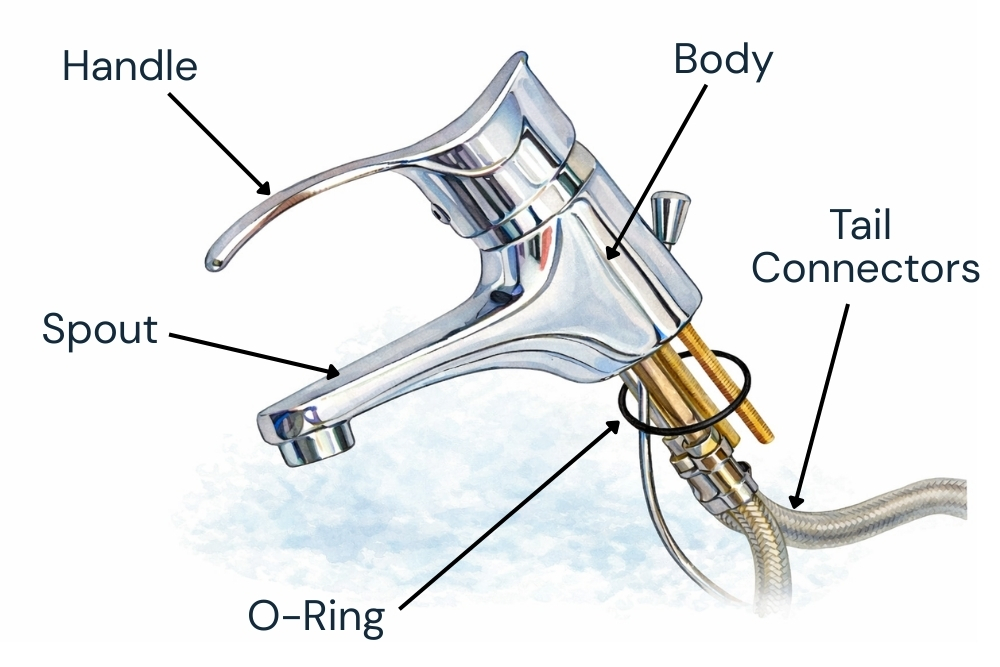
Handle(s)
The part of the tap you hold and move to turn the water on or off and adjust the flow (and sometimes temperature). It mechanically connects to the valve or cartridge inside the tap, so when you twist, lift, or turn the handle, the internal mechanism opens or closes to control the water.
A handle can come in multiple designs, such as:
- Crosshead - Four short arms arranged in a cross shape, enabling fingers to slot between and comfortably grab to turn the water on and off in a twisting motion.
- Lever - A single elongated arm or 'lever' that's easy to operate with minimal grip. On pillar taps and dual-control mixers, levers turn to open and close the valve. On single-lever mixers, they lift to control flow and move left and right to adjust temperature.
- Dial - A round, knob-style handle that, like a crosshead handle, allows users to operate water flow with a twist.
Handles also differ in how far they turn from fully off to fully on, which depends on the valve inside the tap:
- Quarter Turn - The handle turns about 90° between off and fully on. This is typical of ceramic disc valves and gives quick, positive on/off control.
- Half Turn - The handle turns about 180° between off and fully on. Also found on ceramic disc valves, it still feels quick in action but gives slightly finer control over the flow.
Spout
The hollow, tube-shaped outlet attached to the tap body, through which the water flows out into the basin or bath.
- Fixed - A spout that does not move and stays set in one position over the basin or bath for a fixed flow of water.
- Swivel - A spout that can be rotated left and right (sometimes up to 180° or even 360°) around its base, allowing the user to direct water flow to different parts of the basin or bath.
- Pull - A spout with a flexible hose that can be pulled away from its normal position to direct water to certain areas.
Body
The main housing of the tap, to which all other parts attach. It contains the internal waterways and valves, supports the spout and handles, and provides the mounting point on the basin, bath or wall where the tap is fixed and connected to the water supply.
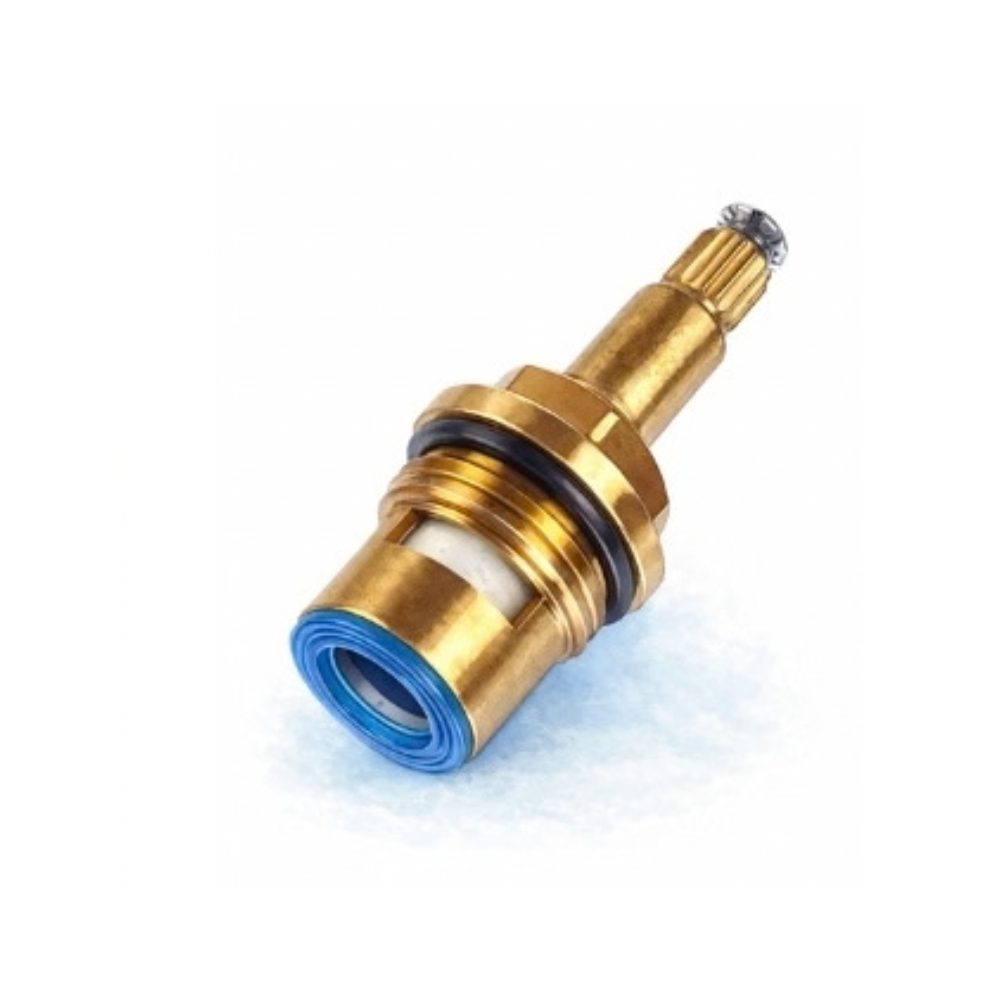
Cartridge
The internal valve mechanism housed within a mixer tap that controls water flow rate and temperature by regulating the mixing of hot and cold supplies. The cartridge represents the operational heart of modern mixer taps - when you lift a lever or rotate a handle, you're manipulating the cartridge to adjust water delivery. The main types include:
- Single-Lever Cartridge - Uses a pair of ceramic discs to control both flow and temperature from a single lever.
- Ceramic Disc Headwork - Controls hot or cold water flow on its own, as found on pillar taps and dual-control mixers.
- Thermostatic Cartridge - Automatically blends hot and cold water to hold a set temperature, even if the supply pressure or temperature changes.
O-ring
A round, compressible sealing ring made of rubber or a similar flexible material; fitted at joints and moving parts within tap assemblies to create watertight seals that prevent leakage.
Aerator
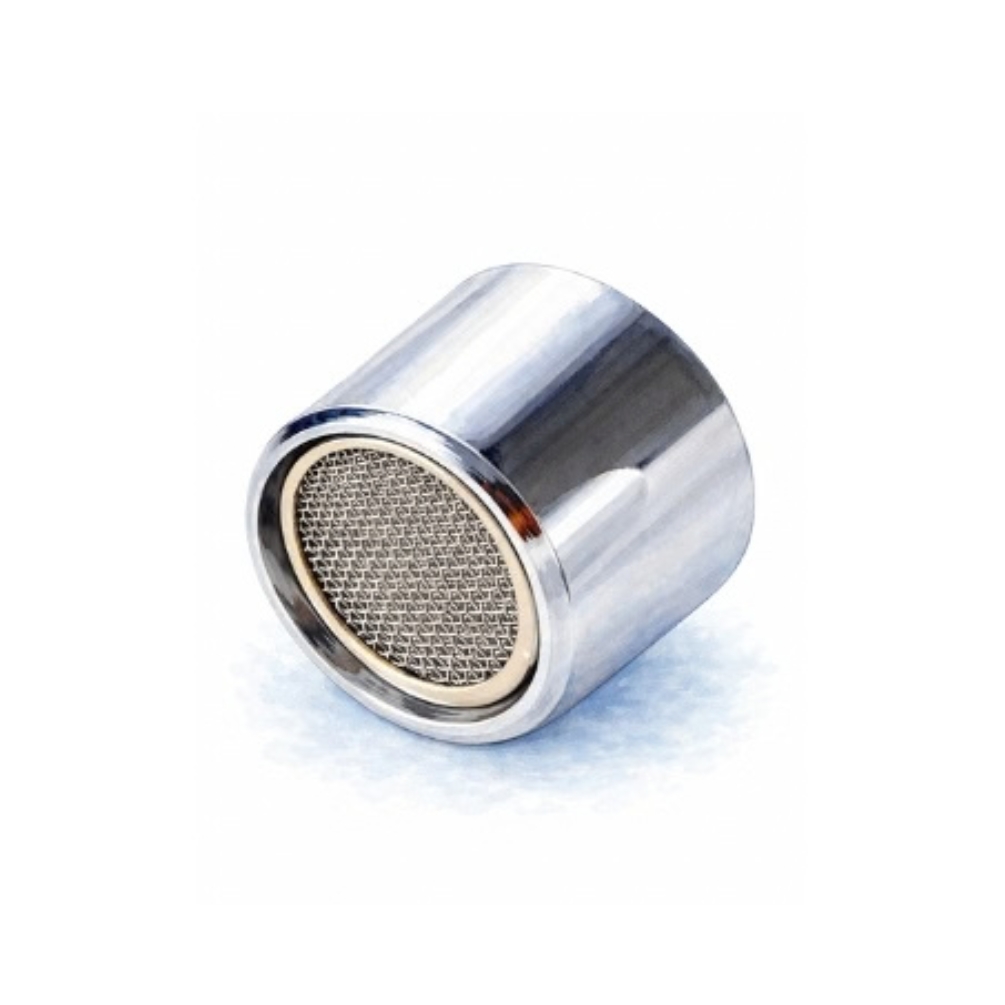
Also known as a flow straightener or mousseur, an aerator is a small device fitted at the outlet of a tap spout - typically a mesh screen or perforated disc housed within a threaded fitting - that mixes air into the water stream as it exits. This aeration process transforms a solid, potentially splashing jet into a softer, voluminous flow that feels substantial despite using less water.
Tail Connectors
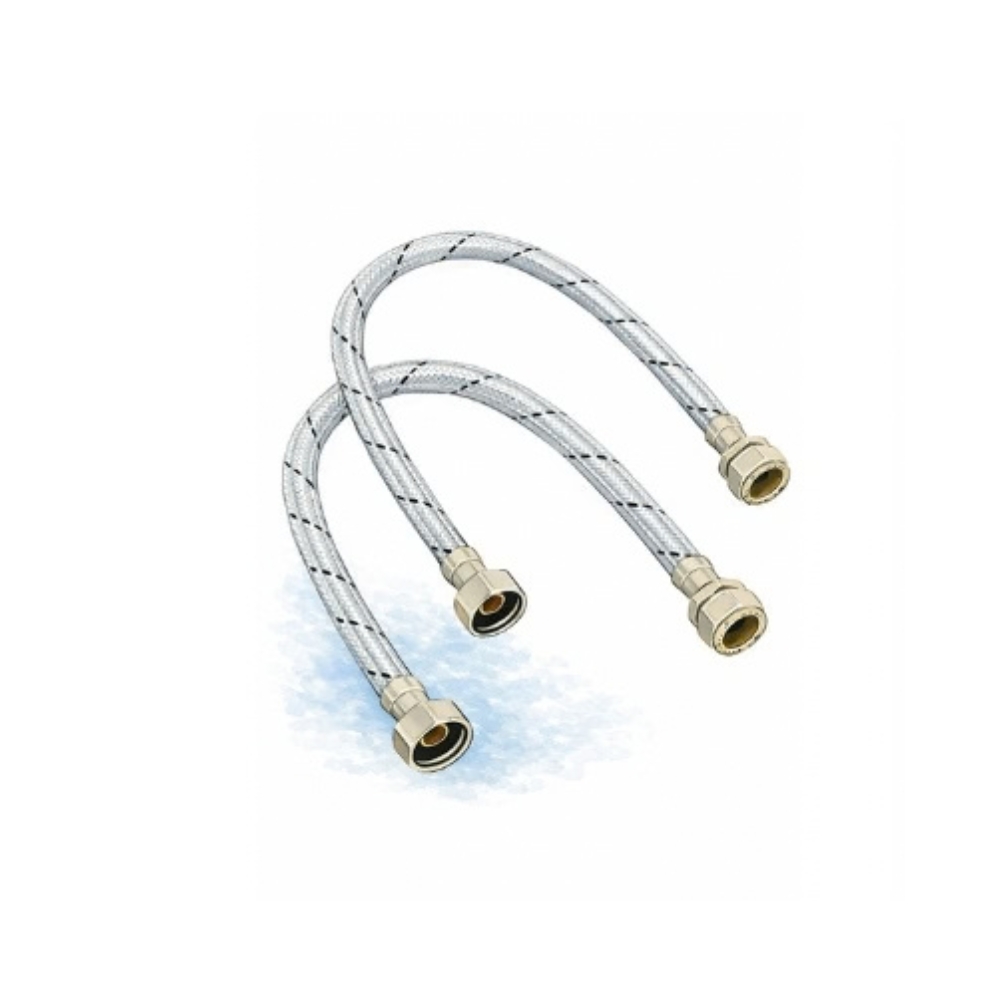
The pieces that extend downward through the tap hole(s), connecting the fixture to the hot and cold water supply beneath the basin or bath. Tail connectors serve as the crucial link between visible brassware and concealed plumbing, and their type significantly affects installation ease and flexibility. They come in two main forms:
- Threaded Tails - Rigid threaded ends found on pillar taps and many traditional taps. These are usually ½" on basin taps and ¾" on bath taps.
- Flexible Tap Connectors - Braided flexible hoses, sometimes called flexi tails, supplied with most monobloc taps. These make installation easier where pipes don't line up exactly.
Aerator
Tail Connectors
Cartridge
Common Tap Types
Before looking at taps designed specifically for basins or baths, it's worth getting to grips with the core tap types. These terms apply to both basin and bath taps.
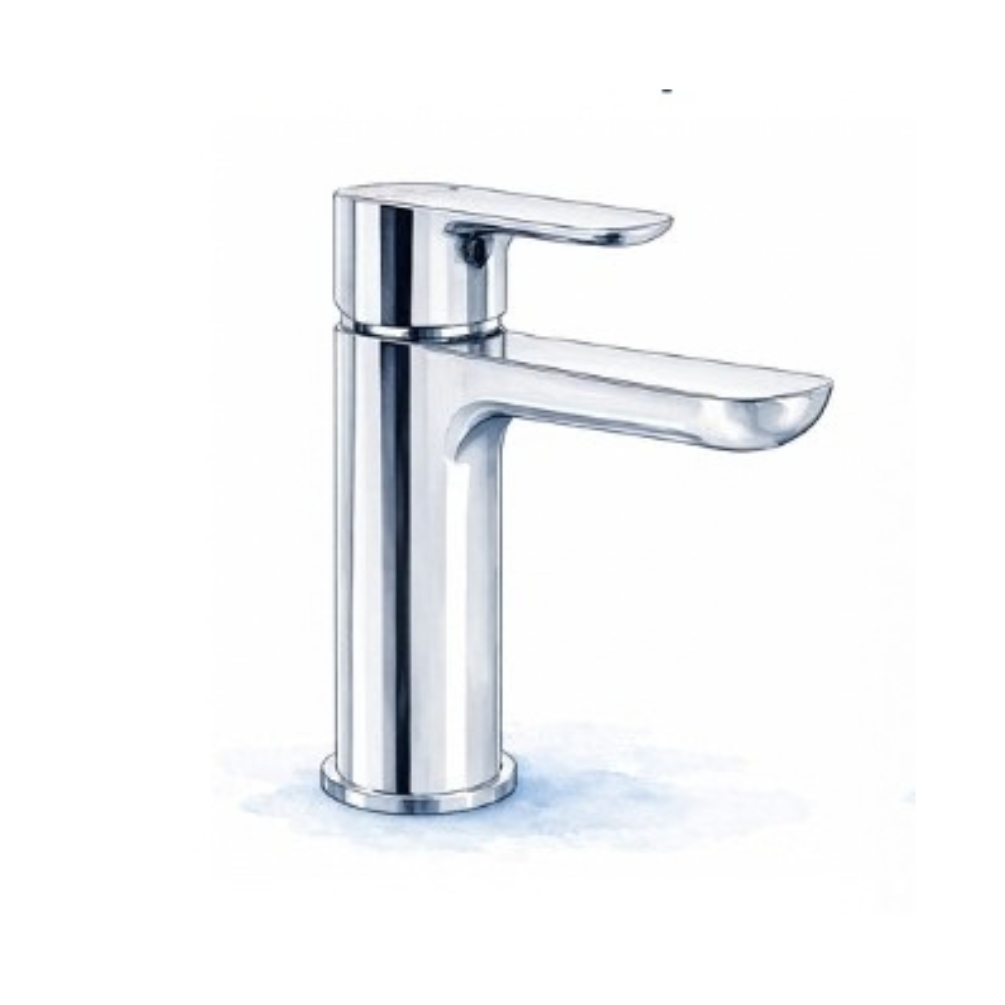
Mixer Tap
A tap that receives separate hot and cold water supplies and combines them within the body of a tap fixture, delivering a single mixed stream through a single spout, with temperature and flow adjusted by one or more controls. Both basin mixer taps and bath mixer taps eliminate the need for separate hot and cold taps, offering convenient one-handed operation and precision temperature control.
For comprehensive guidance on mixer tap types, configurations, and selection, consult our detailed buying guide.
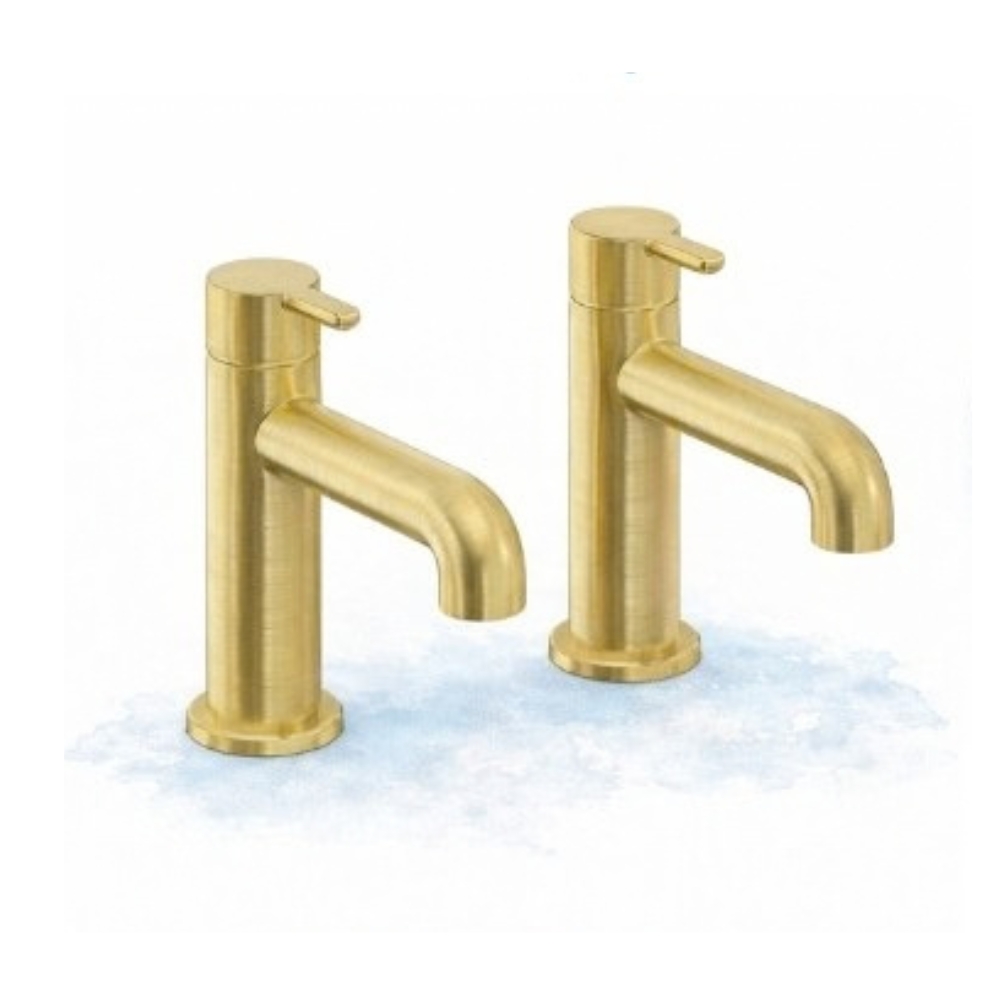
Pillar Tap
A pair of separate taps - one for hot, one for cold - each mounted on its own 'pillar' through its own tap hole. As the two supplies aren't mixed within the tap, you blend the water yourself in the basin or bath. While their roots are in period-style bathrooms, modern basin pillar taps suit bathrooms of any style. Bath pillar taps are larger than their basin counterparts, with ¾" connections rather than ½", giving a higher flow rate that fills the bath more quickly.
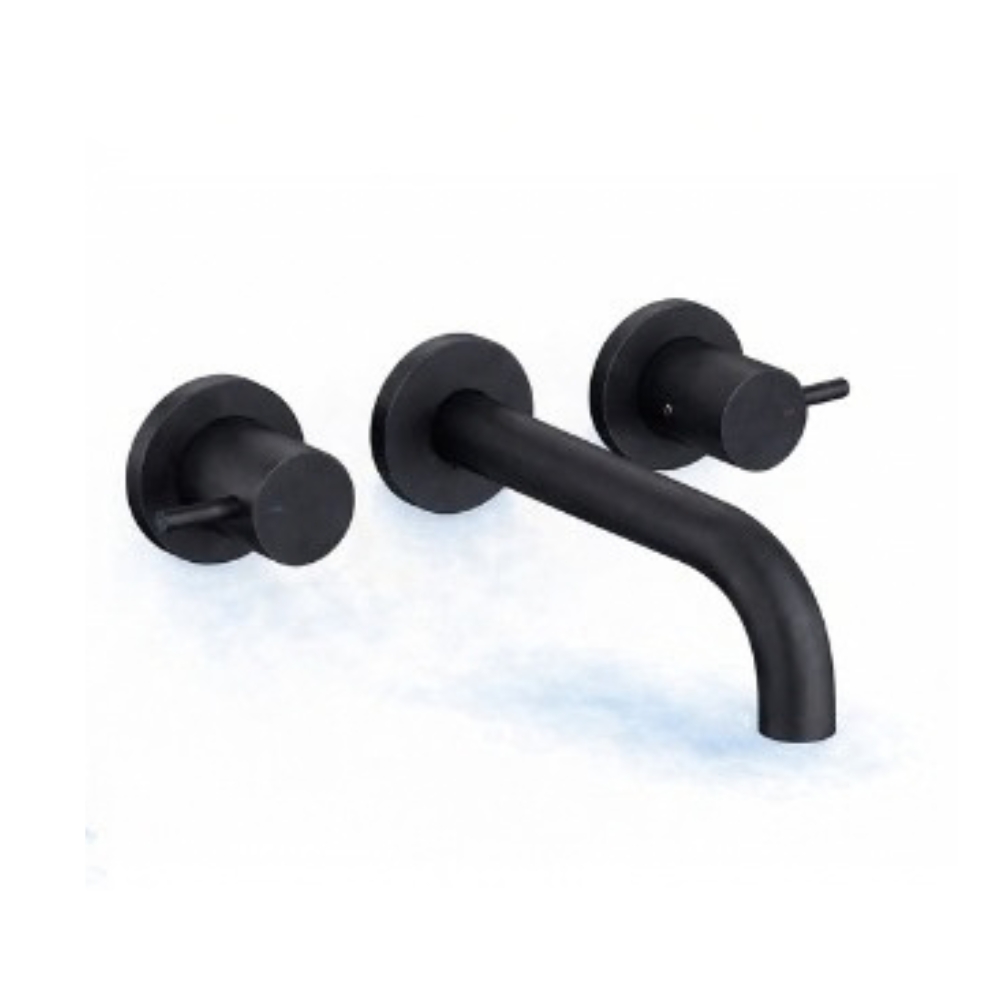
Wall-Mounted Tap
A tap fixed to the wall above a basin or bath, with the supply pipes and valve concealed within the wall. Wall-mounted taps free up the basin or bath deck, make cleaning easier and are the go-to choice for basins and baths without tap holes. Choose a spout long enough to reach comfortably over the basin or bath, and plan the installation early, as the pipework needs to be built into the wall.
Mixer Tap
Pillar Taps
Wall-Mounted Tap
Basin Tap Types
These tap types are designed specifically for basins. Knowing the differences makes it easier to match your tap to your basin - whether that's a compact cloakroom basin, a countertop basin that needs extra height, or a traditional basin suited to a bridge mixer.
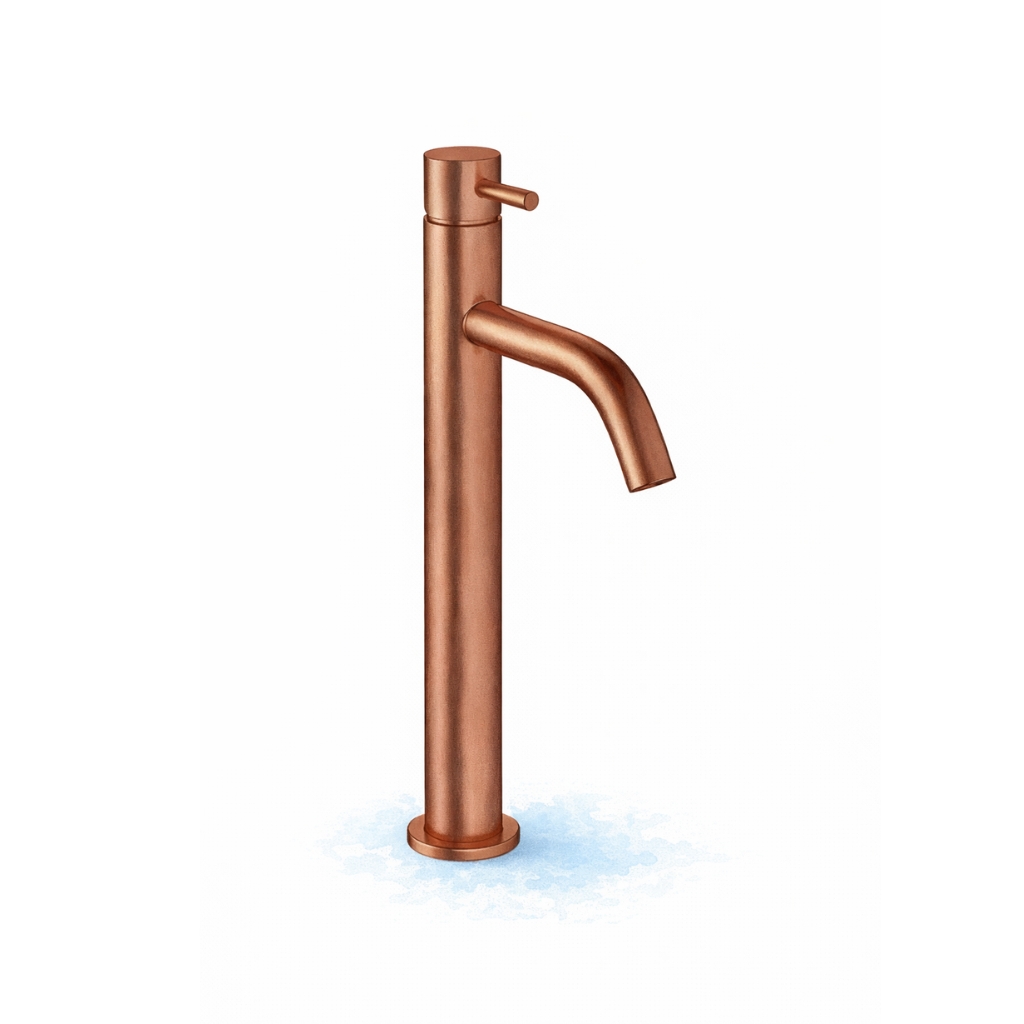
Tall Tap
A type of mixer tap with an extended vertical body and elevated, typically elongated spout designed to stand above countertop basins so the outlet clears the rim with comfortable hand‑washing clearance. The extended height of a tall tap also creates a striking visual impact, turning the tap into a sculptural focal point that complements the statement aesthetic of countertop basins.
Cloakroom Tap
A compact basin mixer engineered specifically for ensuite and cloakroom basins. It offers everyday hand-washing in a scaled-down body and spout. Cloakroom taps feature reduced spout reach (typically 80-120mm versus 140-180mm on standard basin taps), shorter overall height, and compact control mechanisms that maintain usability without visual bulk. Despite their smaller scale, quality cloakroom taps use the same cartridge technology, finish durability, and water-efficiency features as full-sized counterparts.
Bridge Mixer
A mixer tap with separate hot and cold handles joined by a horizontal 'bridge', which carries the blended water to a single central spout. Bridge mixers most commonly fit two tap holes, although one-hole and three-hole designs are also available. Bridge basin mixers combine the traditional look of pillar taps with the convenience of mixed water, so there's no need to blend hot and cold in the basin.
Sensor Tap
A tap that uses an electronic sensor, typically infrared, to start the flow of water when hands are placed beneath the spout and stop it when they're removed. With no handles to touch, a sensor basin tap reduces touchpoints and helps keep the basin area more hygienic. Sensor taps need power to operate, either from a mains connection, which a qualified electrician should install, or from batteries. Battery type and lifespan vary between models, so check the product specification.
Bath Tap Types
Bath taps have their own set of considerations, from how quickly they fill the bath to whether you'd like a shower handset or a tap that stands beside a freestanding bath. These terms will help you find the right fit.
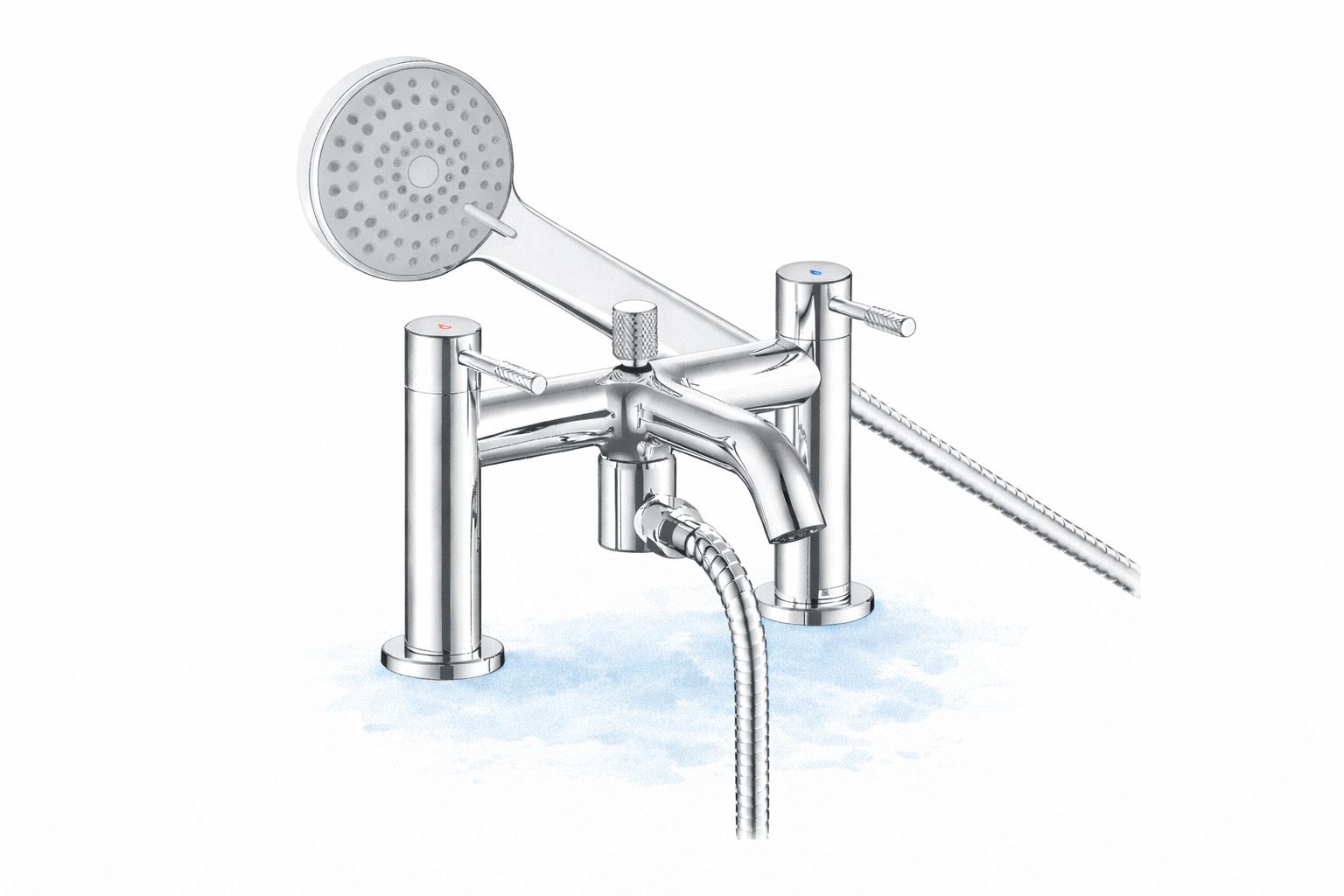
Bath Shower Mixer
A dual-purpose fixture, available wall-mounted, deck-mounted or floor-standing, that fills via an integrated spout while also providing shower functionality through an accompanying handset and flexible hose, with water flow redirected between the two outlets using a built-in diverter mechanism. Bath shower mixers eliminate the need for separate bath taps and a shower installation, offering significant spatial and cost advantages in bathrooms where both bathing and showering are desired but space or budget constraints prevent a dedicated shower enclosure.
Freestanding Bath Tap
A floor-mounted tap that stands on its own beside a freestanding bath, with the supply pipes rising up through the floor rather than being hidden in a wall or connected through the bath deck. Freestanding bath taps make a striking statement and complement the open, island position of a freestanding bath. Because the pipework runs under the floor, they're easiest to fit during a full renovation, when you can access the floor void.
Bath Filler
A bath tap designed purely to fill the bath, without a shower handset. Bath fillers come in deck-mounted, wall-mounted and freestanding designs, and their flow rate depends on the tap's connections and your water pressure.
Overflow Bath Filler
A bath overflow that doubles as a filler, delivering water into the bath through the overflow opening just below the rim, while still performing its usual job of preventing the bath from overfilling. Temperature and flow are controlled from a separate valve or set of controls. The dual-purpose design of an overflow bath filler removes the need for a visible spout, giving the bath a clean, minimal look. As the water enters below the bath's spill-over level, an overflow filler needs suitable backflow protection to prevent bath water being drawn back into the supply - so always check the installation requirements.
Diverter
The valve mechanism that is present within bath shower mixers, freestanding bath taps with shower functionality, and multi-outlet shower systems that redirect water flow between different outlets - typically switching between a bath spout and shower handset, or between multiple showerheads. The diverter allows a single set of controls to serve multiple water delivery points, eliminating the need for separate taps or valves for each function.
Other Tap Terms
Bar
The metric unit used to measure water pressure. Taps list a minimum operating pressure, so knowing your pressure in bar helps you choose one that performs well. Systems below 1 bar are generally considered low pressure, while those above 1 bar are high pressure.
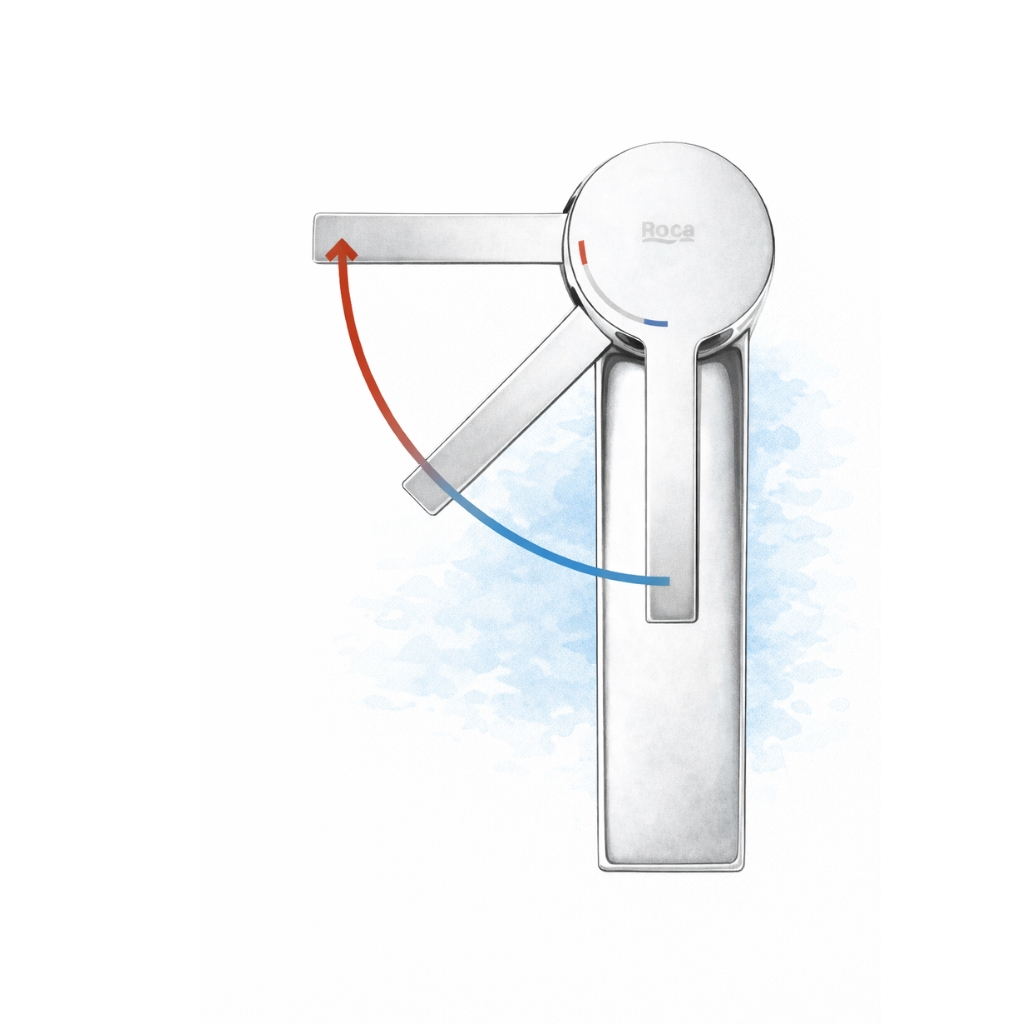
Cold Start
An energy-saving design for single-lever mixer taps, where the lever delivers only cold water in its central position. Hot water is only drawn when you deliberately move the lever towards hot, which prevents the boiler from firing up unnecessarily.
To learn more about the useful technology, take a look at our guide to cold start taps.
Flow Rate
The volume of water a tap delivers per minute, measured in litres per minute (l/min), determining fill speed and working efficiency.
Flow Regulator
A device fitted within taps that restricts and stabilises water flow to a consistent rate regardless of supply pressure variations, improving water efficiency.
Knurled
A textured surface pattern - typically fine diagonal ridges or diamond cross-hatching - applied to tap handles and controls to improve grip in wet conditions.
Discover how knurling enhances both function and style across bathroom fixtures in our detailed guide.
Laminar Flow
A smooth, non-turbulent water stream where water flows in uniform parallel layers without splashing or spray.
Monobloc / Mono Tap
A mixer tap that fits through a single tap hole, with one spout and either a single lever or two separate handles for hot and cold.
Tap Hole(s): 1TH, 2TH, 3TH
The number of pre-drilled holes in a basin or bath for mounting taps. A monobloc needs one tap hole (1TH), pillar taps and many bridge mixers need two (2TH), and a three-hole mixer, with a separate spout and two handles, needs three (3TH). Deck-mounted bath shower mixers can require four or five. Always check that the tap hole count on your basin or bath matches your chosen tap. For wall-mounted taps, choose a basin with no tap holes (0TH).
WRAS (Water Regulations Advisory Scheme)
A UK approval scheme confirming that a product complies with the Water Supply (Water Fittings) Regulations 1999, or the equivalent Scottish byelaws. WRAS approval shows that a tap won't contaminate the water supply or wastewater, and it's one of the main ways manufacturers show compliance.
You can find more on WRAS and its approval process in our guide to what WRAS approval is.
Expert Guidance for Your Tap Selection
Now you know your monoblocs from your bridge mixers, explore our tap collection - from classic pillar taps and traditional bridge mixers to contemporary wall-mounted and freestanding designs by leading brands including Crosswater, Heritage and Tavistock.
Still unsure whether a tap will suit your water pressure, reach far enough over your basin or match your other brassware? Our in-house specialists have helped homeowners and designers choose taps for over four decades. Contact us for personalised advice, or visit our Leeds showroom to try lever actions for yourself, compare finishes side by side and see how spout heights work with different basins.

