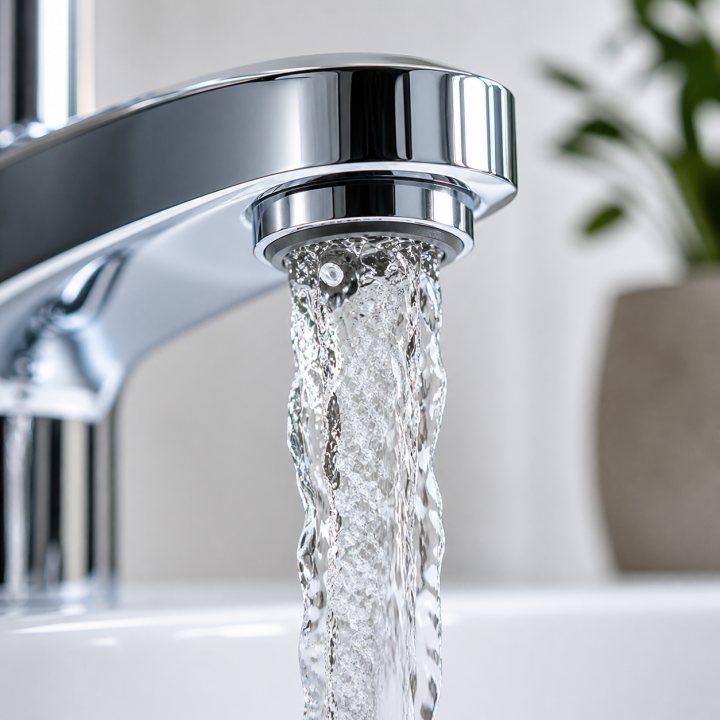
When shopping for bathroom taps, valves, or shower fittings, you may have seen the WRAS-approved product logo or noticed the term 'WRAS-approved' listed in a product description. It’s one of those credentials that’s easy to scroll past, but it actually carries real weight when it comes to water safety and product quality.
But what does WRAS stand for? What does WRAS-approval mean? Do you really need to consider it when picking bathroom products? In this guide, we explain everything you need to know about WRAS certification, why it matters, and why you should factor it into your purchases.
- Why is WRAS Important?
- What Does WRAS Approved Mean?
- The Water Regulations Behind WRAS
- Is WRAS Approval a Legal Requirement?
- How to Check if a Product is WRAS Approved
- FAQ About WRAS Approval
- Why WRAS Approval Matters When Choosing Bathroom Products
What Does WRAS Stand For?
‘WRAS’ is an acronym for ‘Water Regulations Approval Scheme’. This is an independent UK certification body for plumbing products and materials. The scheme ultimately exists to protect public health, specifically by keeping water supplies safe from contamination and ensuring that water is used efficiently in homes, businesses, and commercial buildings.
Why is WRAS Important?
Any water entering your home should, in theory, have already been treated by your water company, not to mention tested to high standards to make sure it’s safe for consumption. As soon as it hits your plumbing system, however, that onus transfers to you. If your fixtures and fittings are made from poor-quality materials or haven’t been tested properly, they may become hotbeds for contaminants and bacterial growth. Once this occurs, that nice, clean water will then succumb to pollution as it travels through your bathroom taps, shower heads and toilet cisterns.
That's what WRAS is there to stop. For consumers, it provides a level of assurance that the products they're buying have been independently tested in terms of how they perform and what they're made from, and won't affect drinking water quality. For manufacturers, WRAS approval grants the power to underline their claims with recognised third-party certification.
Today, the WRAS directory lists more than 9,000 product ranges and 3,000 approved materials. This makes it the most recognised compliance mark in the UK bathroom and plumbing industry by some considerable measure.
What Does WRAS Approved Mean?
When a product is described as ‘WRAS approved’, it means it's been through an independent testing process and is confirmed to comply with UK water fittings regulations. These regulations are essentially the rules that govern how plumbing products and materials should perform, as well as what they are and aren’t allowed to come into contact with (don’t worry – we'll cover this in more detail shortly).
A product receives WRAS approval only after it passes both rounds of testing. The manufacturer then receives WRAS approval documentation, an approval number, and a listing in the official WRAS Approvals Directory. That certification lasts up to 5 years, and the product must then be retested if the manufacturer wants to maintain its approved status.
Approval testing is conducted by independent recognised laboratories rather than WRAS itself. It covers two main aspects: the performance of the fitting, and the safety of the materials it's made from.
1. Mechanical Testing
Mechanical testing is about making sure the product is structurally sound and performs reliably, thus preventing it from failing during use.
Specific mechanical tests can include:
- Pressure and leak resistance, testing strength and durability under operating pressures and temperatures.
- Correct operation of moving parts (e.g., valves opening/closing), backflow prevention, and any anti-pollution functions.
- Additional regime-specific tests, such as flow tests, hot water endurance, vacuum tests, and correct marking/identification of fittings.
2. Water Quality Testing
Water quality testing is carried out in accordance with British Standard BS 6920. This looks at the non-metallic materials used in the product - such as rubbers, plastics, coatings, greases, gaskets, O-rings, and pipe materials - to ensure they're safe for contact with drinking water.
It includes tests to verify that such materials do not:
- Support microbial growth.
- Leach harmful substances.
- Affect the taste, odour or appearance of water.
The Water Regulations Behind WRAS
To really understand why WRAS approval matters, it helps to understand the regulations behind it. Alongside equivalent legislation in Scotland and Northern Ireland, the regulations behind WRAS are the Water Supply (Water Fittings) Regulations 1999 in England and Wales, particularly Regulation 4. These set out how plumbing systems and water fittings should be designed, installed, used, and maintained across the UK. They're intended to prevent water from being wasted, misused, or contaminated once it leaves the public mains.
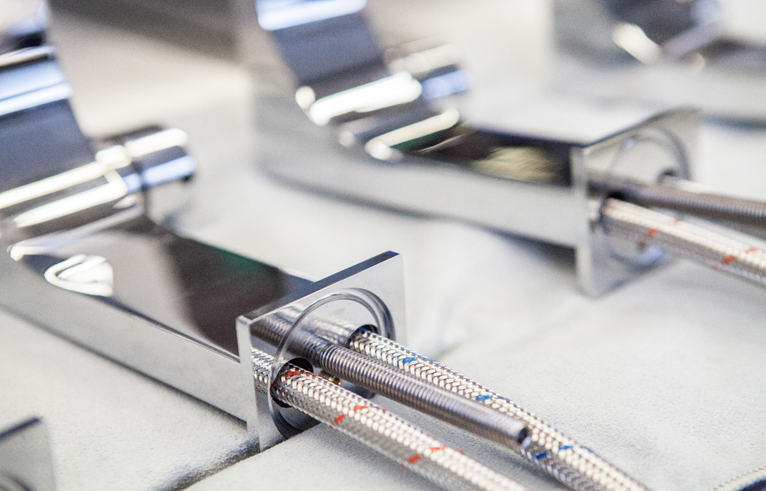
The water supply regulations cover more than you might think. In a typical bathroom, for example, they apply not just to your taps and shower heads, but to your shower valves, thermostatic mixing valves, toilet fill valves, supply pipes, and all the connections in between.
The Importance of Regulation 4
You’ll often hear people in the industry refer to ‘Regulation 4’. This is the specific provision of the water supply regulations that matters most for WRAS product approval. Regulation 4 states that every water fitting installed must be of an appropriate quality and standard. In essence, it means the materials used in the product must be safe for contact with drinking water, and the product itself must function properly without generating waste or causing contamination.
When you see WRAS approval, it provides recognised evidence that the product has been assessed against the requirements of Regulation 4, subject to its being installed and used in accordance with the conditions of its approval.
Is WRAS Approval a Legal Requirement?
So, is WRAS approval itself a legal requirement? Not directly. WRAS's own guidance states that approval isn't mandatory, but the regulations do nonetheless require all installed plumbing products to comply with the water supply regulations. WRAS approval is widely regarded as the most straightforward way to demonstrate this compliance, but it's technically not the only route. Kiwa KUKreg4 and NSF REG4, which we cover below, also certify against Regulation 4 to the same standards.
In practice, though, this distinction doesn't change much for most people. Because the legal responsibility for using compliant fittings falls on the installer, most plumbers will strongly prefer – if not flat out insist upon - products that carry WRAS approval or an equivalent certification. If you're picking out bathroom products yourself, looking for a recognised Regulation 4 certification mark is the simplest way to make sure what you're buying is safe, legal, and up to scratch.
How to Check if a Product is WRAS Approved
Checking whether a product is WRAS-approved is very straightforward. The most reliable way is to visit the free online WRAS Approvals Directory. Using this, you can search by company name, product type, or even an individual product’s unique WRAS approval number. Because certificate and approval details can change over time, and since approval generally lasts up to 5 years, the directory is the best way to check up-to-date approval status.
However, for a quick check, you'll usually be able to spot the WRAS certification mark on the product's packaging. Additionally, many manufacturers also list WRAS approval numbers on their websites.
Other Certifications Similar to WRAS
WRAS might be the best-known approval scheme in the UK, but it’s not the only one out there. Two other certification bodies offer equivalent routes to demonstrate compliance with Regulation 4. Both are accepted by water authorities across the country, and all involve proper independent testing to the same exacting standards.
What is Kiwa KUKreg4?
Netherlands-based Kiwa and its KUKreg4 mark offer the same assurances as WRAS approval. Namely, demonstrating that a product fully complies with the Water Supply (Water Fittings) Regulations 1999. Testing is conducted in Kiwa's accredited labs, and the scheme covers everything from taps and valves to pipes, fittings and WCs. Similar to WRAS, Kiwa also has its own searchable database of approved products.
What is NSF REG4?
NSF, a global health and safety organisation, provides its REG4 scheme to test plumbing products and materials against UK water fitting regulations. This comes alongside its TMV2 and TMV3 certifications, which cover compliance for thermostatic mixing valves.
NSF also offers a rolling certification option called REG4 1+, under which products remain continuously approved as long as the manufacturer passes annual factory audits. This occurs instead of individual products undergoing full retesting every five years. As with WRAS and Kiwa, NSF maintains its own database of approved products.
FAQs About WRAS Approval
What's The Difference Between WRAS-Approved and WRAS-Compliant?
WRAS-approved means a product has been formally tested, certified, and listed on the WRAS Approvals Directory. WRAS-compliant indicates that a product is built to comply with the water supply regulations and Regulation 4, but it hasn't necessarily undergone independent testing and certification. In short: approval is verified, while compliance is merely a claim.
Do All Bathroom Products Need WRAS Approval?
Not all plumbing products requires WRAS approval, but any water fitting connected to the public mains supply must comply with the water supply regulations. This includes taps, valves, shower fittings, fill valves and pipe connections. Products that don't come into contact with the water supply - such as bath panels, mirrors, or cabinets - don't fall under the regulations, and thus don't need certification.
What Happens If a Product Changes After WRAS Approval?
If a manufacturer changes the design, materials, manufacturing process, or any other details of a previously WRAS-approved product, they may need to notify WRAS. Depending on the change, further assessment or testing may be required.
Does Using WRAS-Approved Parts Make a Product WRAS-Approved?
One key thing to note is that WRAS approval covers the entire product, not just individual parts. So, if a tap is assembled with WRAS-approved washers, that doesn't automatically make the tap itself WRAS-approved; the finished product needs to go through the full testing process in its own right.
Why WRAS Approval Matters When Choosing Bathroom Products
It’s natural to get drawn into styles, finishes, and features when choosing products for your bathroom. After all, that’s the fun stuff! Words like ‘compliance’ and ‘regulations’ sound decidedly less fun, but they are vital considerations nonetheless. Water fittings that don’t comply with regulations may contaminate water, pose serious health risks, and even cause costly leaks that wreak havoc within your home. Even less fun still.
Still, not to worry. WRAS approval takes all that risk away. When you go with WRAS-approved taps, valves, showers and fittings, you can rest assured they've been independently tested to meet the standards designed to keep your water safe. It's the kind of detail you don't necessarily think about once your bathroom's finished, but it's one that really counts.
At Sanctuary Bathrooms, we think quality goes deeper than mere surface aesthetics. The brands we stock are picked for their design and their manufacturing standards, with WRAS approval playing a big part in that. Whether you're planning a full renovation or just swapping out a few old taps, it's always worth checking for that WRAS-approved mark before you buy. If you want to check the status of a particular product, just get in touch and we'll point you in the right direction.


