A Guide to Water Pressure
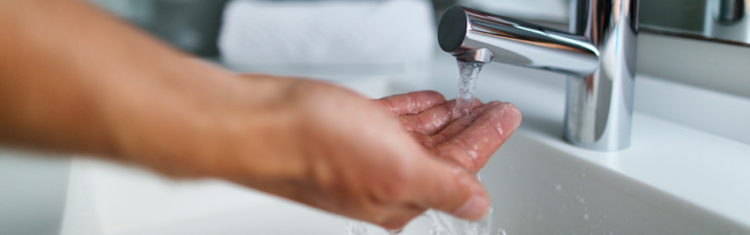
A shower that barely trickles. Pipes that bang and groan in the night. Taps that run strong in one room and struggle in another. If any of this sounds familiar, water pressure is almost certainly at the root of it. Water pressure is something most of us take for granted until it goes wrong, and when it does, it can make daily life genuinely frustrating. The good news is that understanding the cause of your problem is half the battle, and many of the solutions are simpler than you might expect.
In this guide, we'll walk through everything you need to know: what water pressure actually is, how to check yours, what's causing it to drop (or spike), and how to fix it, including the specific challenges that come with combi-boilers.
What is Water Pressure?
Water pressure is the force that moves water from the household mains supply into your pipes, and out through your taps, showers, and toilets. Water pressure is measured in bars, with 1 bar roughly equal to the force needed to push water 10 metres up into the air.
Too low, and you’re left with a weak shower, a barely-there shower, and potentially a lack of water throughout the house. Too high, and your outlets will be irregular, which could lead to leaks and banging in your pipes.
What is Normal Water Pressure for a House?
Water regulator Ofwat states that all water providers must provide at least 0.7 bar of static pressure (equivalent to 7m head) at the end of their communication pipe - so if you're getting less than that, your provider is falling short of their legal obligation. In practice, good household water pressure ranges from 3 to 4 bars, at which most appliances and showers perform best.
Is 2-Bar Pressure Good?
2-bar pressure is above the minimum requirement set by Ofwat, so it should meet the basic needs of your average household. However, you may notice appliances struggling if you're running more than one at a time. If your home is consistently at 2-bar, it's worth investigating ways to increase your water pressure if your house is at this level.
How to Measure Water Pressure
If you think something is wrong with your water pressure, it is fairly easy to check what is going on. Before you start troubleshooting, it helps to know exactly what you're working with. There are two straightforward ways to check:
A) The Jug Test
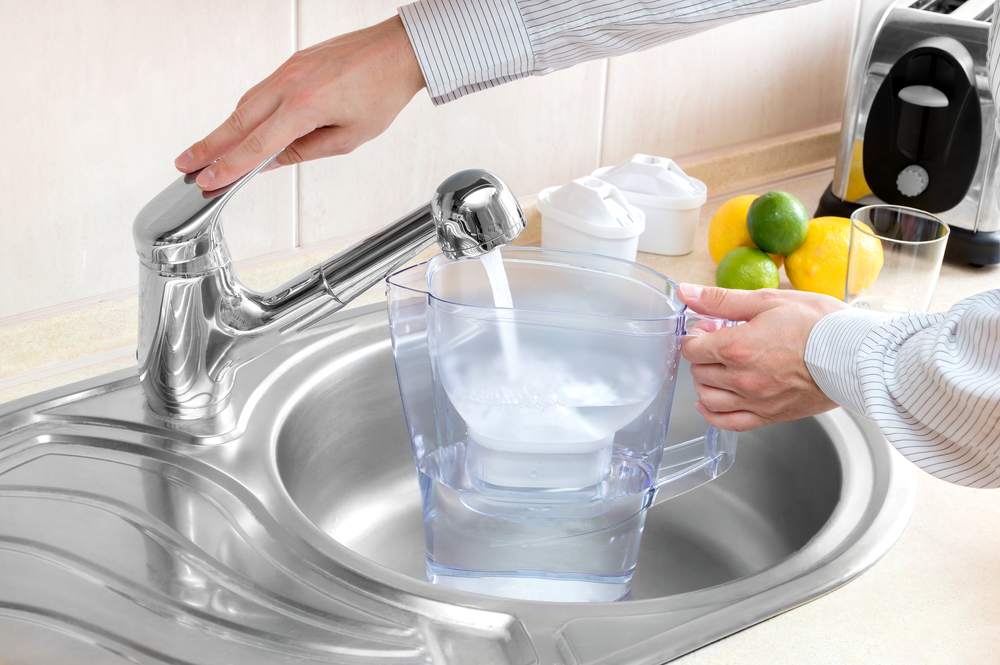
- Make sure all taps and other water appliances (dishwashers, washing machines) are switched off.
- Turn your cold kitchen tap on all the way.
- Hold a large measuring jug under the tap for exactly six seconds.
- Multiply the amount of water you have collected by 10 to get your flow rate in litres per minute.
So, if you collected 0.8 litres of water in six seconds, your water flow rate will be eight litres per minute. If you are getting less than 10 litres per minute, there is a lot of room for improvement. Water flow around the 15 litres per minute mark is considered good.
B) The Pressure Gauge Test
For an exact bar pressure reading, attach a pressure gauge, a diagnostic tool that measures and monitors the pressure of liquids or gases in systems, to an outdoor tap and turn it on fully. This gives you a precise figure to work from and is particularly useful if you're planning to install a new shower system or boiler.
What's the Difference Between Flow Rate and Water Pressure?
Water pressure is the force behind your water supply. Flow rate is how much water actually comes out per minute. Both matter - you can have reasonable bar pressure but still suffer poor flow due to pipe restrictions or blockages. The jug test measures flow rate; a pressure gauge measures bar pressure directly.
What Causes Low Water Pressure?
At a base level, your water pressure is determined by where your house sits in relation to the water supply network. If you live above your local reservoir, or on a hill, your pressure is likely to be lower than that of someone who lives on low-lying ground.
There are plenty of things in your home that can also contribute to low pressure. If your water pressure is low throughout your house, it may indicate a problem with the shut-off valve on your Pressure Reducing Valve (PRV). The valve may have been turned slightly or needs replacing. Low water pressure can also be caused by leaks or blockages in your plumbing. If you suspect you have a property-wide water pressure problem, contact a qualified plumber who can provide more information.
What Causes Low Water Pressure in Showers?
If the rest of your home seems fine but low pressure is isolated to your shower, it might indicate a problem specific to that area. Common causes of low water pressure in showers include:
- Old low-flow showerheads: These old designs were meant to help economise water, but this can mean they are very weak, especially if they have been in use for a while.
- Blocked shower heads: Limescale and other mineral deposits can form over time and clog up your showerhead. This limits the water flow you’re getting.
- Faulty pressure regulators: Pressure regulators in shower heads are designed to give a constant flow of water. If they are faulty, it can result in low pressure.
- Single control shower issues: When single control or single lever showers get old, the part that controls water flow can become damaged, meaning you are left with low pressure from your showerhead.
How to Increase Water Pressure
If your problem is property-wide, it is likely related to your home, such as a partially closed internal stop valve, or to the infrastructure of your local water supply network. This can be tricky to rectify on your own, so it is worth contacting a qualified plumber to properly diagnose the issue. They can advise on ways to get the most from your water supply and plumbing, and may be able to install a pressure booster to your mains.
How to Improve Water Pressure in the Shower
If low pressure is specific to just your shower, you can try the following:
- Clean or replace your shower head: Old shower heads can sometimes get past their best, with blockages or worn parts preventing proper water flow. You can check the state of your shower head by removing it from the hose and looking through it. If you think this is the case, try a new shower head.
- Replace your shower system: If you are running on a non-combi boiler, your shower is likely to work by taking water from a cold-water tank on your property and heating it up for you to use. If this is the case in your home, you might get better pressure by installing an electric shower, fed from the rising main.
- Install a power shower: Power showers will only work if you do not have a combi-boiler. They work by having a booster built into them, which increases your water pressure as it exits the shower head.
- Purchase a special low-pressure shower head: Low-pressure shower heads are specifically designed to maximise water flow in homes that have low pressure. It works by distributing the water in a certain way, in order to get the most from it. You can also find low-pressure shower systems, which works with water pressure as low as 0.1 bar.
How to Increase Water Pressure in Showers with Combi-Boilers
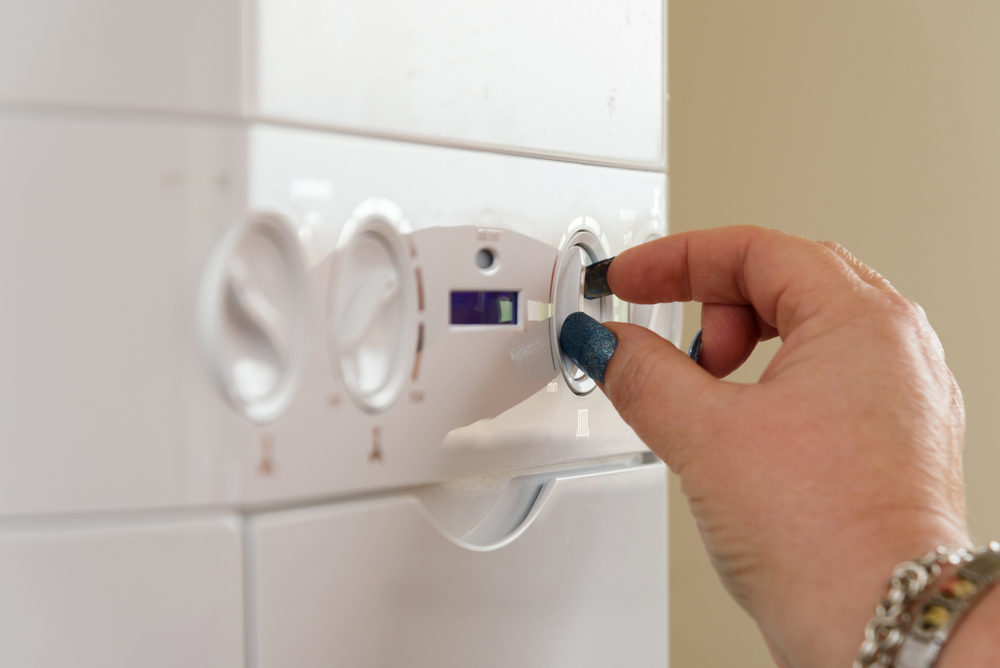
If you have a combi-boiler, it can be a little more challenging to increase the water pressure in your shower. This is because most of the methods used with non-combi boilers (such as installing pumps and boosters) are not applicable to combi-boilers.
If you are looking at getting a combi-boiler, or are looking to improve water pressure in your shower with one, consider the following:
- Combi-boilers work best with 12 to 15 litres per minute flow rates: If you are still in the pre-installation stage of buying a boiler, consider your flow rate to make sure a combi is the best choice for you.
- Choose an electric shower system: Electric shower systems give an even water pressure and can be great teamed with a combi-boiler. To see the best showers to choose if you have this type of heating system, check out our guide to the best showers for combi-boilers.
Find the Right Solution for Your Home
Water pressure shapes your entire bathroom experience, and it's one of the first things to consider when planning a new shower installation or system upgrade. Whether you're replacing an ageing showerhead or rethinking your setup entirely, contact our team to help you find the right solution for your home and water supply.

