What Is a Cold Start Tap? How Energy-Saving Taps Work
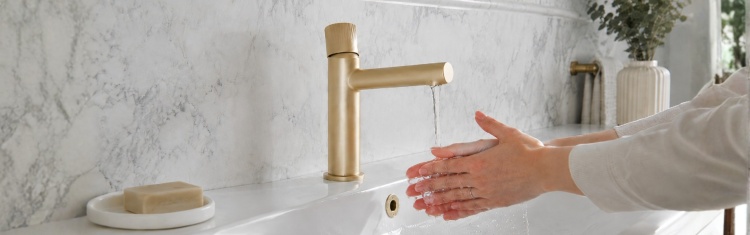
When choosing a new tap, most people focus on the finish, shape and overall style. Chrome or brushed brass? Round or square? Modern or traditional? But inside the tap, there can also be clever features designed to make your bathroom more energy efficient. These features are often what separate a standard mixer from an energy-saving tap or a more eco-friendly bathroom tap.
One of the most useful examples of such features is Cold Start technology. Found on selected modern mixer taps, it helps reduce unnecessary hot water use during brief everyday tasks. Over time, that can make a genuine difference to your energy use and support a more energy-efficient bathroom. This guide will run you through how Cold Start technology works, how it saves energy, what it costs, which brands offer it and what to look for when choosing one for your bathroom.
- What Is Cold Start Technology?
- How Does a Cold Start Tap Work?
- How Do Cold Start Taps Save Energy?
- What are the Benefits of Cold Start Taps?
- What are the Downsides of Cold Start Taps?
- How Do I Know if I Have a Cold Start Tap?
- How Much Do Cold Start Taps Cost?
- Who Should Choose a Cold Start Mixer Tap?
- Should Your Next Tap Be a Cold Start?
What Is Cold Start Technology?
Most conventional single-lever mixer taps, whether deck- or wall-mounted - for the basin or the bathtub - inadvertently blend a small amount of hot water into the flow when the handle is raised from its default central position. You'll probably never notice it - the water feels cool enough - but behind the scenes, your boiler has been called into action, heating water that nobody will use and burning energy that nobody asked for.
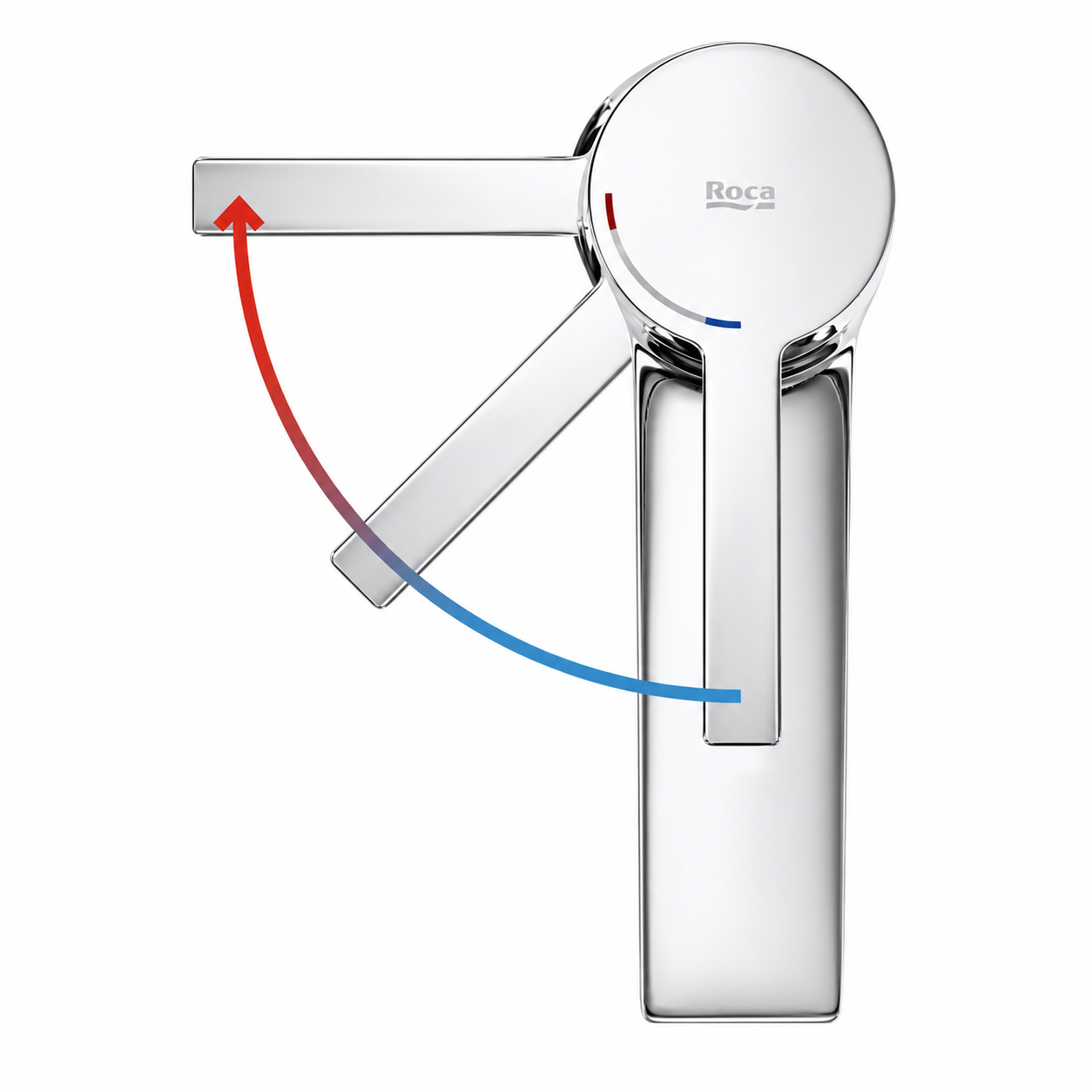
Cold Start technology changes that default. When the handle is used from its central position, only the cold supply runs. Hot water is introduced only when you deliberately move the lever (usually to the left), past a defined threshold.
How Does a Cold Start Tap Work?
The difference comes down to the cartridge: the internal valve mechanism that controls flow and temperature. In a conventional mixer tap, the cartridge lines up with both the hot and cold water inlets simultaneously. Even when the lever sits centrally, the hot supply is partially open, which is enough to trigger your heating system every time the tap is used.
A Cold Start cartridge is engineered differently. In its default position, it aligns only with the cold inlet, keeping the hot inlet closed entirely. The cold-water zone around the centre point is also significantly wider; roughly 30 degrees compared with as little as 5 degrees on a conventional cartridge. You have to make a deliberate left turn of the lever before the hot supply begins to open, and even then, it opens gradually rather than all at once.
How Do Cold Start Taps Save Energy?
A single unnecessary hot-water draw from a basin mixer tap wastes a small amount of energy. The Energy Saving Trust advises using cold water where hot water is not needed, noting that reducing hot water use can also help save on energy bills. The problem with conventional mixer taps is how often unnecessary hot-water draws can happen. Every handwash, every quick rinse, every time someone brushes their teeth: in a busy household, that could be dozens of times a day when a conventional mixer pulls heated water into the pipework for no reason. This is because that water rarely reaches the spout before the tap is turned off. Instead, it sits in the pipes, cools down, and the energy used to heat it is lost entirely. Over weeks and months, those small, repeated draws add up to a meaningful amount of wasted gas or electricity.
Because a Cold Start tap keeps the hot inlet closed during those brief, routine uses, the cycle never starts. Hot water is not drawn through the pipework until someone actually needs it, and the energy that would have gone into heating and reheating unused water is saved. The same principle applies to bath mixer taps, where the potential savings are even greater. Bath taps operate at a significantly higher flow rate than basin taps, which means a conventional bath mixer left in its central position draws a larger volume of hot water into the pipework with every use.
Manufacturer evidence suggests Cold Start technology can reduce unnecessary hot water use, although savings vary by product and household. In a Swedish test project reported by FM Mattsson Group, replacing standard mixers with intelligent energy-saving mixers reduced total hot water consumption by 30% compared with reference apartments. Those mixers combined Cold Start with an integrated flow restrictor, so the figure should be treated as an indication of potential savings rather than a guaranteed result for every Cold Start tap. Actual savings will depend on how often the tap is used, the hot water system, pipe length, flow rate and user habits.
What are the Benefits of Cold Start Taps?
Cold Start technology is a small change in cartridge design, but beyond the energy-saving benefits, it offers more than you might expect.
Increased Safety
The safety benefits of Cold Start are worth mentioning. Because the tap defaults to cold, it reduces the chance of accidentally selecting hot water from the default handle position, thus reducing the likelihood of scalding. This can be useful in family bathrooms, although children should still be supervised around hot water and Cold Start should not be treated as a replacement for thermostatic safety controls.
Comfort and Convenience
Temperature is in your hands from the first second, rather than being dictated by your boiler. When you do want hot water, it comes through just as quickly as any conventional mixer, and the tap operates exactly the same way; no extra steps, no new habits to learn, just a fraction more lever movement to call on the hot supply when you actually need it.
Supports a More Efficient Bathroom
Cold Start is best thought of as one part of a more efficient bathroom tap setup. It can help make a mixer tap more energy efficient by reducing unnecessary hot water use, while other features, such as tap aerators, flow limiters and reduced-flow cartridges, help control the amount of water used. That distinction matters when comparing eco-friendly bathroom taps. A Cold Start tap improves hot water tap efficiency, but it is not automatically a low-flow tap. For the best result, look for an energy-saving tap that combines Cold Start technology with water-saving features and a durable ceramic disc cartridge.
What are the Downsides of Cold Start Taps?
Cold Start technology is generally simple to use, but it may not be the right priority for every bathroom. As with any tap feature, its value depends on how the tap is used and what the customer expects from their tap.
Confusion with Other Technologies
Cold Start is not the same as a thermostatic tap, anti-scald control, low-flow tap or sensor tap. It changes the tap’s default starting position, but it does not automatically regulate temperature or reduce flow.
Savings Will Vary
Cold Start taps can reduce unnecessary hot water use, but the actual savings depend on the tap location, pipe length, hot water system, household habits, and how often the tap is actually used.
Fewer Style Options
Not every tap range includes Cold Start technology, so customers may have a smaller choice of finishes, shapes and price points compared with standard mixer taps.
How Do I Know if I Have a Cold Start Tap?
The easiest way to check is to look at the handle marking and how the tap behaves from its resting position. Many Cold Start taps have a colour-coded indicator on the top or side of the handle, usually showing a larger blue cold-water zone and a red hot-water zone further around the lever movement.
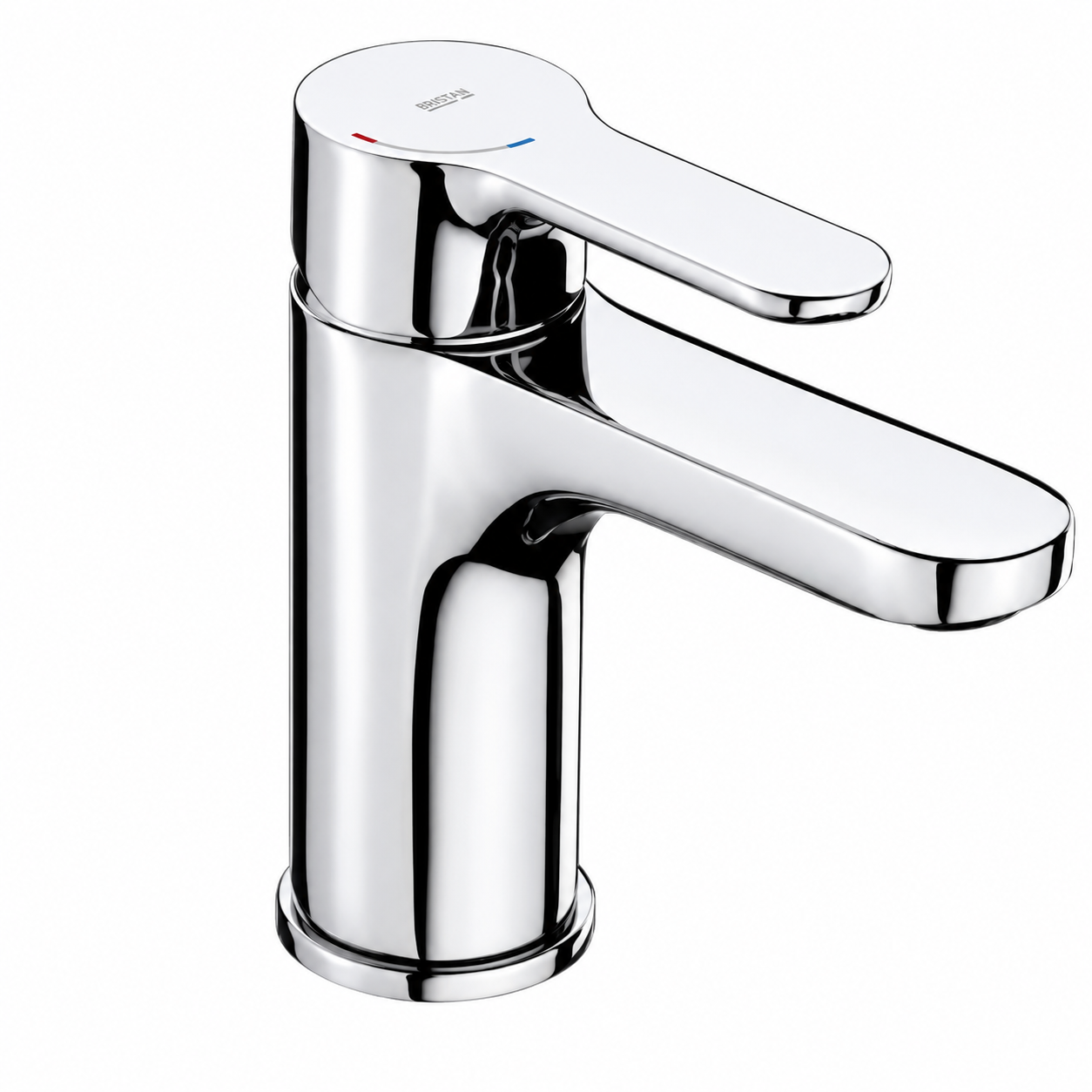
If there is no visible marking, turn the tap on from its central position and check whether only cold water runs. Then move the handle towards the hot side and see whether warm water is introduced gradually. This can give you a useful clue, although it is not always conclusive. In older homes, or in bathrooms where the tap is some distance from the boiler or hot water cylinder, a standard mixer tap may run cold at first while hot water travels through the pipework.
For certainty, check the product specification, installation guide, or model number. Manufacturers may describe the feature as Cold Start, CoolStart, Eco Start, or cold-water start technology.
How Much Do Cold Start Taps Cost?
The good news is that cold start technology does not come with a significant price premium. In most cases, they are priced in line with other mid-range and premium mixer taps, rather than being a completely separate product category. The cost will depend on the brand, finish, design, size, and whether the tap includes other features.
Brands such as Bristan offer Eco Start basin mixers across a broad range of styles, with many models priced around £100-£150. Abacus Cold Start options, including selected Iso basin mixers, typically sit between £100 and £200. In comparison, Roca Cold Start models often start at around £150, with premium ranges such as Ona reaching £250 and above.
Cold Start, CoolStart and Eco Start: What's the Difference?
Cold Start is the general term for this type of cartridge technology, but several manufacturers use their own branding. The underlying principle is the same across all of them - cold water by default, hot water on demand - but the naming varies.
- Hansgrohe uses the term 'CoolStart' across its basin mixer ranges. The technology works in the same way: the lever's central position delivers only cold water, and the heating system is not activated until the user deliberately moves towards the hot side.
- Roca refers to the technology simply as 'Cold Start' and applies it across selected brassware lines, including several basin mixers suited to both main bathrooms and cloakrooms.
- Bristan takes a slightly different branding approach and uses the term 'Eco Start', which covers a range of energy-conscious taps designed to reduce unnecessary hot water consumption. The mechanism is functionally the same.
- Abacus uses the term 'Cold Start' across its Iso range of basin mixers, offering the same cartridge behaviour at a competitive mid-range price point.
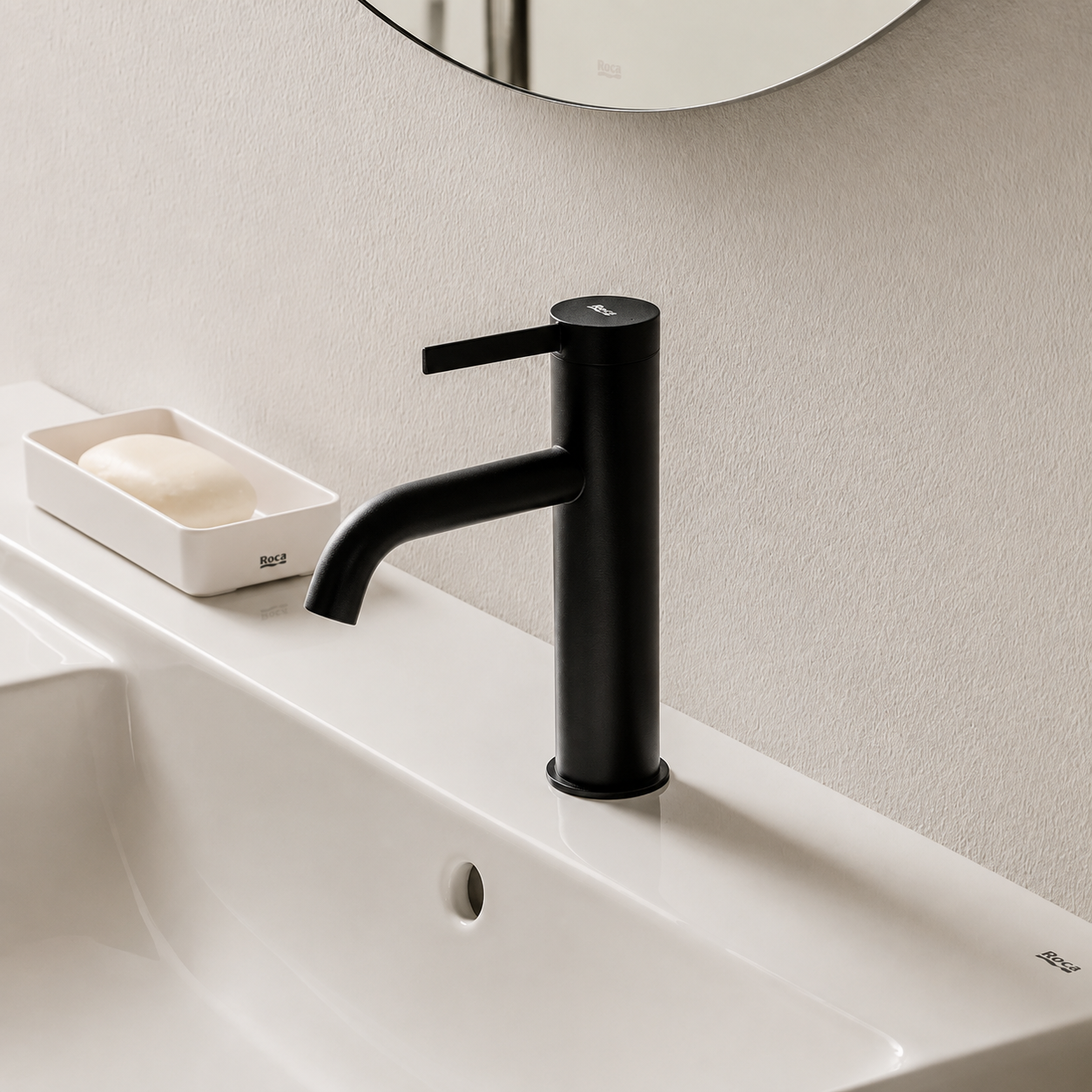
Roca Ona Matt Black Basin Mixer Tap
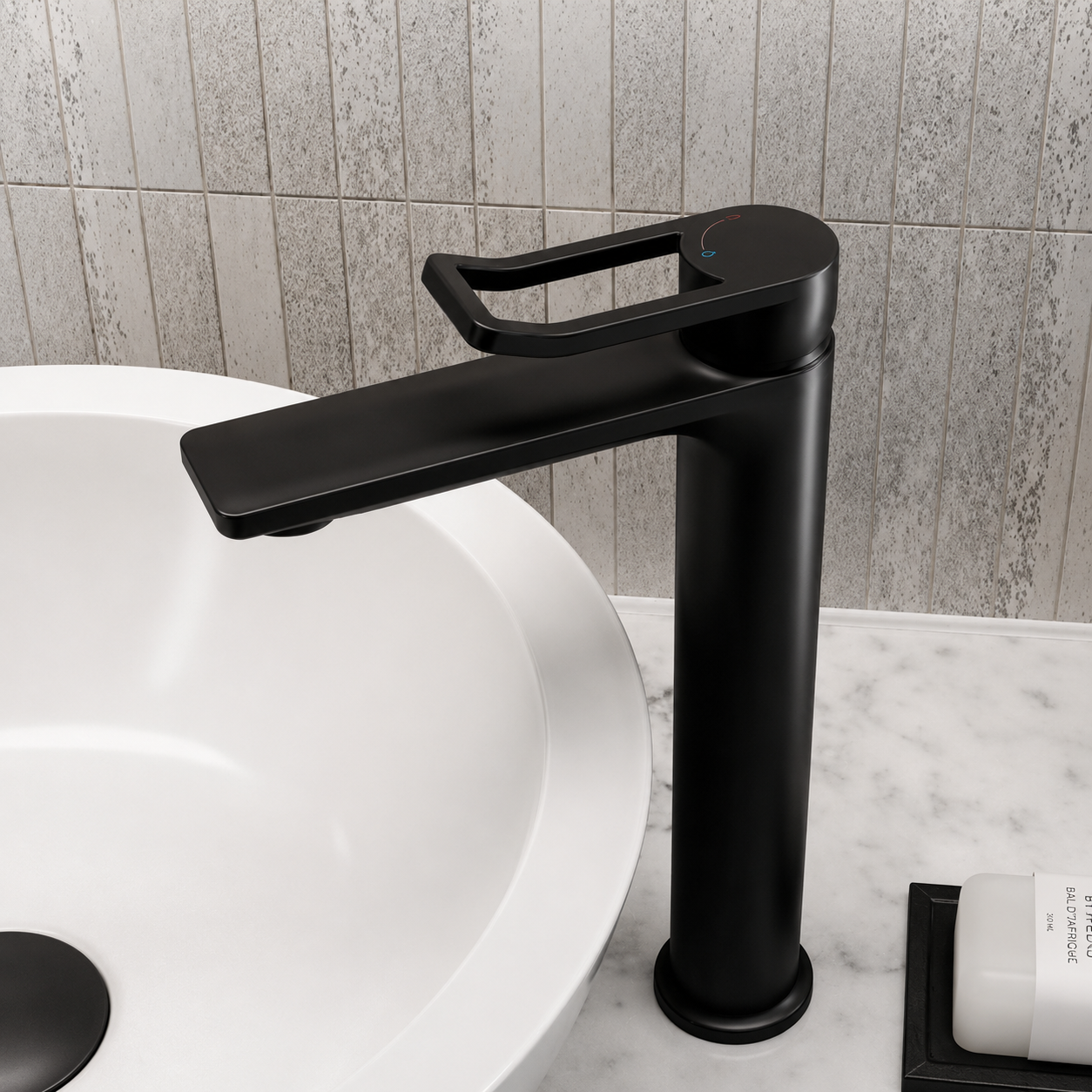
Bristan Saffron Black Tall Basin Mixer Tap
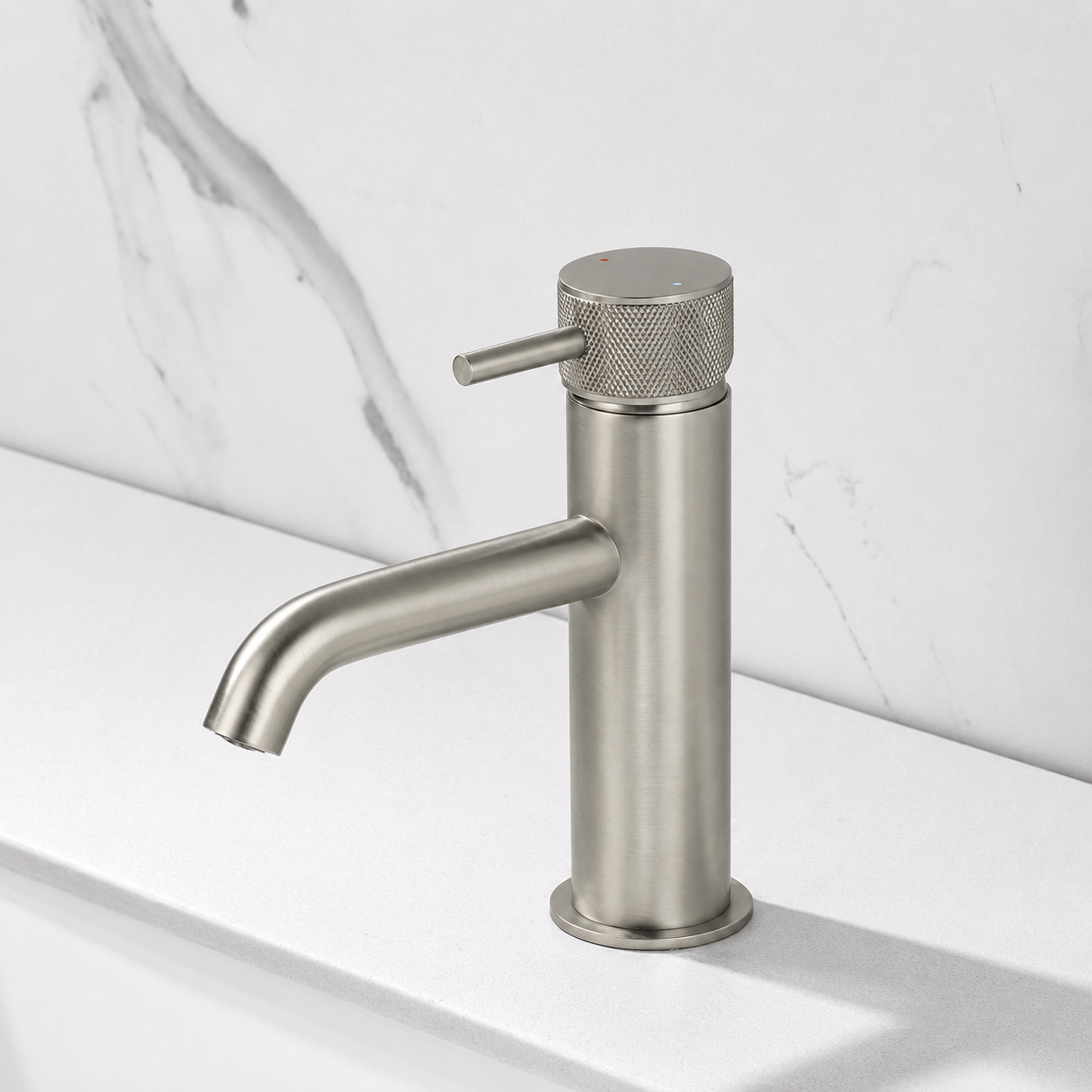
Abacus Iso Pro Brushed Nickel Basin Mixer Tap
When comparing taps from different manufacturers, the brand name matters less than the underlying cartridge behaviour. If the product description confirms that the central lever position delivers cold water only, you are looking at the same core technology regardless of what it is called.
Who Should Choose a Cold Start Mixer Tap?
Cold Start mixer taps are a sensible choice for most bathrooms, but there are a few situations where they make particularly good sense.
- Households conscious of energy costs will see the most immediate benefit, especially where the bathroom basin gets heavy daily use. If you are fitting out a new bathroom or replacing an existing basin tap, choosing a Cold Start model adds no complexity to the installation and typically sits at a similar price point to a comparable conventional mixer.
- Ensuites with cloakroom basins are arguably the strongest case. Such taps are used almost exclusively for quick handwashes - exactly the kind of brief, cold-water task where a conventional mixer would be drawing hot water for no reason. A compact Cold Start basin mixer in a cloakroom is one of the most efficient choices you can make.
- Families with young children may also want to consider Cold Start for the added safety benefit. A tap that defaults to cold removes the risk of a child lifting the handle and getting an unexpected burst of hot water before an adult has had a chance to check the temperature.
- Anyone putting together an eco-friendly bathroom will also find Cold Start technology a natural fit alongside water-saving features like aerators and flow limiters. It complements those measures rather than replacing them - reducing energy waste on the heating side while flow-limiting devices handle the water consumption side.

FAQs About Cold Start Taps
Is Cold Start technology suitable for all water systems?
Most Cold Start mixer taps are suitable for standard domestic hot and cold water systems, but compatibility depends on the individual product. Always check the minimum and maximum water pressure requirements before buying, especially if you have a low-pressure gravity-fed system.
Do Cold Start taps make water colder?
No. Cold Start taps do not lower the temperature of your water supply. Instead, they simply start with cold water when the handle is in its central position. When you move the lever towards the hot side, the tap mixes in hot water like a normal mixer tap.
Do Cold Start taps work with combi boilers?
Yes, many Cold Start taps can work with combi boilers. They may be particularly useful with combi systems because hot water is heated on demand, so avoiding unnecessary hot water draw can help reduce needless boiler activation.
Should Your Next Tap Be a Cold Start?
Cold Start technology is not a dramatic overhaul of how your bathroom works; it is a small change inside the cartridge that stops your boiler from firing up when it does not need to. It asks nothing of you, no new habits or compromises on comfort, and it chips away at wasted energy every time the tap is used. Whether you are renovating a new bathroom, updating a cloakroom or replacing a tired basin mixer, it is one of the easiest and most affordable efficiency gains available.
If you are not sure where to start, get in touch with our team for advice on Cold Start taps, eco taps and energy-saving bathroom tap options that suit your bathroom and water system.

