What Is a Tap Aerator? Benefits, Sizes and How to Fit One
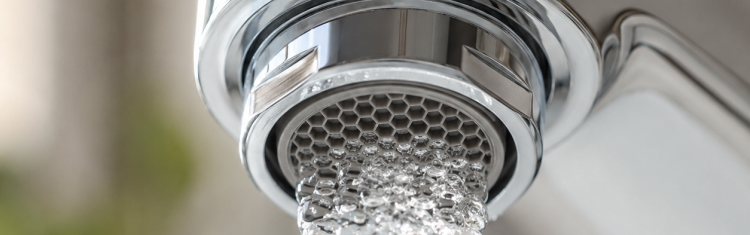
Tucked inside the tip of many modern bathroom taps - often without the homeowner even knowing it's there - the humble tap aerator is quietly responsible for saving UK households thousands of litres of water every year. What’s more, it's one of the best bathroom upgrades you can make, one that can quickly pay for itself many times over, all without you noticing any difference at the sink.
Whether you're planning a bathroom renovation, looking to get your water bill under control, or simply wondering why your tap water is so silky smooth, understanding what this tiny component does is well worth a few minutes of your time.
- What is a Tap Aerator?
- What Does an Aerator Do?
- The Benefits of Tap Aerators
- How Do I Know if I Have a Tap Aerator?
- How to Choose the Right Tap Aerator
- How to Fit a Tap Aerator
- Upgrade to an Aerated Tap Today
What is a Tap Aerator?
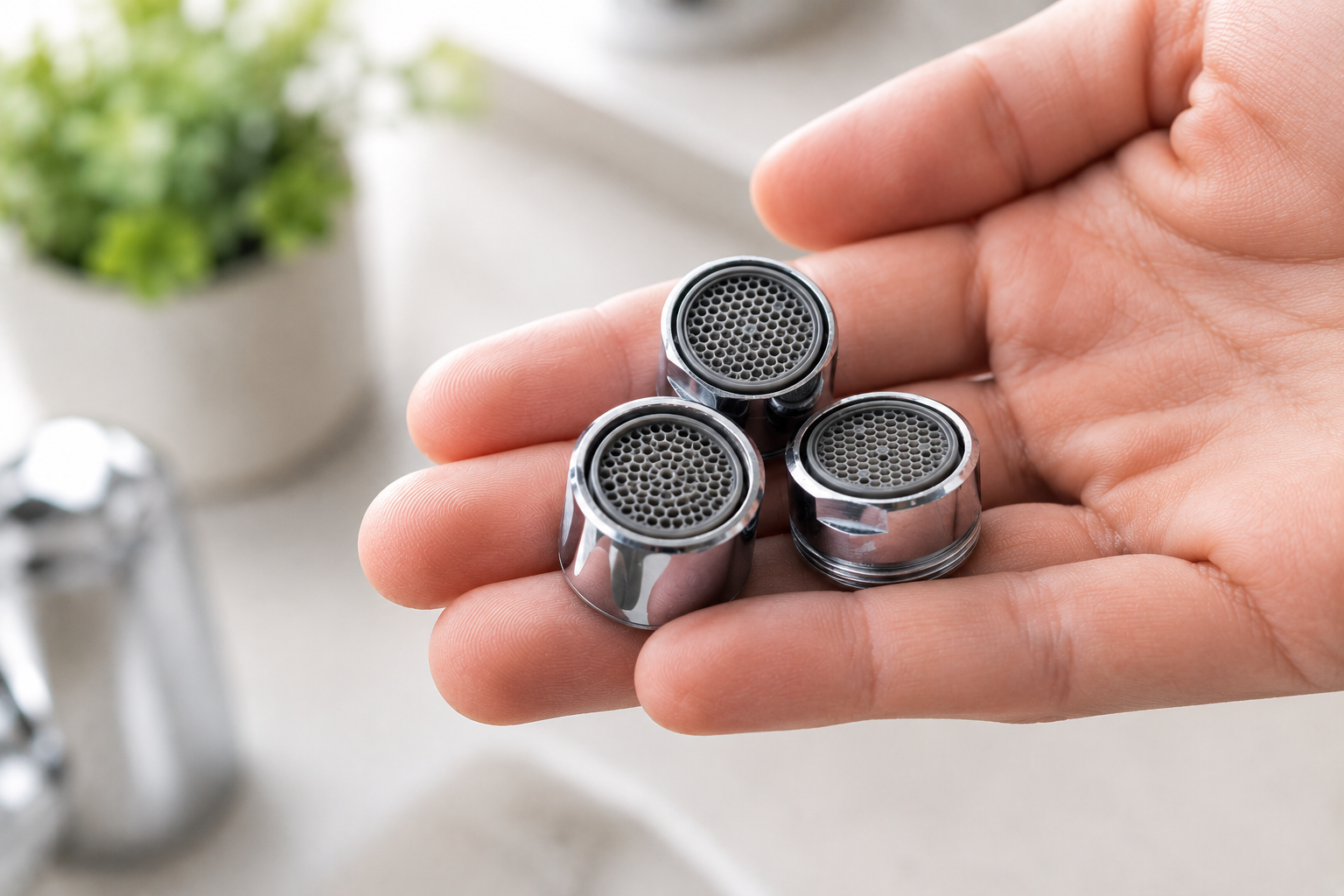
If you've ever unscrewed or investigated the spout of a basin tap, you've probably already spotted one - a small, cylindrical fitting packed with a fine-mesh screen. That's your aerator. You'll also hear them called flow regulators, flow restrictors, flow straighteners, water-saving inserts and even a mousseur, but the function remains the same.
At its core, this small attachment is designed to restrict the volume of water coming out of your tap without actually feeling like it.
What Does an Aerator Do?
Unsurprisingly, it aerates! In this case, that means mixing air with the water stream emerging from your tap. When the tap is turned on, water is forced through the aerator’s layered mesh screen. This separates the formerly singular stream into multiple smaller ones, drawing air into the gaps in between them.
Once this has occurred, the tap’s output feels every bit as satisfyingly pressurised as an unrestricted flow. Better still, the stream is also physically bulkier and infused with a soft, skin-friendly frothiness, all while consuming far less water than non-aerated taps. It's a remarkably simple bit of engineering - no moving parts, no power source, just physics doing the heavy lifting.
The Benefits of Tap Aerators
Of course, as with anything physics-related, there's more to tap aerators than meets the eye. That small gadget at the end of your spout is working harder than you might think, and here's how:
1) Lower Water Use
The biggest benefit of an aerated tap is the reduction in the amount of water passing through it. A standard, non-aerated tap might push through 12 litres per minute or more. Fit an aerator, and that drops to around 5 or 6 - a reduction of up to 50%.
Waterwise estimates that tap aerators can save households around £30 annually on their water bills, depending on the existing flow rate and how the tap is used. And, with water scarcity an increasing concern across the UK, every litre saved at the tap counts more than ever.
2) Reduced Energy Use
Bathrooms get through just as much hot water as cold, which means plenty of expensive work for your boiler or immersion heater. This might sound obvious, but if less water passes through your tap, then less water needs to be heated. Thus, an aerated flow means a reduction in the amount of energy expended by your hot water system. In fact, Waterwise reports annual savings of £45 for households utilising water flow aerators.
3) Improved Comfort
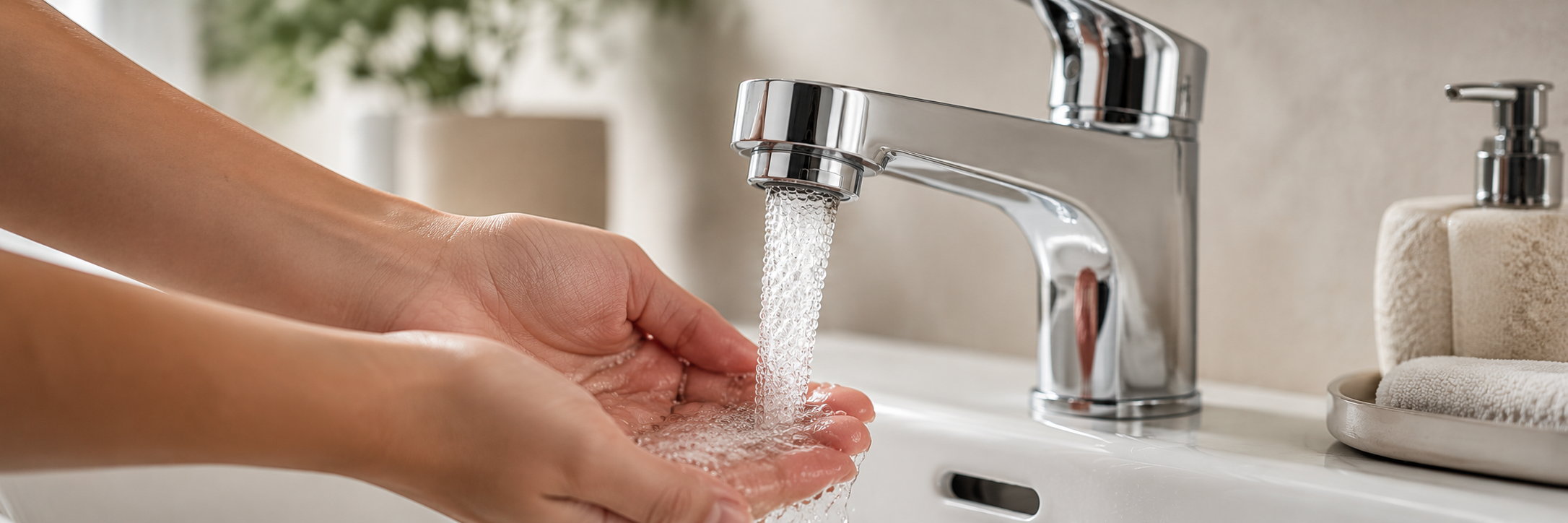
The flow from an unrestricted tap can sometimes feel hard and sporadic, especially if your household water pressure sends it hitting your hands at speed. The air-infused stream from an aerated tap is softer, silkier and more luxurious, making it noticeably more comfortable. This improves everyday tasks such as washing your hands and face, without needing a whole new tap or a complicated plumbing upgrade.
4) A Quieter Bathroom
Aerated water is less noisy, hitting the bathroom basin more softly than a non-aerated stream. This might seem a small thing, but it's definitely noticeable in a silent bathroom first thing in the morning or late at night – especially if everyone else is asleep!
5) Debris Control
Because the aerator’s mesh screen sits between the pipework and your tap’s spout outlet, it serves as an effective debris-catching barrier. This prevents grit and limescale flakes from passing through the tap. It's a minor yet welcome perk, particularly in older properties with flaky pipes.
6) Less Splashing
The gentler stream means far less splashing, keeping your surrounding walls, floor and vanity unit nice and dry. This means fewer limescale spots and water marks, particularly in susceptible spots such as grouting or the base of your tap. In turn, that results in far less cleaning and maintenance.
7) Cost-Effective
A quality tap aerator typically costs under £10, screws in by hand in less than a minute, and needs nothing more than the occasional clean to keep performing. Compared with most bathroom improvements, this is one of the easiest budget-friendly DIY upgrades you’ll ever tackle.
How Do I Know if I Have a Tap Aerator?
The easiest way to check is to look at the end of your tap spout. If you can see a small, circular disc with a mesh or grid pattern, that's your aerator. They come pre-fitted as standard on most modern basin taps, but older models may not necessarily have them by default. If the tip of your spout looks like a plain, open hole with no visible screen, chances are there isn't an aerator fitted.
If you’re still unsure, you can also try unscrewing the tip by hand. Most aerators twist off anticlockwise. If yours is stuck, wrap a cloth around it and gently loosen it with pliers. Once removed, you'll see the stacked mesh screens inside the housing.
How to Choose the Right Tap Aerator
If you're replacing an existing aerator or fitting one for the first time, there are a few things to get right before you buy.
Thread Type
Aerators come in two thread types: male and female. A male aerator has external threads and screws into the inside of the spout tip, while a female aerator has internal threads and fits over the outside of the spout. To identify which type you need, simply look at your tap. If you can see threads on the outside of the spout tip, you need a female aerator. If the threads are recessed inside the opening, you need a male one.
Size
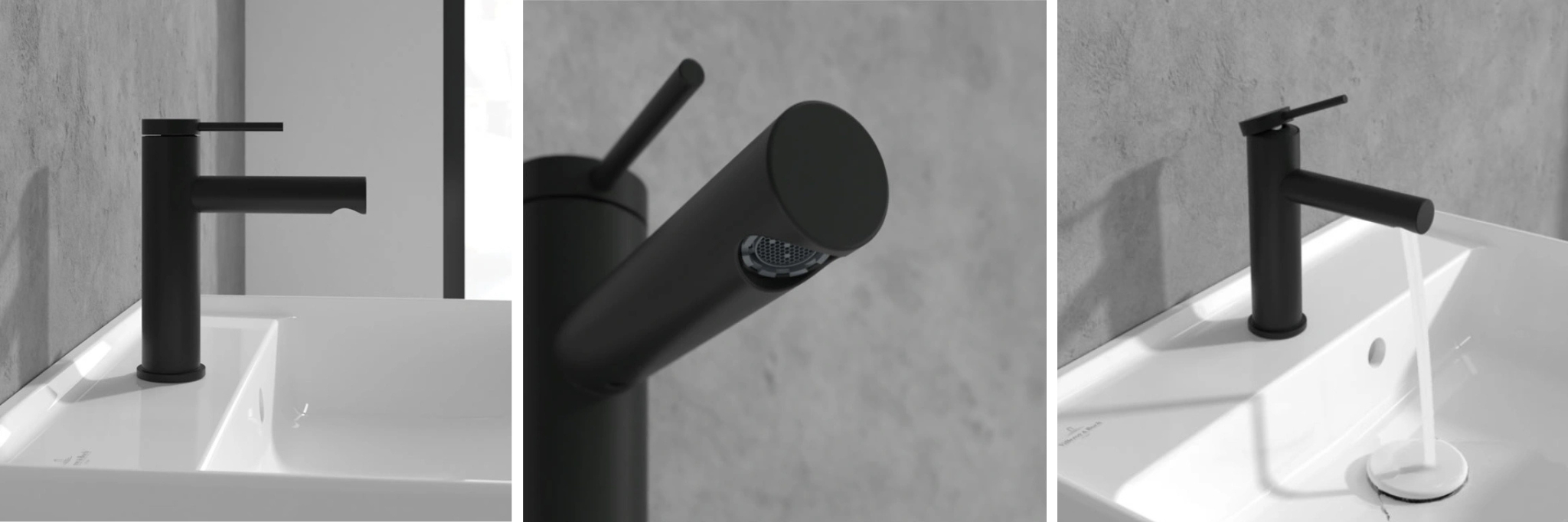
Aerators are measured by thread type in millimetres. In the UK, the most common sizes are M24 (24mm) for male fittings and M22 (22mm) for female fittings. These two sizes cover the vast majority of standard basin taps and mixers from brands such as Crosswater, JTP, and Villeroy & Boch. However, some designer taps use uncommon sizes (such as M28 or M18), so it's always worth checking the manufacturer's specifications.
Flow Rate
Most tap aerators are designed with a specific flow rate, which determines how much water exits your tap per minute. For a basin tap, you might see 'eco' aerators at 2–5 l/min and 'comfort' aerators around 5–8 l/min. Select the desired band to hit your water-saving or comfort target.
Type
A standard aerator will suit most bathroom basins just fine. However, multiple designs and stream patterns are available. Here are the most common ones you'll find in a bathroom:
- Laminar Flow: Rather than mixing air in, a laminar flow aerator produces a solid, clear stream with no air at all. Now, you might be wondering how something that doesn’t aerate can still be classed as an aerator, and you’d be right to do so. While technically not aerators in the strictest sense of the term, laminar flow devices are frequently categorised under the broader aerator umbrella, as they still optimise water flow and reduce splashing.
- Spray: Breaks the flow into many fine jets or a patterned spray to give good rinsing and a decorative look while using very low flow rates. These are often marketed as ultra-low-flow water‑saving aerators for basins.
- Swivel: Swivel aerators include a ball joint between the aerator and spout, allowing you to angle the water flow in different directions. They’re particularly useful in taps with an otherwise fixed spout, as well as in smaller basin setups where directing the flow makes handwashing easier.
How to Fit a Tap Aerator
Tap aerators are very easy to install. To do so, just follow these simple steps:
- If you’re replacing an existing aerator, remove the old one by unscrewing it anticlockwise by hand. If this proves difficult, don’t force it. Instead, wrap a cloth around the housing to protect the finish and use a pair of pliers to ease it loose.
- Once removed, dislodge any debris and clean the limescale from the threads of the spout tip. This can often be done with a quick wipe from a damp cloth. For heavier buildups, soak the spout tip in lemon juice or vinegar for up to one hour.
- Next, check whether the tap has internal (female) or external (male) threads and match the new aerator with the correct threads.
- Measure the diameter of the threaded section and match it to the specified size (usually M22 or M24).
- Before fitting, check that the rubber washer is in place and sits flat between the aerator and the tap spout, helping create a watertight seal.
- Take your new aerator, line it up with the tap thread and screw it in clockwise by hand. Turn it slowly and gently to make sure the threads catch properly. With this step, there’s no reason to force it or use tools. Over-tightening can damage the threads or crack the housing.
- Lastly, turn the tap on and check how the water flows. A correctly fitted aerator should produce a smooth, even stream without leakage or sideways spray. If either of these happens, the aerator may be clogged, damaged or incorrectly seated.
FAQs About Tap Aerators
Is an Aerator The Same as a Flow Restrictor?
We mentioned earlier that many aerators are often called flow restrictors or flow regulators. While these terms are often used interchangeably with aerator, they are not always identical. An aerator mixes air into the water (unless it’s a laminar aerator, of course, but let’s not go there again), while a restrictor or regulator merely limits the volume of water passing through the spout. However, many modern tap aerators will do both.
Do Showers Use Aerators?
The same principle works overhead too. Shower head aerators introduce air into the spray so it feels full-bodied at a lower flow rate. If you've ever stood beneath a rainfall shower that felt drenching without hammering you with pressure, that's aeration at work. The difference is that shower aerators are typically built into the head's cartridge rather than being a separate screw-in part. Be sure to browse our shower head collection for fittings with built-in aeration.
Can You Fit an Aerator to Any Tap?
Most standard taps with a threaded spout tip will accept an aerator, and the majority of modern basin mixers come with one already fitted. Where it gets trickier is with certain designer or waterfall-style taps that use a wide, flat spout opening rather than a conventional round nozzle. These typically aren't designed to take a screw-in aerator. Some older taps may also have non-standard thread sizes, which can limit your options. If you're ever unsure, it's worth checking your tap's product specification or contacting the manufacturer directly before buying a replacement.
How Often Should I Clean My Tap Aerator?
Once every 3-6 months is a sensible timeline for an aerator cleaning. Sediment can gradually clog the mesh, diminishing the tap’s flow and creating uneven spray patterns. To clean an aerator, soak it in white vinegar for 20 minutes to loosen any buildup. Then gently scrub the screens with an old toothbrush and rinse with water before refitting.
How Often Should I Change My Tap Aerator?
A well-maintained aerator can easily last for several years. However, if you notice persistent low flow, uneven spray or visible corrosion, it's probably time for a replacement. In hard-water areas, you may need to swap your aerator out more frequently. The good news is that replacements are cheap and take seconds to fit, with no plumber required.
Upgrade to an Aerated Tap Today
Ultimately, a tap aerator is one of those rare bathroom upgrades where the effort is minimal, the cost is negligible, and the payoff is both tangible and immediate. If you're thinking about investing in new basin taps altogether, explore our bathroom tap collection.
Many taps come with high-quality aerators already built in, so the savings start straight out of the box. If you need a hand in identifying which taps include aerators and which don’t, please do get in touch with our team. We’re always happy to help!

