Types of Bath Shower Screens: A Complete Buying Guide
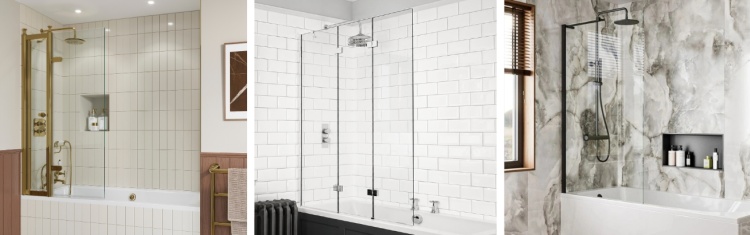
If your bathtub doubles as your shower, you need something to keep water off the bathroom floor. For a long time, that meant relying on a trusty old shower curtain. However, curtains have steadily fallen out of fashion in recent years, and the glass bath screen has assumed its position as the standard modern choice. It may sound like a minor fitting, but the type of bath shower screen you choose directly affects how well the bath is sealed against splashing, how easily you get in and out of the tub, how much space it takes up, and even how much cleaning you'll have to do.
With several types of screen on the market, it helps to understand how each bath shower screen works before you buy. This guide walks you through every type of bath shower screen sold in the UK, explaining how each one works and what kind of bathroom setting they function best in. it also covers the practical details - shape, features, sizing, measuring - that often catch people out.
- What is a Bath Shower Screen?
- Benefits of a Bath Shower Screen
- What are the Main Types of Bath Shower Screens?
- Bath Shower Screen Types: Pros and Cons at a Glance
- Bath Screen Styles
- Bath Screen Features to Look For
- Bath Screen Sizes UK and How to Measure
What is a Bath Shower Screen?
A bath shower screen is a toughened glass panel fitted to the wall and long edge of a bathtub's showering end. It helps to keep shower spray contained within the bath’s confines, reducing water splashes onto the surrounding floor and walls. Bath shower screens may be fixed, hinged, or folding, providing a more permanent, high-end alternative to the traditional shower curtain. They offer a sleek, easy-to-clean way to create a practical bath/shower combination.
You will sometimes see a bath shower screen described as a "shower door for the bath", especially on hinged models that swing open like a door. It does the same job either way - containing the water from an over-bath shower. If you have a separate shower rather than a bath, our guide to shower door types covers those instead.
Benefits of a Bath Shower Screen
For anyone deciding between a screen and a shower curtain, it helps to compare the two directly. A curtain has its merits, of course; it is cheaper than a shower screen, simple to operate, and easy to swap when the time comes. That's why curtains are still common in rented and family bathrooms. Screens, on the hand, pull ahead on the things that matter most over time: hygiene, durability, appearance and, most crucially, keeping water off the bathroom floor.
Hygiene
The clearest benefit of a bath shower screen is undoubtedly hygiene. Because a screen is a solid sheet of glass rather than flimsy fabric, it’s completely non-porous. Smooth glass prevents water, soap scum, bacteria, and the dreaded bathroom mould from sinking into the material. Moreover, because the glass is straight, moisture simply runs straight off rather than getting trapped in the murky folds of a curtain. A quick wipe keeps a glass panel clear, whereas curtains need regular washing or even replacing once mould stains have set in.
Longevity
A screen is a durable, long-term fitting that can handle daily use, all without the fading, tearing, and frequent replacement found with shower curtains. In fact, a standard glass shower screen can last between 10 and 20 years. Once fitted, a screen is a single investment that pays for itself over several years.
Appearance
Glass gives the bathroom a cleaner, more contemporary look than a curtain and rail. Clear glass also lets light pass straight through, so it keeps a small bathroom feeling open and uncluttered, whereas a solid curtain would box it in. Also, framed and semi-frameless finishes let you match the screen to the rest of the room, pairing it with your choice of brassware and decorative finishes rather than settling for whatever pattern the curtain came in.
Water Control
Because the glass is fixed and rigid, it directs water back into the bath far more reliably than a malleable curtain. There are no gaps to blow open and no billowing to let water onto the floor. A drier floor is, of course, a safer one.
If you’re still deciding between a screen and a traditional shower curtain, our guide to bath shower screens versus shower curtains compares the two in greater detail.
What are the Main Types of Bath Shower Screens?
Three types of bath shower screens are commonly available: fixed, hinged, and folding. This choice affects how much of the bath is protected, how much space the screen needs, and how easy everything is to clean and maintain. Below, we’ll examine each option to help you decide what’s best for your bathtub.
1) Fixed Bath Screens
The standard and most recognisable option for a shower bath, a fixed bath shower screen stays put and offers a straightforward, pared-back look that’s often hard to beat.
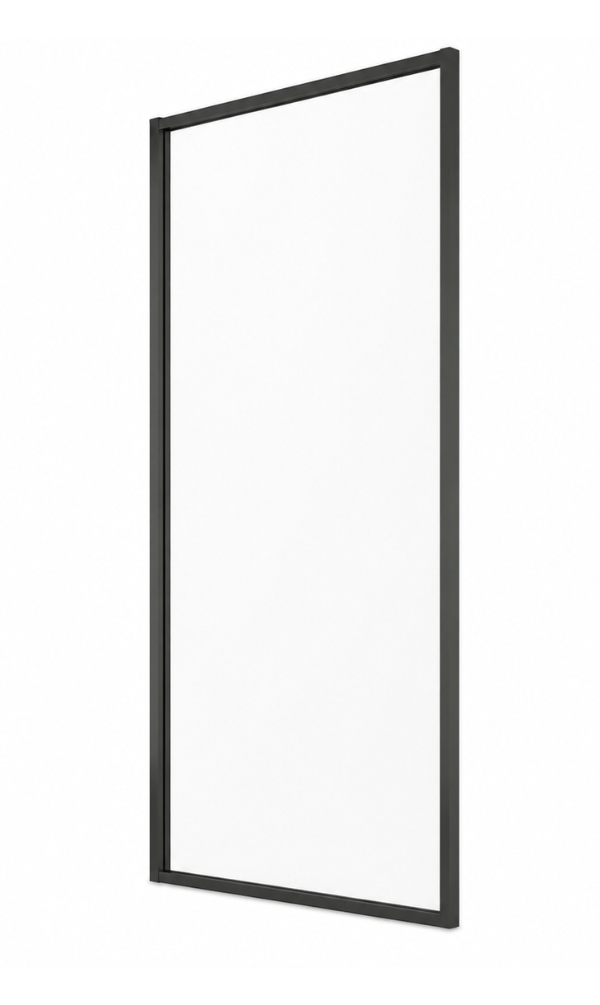
What is a Fixed Bath Screen?
A fixed bath screen is a stationary glass panel connected to the wall at the showering end of the bath. It does not move to open; you step around it to get in and out.
The draw here is simplicity. After all, a fixed bath screen is essentially just a panel of glass. Nothing can loosen or jam over time, and nothing is too demanding to keep clean. Additionally, with minimal supplementary hardware, it’s also the most affordable option.
How Does a Fixed Bath Screen Work?
There is little mechanism to speak of. A wall profile holds the panel in place at the showering end of the wall, offering a few millimetres of adjustment to accommodate potentially uneven walls. The screen is also often braced for rigidity using a glass-to-wall or inline bracing bar. Once fitted, it stands permanently in place, sealing the showering end of the bath while leaving the rest open for access.
The trade-off is coverage. Because the panel is fixed and covers only part of the bath's length, water can escape past the open end if the shower is angled the wrong way. It also can’t be folded back out of the way, so cleaning requires leaning around the glass.
2) Hinged Bath Screens
The most versatile of the big three, a hinged bath shower screen swings inwards or outwards, making both access and cleaning easier.
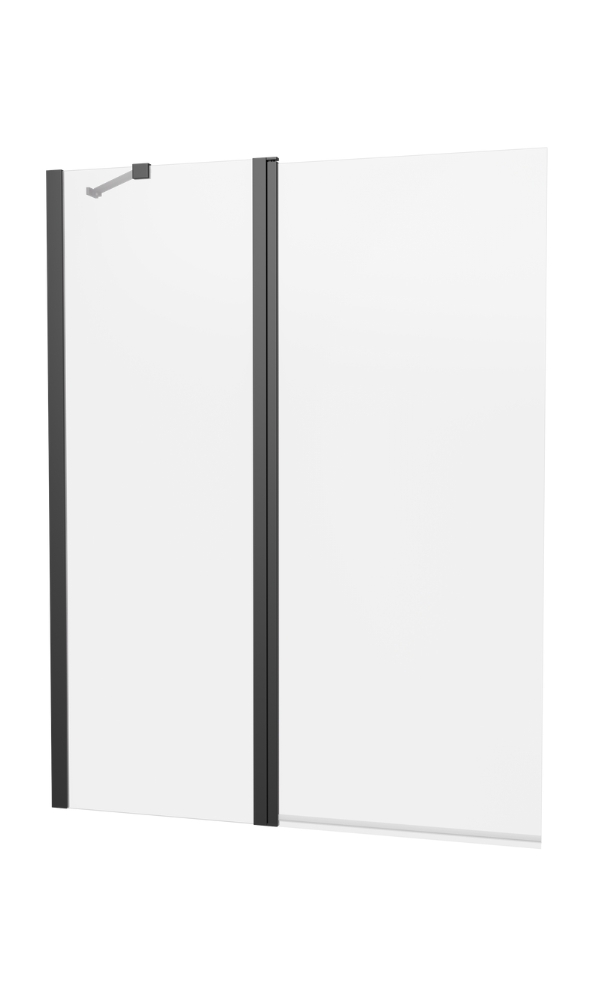
What is a Hinged Bath Screen?
A hinged bath screen is a glass panel attached to the wall with hinges. Some designs use a single hinged panel, while others combine a fixed inline panel with a shorter hinged section to provide wider splash protection when closed.
The main benefit is flexibility. A hinged screen swings clear of the bath’s edge, giving you space to get in and out, reach the taps, bathe your children/pets, and clean around the glass. This movement is the whole appeal - a screen you can push aside when you need to.
How Does a Hinged Bath Screen Work?
When you move it, the panel swings inwards over the bath or outwards into the room, depending on the model and installation. Many hinged bath screens offer up to 180 degrees of movement, allowing the panel to rest close to the wall when not in use. The available opening angle varies by product as well as the clearance around it.
Always check the screen’s opening arc against nearby sanitaryware and accessories, such as basins, toilets, radiators, and towel rails. A quality pivot or rise-and-fall hinge is a feature to look out for, as it helps the screen to clear the bath edge, operate smoothly, and close in the correct position. Durability ultimately depends on the product’s specification, installation, and maintenance.
3) Folding Bath Screens
When splash protection matters most, folding bath shower screens cover far more of the bath than a single panel. Better yet, they then fold away to leave the bath clear.
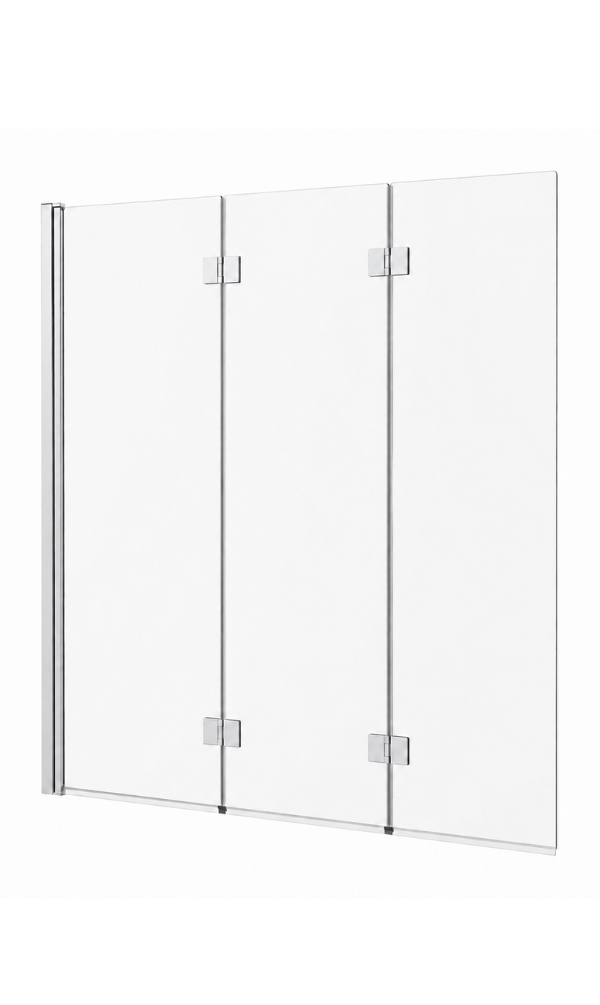
What is a Folding Bath Screen?
A folding bath screen, sometimes described as a multi-panel, bi-fold, or concertina bath screen, uses two or more glass panels joined by hinges. Common designs include two-panel and four-panel screens, with some ranges offering up to five panels.
The key advantage is coverage. When extended, a folding screen shields far more of the bath opening than a single-panel fixed or hinged screen. When folded away, it completely clears the bath again. This combination - maximum splash protection when you want it, an open bath when you do not - makes it a practical choice for a shower bath often used by different people for different things.
How Does a Folding Bath Screen Work?
The panels fold out across the bath’s edge to create a wide splash barrier. When you’re finished showering, you can simply concertina them back towards the wall. Some designs have a fixed first panel, while others are configured so that all panels fold together.
Because a folding screen is made up of several panels, it seals not just along the wall and bottom but between the panels too, closing the joins where water could otherwise escape. Manufacturers' instructions typically require a level bath, a properly aligned wall channel, and a bottom seal that lightly contacts the bath rim. For multi-panel screens, folding the panels inwards after use can help prevent water dripping onto the bathroom floor.
Bath Shower Screen Types: Pros and Cons at a Glance
Screen Type | Pros | Cons |
|---|---|---|
Fixed |
|
|
Hinged |
|
|
Folding |
|
|
Bath Screen Styles
Bath screens also come in a few different shapes and styles. The right choice should not only suit the look you’re after, but also match the bath's layout so the screen sits correctly and effectively contains shower spray.
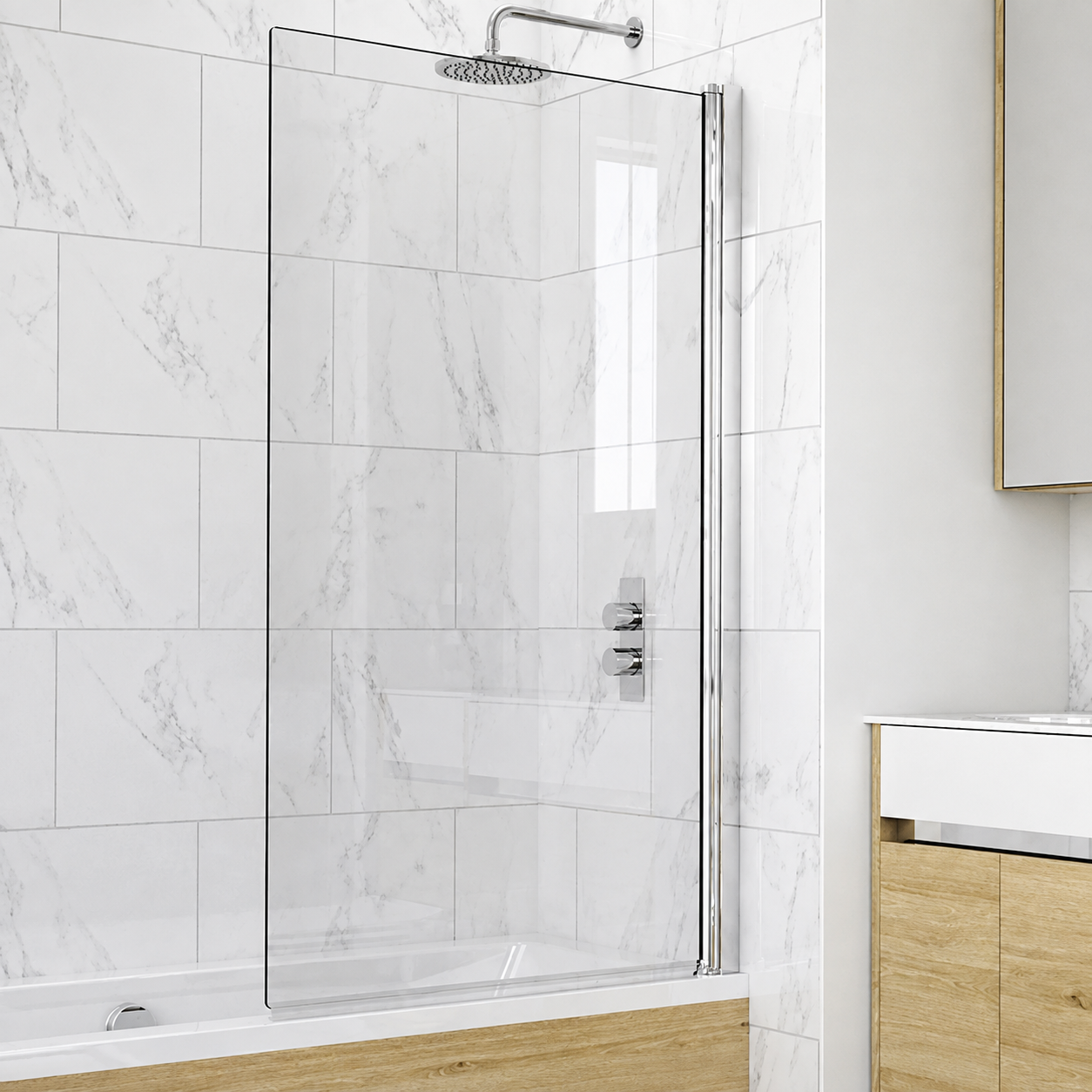
Square Screens
The standard shape, a square bath screen is a flat panel with straight edges and square top corners. It’s a common look for standard straight bathtubs, providing a clean, contemporary appearance. Square screens are available in all three screen types: fixed, hinged, and multi-panel folding formats.
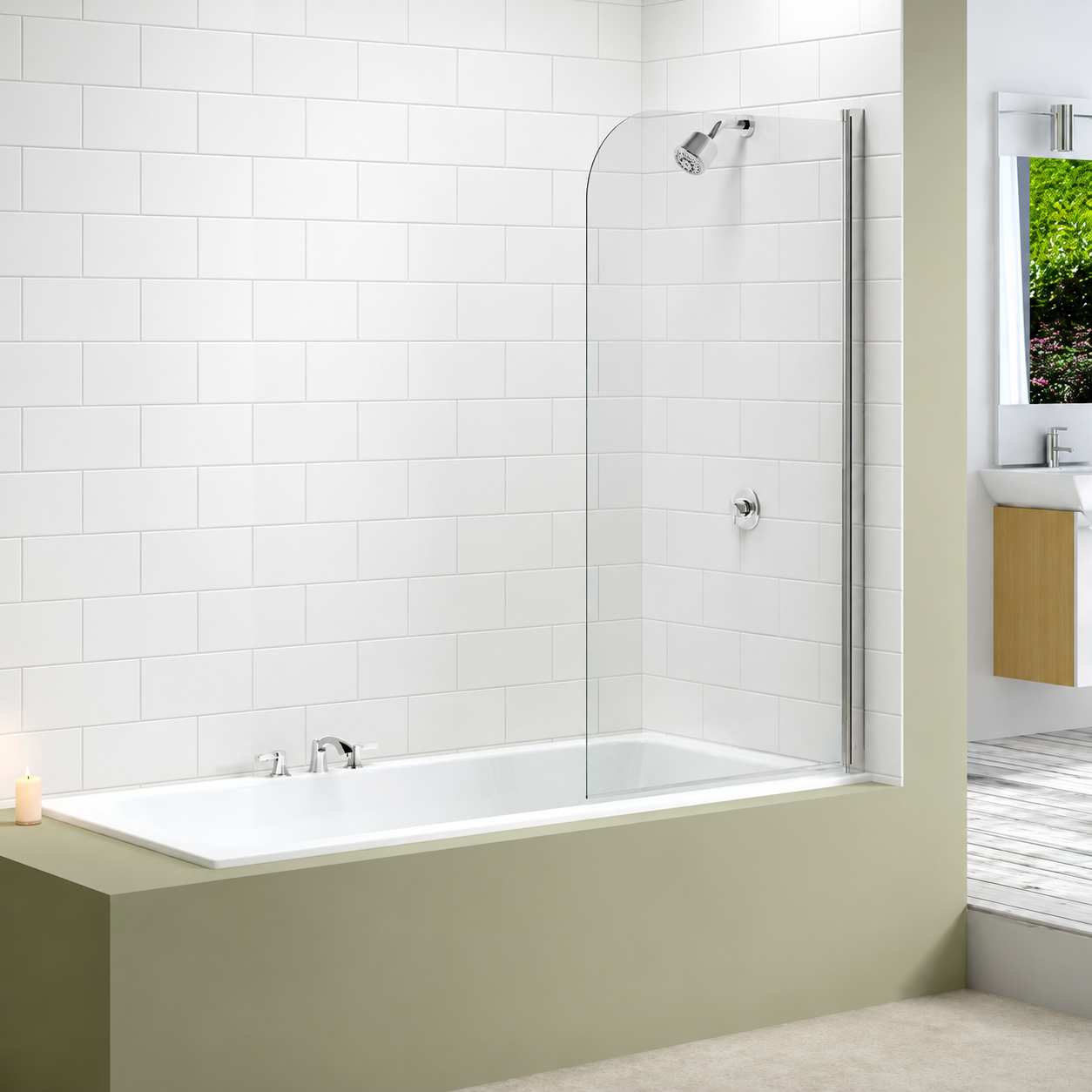
Curved Screens
A curved bath screen, sometimes called a radius screen, has a top corner edge that bows gently inwards. Primarily a visual detail, it softens the angular look of a standard rectangular panel and suits both traditional and contemporary bathrooms. It normally fits and covers the bath much like a straight-edged screen of the same dimensions, and is available in fixed or hinged models.
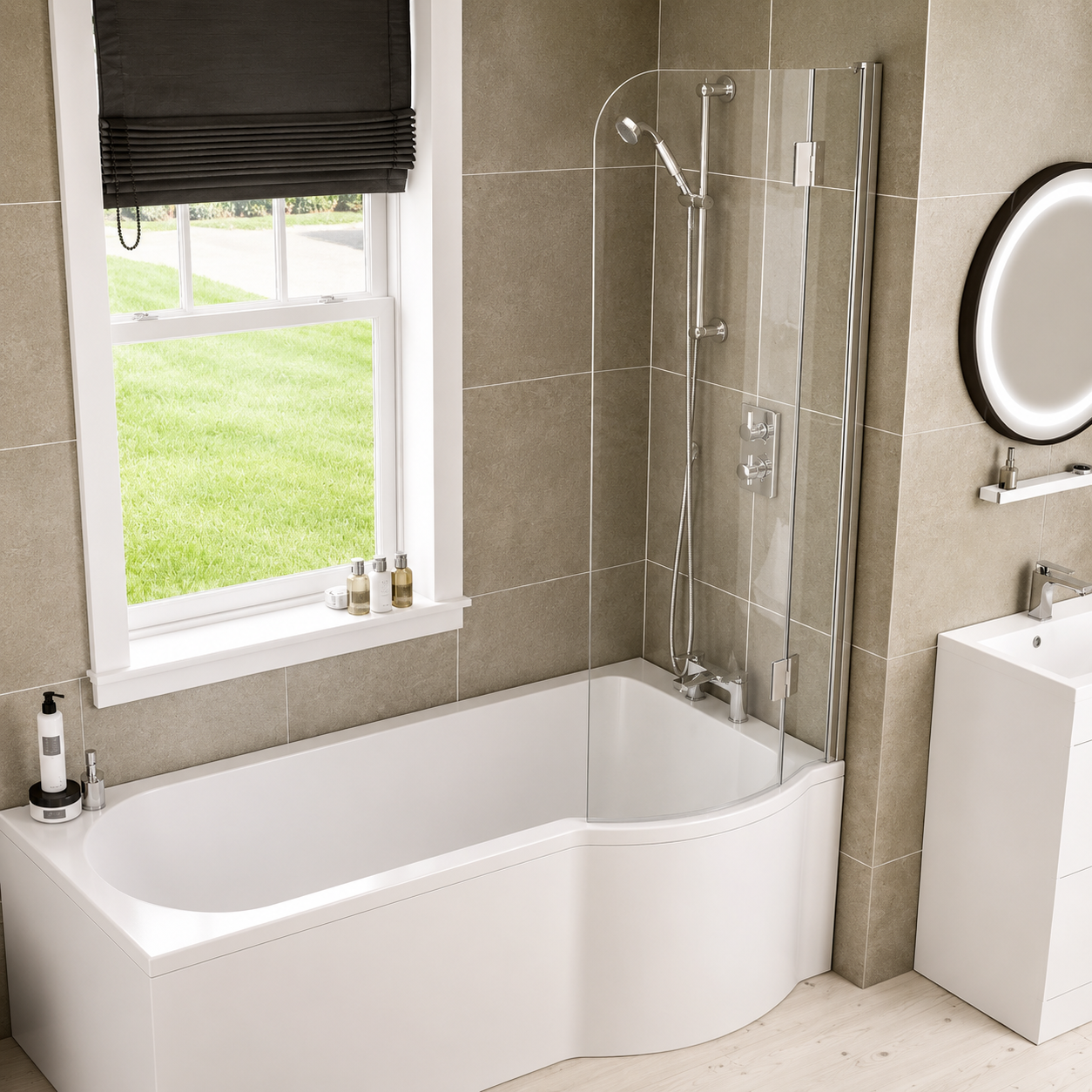
P-Shaped Screens
A P-shaped bath screen is made for a P-shaped shower bath, which has a wider, more rounded showering end for additional standing room. The screen follows the bath’s curved rim, helping close off the wider end; a standard straight screen would not match the profile and could leave gaps that reduce splash protection. P-shaped screens are generally specific to the bath shape and dimensions, so check the manufacturer’s compatibility information - or buy the bath and screen as a matching pair.
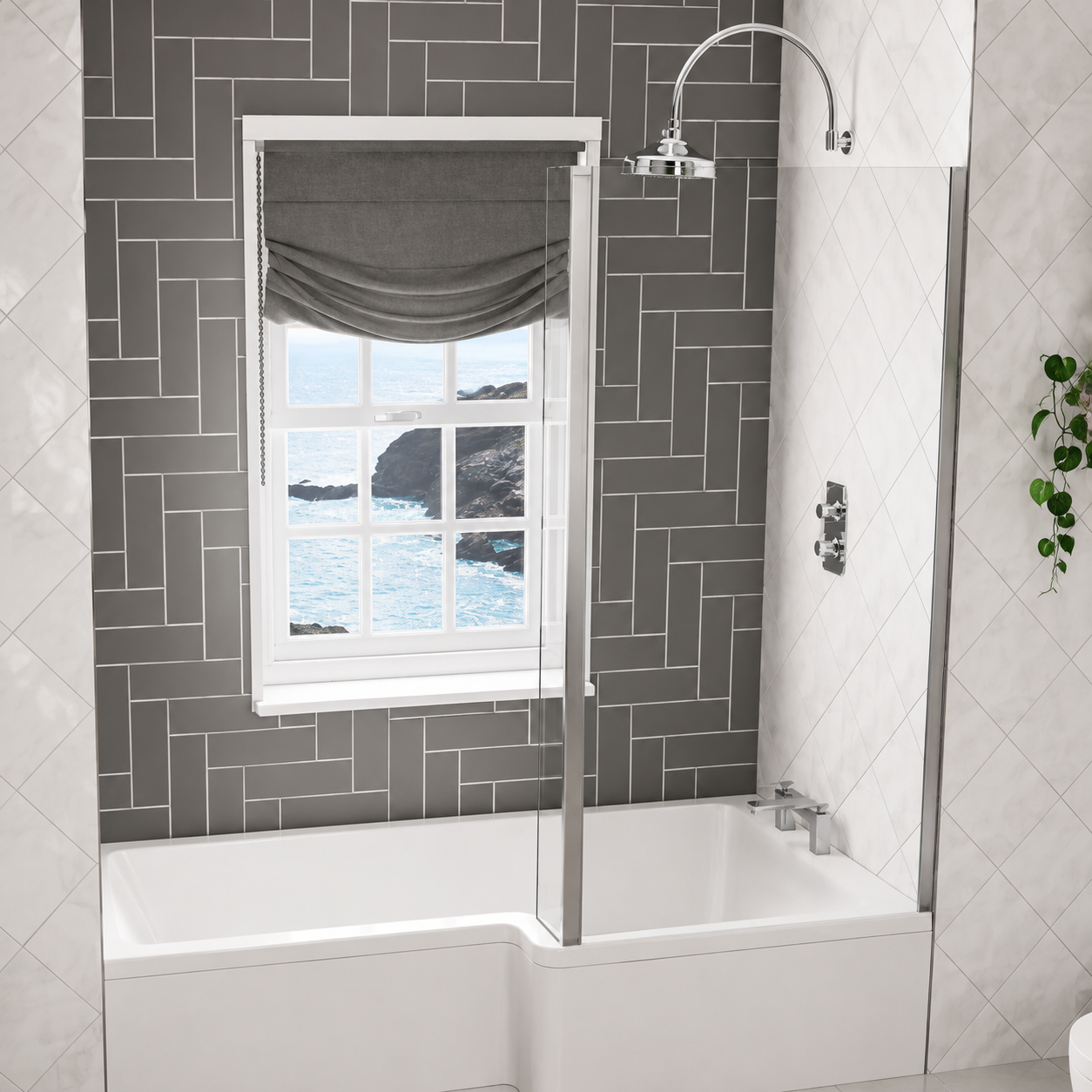
L-Shaped Screens
An L-shaped bath screen is designed for an L-shaped shower bath, which has an extended, squared showering end rather than a curved one. The screen follows this right-angled profile, often using a main panel with a short return or hinged end panel to cover the wider section of the bath. As with P-shaped models, an L-shaped screen must match the specific bath. Check the screen’s handedness, measurements, fixing position, and manufacturer guidance before buying.
What About Framed and Frameless Screens?
Alongside its shape and opening style, a bath screen may be framed, semi-frameless, or frameless. The amount of visible metalwork affects its appearance and cleaning requirements, not to mention the price.
A framed bath screen has a visible metal profile surrounding more of the glass perimeter. This is commonly made from aluminium, and is available in finishes such as chrome, black, and brushed brass. The extra framework can suit traditional, industrial, or more defined bathroom schemes. However, its channels, edges, and joints may need more attention when cleaning.
In contrast, a frameless bath screen removes any surrounding frame entirely, holding the glass with only a slim wall profile and its fittings. It’s the most minimal look available, letting more light through and making it easier to wipe down. The actual glass is usually thicker to make up for the lack of a frame, which adds to the overall cost but ensures a solid, premium feel.
A semi-frameless bath screen sits between the two. It has selected profiles or framing - at the wall, along a fixed panel, or around some of the outer edges - while leaving other glass edges exposed. It looks lighter than a fully framed screen, while still offering more visible structure than a frameless model.
Bath Screen Features to Look For
Beyond the type and shape, a handful of specific features affect how a bath screen performs. These are the ones worth keeping an eye out for.
Reversible or Universal Fitting
Baths are fitted either left or right-handed depending on the room, so most screens are reversible or universal. This gives you flexibility when planning the bathroom and makes sure the screen fits whichever way your bath faces.
Easy-Clean and Protective Coatings
An easy-clean coating is a clear, water-repellent layer bonded to the glass, causing water to bead and run off rather than drying into limescale and soap marks. It does not remove the need to clean, but it cuts how often and how hard you have to. A protective coating goes further, shielding the glass from the minerals in hard water that etch and cloud untreated glass (well worth having across most of the UK).
Fold-Flat and Rise-and-Fall Hinges
With hinged and folding screens, a hinge that lets the glass fold 180 degrees flat to the wall makes access and cleaning far easier. Meanwhile, rise-and-fall or sprung hinges let the screen settle squarely and close gently, rather than swinging freely and straining the seals.
Integrated Towel Rails
Some screens include a towel rail built into the frame or a bar across the glass, giving somewhere to hang a towel within reach. It is a small touch, but a handy one in a bathroom short on rail space.
Toughened Glass
Every bath screen sold in the UK must use toughened/tempered safety glass. This is a legal requirement, not an optional upgrade. Toughened glass is heat-treated to make it far stronger than ordinary glass. Even if it does break, it shatters into small, blunt granules rather than dangerous shards.
Bath Screen Sizes UK and How to Measure
Getting the size of your shower bath screen right is a naturally important part of the process. It separates a screen that merely fits from one that truly keeps the floor dry.
What Size Bath Screen Do I Need?
Most single-panel bath screens are around 700mm to 900mm wide and roughly 1400mm to 1500mm tall. Height is measured from the rim of the bath, and the screen only needs to be tall enough to catch the spray from your shower. This is why bath screens are shorter than a full shower enclosure.
How to Measure for a Bath Screen
Accurate measurement is the best way to avoid an expensive mistake. It helps you choose a bath screen that fits correctly, installs safely, and provides adequate splash protection. Always check the manufacturer’s technical drawing and installation guide before ordering, as dimensions, wall-profile adjustment, and handedness differ by model.
- Measure the usable bath rim length from the wall at the showering end towards the open end. This helps determine how much of the bath opening the screen needs to cover and whether the bottom seal has a flat, unobstructed rim to sit on. Bath screens are normally positioned close to the inner edge of the bath rim rather than centrally.
- Measure the available wall height above the bath rim to the underside of any windowsill, sloping ceiling, boxing, or other obstruction. Compare this with the screen’s installed height and allow for any relevant wall profile, hinge, or top support.
- Use a spirit level to confirm that the bath rim is level and the wall fixing area is vertical. Check that the bath does not move under load and that the wall structure and tiles can support the specified fixings.
- Measure or identify any wall lean, then compare it with the manufacturer’s quoted wall-profile adjustment range.
- Note where your taps, shower valve, and shower head sit, as well as which way the spray points. Taps at the screen end can be awkward to reach behind a fixed panel, while a shower aimed towards the open end of the bath may need a wider screen or a deflector to catch the spray.
- Measure the opening clearance in front of the bath if you’re fitting a hinged or folding screen, so the panels can open without meeting a basin, toilet, or radiator.
- Lastly, check whether the screen is left or right-handed, reversible, and compatible with your bath shape. This is particularly important for P-shaped and L-shaped shower baths.
Finding the Right Bath Screen for Your Bathroom
The right bath screen is the one that fits your bath, matches how often you shower, and meets the visual criteria you’re looking for. Once you settle those points, choosing between a fixed, hinged, or folding screen becomes much simpler. And if you are still choosing the bath itself, our guide to buying a shower bath walks through the options.
If you’d like to explore your options, please check out our full range of bath screens and shower baths, or contact our team for friendly, no-pressure advice on the best fit for your bathroom.

