How to Clean Bathroom Mould
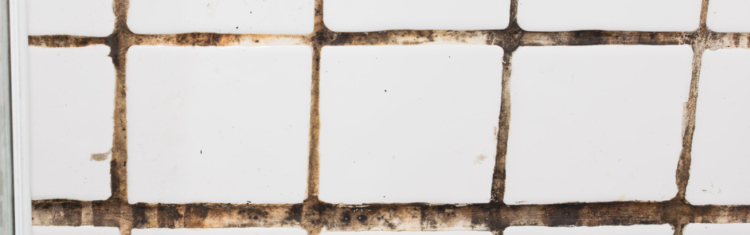
That familiar dark patch creeping along your shower sealant or grout lines isn't just unsightly - it's a health concern that deserves prompt attention. Mould is one of the most common household problems in the UK, and if you've spotted it, you're certainly not alone. The good news is that with the right approach, it's entirely manageable.
In this guide, we'll cover everything you need to know, including why mould appears, when it becomes a genuine health risk, how to remove it from every corner of your bathroom, and, crucially, how to stop it coming back.
Is Bathroom Mould Dangerous?
Before reaching for the cleaning products, it's worth understanding why mould matters beyond appearances. According to the English Housing Survey 2023 to 2024, 1.3 million dwellings, an average of 5% of households in England, had damp and/or mould in at least one room. The bathroom is widely considered the worst room in the house for mould since it combines high humidity with poor ventilation. The most common culprit is Stachybotrys - black mould.
Black mould in the bathroom can trigger respiratory problems, worsen asthma, and cause allergic reactions. It can also suppress the immune system over time. Babies, children, the elderly, and anyone with existing respiratory conditions are particularly vulnerable.
For most households, however, regular cleaning and good ventilation habits are all it takes to keep mould firmly under control.
Why Does Bathroom Mould Grow?
Mould spores are always present in the air around us - they only become a problem when they find the right conditions to settle and multiply. Bathrooms offer exactly that: warm temperatures, high humidity, and surfaces that stay damp for extended periods.
Areas like sealant, tile grout, and shower-curtain folds are particularly prone, as moisture lingers there long after you've dried off and left the room.
How to Remove Mould from Bathroom Sealant
Sealant, also known as caulking, is the flexible seal running around the edge of your bath and basin.
It often stays wet longer than other areas of your bathroom, encouraging common bathroom fungus and mould to develop. Follow these steps to clean mould off your bathroom sealant:
What you'll need: bicarbonate of soda, white vinegar, rubber gloves, a cloth, a stiff-bristle brush
- Mix bicarbonate of soda into approximately 250ml of white vinegar until it forms a thick paste.
- Wearing rubber gloves, apply the paste to the affected sealant using a damp cloth.
- Leave for five minutes to allow the paste to soften the mould.
- Scrub with a stiff-bristle brush to lift the paste and mould away.
- Rinse thoroughly with cool water and wipe dry.
If mould has penetrated deeply into old or damaged sealant, replacing the sealant entirely may be the most effective long-term solution.
How To Remove Mould from Tile Grout
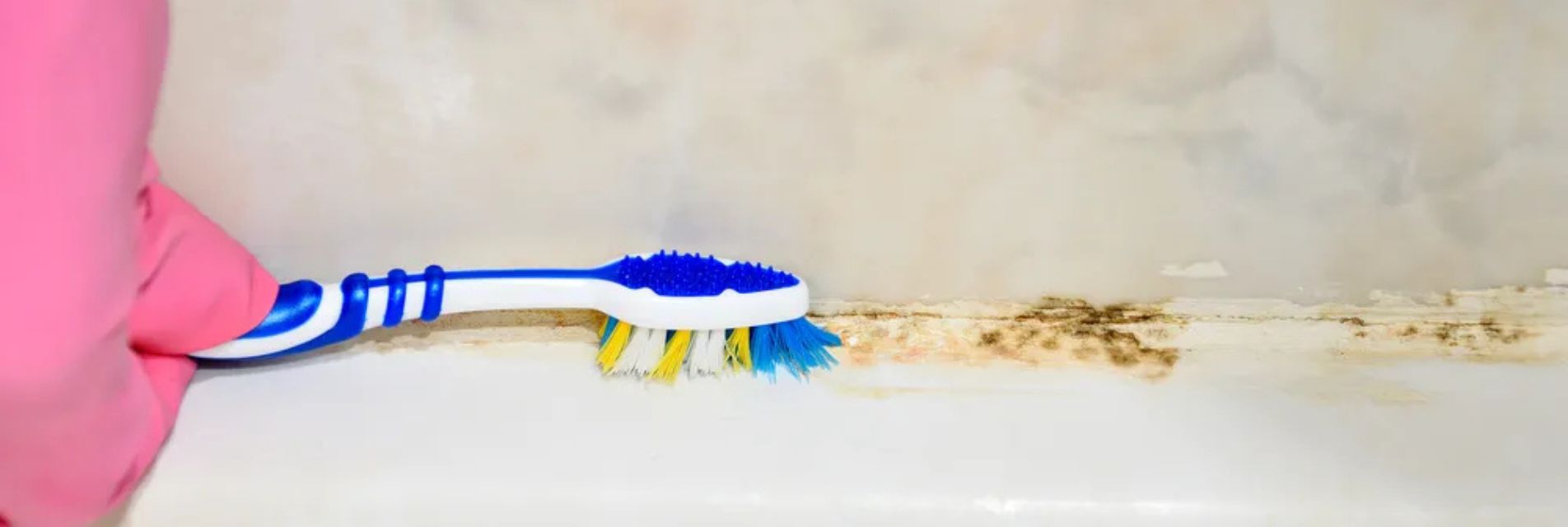
Porous grout is one of the trickiest areas to tackle, as mould embeds itself into the surface rather than sitting on top of it. Work in small sections and use a stiff-bristled toothbrush to really work your chosen cleaner into the grout lines.
Several cleaning agents are effective here:
- White vinegar – a natural, low-fume option suitable for most grout types.
- Baking soda – works well combined with vinegar for a gentle abrasive action.
- Hydrogen peroxide (3% solution) – stronger, with good results on stubborn mould.
- Chlorine bleach – highly effective, but note that it can fade coloured grout, so test in an inconspicuous area first.
Whichever you choose, apply it, leave for at least 30 minutes, then scrub and rinse. Keep the bathroom well-ventilated throughout, and wear gloves, a face mask, and safety glasses when working with bleach or hydrogen peroxide.
How To Remove Black Mould from Bathroom Tiles
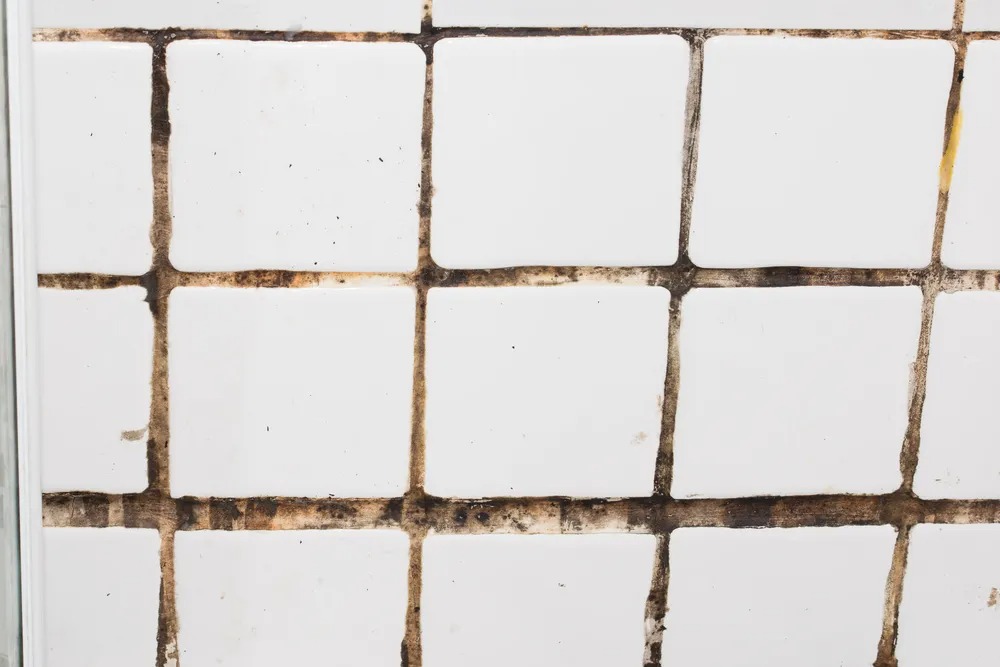
Black mould on tiles dulls their appearance and, if left untreated, can spread quickly. You have both natural and chemical options depending on the severity.
Natural methods:
- White vinegar: Pour into a spray bottle and apply directly to affected tiles. Leave for an hour, then wipe with a warm, wet cloth and dry thoroughly.
- Bicarbonate of soda and washing-up liquid: Mix into a paste, apply to affected areas, leave to dry, then scrub off with a stiff brush and rinse clean.
- Borax: Mix one cup of borax powder with four litres of warm water. Using a soft cleaning pad, work the solution onto affected areas only - avoid dampening clean tiles to prevent spread. Wipe down and leave to dry.
Chemical methods:
- Hydrogen peroxide (3% solution): Add a small amount of white vinegar to increase effectiveness. Spray onto the affected areas, keep the room ventilated, and leave for two to three hours before wiping clean.
- Ammonia: Available from DIY retailers - ensure you purchase the clear variety. Wearing a mask, rubber gloves, and safety glasses, spray the affected areas, scrub with a soft brush, and leave for two hours with windows open. Wipe clean once dry.
⚠️ Important safety warning: Never mix ammonia with bleach, or use them one after the other. The chemical reaction between them produces toxic fumes that pose a serious health risk.
How To Prevent Mould from Returning
Once your bathroom is mould-free, a few consistent habits will help keep it that way.
- Ventilate consistently: Open windows and doors after every shower or bath to allow steam to escape. If your bathroom lacks adequate natural ventilation, installing a quality extractor fan is one of the most effective investments you can make - look for models with a humidity sensor that activates automatically.
- Dry surfaces promptly: Wipe down tiled walls and shower screens after use and always stretch your shower curtain flat across the rail so it can dry without creases holding moisture. Hang wet towels fully spread so they dry quickly rather than staying damp.
- Clean regularly: A weekly wipe-down of bathroom surfaces - walls included - goes a long way. Catching mould early makes it far easier to treat than tackling an established colony.
- Consider mould-resistant products: When redecorating or renovating, it's worth choosing bathroom-specific materials designed to resist moisture. Waterproof wall panels, for example, eliminate grout lines entirely - removing one of mould's favourite hiding places.
Create a Bathroom Designed to Resist Mould
A well-designed bathroom shouldn't just look beautiful - it should be built to last. Whether you're upgrading your shower enclosure, replacing tired sealant, or considering a full renovation, our team is on hand to help you find products suited to the way you live. Contact our team today, and we'll help you find the right solution.

