Pneumatic vs Mechanical Cistern: Which Toilet Flushing Mechanism is Best?
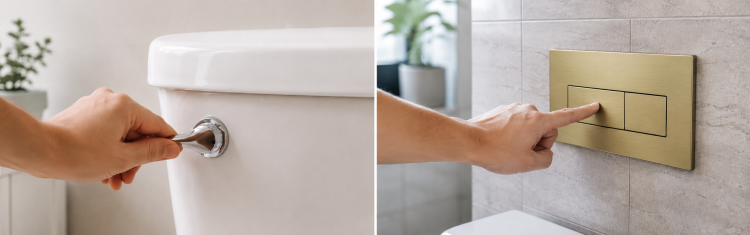
You flush a toilet several times a day without thinking about it. But behind that simple act, inside that humble cistern, is one of two toilet-flushing mechanisms that shape how well your toilet actually works. Although they both serve the same basic function, they do so in very distinct ways, and each offers unique benefits depending on your bathroom configuration.
Whether you're planning a new bathroom renovation, replacing an ageing toilet, or naturally curious about why your flush feels a little off, it’s worth understanding the difference between mechanical and pneumatic flush systems. With this guide, you can do exactly that. We’ll clarify how both mechanisms operate, highlight their strengths, and help you determine which option is most suitable for your household.
- Understanding the Mechanisms
- Mechanical Toilet Flush System Explained
- Pneumatic Toilet Flush System Explained
- Comparing Pneumatic vs Mechanical Flush
- 1. Costs
- 2. Maintenance and Lifespan
- 3. Noise
- 4. Ease of Use
- Pros and Cons at a Glance
- Which Flush System is Right For You?
Understanding the Mechanisms
The differences between pneumatic and mechanical cisterns come down to how the flush is activated; specifically, how the signal travels from the actuator (either the flush plate on the wall or the flush handle on the cistern) to the flush valve inside.
It's worth noting that whether a cistern uses a mechanical or pneumatic system only determines how the flush signal gets from the actuator to the valve. The actual force, performance, and method of flush itself depend on the type of flush system the cistern uses, which is typically either gravity-fed or pressure-assisted. We cover this topic in-depth in our complete guide to different toilet flush systems.
Mechanical Toilet Flush System Explained
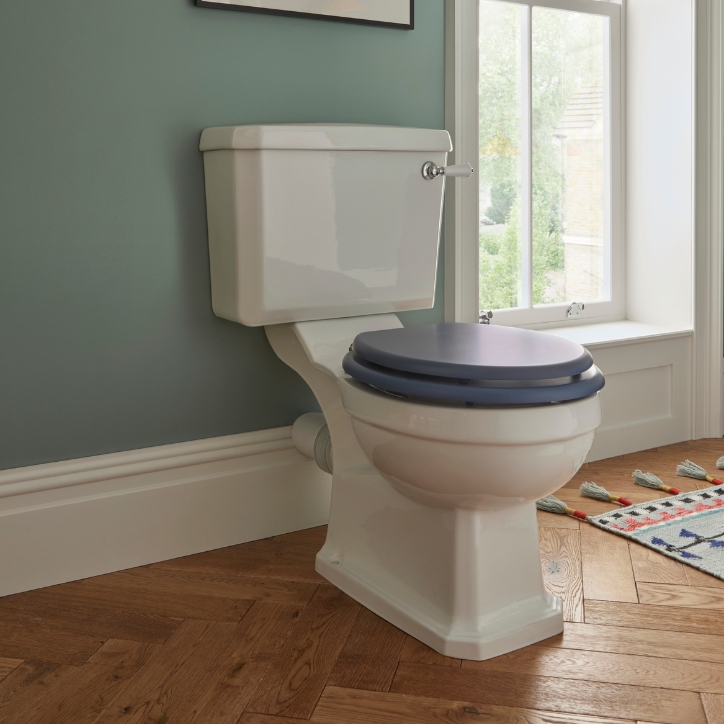
A mechanical toilet flush is a time-tested approach that has been the standard mechanism for toilet actuation in British bathrooms for decades. It’s about as straightforward as it gets, using a direct physical connection between the actuator and the flush valve.
When the flush is activated, a rod, lever, or cable physically pushes or pulls the mechanical flush valve open, allowing water to flow from the cistern into the bowl. The system is entirely physical: no air, no electronics, just a direct mechanical action.
Pneumatic Toilet Flush System Explained
A pneumatic toilet flush system does away with the mechanical connection of a physical rod, lever, or cable and instead relies on air pressure to transmit the flush signal.
When the flush is activated, a small pocket of air inside a sealed tube is compressed. That air then travels through the tube to the flush valve, where it triggers a diaphragm or piston, lifting the valve and releasing water. When the actuator is released, the air pressure drops, thus closing the valve as the flush cycle completes.
Comparing Pneumatic vs Mechanical Flush
Now you know how each system works; let’s see how they stack up against each other on the factors most significant in a real bathroom installation.
The following comparisons break down the practical differences to help you make an informed choice when buying a toilet.
1. Costs
Regardless of bathroom style or setup, costs affect us all. The upfront price difference between the two systems, on average, is fairly small; we’re talking pounds rather than hundreds. Where costs start to diverge more noticeably is in what happens when something goes wrong.
Mechanical
Mechanical flush systems have a clear advantage in ongoing repair and maintenance costs over their lifetime. The parts that tend to wear – push rods, cables, seals, and valves – are typically cheaper to buy and replace than their pneumatic equivalents.
For installation and repair, labour costs tend to be lower as well, since most plumbers can diagnose and fix any issues quickly without any specialist knowledge.
If you’re fitting multiple bathrooms or working to a tight budget, all these savings add up over the years of owning a mechanical cistern.
Pneumatic
Pneumatic systems can cost a bit more to put right when things go awry. The components that typically need attention – bellows, pistons, seals, and air tubes – are more specialised, and replacement parts can carry a small premium.
Labour can also prove more costly. Identifying an air leak in a pneumatic system can take longer than diagnosing a mechanical fault, and if the cistern is behind a tiled wall, that detective work can noticeably increase the cost of a call-out.
All this is not a reason to avoid pneumatic, but it is worth factoring in when you're weighing up the long-term running costs.
2. Maintenance and Lifespan
Nothing lasts forever, especially flush systems. Understanding what's likely to need attention, how easy it is to fix, and how long you might realistically expect each system to last before it needs proper attention is an important part of the decision. Each system is made up of different parts that wear at different rates, but for the sake of simplicity, we'll look at each one as a whole.
Mechanical
This is where mechanical systems really earn their keep. Known for its uncomplicated design, it has fewer components that can fail, and when something does pack up, you can usually diagnose the problem straight away. A sticking lever or a valve seal past its best: these are all problems that plumbers, even most competent DIYers, can resolve without specialist knowledge.
In terms of longevity, mechanical flushes tend to go the distance as there are fewer soft parts and, therefore, less that can perish. All in all, you can realistically expect a mechanical system to last 10–20 years, sometimes longer.
Pneumatic
Pneumatic systems can be a bit trickier when things go wrong. The air tubes and their connections can develop small leaks over time, reducing the pressure reaching the valve. This can make the flush feel weaker, meaning you need to press the button more than once, or it may stop working altogether. If you're finding that your pneumatic flush needs two presses to work, it's almost always an air leak. Check the tube connections at both the flush plate and valve ends; a tube that's slipped off its connector is the most common cause and one of the easiest things to fix.
While most concealed cistern and frame systems are easily accessible from the front, pinpointing such an issue can often take more detective work than tracing a mechanical fault. This is particularly troublesome when the cistern is installed behind a tiled wall.
A pneumatic flush can still last, but its weak spots are usually the rubber bellows, seals, and air tubes. Over time, these can harden, crack, loosen, or lose pressure. A fair expectation is often around 7–15 years, though some do last longer. It's fair to say that the soft parts in a pneumatic system will generally need more attention than the rods and cables in a mechanical setup.
3. Noise
Bathroom noise is one of those things that rarely makes the specification list but matters enormously once you're living with it, especially in ensuites or any bathroom used regularly at night. It's worth clarifying that the noise produced by water entering the bowl is determined by the flush system itself (gravity-fed or pressure-assisted), not by the actuation mechanism. But the actuation - the bit that happens when you press the button - does add its own layer of noise that’s worth addressing.
Mechanical
Every time you press a mechanical flush button or handle, the rods, levers, and cables inside the cistern housing physically move against each other, producing a noticeable clunk over the sound of the water itself. It's the kind of thing you barely register during the day, but at two in the morning in an ensuite, it's a different story. That mechanical clunk can also get louder as components age and tolerances loosen.
Pneumatic
Quiet operation is all but guaranteed with a pneumatic flush. Since the system relies solely on air pulses rather than on moving metal or plastic parts, the actuation is virtually silent. You'll still hear the water entering the bowl - that's unavoidable regardless of which system you choose - but there's no additional clunk or click from the mechanism. If minimising bathroom noise matters to you, it's a genuine advantage.
4. Ease of Use
How a flush button feels to press, or a handle feels to push, is one of those things most people never think about, but it's something you'll do multiple times a day for years on end, and the difference between the two systems is bigger than you'd expect. For households with children, elderly family members, or anyone with limited hand strength or mobility, it can genuinely affect how easy the bathroom is to use independently.
Mechanical
A mechanical flush button or handle requires a firmer press or push because you're physically driving a rod or compressing a cable to open the valve. It's not exactly hard work, but there's a definite resistance. For most people, that’s no big deal, but for children, the elderly, or anyone with limited hand strength, this extra effort can prove challenging.
Pneumatic
The button action on a pneumatic system is noticeably lighter and smoother. You're compressing a small air bellows rather than pushing a physical linkage, so it takes less effort, and the response feels more immediate.
Additionally, when used as part of a concealed cistern setup, most notably within a bathroom furniture unit, the flush button can also be positioned more flexibly, making it easier to reach. Another small but genuine plus for everyday usability.
Pros and Cons at a Glance
Which Flush System is Right For You?
There is no single right answer to this question. The better choice ultimately hinges on your situation, your budget, and what you want from the finished bathroom.
Mechanical flush is likely the better choice if:
- You're working to a tighter renovation budget and want reliable, repairable components
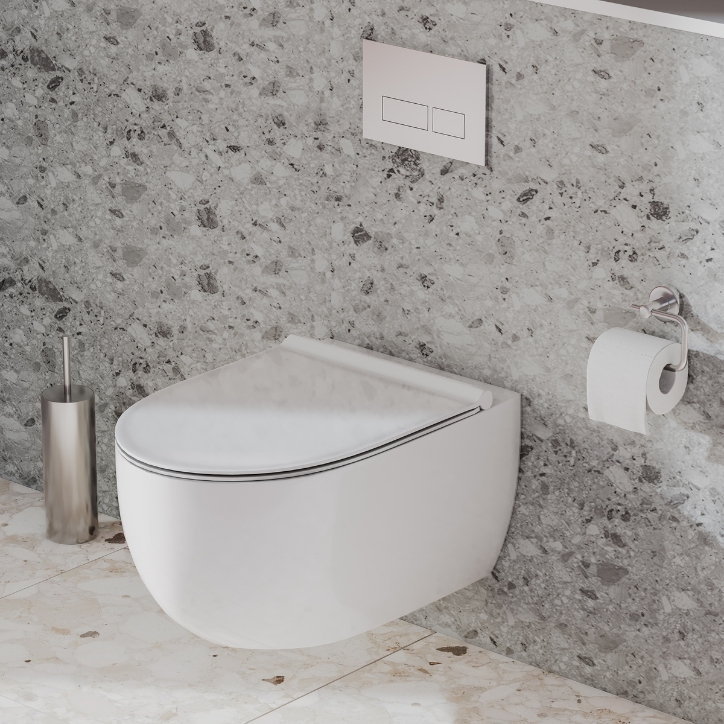
- You're fitting a traditional-style bathroom where an exposed cistern suits the aesthetic
- The toilet is in a rental property or a high-traffic setting where ease of repair matters most
- You want a system that any plumber can service without specialist knowledge
Pneumatic flush is likely the better choice if:
- You're specifying a contemporary bathroom and want a clean, minimal finish
- You're installing a wall-hung pan and need a concealed cistern frame
- Noise is a consideration and the bathroom is adjacent to a bedroom or open-plan living area
- You're making a longer-term investment in the bathroom and want precise, consistent performance
Flush With Confidence
At the end of the day, both mechanical and pneumatic flush systems are proven, capable solutions, and neither is going to let you down if it's properly fitted and well maintained. The right choice simply comes down to what matters most to you: whether that's keeping costs low and repairs simple, or prioritising quiet operation, a lighter touch, and more flexibility in your bathroom layout.
If you're still not sure which system suits your setup, or you've got questions about compatibility with a particular toilet, cistern, or flush plate, our team is always happy to help. Get in touch with us, and we'll point you in the right direction.

