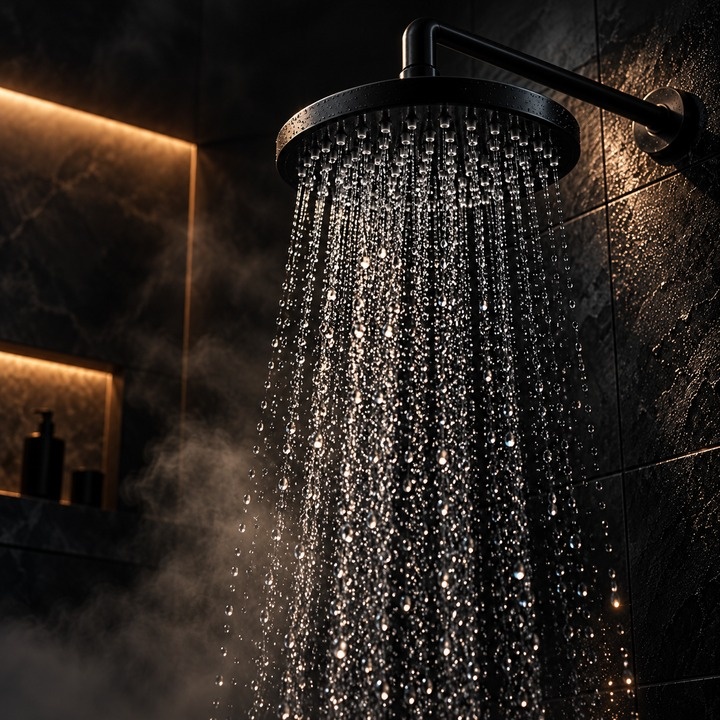
Bright light is the last thing your body needs before bed, including bathroom lights. It delays the onset of sleep and disrupts your nightly rest, which is a big problem for many of us these days. Dark showering aims to address this by merging cosy warmth with relaxing darkness to enhance your wind-down routine. But does it actually work and - more importantly - is it safe?
Let's take a look at what the evidence says. Below, we'll walk you through the methodology and reasoning behind dark showering, then show you how to set up your bathroom so you can try it yourself without fumbling blindly.
- What Is Dark Showering?
- Does Dark Showering Actually Work? The Benefits & What the Science Says
- Is It Safe to Shower in the Dark?
- How to Set Up Your Bathroom for Dark Showering
- How to Try Dark Showering Tonight
- The Bottom Line on Dark Showering
What Is Dark Showering?
Dark showering is exactly what it sounds like: a warm shower with the lights switched off or dimmed low, usually taken in the hour or two before bed. It’s become a popular wind-down technique that is thought to improve sleep - a trend amplified by social media.
So why now? Why has this trend taken off? Eloise Skinner, psychotherapist and author, believes it comes down to how we live. "It can reduce a feeling of 'overstimulation', especially for those who are exposed to digital devices throughout the day," she explains. "In terms of the modern world, it might indicate the high amounts of stress and anxiety many people are faced with, as well as the 'always on' culture of our work and home lives."
One thing worth noting before we get into the details: showering in the dark doesn't have to entail total darkness. The aim is low light, and that's the thread running through this guide. A soft glow is enough to enjoy the benefits while still letting you see what you're actually doing.
Does Dark Showering Actually Work? The Benefits & What the Science Says
The honest answer is that the trend itself hasn't been tested head-on. However, the two things it changes - light and warmth - have both been studied closely in terms of sleep. Here's what each one does and how it affects your restful state.
Low Light Keeps Your Body in Wind-Down Mode
When light fades, the brain starts producing melatonin, which eye specialist Professor Raymond Douglas of Cedars-Sinai Medical Center describes as "basically the sleep hormone, making the body feel drowsy". By the time you’re getting ready for bed, your eyes should have naturally adjusted to the fading light, and melatonin should be flowing. Unfortunately, bright artificial light, particularly blue light, throws all of this into disarray. As Professor Douglas states, "the relaxed state your body's already in can be suddenly disrupted by the bright lights normally installed in bathrooms".
The research backs this up. In a Harvard-led study of 116 young adults, ordinary room light in the evening delayed melatonin release in 99% of participants when compared to dim light. It also shortened the time their bodies produced melatonin by about 90 minutes. In other words, switching on bright bathroom lights just before bed could be telling your body it's still daytime.
Warm Water Helps Your Body Cool Down for Sleep
Dr Suzanne Wylie, GP and medical adviser for IQdoctor, explains that "warming the skin and then cooling down afterwards can promote the physiological changes associated with sleepiness". Essentially, warm water draws blood to the surface of your skin, and cooling down afterwards helps facilitate the natural drop in core body temperature that comes before sleep.
This one's well supported, too. A 2019 review found that a warm shower or bath at 40-42.5°C, taken one to two hours before bed, was linked to better sleep. Even ten minutes was enough to make a difference, helping people fall asleep around nine minutes faster on average, according to The Conversation.
Dark Showering Gives Your Mind a Chance to Switch Off
Then there's the mental side of things. With less to look at while showering in the dark, you tend to notice the sound of the water and the warmth instead. Skinner says the dark "can help us feel grounded and reduce a feeling of sensory overwhelm", and that "our attention can turn inwards, and we can turn away from other distractions or elements of life that feel all-consuming".
There's less hard research behind this benefit, but if your days are full of screens and noise, a few quiet minutes can feel like a welcome reset.
So, Is It Worth Trying?
If you put the effects of low light and gentle warmth together, dark showering makes sense on paper. But as The Conversation points out, no study has yet compared a shower in the dark with one in normal light while measuring sleep. The case is built from related findings rather than direct evidence, but it's likely to help most if you keep the rest of your evening dim. So keep the lights as low as possible and stay off your phone as you dry off and head to bed.
Our experts are on the same page. Dr Wylie describes dark showering as "a potentially helpful habit rather than a proven treatment for insomnia", while Professor Douglas calls the theory "unverified (although not unfounded)", adding that "there's no harm in trying this, just make sure to do it safely".
In short, dark showering is worth a try if you're looking for a calmer way to end the day - just don't expect it to fix poor sleep on its own. If you've been struggling to sleep for a while, it's always worth speaking to your GP.
Is It Safe to Shower in the Dark?
It can be, as long as you set things up properly - and this is the bit you shouldn’t skip.
The main risk is falling or slipping. Falls are the single biggest cause of accidental injury in the home, leading to nearly half a million hospital admissions a year, according to the RoSPA. Wet floors and poor visibility are exactly the combination you want to avoid.
That's why we'd never suggest going completely pitch black. As Dr Wylie puts it, "any potential sleep benefit from reducing bright light is unlikely to outweigh the risk of slipping or falling". Wellness expert Michi Delucien agrees, telling Livingetc that "showering in total darkness will create subtle stress" and "can also increase the risk of slips".
Dr Wylie advises particular caution if you have balance problems, reduced mobility, a history of falls or difficulty getting in and out of the shower, as "showering in darkness reduces visual information and could increase the risk of an accident". The same goes for older people, anyone with a significant visual impairment and those taking medicines that can cause dizziness or lower blood pressure - she suggests a dim night light or low-level bathroom lighting instead. We'd also add that grab rails and a shower seat are well worth considering.
It's also completely normal to find darkness unsettling, especially if you're already feeling on edge. If that sounds like you, Skinner suggests easing in by keeping "some degree of light on - perhaps a hall light, or a candle" and building up gradually rather than jumping straight in.
Temperature matters for safety, too. The review we mentioned earlier looked at water of around 40-42.5°C, but Dr Wylie suggests keeping it comfortably warm rather than very hot - roughly 37-40°C. That said, "there is no need to measure it precisely if it feels pleasant and does not make the person flushed, dizzy or uncomfortable." There's no need to linger, either. Around 5-15 minutes should be plenty, as there's "little benefit to staying in for a long time", and Dr Wylie notes that long spells under hot water can dry out your skin or leave some people feeling light-headed. If you're prone to low blood pressure, dizziness or fainting, avoid very hot showers altogether, as the heat can widen your blood vessels and make your blood pressure drop further.
How to Set Up Your Bathroom for Dark Showering
Now that we’ve looked at the potential benefits and the science behind it all, here are some tips and tricks to safely carry out the trend. Most are simple changes; some may require a bathroom renovation. It really depends on what you’re looking to achieve. In any case, each of these ideas will make your bathroom nicer to use every day, not just before bed.
1) Turn the Brightness Down with Dimmable Lighting
Bright light is one of the clearest signals to your body that it's still daytime. As the Harvard-led study above showed, ordinary room light in the evening was enough to delay melatonin compared with dim light. Thus, how much light your bathroom gives out before bed really does matter.
The easiest fix is control. A compatible dimmer switch or dimmable bathroom lighting lets you keep the room bright when you need it, then turn the radiance right down for your evening shower. You don't need to go dingy, just low enough that the room feels calm. Our collection includes dimmable wall and ceiling lights, as well as illuminated mirrors and illuminated mirror cabinets with adjustable brightness.
2) Choose Warm White Over Cool White in the Evening
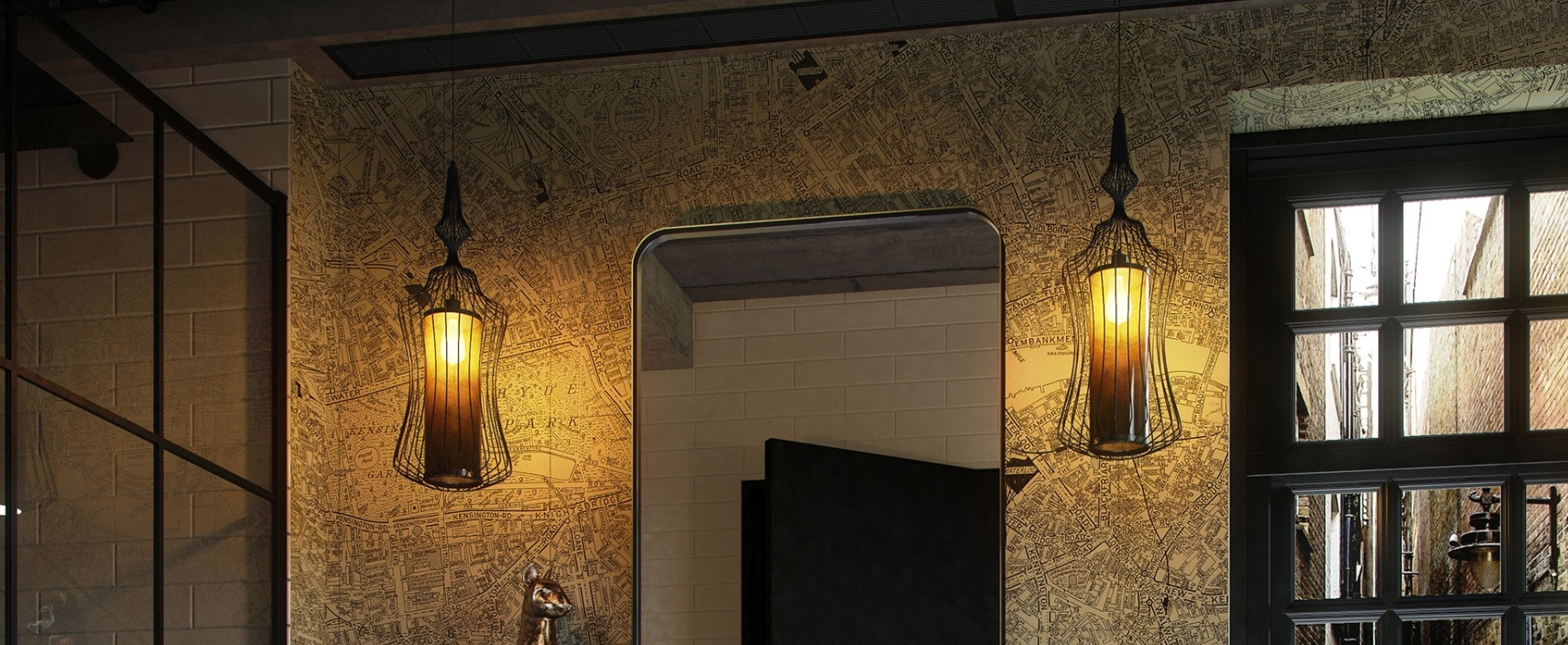
Brightness is only half the story. Colour temperature, measured in kelvin (K), describes how warm or cool light looks - and it matters because of blue light. The higher the number, the cooler and bluer the light, and as we covered above, your body is most sensitive to blue light when it comes to staying alert. That's a problem in many UK bathrooms, where cool white lighting of 4000K or above is common. It seems to make a difference even at the same brightness. The Conversation cites a 2025 crossover trial in which people exposed to cool white LED light before bed took around ten minutes longer to fall asleep than those under softer fluorescent light at the same brightness.
Warm white light, typically 2700-3000K, contains less blue light, so it's much less likely to tell your body it's still daytime. It gives the room a softer, cosier glow, too, which suits a wind-down routine. Bear in mind that a standard dimmer won't change the colour, so a dimmed cool white light is still cool white. If you like bright, cool light for getting ready in the morning, look for fittings with adjustable colour temperature, so you can switch to warm white in the evening. Otherwise, warm white fittings on a dimmer are a simple, effective alternative.
3) Add Low-Level or Accent Lighting in the Right Place
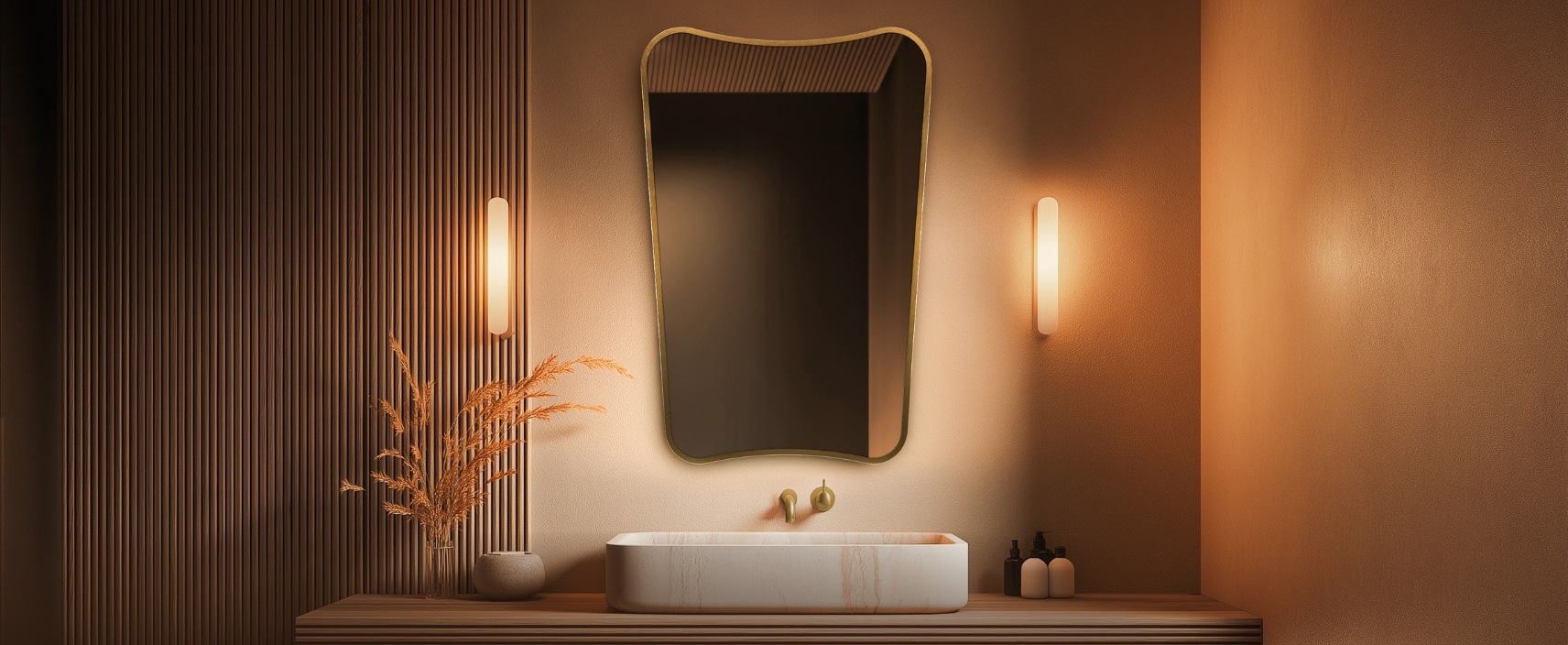
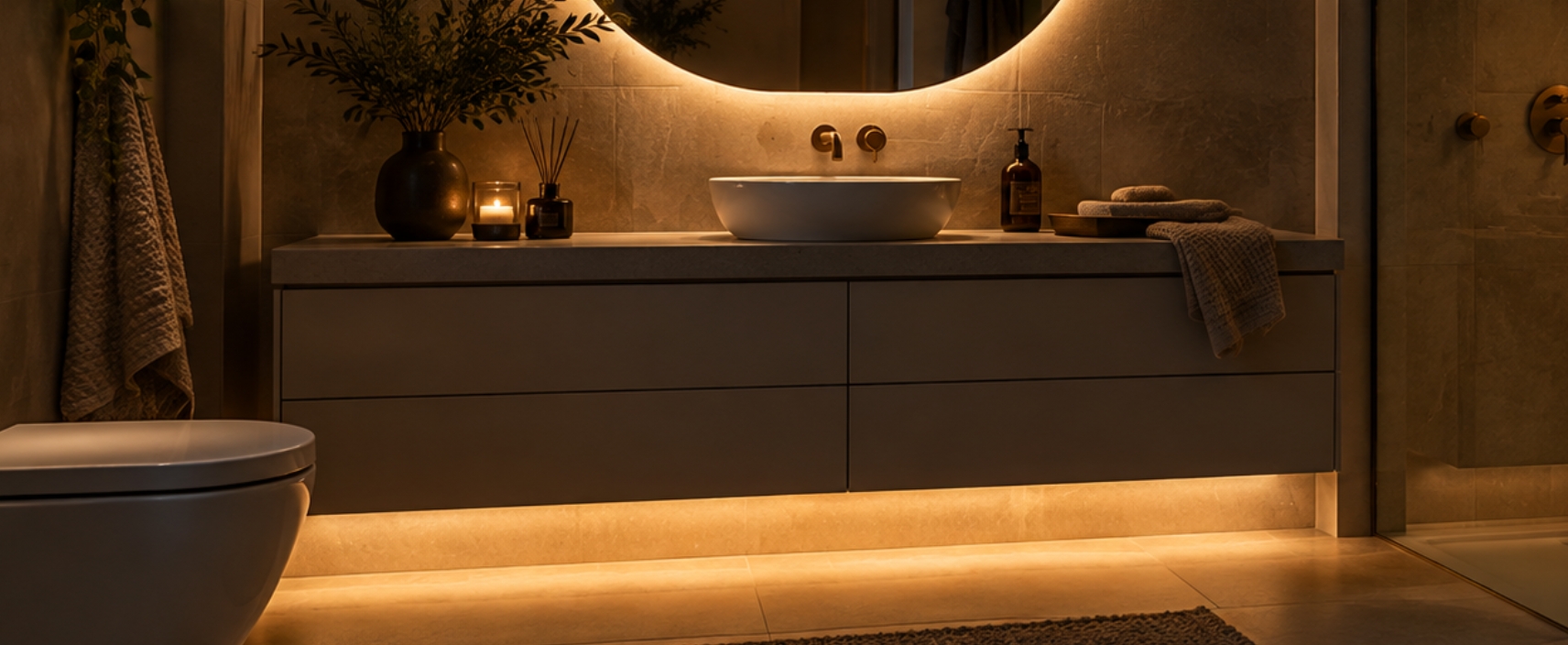
Also consider lighting placement, because where your light comes from matters, too. Plinth lights, LED strips in shower niches, and backlit mirrors provide enough light for a dark shower, but in less direct locations. This means they cast a soft glow that's just enough to see by, without the heavy glare of an overhead light.
Just remember, lighting placement requires extra attention in the bathroom. Anything directly above the bath or shower up to 2.25m (Zone 1), or within the 0.6m strip around it (Zone 2), needs to be rated at least IPX4. Anything inside the tray or bath itself (Zone 0) needs to be IPX7 and low-voltage. Always use a qualified electrician and read our guides to IP ratings and bathroom electrical zones before you start.
4) Candles? Go Flameless
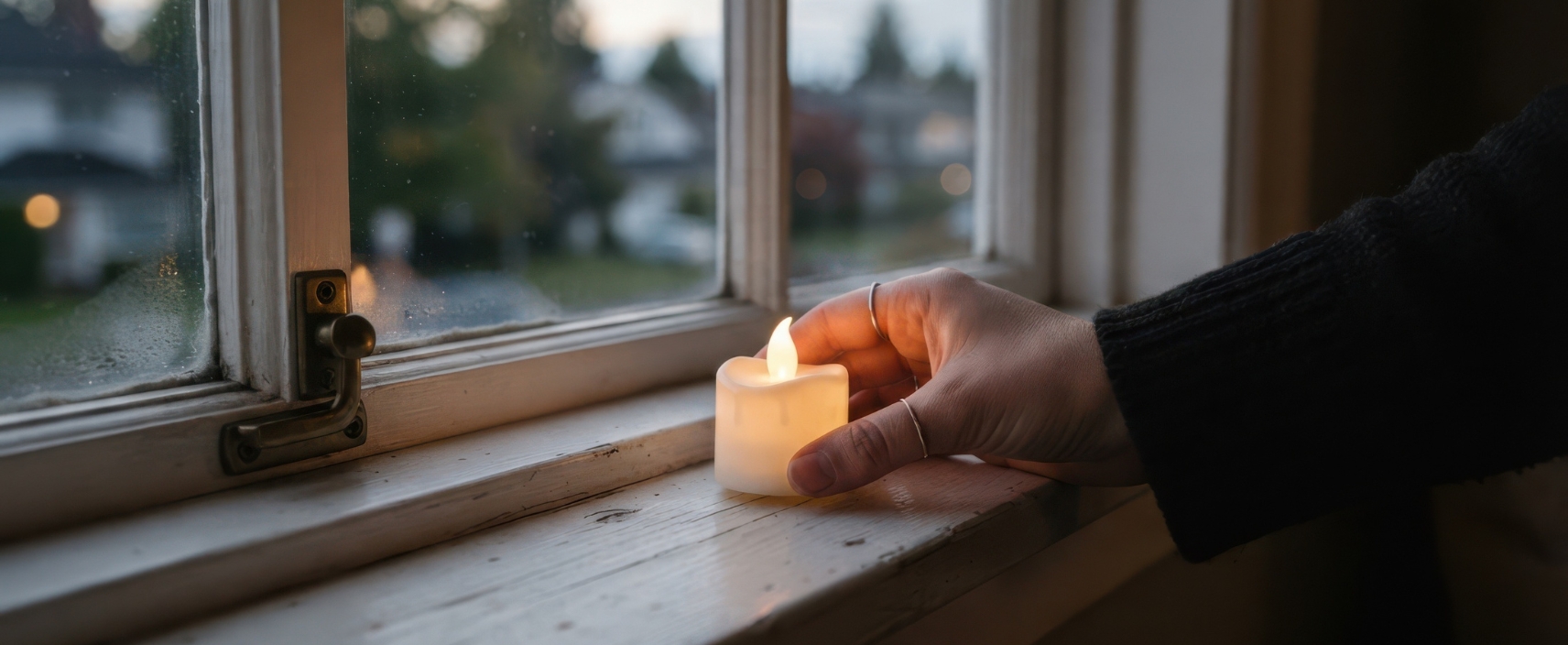
Candles can create a relaxing atmosphere and provide enough light to guide you, but real flames introduce a fire risk. Fire services, including Lancashire Fire and Rescue Service, recommend LED flameless candles as a safer alternative. They also advise never placing real candles on the side of the bath, as the heat can melt some bath materials.
If you do use real candles, keep them in proper, heat-resistant holders, well away from towels and anything else that might catch fire. Never leave them unattended and extinguish them completely before leaving the room or going to bed.
5) Make the Floor Your Friend
Good grip underfoot in the shower always matters, especially so when you’re keeping the lighting low. A simple shower mat with a non-slip backing that sits flat inside the shower, plus a clear path from the shower to the door, can help reduce the risk of slips and trips. Keep the floor as dry as possible too by placing a fabric mat outside the shower exit.
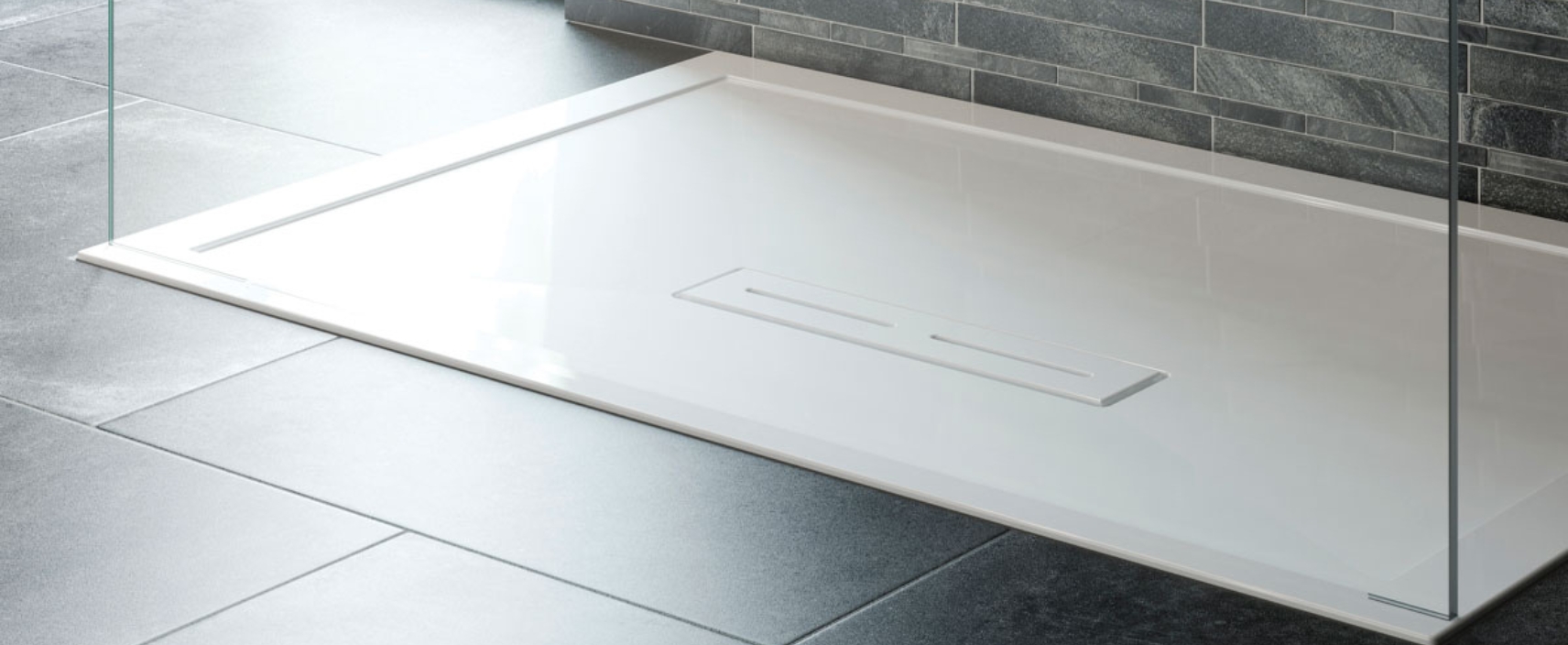
If you're renovating your bathroom, a non-slip shower tray is one of the simplest ways to make showering safer, dark or otherwise. These trays have a subtly textured or matt surface that gives your feet more grip when the floor is wet and soapy. Many are tested for slip resistance, so look for a rating rather than relying on how a surface feels. Common measures include the DIN 51097 classes for barefoot wet areas, where Class C offers the most grip, or a Pendulum Test Value (PTV) of 36 or above, which the UK's Health and Safety Executive classifies as low slip risk. This, along with the terminology, is explained further in our guide to anti-slip vs slip-resistant vs non-slip shower trays.
6) Make Getting In and Out Easy
Think about the step into the shower as well as the surface underfoot. Ultimately, the fewer steps up and down, the better. A low-profile shower tray sits almost flush with the floor for level-access entry, while a complete walk-in shower aims to remove the step altogether, with no door to fumble for in the dark either.
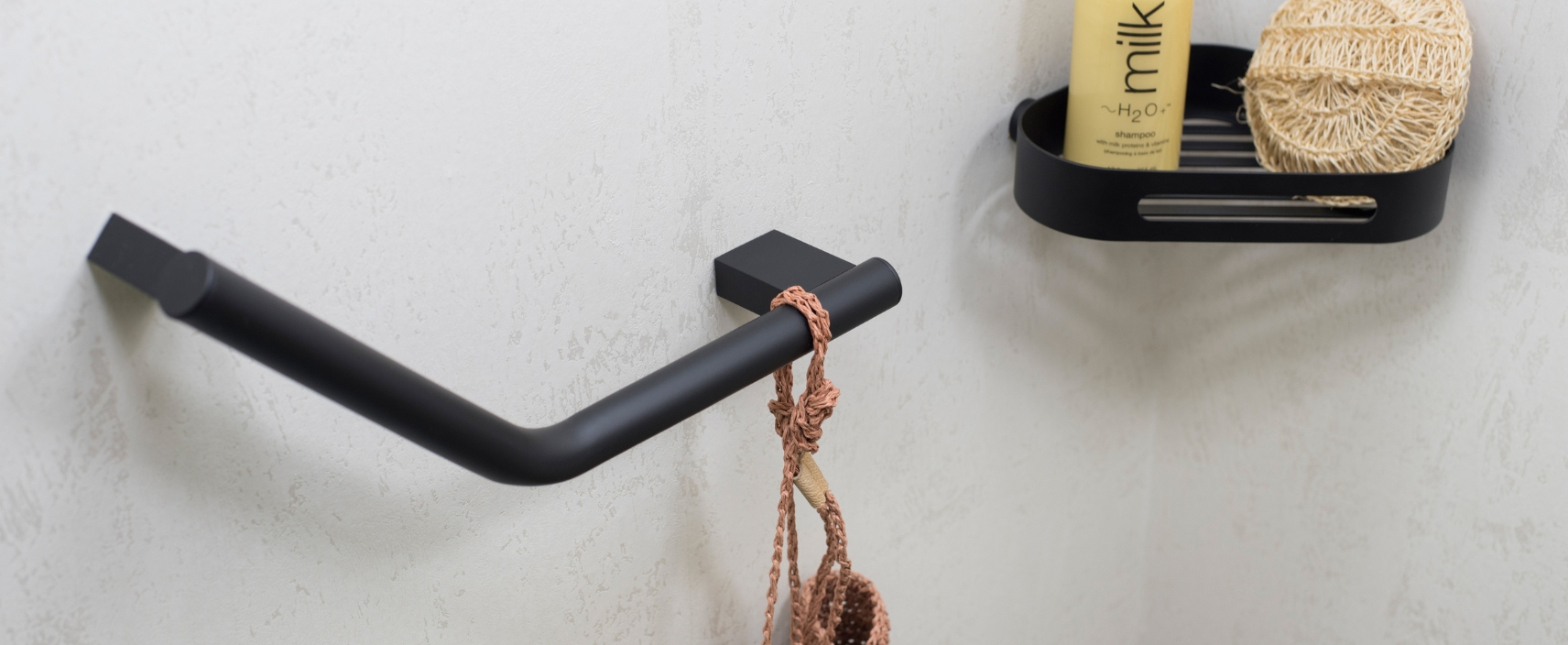
If you're keeping your current shower, a grab rail by the entrance is a more affordable way to give yourself something steady to hold onto as you step in and out. They're not just for older or less mobile people either. Anyone can slip on a wet floor, and today's grab rails come in several types of bathroom finishes, including chrome, matt black, and brushed brass to match your bathroom's aesthetic and colour scheme.
7) Pick a Shower That's Easy to Use in Low Light
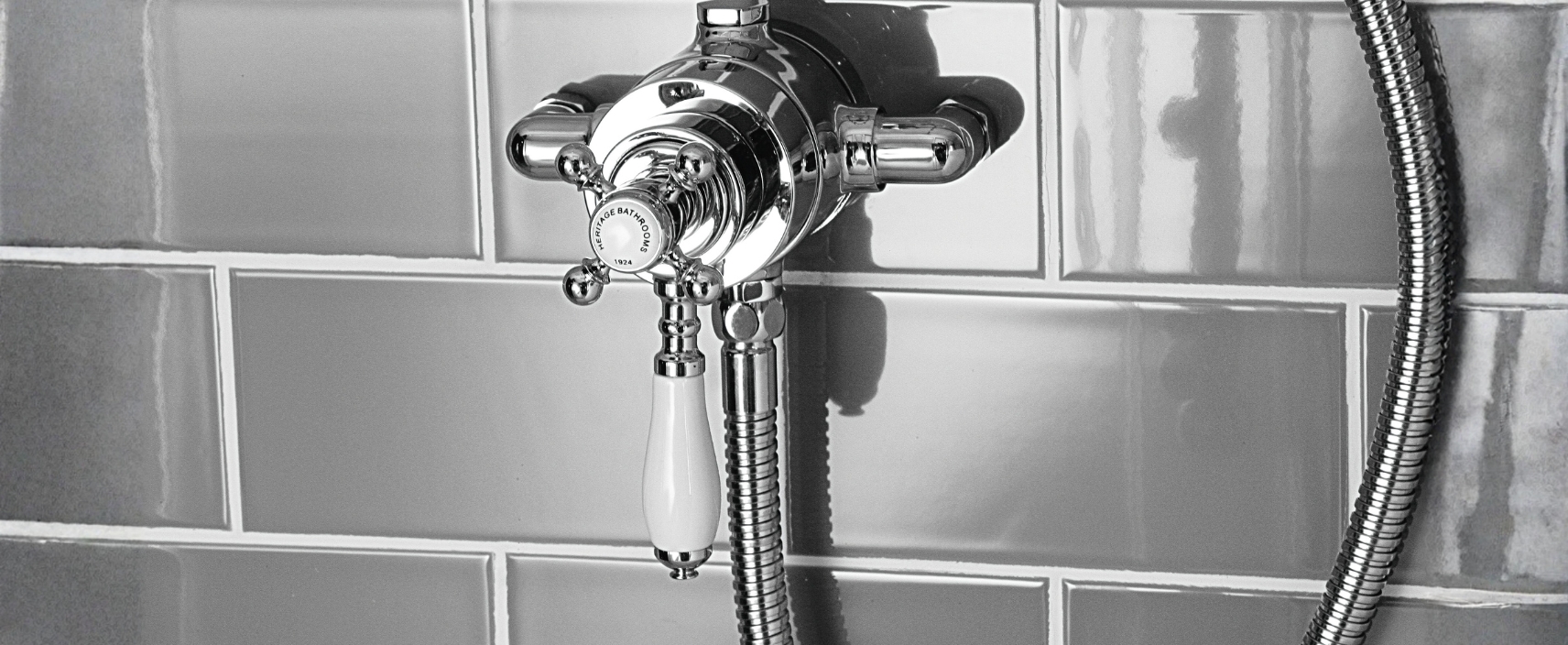
Fiddling with shower controls you can't see isn't very relaxing, so get the water just right before you turn the lights down. To make turning things on and off easier, consider bringing in shower valves with lever controls rather than flat dials.
A thermostatic shower is another addition that makes life easier, keeping the water at a steady temperature even if someone turns on a tap elsewhere in the house. Many also have a safety stop at around 38°C, so you can find a comfortable setting by feel. A digital shower with backlit controls and saved presets is even simpler - your favourite temperature is just a button press away.
8) Keep Your Essentials Within Arm’s Reach
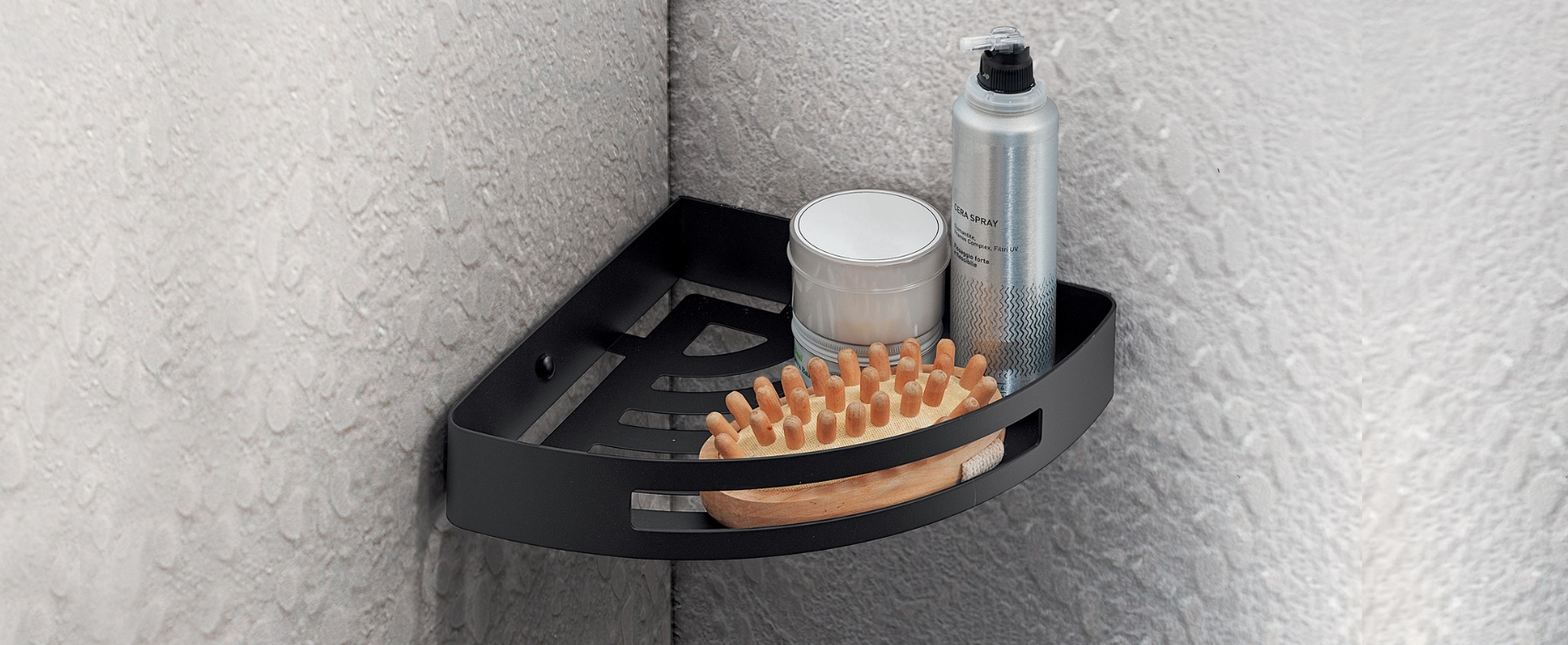
Reaching for a bottle you can't quite see is how things get knocked over - and how you end up stretching, bending or padding across a wet floor when you'd rather be standing steady. So, before you dim the lights, get everything you'll need in place, from your shower gel to your towel.
In the shower itself, a shelf or shower caddy at chest height saves you from bending all the way down to the tray. If you're renovating, a built-in shower niche is even neater, and some come with a strip of low-level LED lighting to illuminate the surface.
Outside the shower, place a robe hook within arm's reach so you can grab a towel or bathrobe as soon as you turn off the water. A heated towel rail makes this even better, especially on the colder nights, and a timer on an electric rail means it can warm up just before your evening shower. As with your bathroom lighting, check with your electrician that it's suitable for its spot in the bathroom, or consult our guide to bathroom electrical zones.
How to Try Dark Showering Tonight
No plans to renovate your bathroom just yet? No worries! Here's how to try dark showering for yourself this very night:
- Plan your shower for anywhere from 30 minutes to two hours before bed, rather than just before you get in.
- Set up a low light first, using a dimmer, your mirror's light, or a flameless candle - rather than just flicking the lights off.
- Set the water to comfortably warm, not hot.
- Leave your phone outside the bathroom.
- Spend around ten minutes focusing on the sound and warmth, and try slow breathing: in for four, out for six.
- Keep the light low as you dry off and head to the bedroom.
- Try it for a week or two and notice whether you're falling asleep any faster.
Can You Do it in the Bath Instead?
Absolutely! Dark bathing follows the same principles as dark showering: warm water, low light, and no screens. In fact, a long, dark, candlelit soak in the bath is something that many do already, and potentially a safer way to reap the rewards. A freestanding bath is a particularly lovely way to do it, and if you're thinking about an upgrade, our bathtub buying guide is a good place to start. The same rule applies to candles, however - keep them off the bath rim!
The Bottom Line on Dark Showering
Dark showering isn't some magic fix-all, but it is built on sensible ideas. Cutting down on bright light in the evening and taking a warm shower before bed are both linked to falling asleep more easily, and together they give you a calm, screen-free ten minutes at the end of the day. The research hasn't caught up with the trend itself yet, so it's best seen as a gentle addition to your routine rather than a guaranteed solution for poor sleep.
The key is low light, not no light. As Dr Wylie puts it, "there is no reason to put yourself at risk by making the bathroom completely dark". A dimmable fitting, the warm glow of an LED mirror, or a couple of flameless candles will give you all the atmosphere you need, while additions such as an anti-slip shower tray and grab rails take care of practical safety. Get those basics right and your bathroom can become a place to properly switch off, rather than the brightest room you visit before bed.
If you'd like help choosing the products suggested in this article, our expert team is always happy to talk it through. And if you've got your own wind-down routine or a question about setting up your bathroom, please do get in touch. We'd love to hear from you!


