What Does WC Stand For? The Water Closet Explained
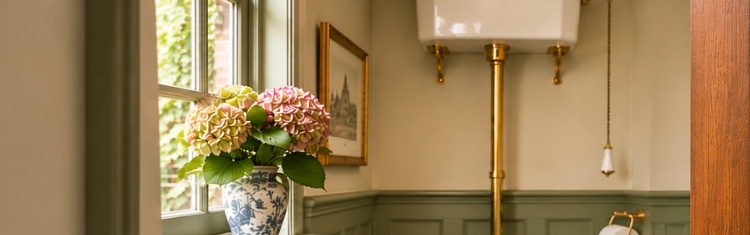
It's just two letters, but the term WC packs in more than 400 years of history. Behind it sit a word that once meant a room for quiet study or prayer, an Elizabethan pun, and a splash of water that set one kind of toilet apart from another. And those letters are still everywhere, from estate agent listings to toilet doors abroad.
In this guide, we'll explain what WC means, how the name came about, and where you'll still spot it, plus how a WC differs from a bathroom, cloakroom, or ensuite.
- What Does WC Mean?
- Why Is a Toilet Called a WC?
- Where Will You See WC Today?
- What’s the Difference Between a WC, a Bathroom, and a Cloakroom?
- What Does the WC Meaning Tell Us?
What Does WC Mean?
The full form of WC is ‘Water Closet’. It can refer to the toilet itself or the small room containing it. Which meaning you're looking at usually depends on where you see WC. On a floor plan or a public sign, WC tends to mean the room. On a product page, it nearly always means the toilet fixture.
In the UK, WC today simply means 'toilet', and the two terms are used interchangeably, but in conversation, most of us would just say toilet or loo. On a public sign, a listing, or a product title, though, using WC is very common and handy for a few reasons, which we’ll discuss later in this guide. But first, let’s dig into the term's history to better understand its meaning.
Why Is a Toilet Called a WC?
The name itself tells the story, one word at a time. Each part of ‘water closet’ existed for a reason: the name combines an older word with a reference to flushing with water. The abbreviation came much later. Here’s how it all fits together.
Before the WC
According to History Today, before flushing toilets, people used names such as the privy and the jakes or, in wealthier homes, the close-stool. The privy and the jakes were everyday words for common folk, while the close-stool, a padded seat with a removable container beneath, belonged to households that could afford something a little more refined.
One of those old names even inspired a joke. In 1596, Sir John Harington described his flushing design in a book called The Metamorphosis of Ajax. As History Today explains, "Ajax was a pun on 'jakes', which was slang for a privy". While toilet slang might seem modern, it turns out people were already having fun with toilet names more than 400 years ago.
Harington installed his design at his home in Somerset and another at Richmond Palace for Elizabeth I but, sadly for him, the idea never caught on. As History Today notes, important improvements to toilets in England would not come until the 18th century, and that’s also when the name first appeared. Etymonline dates ‘water-closet’ to 1755; 20 years later, in 1775, Alexander Cumming obtained what The National Archives calls "the first UK patent for a flushing water closet".
Why 'Closet'?
According to another entry from Etymonline, ‘closet’ originally meant "a small private room for study or prayer", from Old French closet, meaning "small enclosure, private room".
The key idea was privacy. A closet served as a place where you could shut the door and be on your own, whether you were reading, praying, or doing something more practical. That's why the word suited a toilet so well.
Why 'Water'?
The ‘water’ part of the term described a toilet that used water to flush waste away. In the 19th century, it also helped distinguish the new flushing toilets from dry privies and earth closets - a sanitation system which covered waste with dry earth instead of flushing it away.
Flushing toilets didn't become the norm straight away, though. According to BBC Bitesize, the Rev Henry Moule invented the earth closet in 1860. The National Archives says earth closets "remained the more popular and common form of waste disposal for more than a hundred years, even once the Victorians constructed underground sewers in the second half of the 19th century". So having a water closet was a real step up, and today there's a whole range of toilet flush systems to choose from.
From Water Closet to WC
The abbreviation ‘W.C.’ was in use by 1815, according to Etymonline. That makes the familiar short form more than 200 years old. It's easy to see why people shortened it. ‘Water closet’ is a bit of a mouthful and, as we’ll discuss below, two letters do the job just as well.
You’ll encounter both ‘W.C.’ and ‘WC’, and they mean the same thing. The version without full stops is much more common, however, as it follows modern British writing conventions, which generally leave them out of abbreviations.
Why We Still Say WC
So, with much of the name stuck in the past, why is it still relevant today? The answer is simple: it's short and fits anywhere. Two letters take up very little space, which is handy on a door sign, a floor plan, or a property advert where every word counts. It’s also travelled beyond Britain: you’ll see WC on toilet signs elsewhere in Europe.
Ultimately, ‘water closet’ may sound dated, but the abbreviated ‘WC’ still provides a short label for a familiar facility.
Where Will You See WC Today?
As we’ve identified, the term itself is a label, but where and how is it used in everyday life? Here’s what it usually means in each setting.
On Floor Plans and Estate Agent Listings
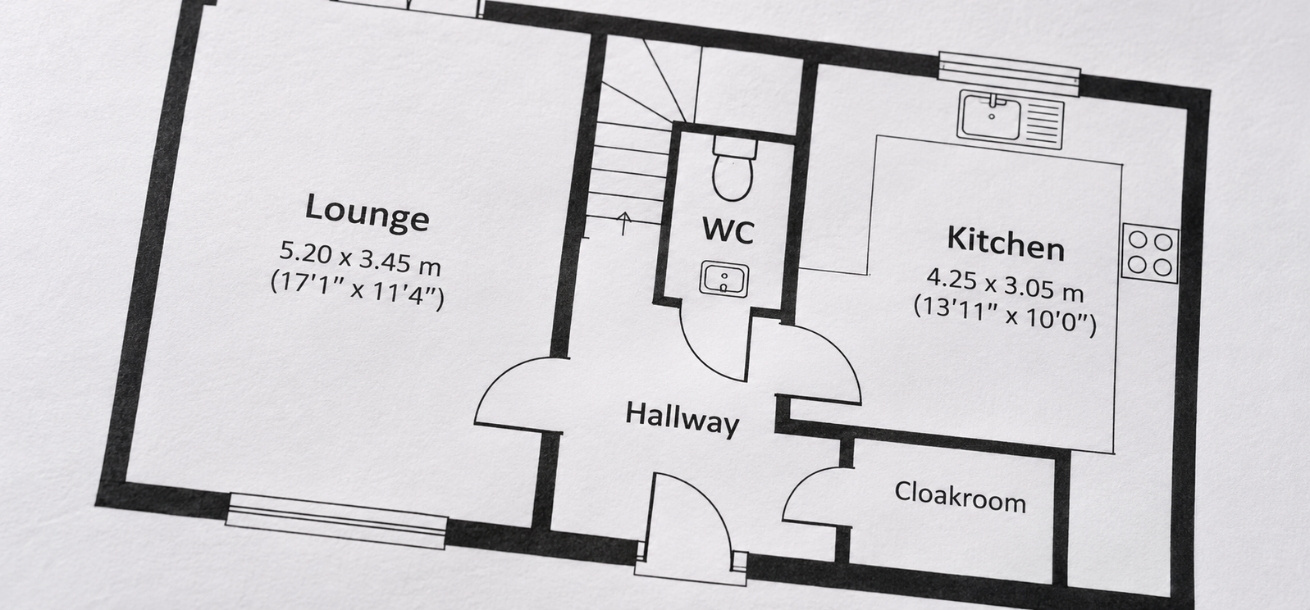
In property descriptions, WC usually identifies a toilet room. You might see labels such as ‘downstairs WC’, ‘separate WC’, or ‘WC/cloakroom’. In all cases, WC means a room with a toilet. In some cases, however, it also means a room with a toilet and a small basin, but no bath or shower.
Estate agents don't always use these labels in the same way, so it's worth checking the floor plan or asking what's actually in the room.
On Public Toilet Doors
You'll often spot WC on toilet doors when you're travelling in Europe, which can be a very welcome sight for many. Because the same letters are used beyond English, they're a handy shortcut when you don't speak the local language.
In Product Names
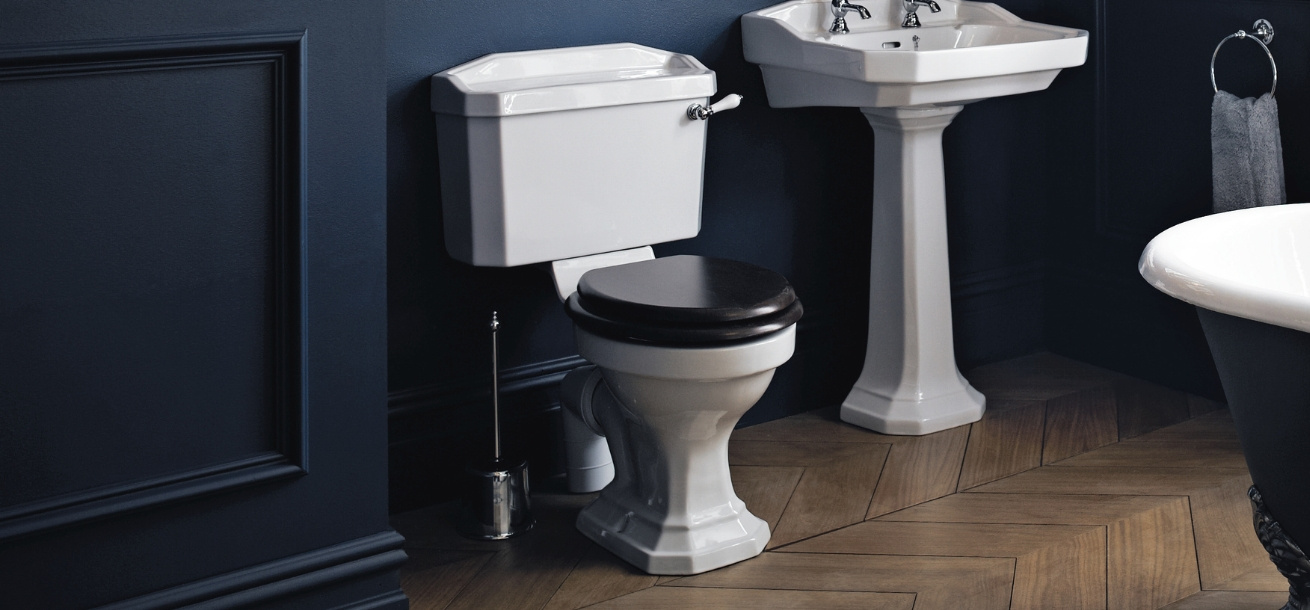
Shopping for a new toilet? You’ll see WC in product names and descriptions, sometimes referring to the toilet and sometimes forming part of a name for a related component. Here's what the common terms mean, and our toilet terminology guide covers the rest:
- A WC pan is the bowl itself.
- A WC unit is the furniture housing that conceals the cistern and associated pipework.
- A WC suite generally refers to the whole toilet, with pan, seat, and cistern sold together.
What’s the Difference Between a WC, a Bathroom, and a Cloakroom?
Does WC mean bathroom? Not quite. As a rough guide, here’s what each usually means in a UK home:
- WC: a toilet, or a small room with just a toilet, and sometimes a basin.
- Cloakroom: a small downstairs room with a toilet and a compact basin.
- Bathroom: a room with a bath and/or a shower, usually with a toilet and basin too.
- Ensuite: a bathroom or shower room that's attached to a bedroom.
The main difference is what's in the room. A WC or cloakroom is about the toilet and a place to wash your hands, while a bathroom or ensuite adds a bath or shower.
What Does the WC Meaning Tell Us?
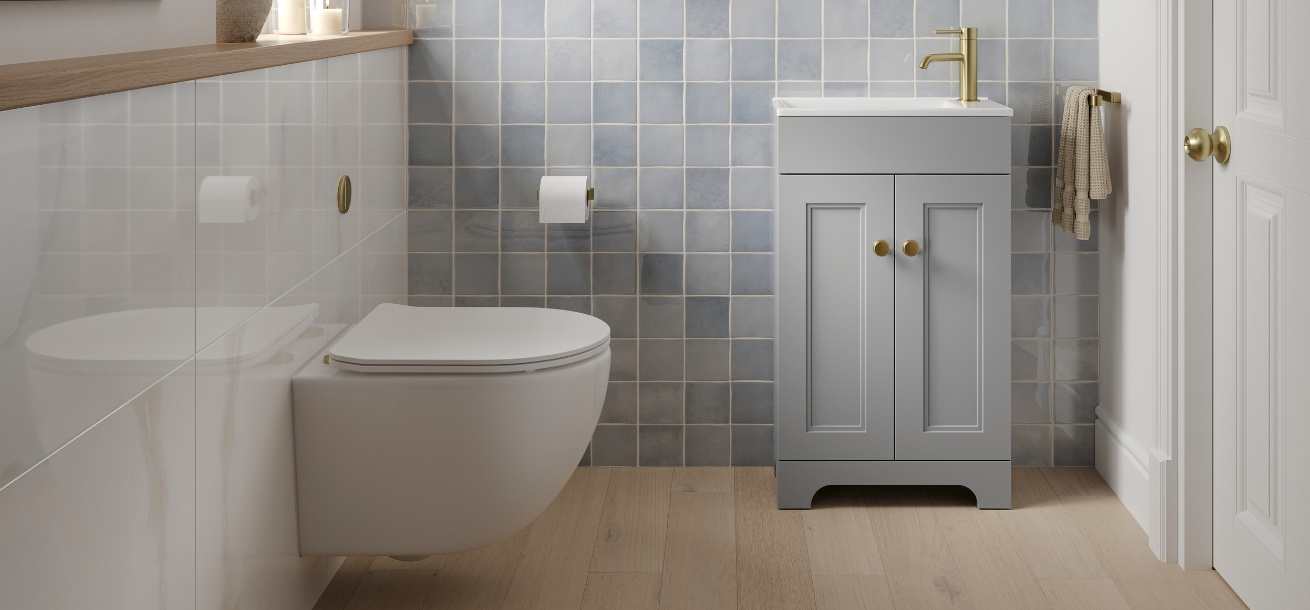
Beyond the history, the name tells us something about what we still want from one of the smallest rooms in the house, whether that's a downstairs WC, a cloakroom, or an ensuite. The two ideas behind it, a private space and a toilet that flushes, are still what matter most in a WC today. What's changed is how much choice you have in the way it looks and works, from heritage-inspired traditional designs to technology-packed smart toilets, as our 2027 bathroom trends report shows.
If you're planning a WC of your own, it helps to think about how you'll use it first. Our toilet buying guide is a good next step if you're weighing up your options. For anything else toilet-related, contact our team today.

