With the much-anticipated 2026 adaptation of Emily Brontë's Wuthering Heights bringing the wild Yorkshire Moors back to our screens, there's never been a better moment to draw bathroom inspiration from this timeless tale of passion and tragedy. While the story itself unfolds in a time when bathrooms as we know them simply didn't exist, the atmospheric setting and emotional intensity nevertheless offer a wealth of design inspiration.
Whether you’re giving your existing traditional-themed space a few fresh touches, planning a total traditional bathroom renovation, or are simply a huge fan of the novel, we’ve created this in-depth style guide to help you get there. Join us as we dive in and immerse ourselves in the tumultuous, melodramatic maelstrom of Emily Brontë’s timeless masterpiece.
Understanding The Wuthering Heights Aesthetic
First things first - while we explore the idea of a ‘Georgian-style bathroom’ true to the Wuthering Heights era, it’s important to note that there’s no set design for such a thing. This is because Georgian bathrooms never actually existed! Bathrooms as we know them didn’t really emerge until the second half of the 19th century, well after the days in which Catherine and co wandered those desolate, windswept moors.
The purpose of this guide is not to literally take your bathroom back to an age predating indoor plumbing. Rather, we aim to bring a sense of Gothic romanticism to today's comfortable bathrooms, following the Georgian aesthetic as closely as possible. In other words, everything will look great, but you still get to have a flushing toilet.
Anyway, enough preamble. It’s time to capture the essence of Wuthering Heights! And, unlike Heathcliff's decades-long obsession, we promise this won't take quite as long to achieve. To begin, we must first fully understand the target aesthetic by considering three crucial elements of the story.
1) The Period
18th-century Georgian Britain was characterised by simplicity and understated elegance, a time when ornate decoration took precedence over functionality. Houses were strongly influenced by strict symmetry and careful proportion, while still making room for the marbled splendour of classical architecture.
Yet, given the novel’s rural North Yorkshire setting, we’ll be focusing on the simpler, more rustic aspects of Georgian bathroom design. For this, we need look no further than the style of home occupied by the Earnshaw family themselves – the humble Georgian farmhouse.
What is The Georgian Farmhouse Style?
Georgian farmhouse architecture is a rural adaptation of the urban Georgian style, built in Britain during the 18th and early 19th centuries. These farmhouses are less grand than city terraces or large country houses, featuring balanced, box-like forms, red brick or white stone walls, slated or tiled roofs, sash windows, and ornamental door surrounds.
Inside the farmhouse, simple decorative features adorn a straightforward, easy-to-navigate layout. There are tall ceilings, handmade wooden furniture, and natural colour tones, such as creams, soft greens, blues, and browns.
2) The Location
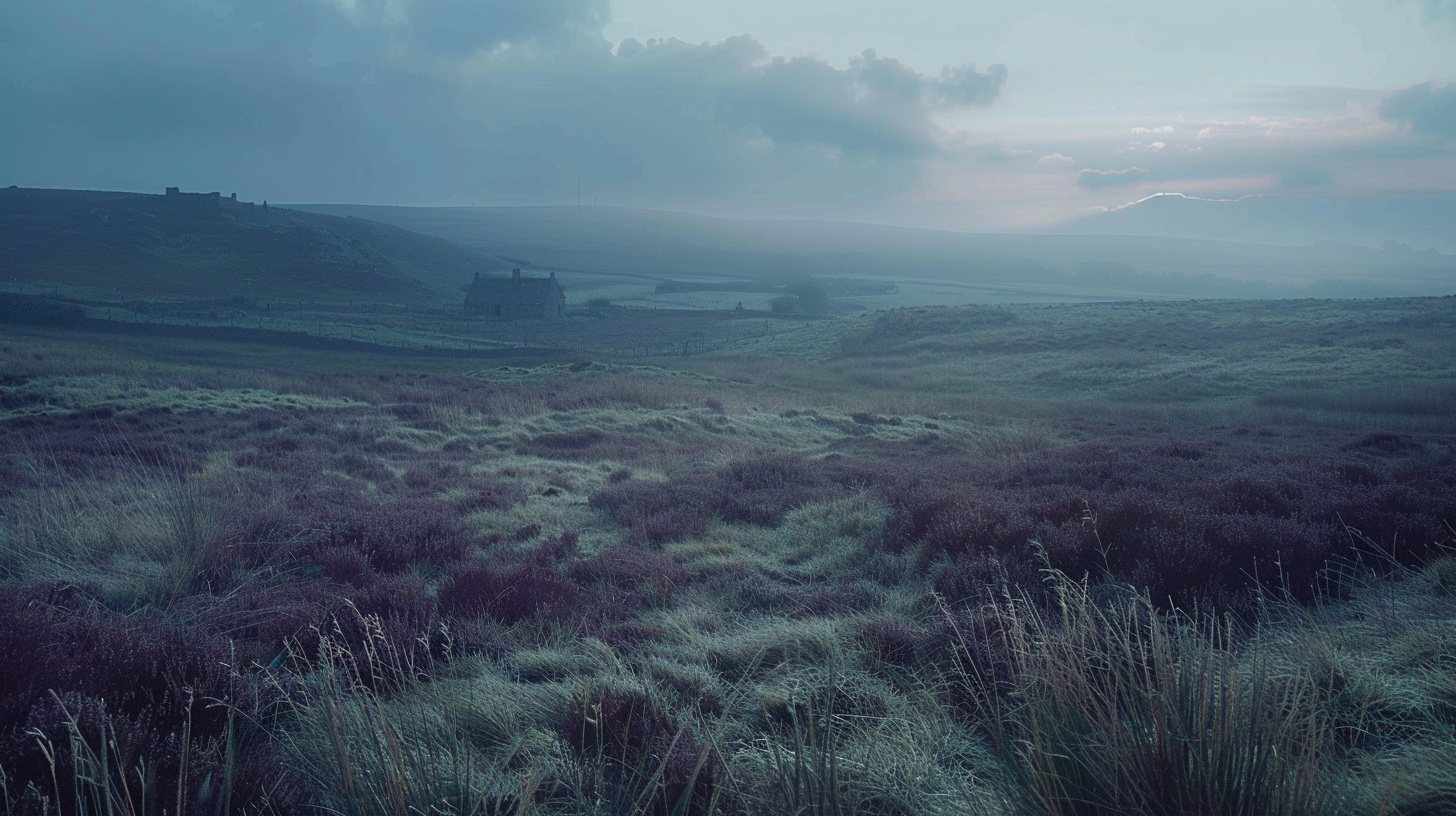
The novel's dramatic, hauntingly bleak setting, with windswept moorlands, creates an inherent connection to nature and the elements. The Earnshaw home sits exposed to the full force of northern weather, surrounded by harsh terrain where heather blooms in late summer and storms forever ravage the landscape.
In terms of bathroom design, this untamed world lends itself well to the need for natural materials and colours. Think wild rusticity over pristine minimalism.
3) The Genre
Wuthering Heights transcends its status as a rural English period piece, delving into the darker facets of human passion. The narrative seethes with emotional intensity, brooding atmosphere, obsession and revenge.
These aspects suggest a bathroom design approach that should embrace a moody aesthetic rather than a lighter interpretation, leaning toward the darker side of interior design.
A Palette Drawn From The Moors
The colour scheme for a Wuthering Heights-inspired bathroom should reflect both the landscape and the story's emotional tenor. While we might instinctively reach for more neutral tones in traditionally inspired spaces, this is an opportunity to go bolder with your choices.
Consider:
- Deep purples or brown mauves that are reminiscent of moorland flowers - think aubergine or damson.
- Dark blues that reflect the Yorkshire skies and the novel's tempestuous nature - slate blue, midnight, or storm grey blue.
- Mossy greens and earthy browns to tie the whole design together - sage, forest green, lichen, and warm taupes.
As these colours are predominantly dark, they should be applied strategically. Rather than covering every surface, use them to create focal points and add tactful splashes of visual depth. This will help you balance the narrative’s untamed sensibilities with the functionality required in modern bathroom design.

Textures That Tell a Story
Material choices are paramount in achieving an authentic traditional bathroom aesthetic, let alone a Wuthering Heights rendition. The emphasis should be on natural surfaces that convey handcrafted authenticity rather than industrial precision.
Consider:
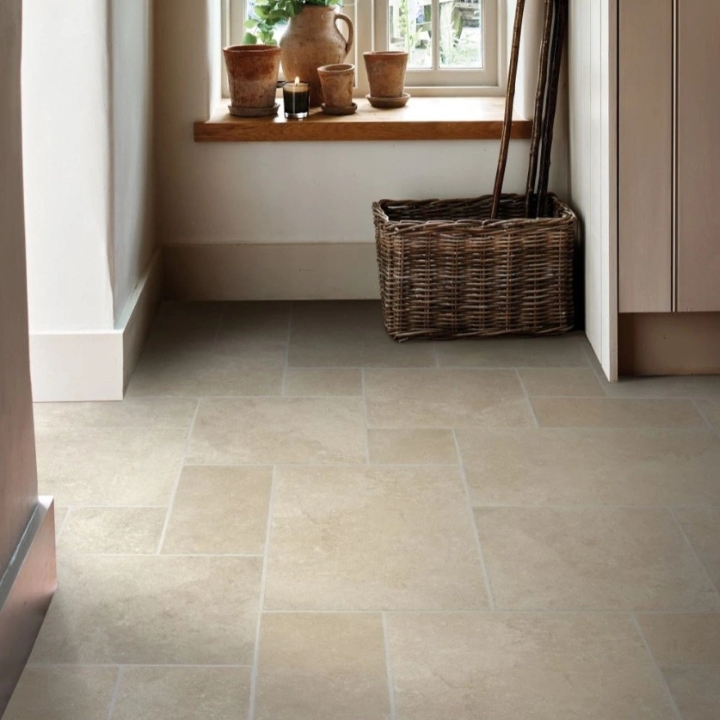
- Stone tiles for the floor, with their delicate variations in tone and handmade irregularities, perfectly capture the rugged moorland terrain. For the wall, look for porcelain or even zeliige that replicate natural stone and bring mosaic patterns; both come in a vast array of monotone and bright colours, all capable of capturing the period's pastoral charm.
- Matt finishes are essential throughout your scheme, delivering an earthy feel that adds warmth and sincerity. They’ll also prevent your bathroom from appearing too contemporary or clinical. Avoid glossy tiles and surfaces that read as overtly modern.
- Introduce exposed brick or stone, in certain strategic areas, to ground the space in history and create architectural interest. Reclaimed brick or stone-effect feature walls behind your bath or vanity immediately establish period character.
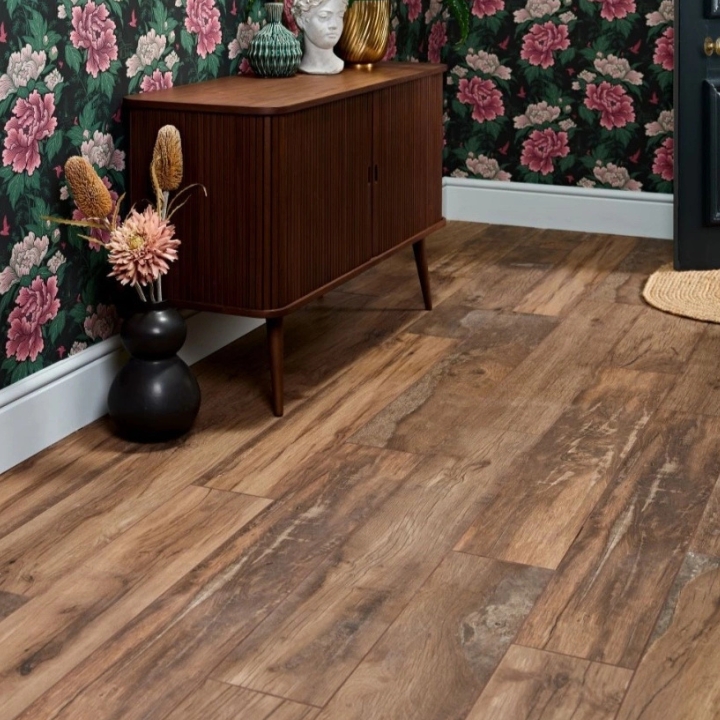
Wooden elements bring vital warmth and biophilic connection. Opt for light oak, aged pine, or grey-washed timber for shelving, seating, or panelling. Tongue-and-groove wall panels in painted finishes also offer an excellent alternative to tiling while maintaining that farmhouse feeling.
Fixtures With Period Character
Staying on theme is vital for this brief, and the choice of bathroom fixtures can make or break the delicate aesthetic. Modern additions like straight-edged fittings, wall-hung fixtures and polished chrome finishes feel jarringly out of place, disrupting the historical narrative you're trying to create. Instead, look for pieces with curved profiles and natural materials, whilst also prioritising many of the aforementioned colour and material styles.
Let’s review the key components of a bathroom and offer the best solutions to achieve our sought-after Wuthering Heights aesthetic.
Bathtubs
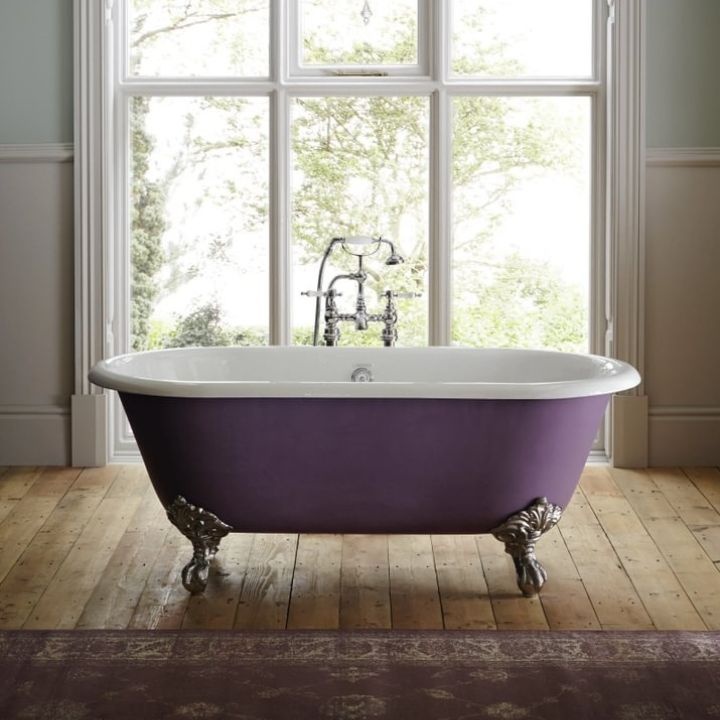
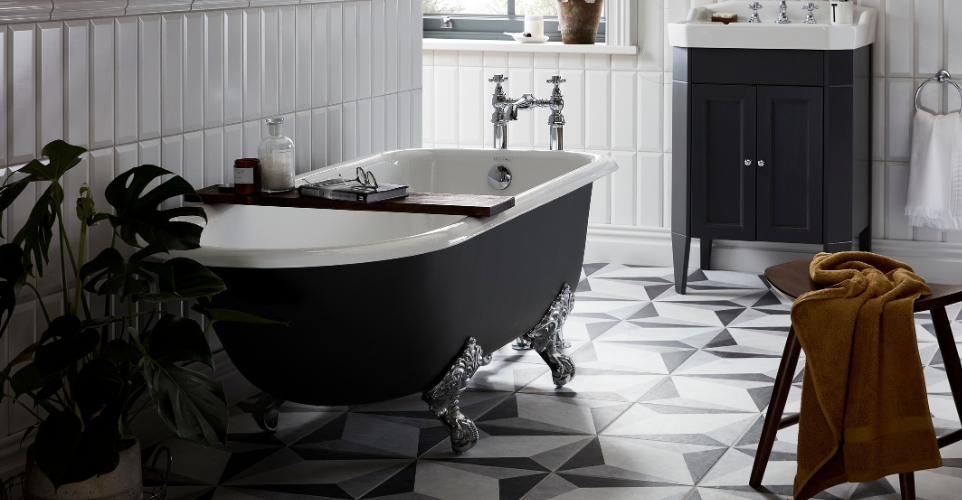
First up – bathtubs! Freestanding baths are the pinnacle of traditional bathroom design, regardless of the specific era you’re emulating. Pristine white acrylic and ruler-straight sides have no place here. Think instead of painted finishes, roll top edges, boat/slipper shapes, and finely wrought claw or ball feet.
Since standalone bathing vessels certainly existed during the Georgian period - often shallow and crafted from metal – you also have the option of a copper bath. These weathered fixtures are visually warming and instantly eye-catching. Just remember, you'll want to ensure the surrounding surfaces are dark and complementary. This helps the bath function as a dramatic centrepiece, not merely a bit of frivolous bling. After all, this is Wuthering Heights, not Pride & Prejudice!
This selection of choices bridge the divide between historical authenticity and contemporary luxury. Whichever style you choose, the main goal is to select an expressive colour finish rather than the standard plain white. A painted exterior in dark charcoals, deep greens, inky blues, or the austere tone of metallic copper helps tie the bath to the heather-and-storm-cloud palette we’ve identified as key to the story.
Lastly, make sure to position the bath as the room's focal point. Try placing it against a feature wall of darker tiles or exposed brick, to command attention while maintaining the tasteful simplicity of Georgian design.
Basins
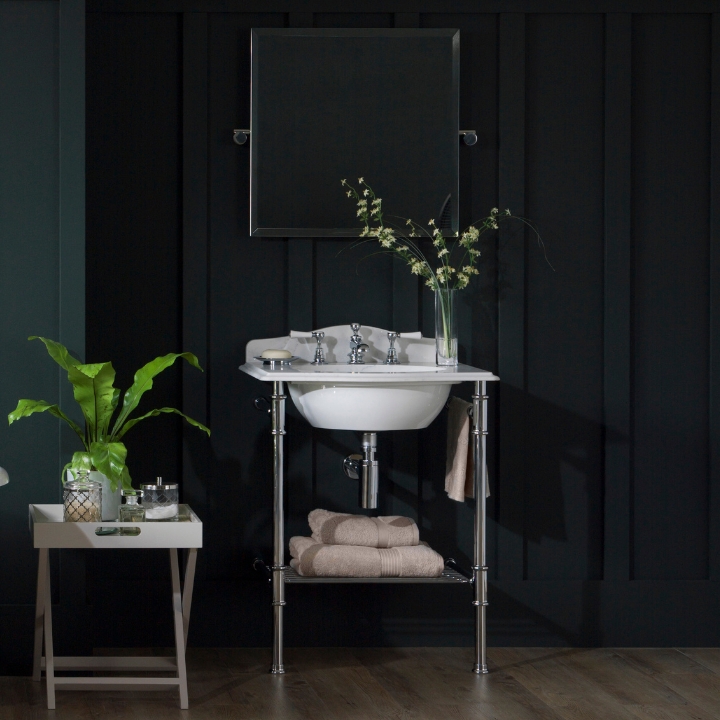
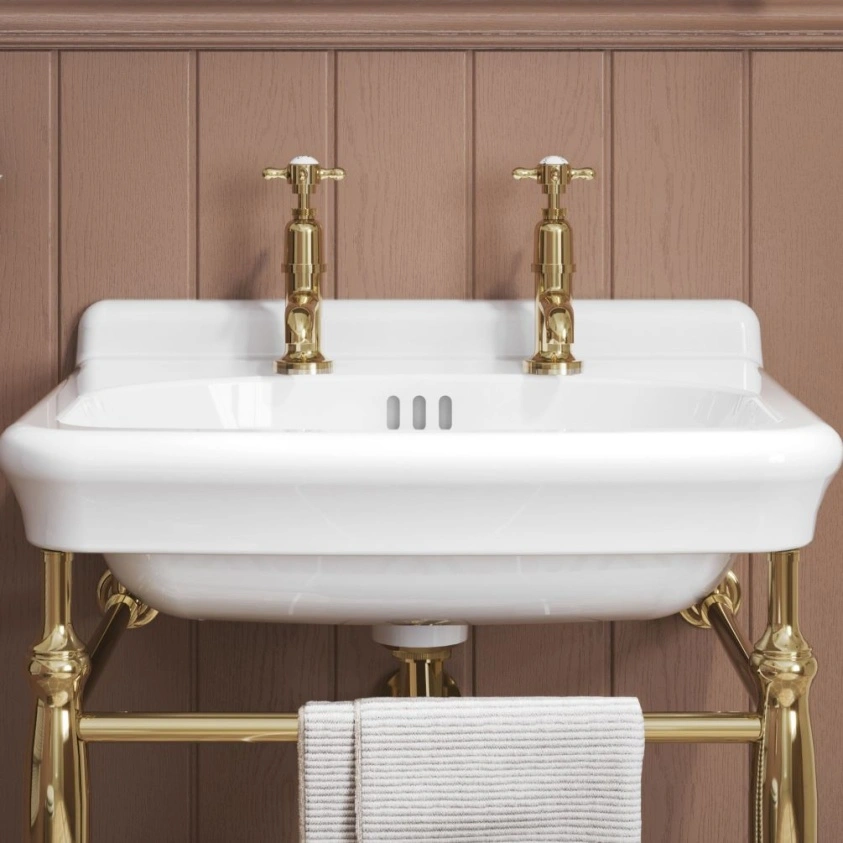
The pedestal basin is a firm staple of traditional bathroom décor. Unfortunately, modern incarnations often feature too-perfect white ceramic on super sleek pedestal forms. While this is perfectly fine for standard minimalist spaces, it doesn’t exactly scream ‘unbridled passion on the rain-battered moors’. Instead, we suggest opting for a period-style washstand with legs, or even a traditional vessel sink.
Washstands in particular, whilst admittedly more popular throughout the 19th and early 20th centuries, certainly find a place in a Wuthering Heights-themed space as a natural evolution of the washbowl found in a Georgian farmhouse bedroom. These fixtures add considerable flavour and depth to bathrooms with their open-legged frame, made from either wood or metal, and exposed pipework that wears its mechanics honestly.
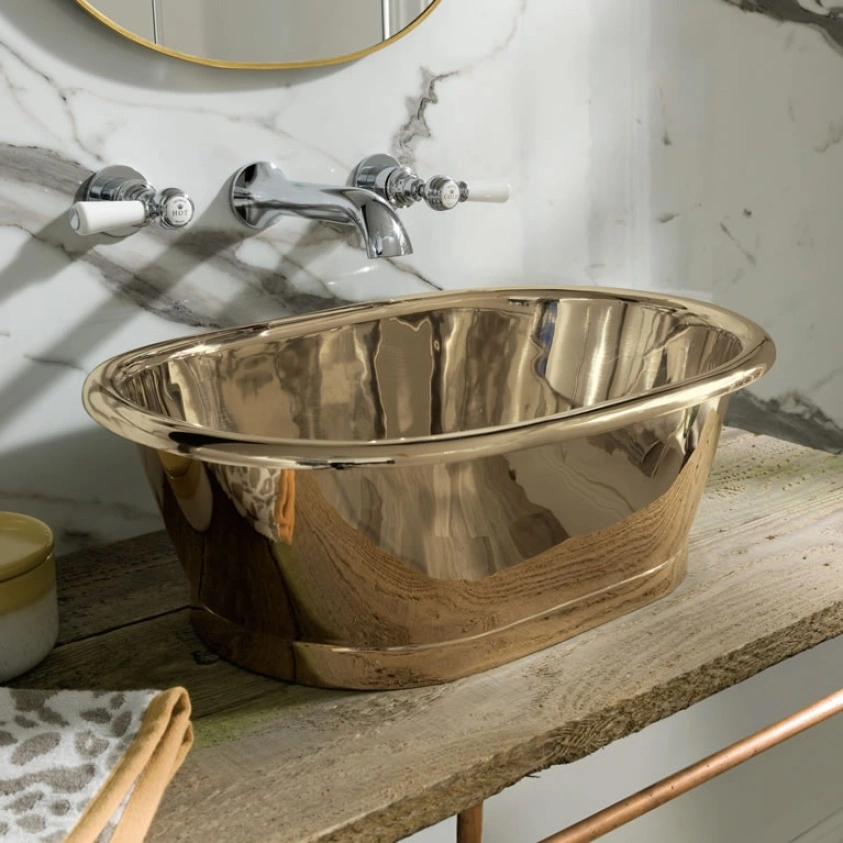
For those seeking to get the most out of traditional furniture, vessel sinks, especially those made from metals such as copper, brass, or bronze, are excellent choices. They’ll sit gracefully within or atop your vanity unit, creating visual interest through the interplay of materials whilst preserving that period-appropriate simplicity. Furthermore, as you utilise furniture, painted finishes and coloured worktops offer additional opportunities to incorporate those coveted moorland hues.
Taps
We want our tapware choices here to feel sturdy and slightly utilitarian, rather than purely decorative. Many traditional taps inevitably fall into the gaudy realms of Victorian excess, with porcelain levers, elaborate curves and billowing shrouds. They certainly look pretty, but they’re perhaps a little too fancy for our leaner, pared-back Georgian farmhouse style.
For basins, separated pillar taps with modest crosshead handles will do the job nicely. Deck-mounted to the surface of a basin, they pay sufficient tribute to historical plumbing practices, while their substantial presence and grandiose detailing feel appropriately weighted.
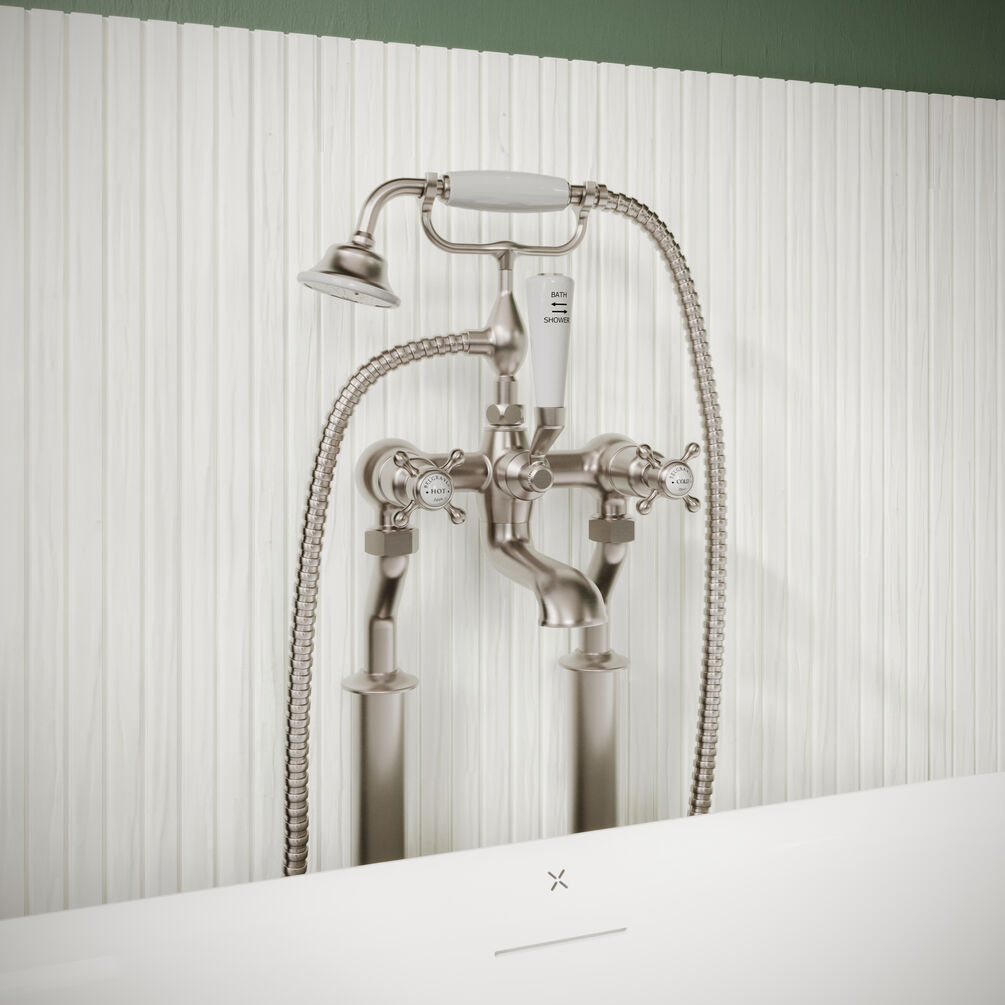
When it comes to your freestanding bath, there’s no better choice than a freestanding bath filler. These commanding pieces complement traditional roll-top baths perfectly, their visible pipework and solid construction echoing the exposed beams and honest materiality of period architecture.
Finding the right finish is crucial for your tap selection. Brass, brushed brass, nickel, antique bronze, aged gold and copper all work beautifully, complementing the warm, earthy palette we've established. Avoid chrome and stainless steel entirely - these modern finishes immediately undermine your carefully curated aesthetic.
Toilets
We promised you a toilet, and a toilet we shall deliver. Now, the flushing toilet, as we know it, wasn't widely adopted until well after the Georgian period, so we'll have to lean toward Victorian-influenced bathroom design to solve this particular necessity. Well, unless you really fancy living that authentic chamber pot experience. No judgement here.
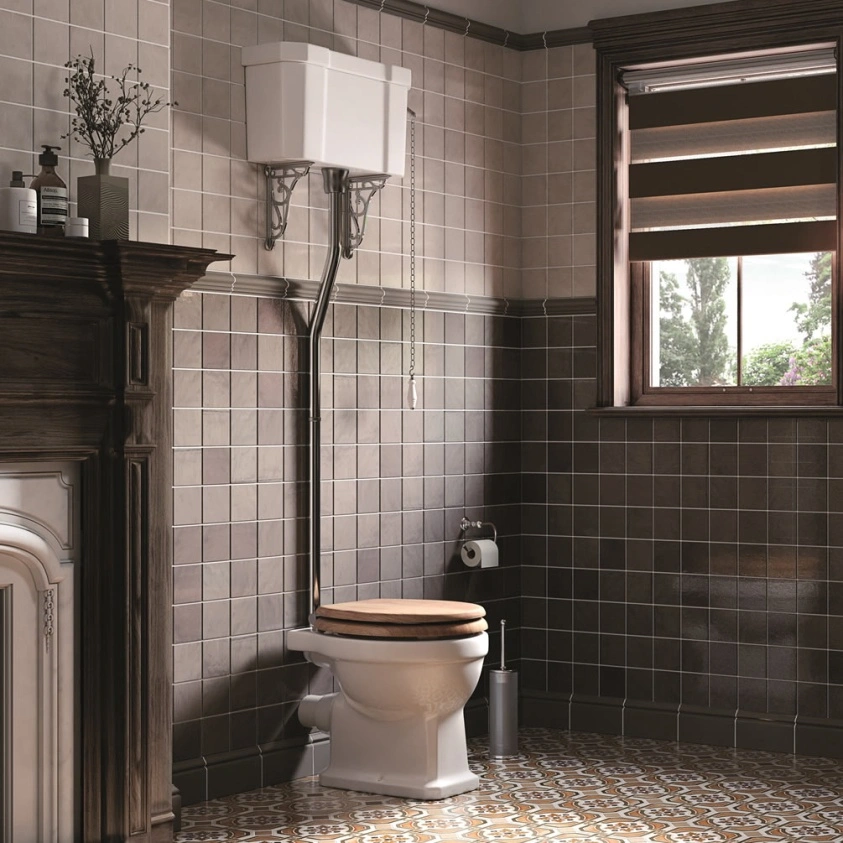
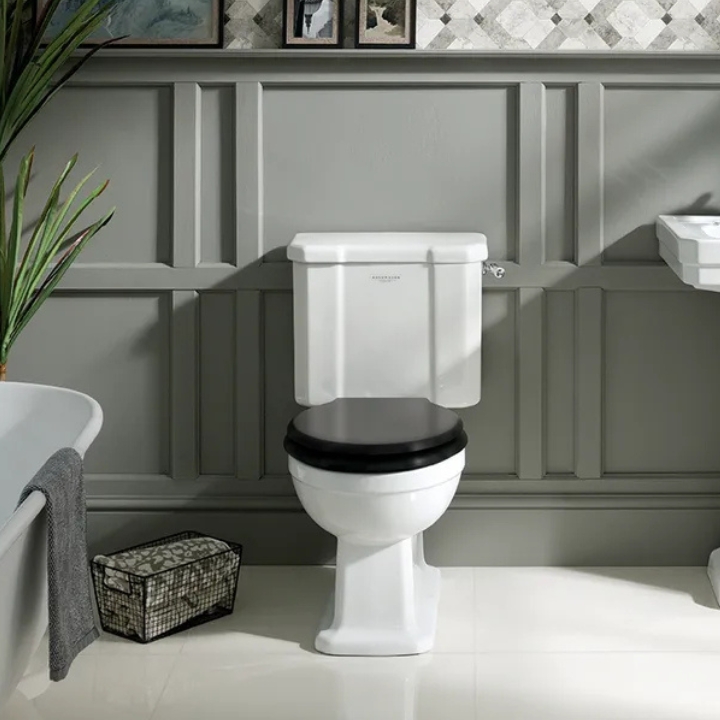
A high-level toilet and cistern is perhaps the most iconic choice and the perfect canvas for expressing the traditional style. The exposed pipework, elevated cistern and pull-chain flush immediately establish period credentials, all without surrendering that reliable modern functionality. However, close-coupled toilets can also correspond to the target aesthetic and may be better suited to smaller spaces.
Regardless of your choice, be sure to pair your toilet pan with a wood-effect, coloured toilet seat to add as much character as possible. Ideally, this coloured seat should coordinate with your colour choices for the furniture and bathtub, forming a unified visual thread throughout your design.
Showers
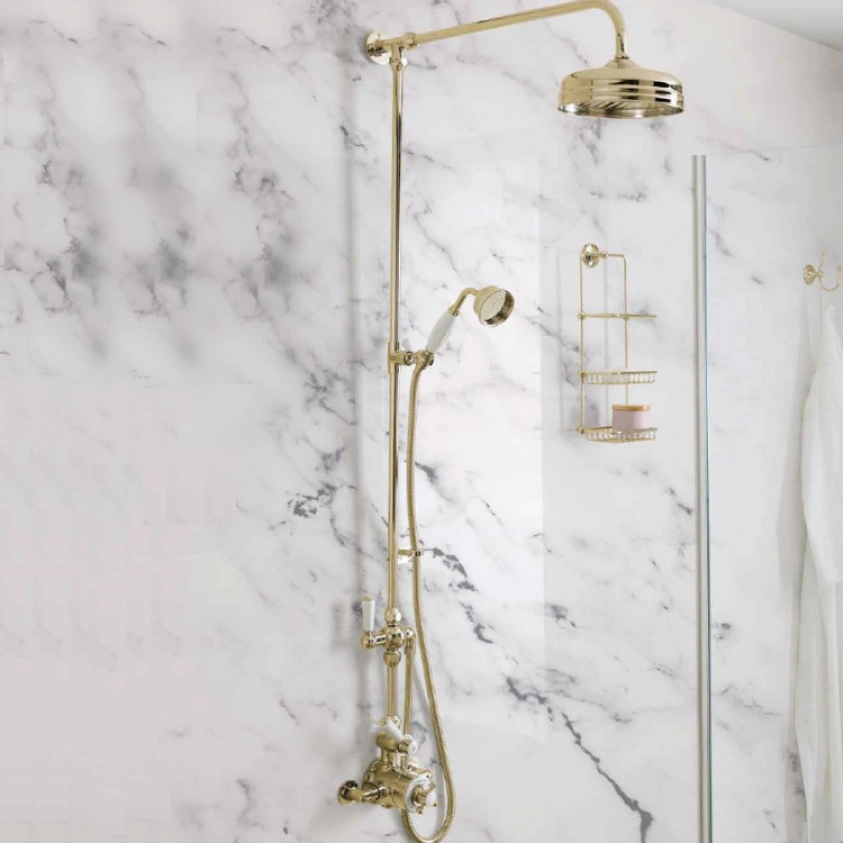
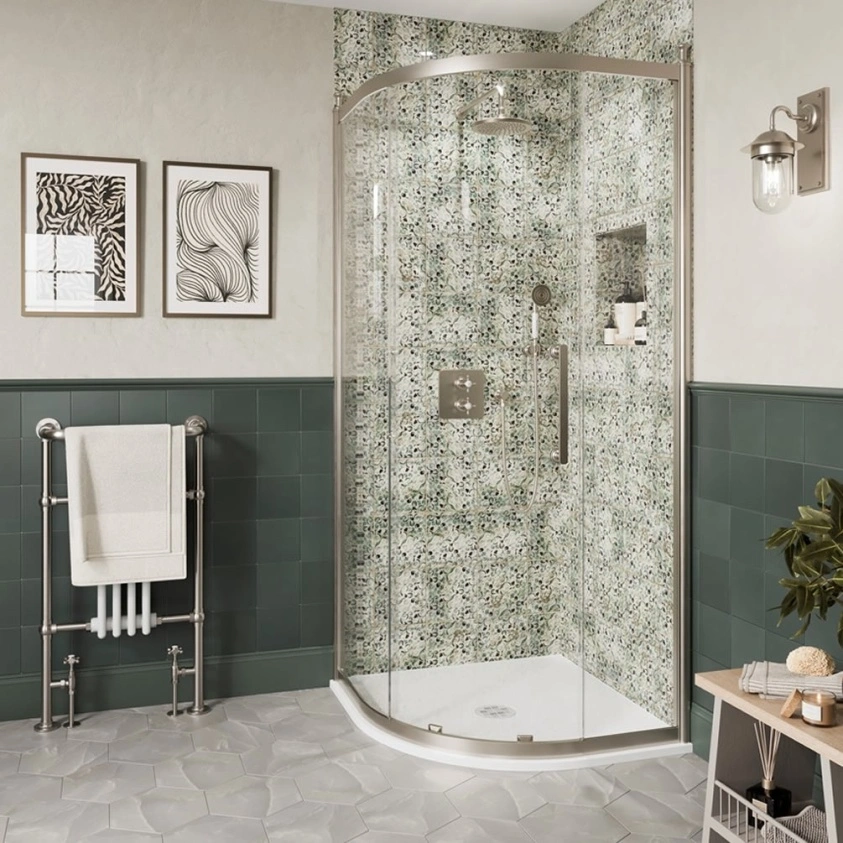
As with toilets, showers pose an interesting dilemma. They’re essential for modern living but were a long way off from being invented in Brontës’ day and age. The key to choosing the most appropriate shower system is to focus on those dependable classical touches – antique-style metal, visible pipework, exposed shower valves, and elegant crosshead or lever handles. These flourishes will help your modern shower integrate seamlessly into the period aesthetic of your bathroom.
Traditional shower systems with riser rails and fixed round shower heads work best here. Look for valves with crosshead controls rather than minimalist levers or dials - these honour Georgian design principles whilst providing smooth and responsive temperature control.
For your shower enclosure, frameless glass can read as too modern and minimalist. Instead, consider slim metallic frames to add heritage detailing without engulfing the space. Alternatively, wetroom designs with stone-effect tiles can achieve wonderfully organic, spa-like results, particularly when combined with exposed brass shower fittings and earthen tones.
Of course, if space and lifestyle permit, you can always just skip the shower entirely. A generous freestanding bath with a traditional bath filler captures the Georgian vibe perfectly, whilst simplifying your design decisions and providing a viable bathing option.
Furniture
The right bathroom furniture anchors your look and adds essential function. Mundane matters like storage are often overlooked in the pursuit of purist aesthetics, but traditional bathroom furniture offers significant value that cannot be ignored.
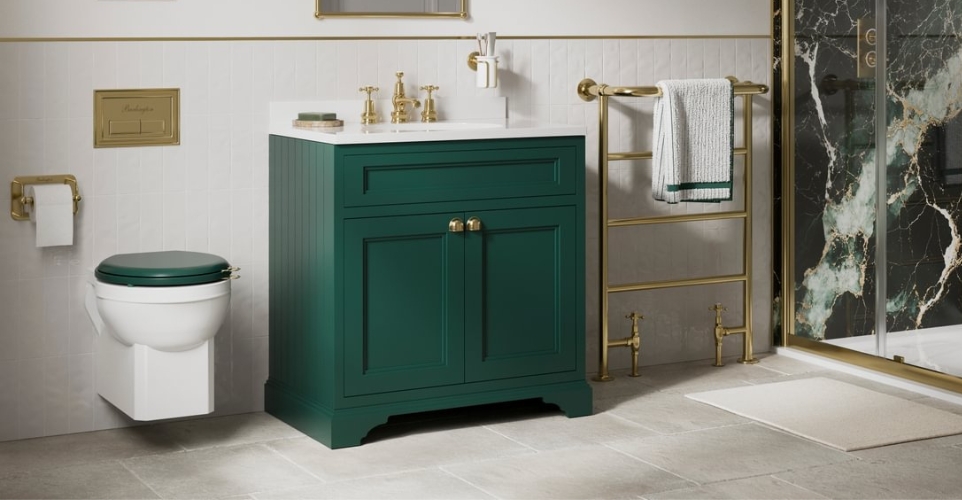
Traditional floor-standing vanity units, with shaker-style panelling, subtle moulding and natural wood finishes, deliver the heft and craftsmanship we need for the Wuthering Heights style. Additionally, don’t neglect to consider a tall storage unit if it fits your dimensions better; with special attention given to units with feet, which can add a touch of regality to bathrooms.
Whatever choice you make, keep the colour flowing. Light or dark oaks and grey painted units evoke the story’s gothic allure, as do maritime blue and viridian green models.
Accessories
No bathroom, Wuthering Heights-themed or otherwise, can function without the right accessories. Much like the strands of Edgar and Heathcliff’s hair forever tangled inside poor Catherine’s locket, your bathroom simply wouldn’t be complete without them. After all, when choosing bathroom accessories, every last detail contributes to the overall impression.
From toilet roll holders and robe hooks to bathroom mirrors and toothbrush holders, always opt for designs with expressive finishes, be it metallic or wood. Every accessory should coordinate with your brassware, shower fittings and other metallic accents. The importance of this consistency cannot be overstated. Even the slightest misstep could throw everything else out of balance.
The accessory stage also offers the opportunity to get creative. For instance, aside from the more substantial fixtures, consider incorporating more niche yet authentic moorland elements into your space. This can include a simple vase of heather, a stone soap dish or dark natural fibre textiles, which can add serious authenticity, as can a vintage oak stool or wooden ladder shelf.
Bringing Wuthering Heights Home
Remember, cultivating a Wuthering Heights-inspired space isn't about rigid recreation. This is a bathroom, after all, not a museum exhibition. Rather, it's about capturing the core and atmosphere of the story - its wildness, its romance, its affinity with the natural world - and transplanting these qualities into a space that still complements the modern lifestyle.
The beauty of this strategy lies in its flexibility. This aesthetic can be as subtle or as dramatic as you wish, allowing you to create a bathroom that feels both timeless and intensely personal.
Naturally, we’re here to help you along every step of this noble journey. Whether you need help with renovation planning or assistance in identifying the right fixtures, contact us today to see how we can bring your Wuthering Heights haven to life.


