
As winter settles in and temperatures continue to drop, most of us focus on keeping our homes warm, cosy and comfortable. But while central heating and showers help us beat the cold, they can also create an unintended side effect: a perfect breeding ground for bathroom germs, bacteria, and mould.
With around 15 million in the UK affected by cold or flu-related illness each year, understanding how germs spread at home has never been more important. According to the bathroom specialists at Sanctuary Bathrooms, one of the most overlooked areas when it comes to winter hygiene is also one of the warmest rooms in the house, the bathroom.
Why Bathrooms Are Often the Warmest Room in the House
Bathrooms naturally experience higher temperatures than most other rooms, especially during the winter. Frequent heating, combined with hot showers and baths, means warmth and humidity in bathrooms build up quickly - and often lingers long after use.
In winter, this effect is amplified. Many households reduce bathroom ventilation to retain heat, keeping windows closed and relying on heating systems for longer periods. While this helps maintain comfort, it also traps steam in the bathroom and increases moisture levels, creating conditions where germs, bacteria and viruses can survive for longer and spread more easily.
Steam, Sealed Homes and Poor Bathroom Airflow
Hot water produces steam, and steam produces moisture. During winter, people tend to take longer, hotter showers and baths, which significantly increases bathroom humidity. At the same time, sealed homes with reduced airflow prevent that moisture from escaping.
High humidity levels can encourage:
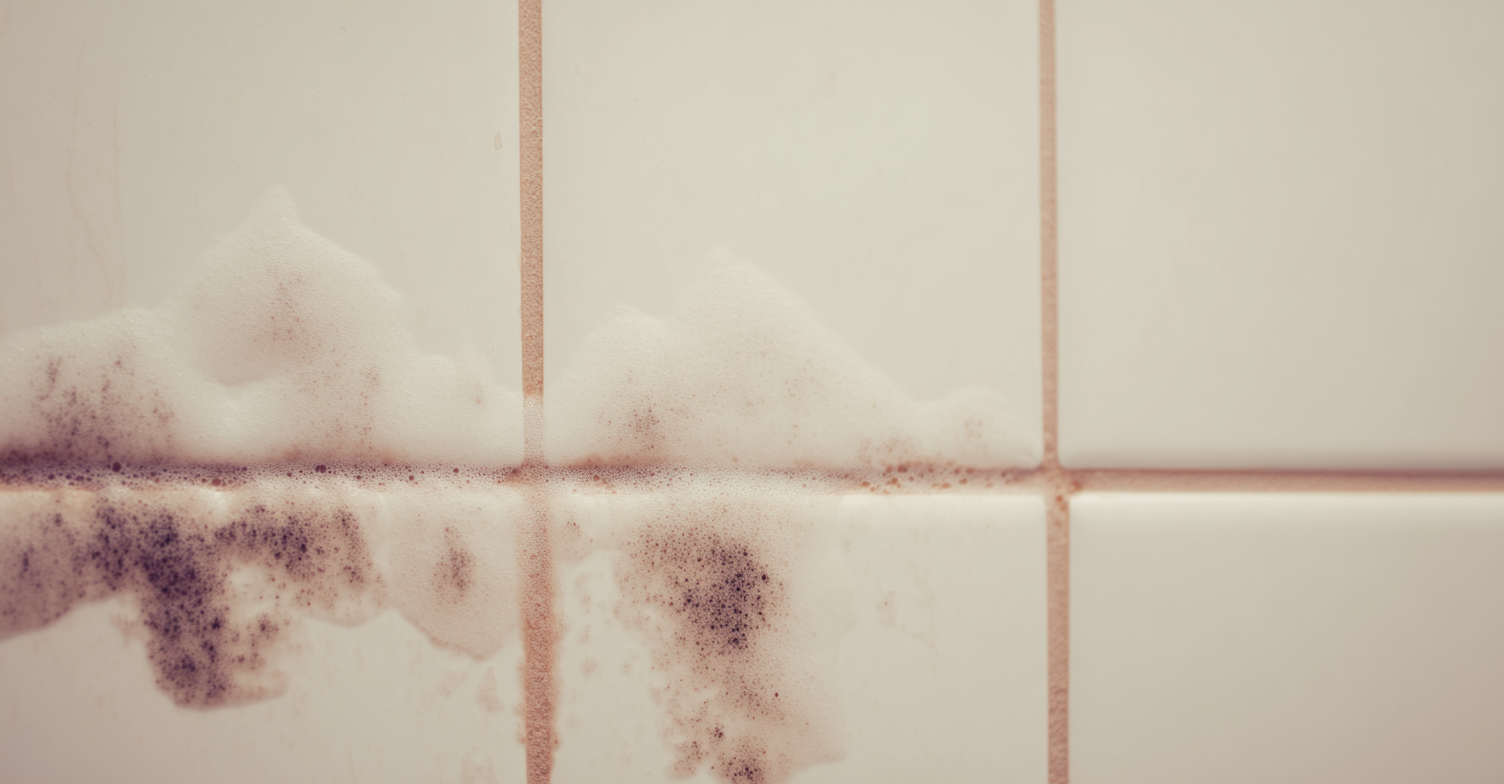
- Bathroom mould growth on the walls, ceilings and tiles.
- Bacteria in bathrooms thrive on surfaces.
- Damp towels and bath mats that harbour germs.
Over time, excess moisture can affect bathroom air quality and potentially lead to health issues, particularly for vulnerable groups.
Michelle Byrne, Product Marketing Manager at Kleen-Tex, explains:
“The health impact can be significant, as mould exposure can irritate airways, trigger allergies and worsen asthma symptoms, particularly for children, older people and those with respiratory sensitivities.”
Why Bathroom Hygiene Matters More in Winter
Cold and flu viruses spread more easily in warm, damp environments, and bathrooms are among the most frequently used rooms in the home. From shared towels and bathroom surfaces to touchpoints like taps, flush handles and shower controls, poor bathroom hygiene can increase the risk of spreading illness within the household.
Condensation also settles on less visible areas such as grout lines, ceilings and corners, making regular bathroom cleaning essential during colder months.
Expert Tips To Keep Your Bathroom Hygienic This Winter
Bathroom experts at Sanctuary Bathrooms recommend focusing on moisture control, airflow and daily hygiene habits to help reduce the spread of germs during cold and flu season.
1) Improve Bathroom Ventilation
Although opening windows in winter may feel counterintuitive, good bathroom ventilation is essential year-round. Use extractor fans during and after showers, and allow airflow whenever possible to reduce excess moisture, condensation and bathroom mould.
In bathrooms without windows, leaving extractor fans running for at least 20 minutes after bathing can significantly reduce humidity.
2) Use Heated Towel Radiators
Heated towel radiators do more than add comfort; they play an important role in bathroom hygiene. Warm, dry towels are far less likely to harbour bacteria than towels left damp.
They also help minimise lingering moisture in the room, supporting a cleaner and healthier bathroom environment during winter.

3) Clean Hidden Bathroom Surfaces
While sinks and toilets are cleaned regularly, areas where condensation settles are often overlooked. Ceiling tiles, grout, and the tops of cabinets can quietly accumulate moisture, mould, and bathroom bacteria.
Regularly wiping down these areas can prevent bathroom mould and improve overall cleanliness.
4) Maintain Good Personal Hygiene
Handwashing remains one of the most effective ways to prevent the spread of illness. During winter, avoiding shared towels, washing hands thoroughly and using hand sanitiser when needed can all help reduce germs in the bathroom.
A Healthier Bathroom for a Healthier Home
James Roberts, Director of Sanctuary Bathrooms, comments:
“Bathrooms work hard during the winter, but they’re often overlooked when it comes to preventing the spread of germs. Simple changes like improving ventilation, keeping towels dry and paying attention to hidden surfaces can have a big impact on creating a healthier home during cold and flu season.”
As one of the most used rooms in the home, maintaining good bathroom hygiene throughout winter can help protect household health while keeping your space fresher and more comfortable.
Learn More About Bathroom Cleaning and Maintenance
For further advice on maintaining a clean and hygienic space, explore Sanctuary Bathrooms' expert guides to help you keep your bathroom healthier all year round.


