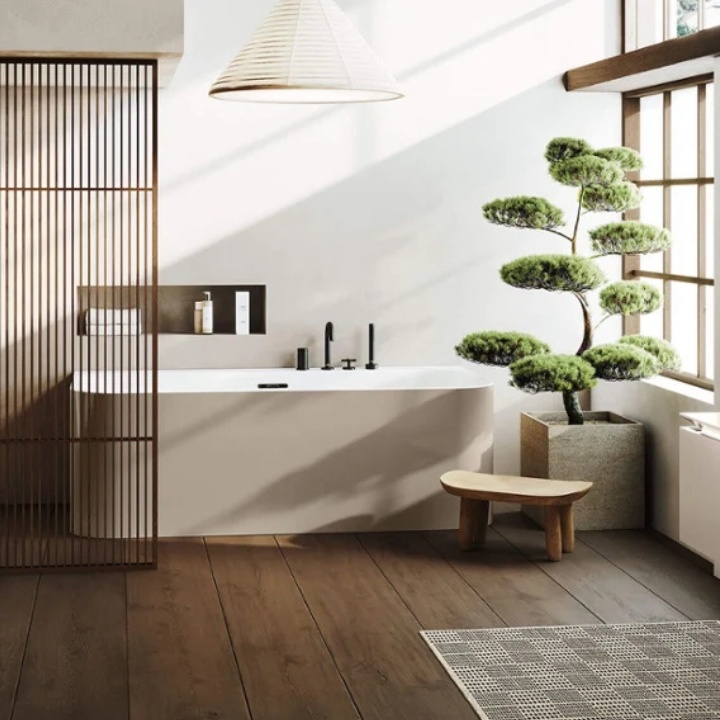
In homes across the UK, one room has quietly become the national emotional sanctuary - and it’s not the living room or the bedroom.
According to new research from Sanctuary Bathrooms, the bathroom has become a place for reflection, comfort and wellbeing - a private retreat where emotions surface and calm is restored.
From pregnancy tests to post-argument tears, from shower epiphanies to self-care routines, the bathroom has evolved into the ultimate space for solitude and self-understanding.
- The Bathroom: A Space for Solitude and Self-Reflection
- The Rise of Wellness Bathroom
- Why We Feel Emotionally Safe in Bathrooms
- Designing Your Own Bathroom Sanctuary
- The Bathroom as a Reflection of Modern Life
- Create Your Own Sanctuary
The Bathroom: A Space for Solitude and Self-Reflection
It turns out solitude really is good for the soul. Sanctuary Bathrooms' latest research found that 68% of Brits say they get their best ideas in the shower, while over half admit to crying in the bathroom. For one in three adults, it’s the only room where they get complete privacy. Sanctuary Bathrooms partnered with a Yorkshire-based psychologist to understand more about the role that bathrooms play.
“The bathroom offers something rare in modern life: solitude without expectation,” says Laura Smith, a clinical psychologist who specialises in emotional wellbeing. “The repetitive sound of water and gentle light naturally calm the nervous system, helping the mind process emotions and find perspective.”
That mix of privacy, comfort and sensory calm makes the bathroom the ideal setting for reflection, whether it’s a five-minute reset or a full evening ritual.
The Rise of Wellness Bathroom
This emotional connection is also shaping how we design our spaces. Sanctuary Bathrooms Director, James Roberts, says the findings reflect a growing movement towards wellness bathrooms; spaces designed to support both physical and mental wellbeing.
“We’ve seen a real move towards the wellness bathroom, where design and emotion meet,” Roberts explains. “Customers are choosing natural tones, layered lighting and tactile materials that help them decompress and feel grounded.”
In the Sanctuary Bathrooms 2026 Bathroom Trends Report, experts highlighted the rise of multi-functional wellness hubs, where lighting, scent and texture work together to create a deeply restorative environment.
Searches for 'bathroom sanctuary' have risen by 82% year-on-year, showing that many homeowners now view the bathroom as the heart of their self-care routines.
Wellness bathroom design trends often include:
- Earthy, natural tones like warm terracotta, clay and sage green.
- Spa-style lighting to enhance mood and relaxation.
- Aromatherapy and scent diffusion, eucalyptus and lavender are popular choices.
- Sound-softening features and acoustic wall panels to create quiet, meditative spaces.
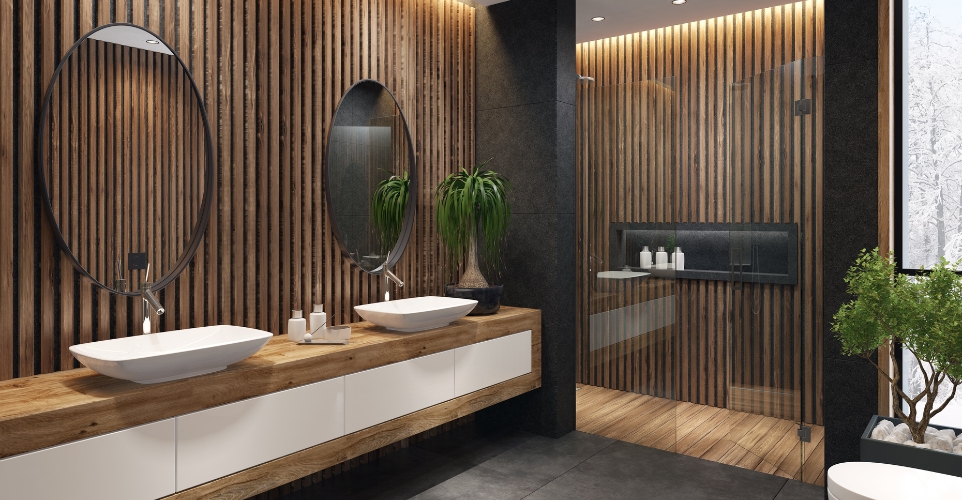
- Biophilic touches, such as plants and wood textures, to bring nature inside.
Why We Feel Emotionally Safe in Bathrooms
Psychologically, bathrooms create emotional safety because they combine routine, ritual and privacy. The simple, repetitive actions of washing or bathing can have a self-soothing effect on meditation.
As Smith explains: “In therapy, we talk about ‘micro-boundaries’, small moments of solitude that prevent burnout. The bathroom is one of the easiest ways people achieve that. Crying in the bathroom or thinking things through in the shower are perfectly natural emotional resets.”
This explains why wellbeing and bathroom design are now so closely linked. Homeowners are intentionally designing spaces that help them decompress, recharge, and feel emotionally safe, even if just for ten quiet minutes a day.
Designing Your Own Bathroom Sanctuary
So how can you turn your bathroom into a space that supports wellbeing as much as it supports your routine? Sanctuary Bathrooms’ designers recommend focusing on three guiding principles:
Creating a Calming Atmosphere
- Choose warm neutrals, greens and earthy tones for walls and tiles.
- Opt for matt finishes or brushed brassware for a soft, natural feel.
- Incorporate dimmable lighting or ambient fixtures to adjust mood and brightness.
Engaging the Senses
- Introduce soothing scents through candles, essential oils or shower steamers.
- Layer textures using natural stone, wood or woven tiles.
- Use sound-softening panels or plush rugs to reduce echoes and add warmth.
Designing for Relaxing Moments
- Add features that invite relaxation, like a freestanding bath, seating nook or open shelving for calming decor.
- Bring in plants or natural greenery to connect the space with nature.
- Consider adding a wellness corner for skincare, meditation, or quiet reflection.
“Designing for emotion, not just function, helps people feel genuinely better at home,” says Roberts. “A wellness-focused bathroom should feel like an exhale.”
The Bathroom as a Reflection of Modern Life
The rise of the emotional bathroom mirrors the pressures of modern life. In an always-on world, it’s one of the last rooms where we can unplug, breathe and simply be ourselves.
It’s where we prepare for the day ahead, process what’s passed, and some things shed a few tears before stepping out stronger. In that sense, the bathroom isn’t just a space for self-care; it’s a space for self-connection.
Create Your Own Sanctuary
Discover how to design a bathroom that supports your wellbeing, calm and emotional balance with our expert guides on Bathrooms Trends for 2026.


