From vegan-friendly shampoo to shower flow restrictors, modern bathrooms are full of sustainable features. In fact, there are so many that it can be difficult to know what each one means and whether it matters when making a purchase.
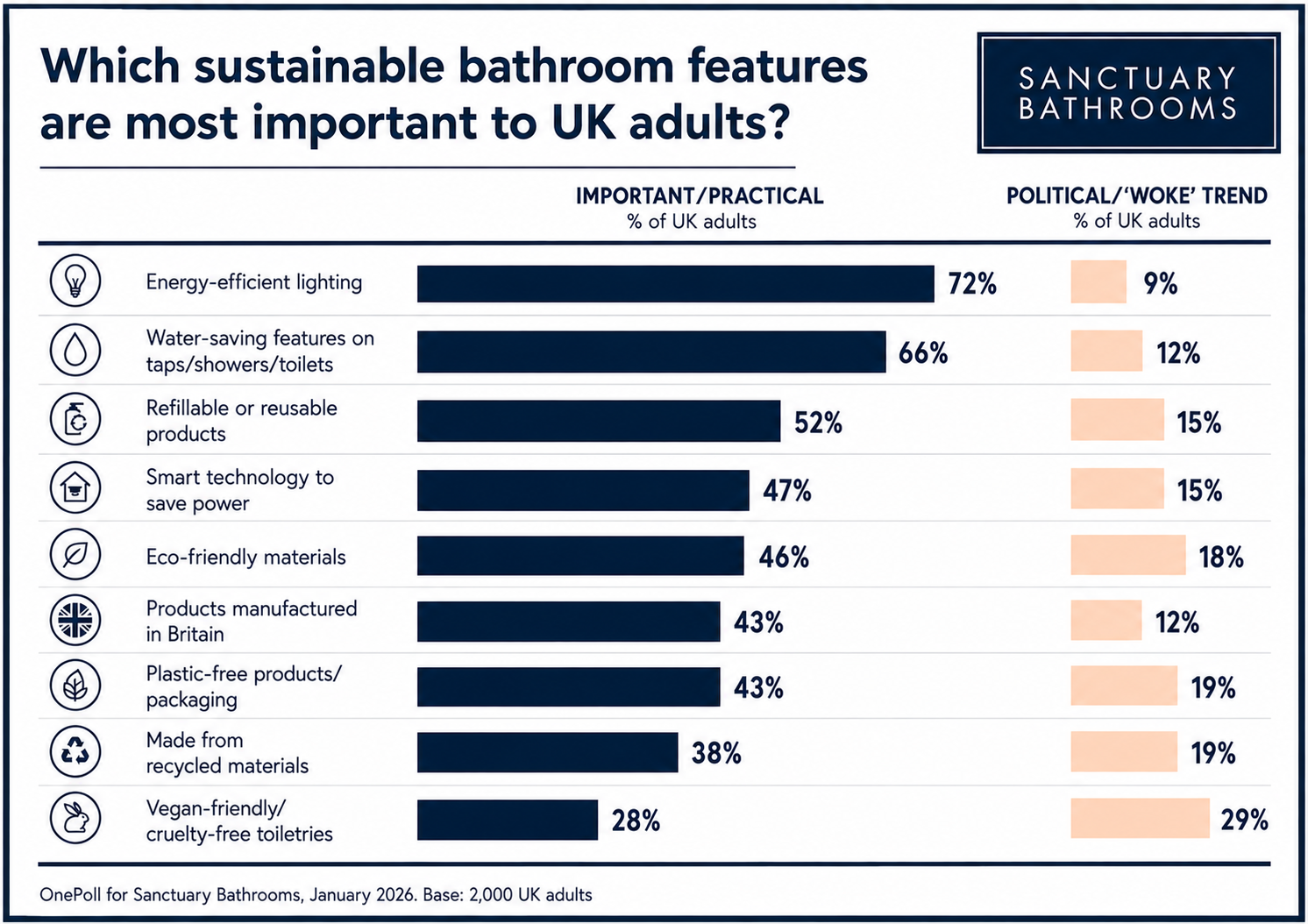
To find out which sustainable bathroom features Brits think matter most, Sanctuary Bathrooms asked 2,000 adults across the UK how they felt about nine of the most common. This included water-saving technology in baths, taps, and showers, as well as cruelty-free toiletries and plastic-free packaging.
Key Findings
- Nearly three-quarters of Brits (72%) see energy-efficient lighting as an important or practical bathroom feature - the highest of any feature tested.
- Vegan-friendly and cruelty-free toiletries ranked lowest, with just 28% seeing them as important and almost the same proportion (29%) viewing them as a political or 'woke' trend.
- Scepticism tracked closely with the absence of a direct financial benefit. Just 9% saw energy-efficient lighting as a political or 'woke' trend, compared with 29% for vegan-friendly and cruelty-free products.
- Millennials are the most consistently enthusiastic generation, showing the strongest support for refillable products, plastic-free packaging, and eco-friendly materials
- Baby Boomers place greater importance on cost-saving features like water-saving fixtures and efficient lighting, but showed less support for values-led environmental claims
Which Sustainable Bathroom Features are Most Important to Brits?
Our results indicated clear favourites, some surprises, and a few that caused division. While resource- and cost-saving products got the most support, features tied to ethical lifestyle claims – such as vegan toiletries and products made from recycled materials – were more likely to be seen as a passing political trend rather than a sustainable staple.
Here's how each feature performed, ranked by the percentage of people who rated them as important/practical, against those who rated them as political/’woke’:
What Does 'Political' or 'Woke' Mean Here?
Because this framing runs through every result, it's worth being clear about what respondents were asked. Each person saw the same four options for all nine features: "important/practical", "political/'woke' trend", "neither of these", and "not sure", and chose one.
The word 'woke' was offered as a prompt, not language respondents volunteered. The results measure whether a feature reads as a practical purchase consideration or as a statement of values, and nothing stronger than that. That's also why the two figures quoted for each feature don't add up to 100%: a substantial proportion of respondents chose 'neither of these' or 'not sure'.
You can see the full breakdown for every feature, including the 'neither' and 'not sure' responses, in the complete results below.
Below, we'll break down each feature, sharing what it means and its advantages, what different generations think, why women and men differ in their responses, and why some may resonate more than others.
1) Energy-Efficient Lighting
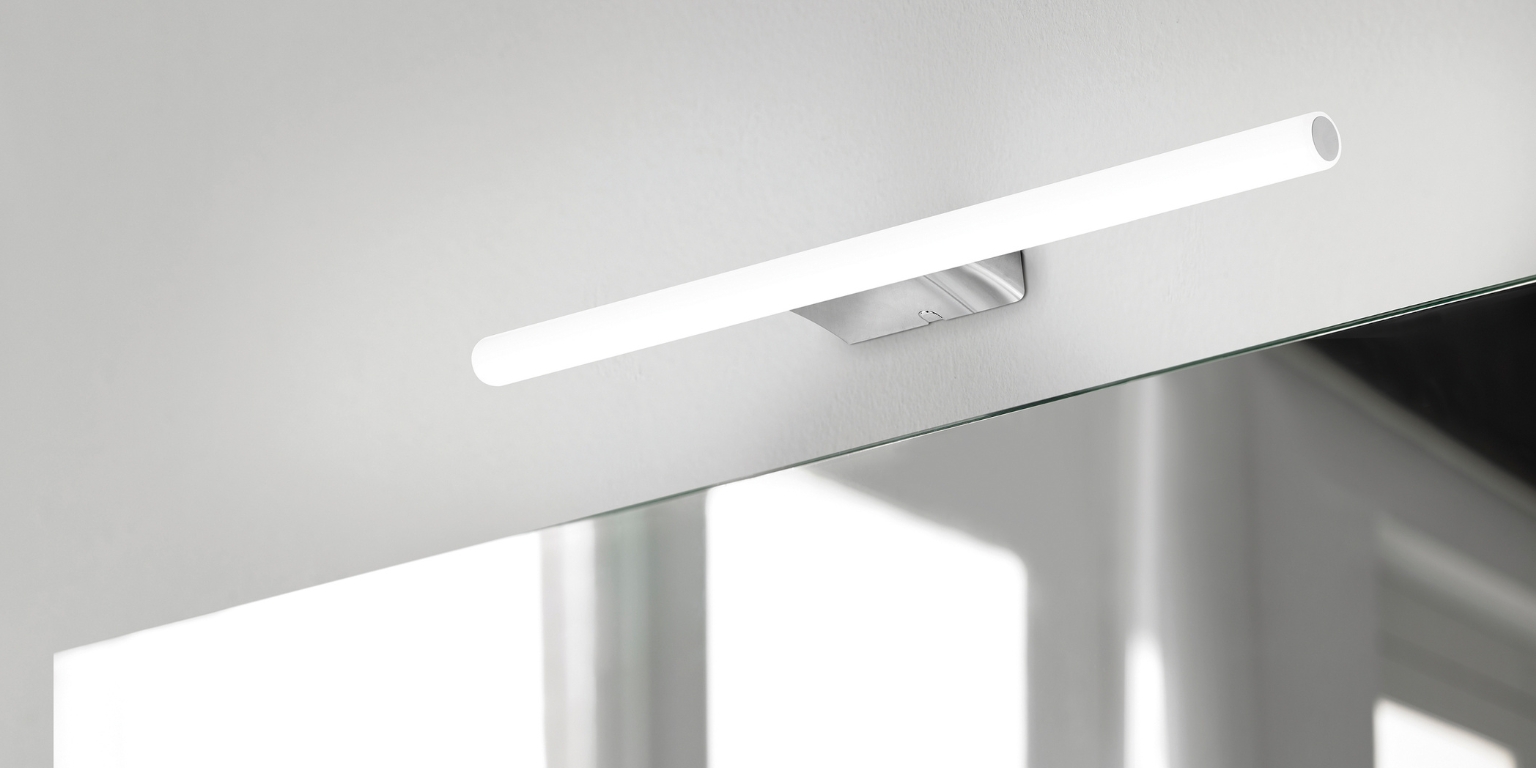
Of all the features tested in our survey, energy-efficient bathroom lighting came out on top. Almost three-quarters of respondents (72%) saw it as important or practical, making it the clearest example of a feature that feels useful rather than divisive.
What is Energy-Efficient Lighting?
Energy-efficient lighting is a light source that delivers the same amount of visible light (lumens) while consuming significantly less electricity (watts) than conventional types of light sources. In households, the most common energy-efficient lighting is LED (Light-Emitting Diodes), which has largely replaced incandescent and halogen bulbs.
In a bathroom, lighting options can encompass wall lights, ceiling lights, illuminated mirrors, cabinet lighting, spotlights, and task lighting around the vanity area.
Benefits of Energy-Efficient Lighting
Lighting is a practical and very important part of every bathroom. It needs to be bright enough for shaving, skincare, and makeup, but soft enough for evening routines. It's safe to say it's an essential feature of any bathroom, but the type of bulb you use makes a big difference in how much energy you consume.
Traditional incandescent and halogen bulbs are inefficient because they lose much of the electricity they use as heat. LEDs use around 80% less energy than halogen bulbs to produce the same amount of light and can last substantially longer – up to 20x longer in many cases, according to Energy Saving Trust. Beyond efficiency, LEDs offer a range of colour temperatures for ambient and task lighting, and many are compatible with dimmer switches for flexible control and additional energy savings.
What the Data Says
- 72% of respondents viewed energy-efficient lighting as important or practical - the highest of any credential used.
- Just 9% saw it as political, making it the least contentious label in the survey.
- Support was strong across every generation, rising from 61% among Gen Z to an impressive 80% among the Silent Generation.
- The gender gap was minimal: 73% of women and 70% of men viewed it as important, while 10% of women and 14% of men viewed it as political.
What The Findings Suggest
The link between energy-efficient lighting and lower electricity bills is immediate. With energy prices still a key concern for UK households, it's no surprise this feature drew near-universal approval. The bathroom makes a particularly strong case. It's not a room people linger in, but it demands reliable light every time it's used. This pattern of regular, brief usage makes it one of the best areas in the home to focus on energy efficiency.
2) Water-Saving Features
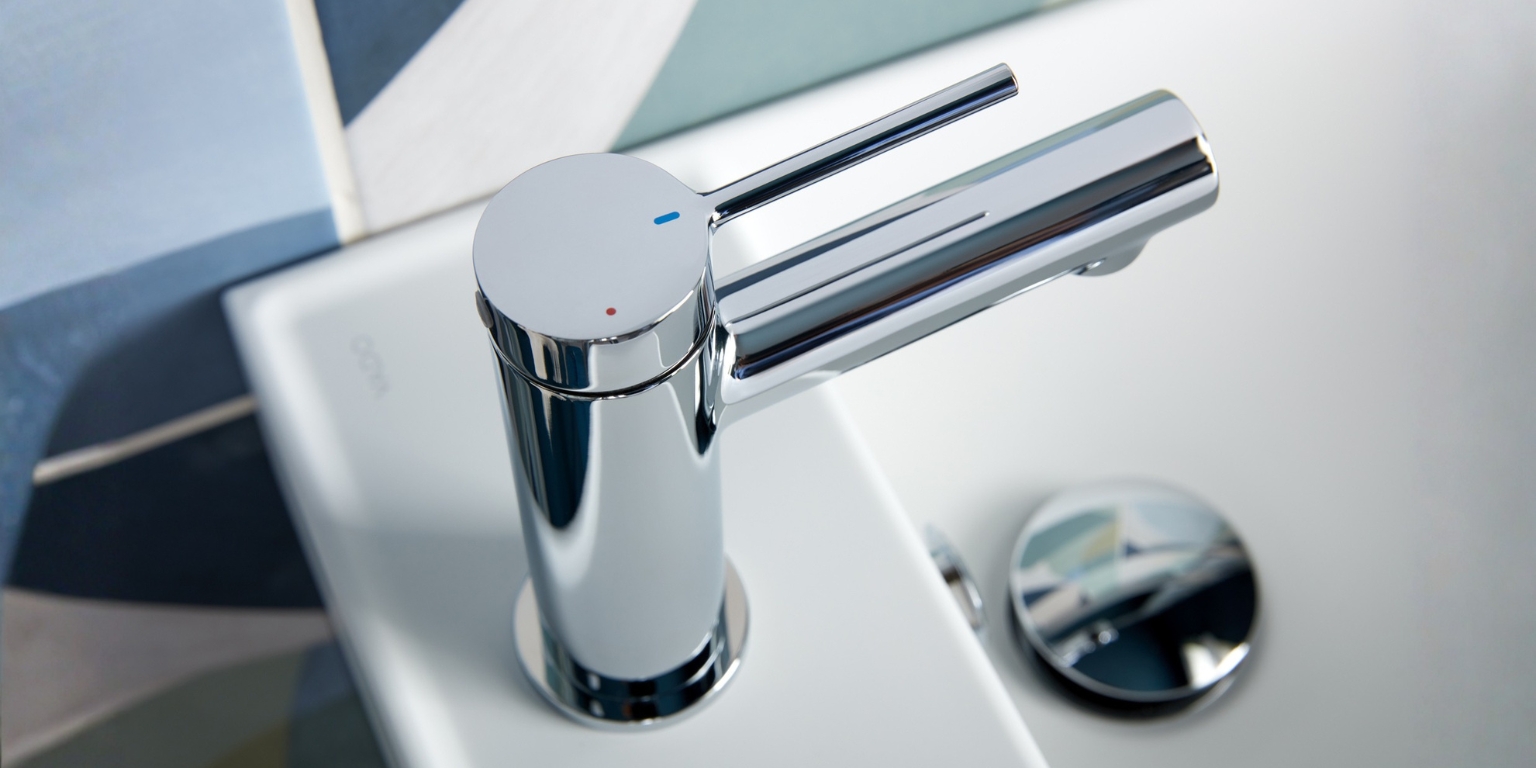
Water-saving features took second place, with 66% of respondents seeing them as important or practical. It's an unsurprising result given that no other room in the home uses more water than the bathroom.
What are Water-Saving Features?
Water-saving features are technologies in bathroom fixtures and fittings that minimise water usage without compromising performance. Examples include taps, showers, and toilets, which may include tap aerators, flow restrictors, or dual-flush cisterns.
Benefits of Water-Saving Features
According to research carried out by United Utilities, the average person in the UK uses around 142 litres of water per day, and more than two-thirds of that is used in the bathroom. The daily split breaks down approximately as follows:
- Shower: ~25%
- Toilet Flushing: ~22%
- Taps (handwashing, brushing teeth, etc.): ~10–15%
- Bath: ~8%
In contrast, the kitchen splits the use approximately as follows:
- Washing machines: ~8%
- Hand washing dishes: ~4%
- Dishwasher: ~1%
Choosing water-efficient bathroom fittings can therefore help reduce household water use. For homes with a water meter, using less water can lower water and wastewater charges, while reducing hot-water use may also cut energy costs.
A flush system with dual-flush is one practical example. United Utilities says older toilets, particularly pre-2000 models, commonly use around 9 litres per flush, whereas modern dual-flush toilets use around 6 litres for a full flush. Selecting a reduced flush for liquid waste can reduce water use further, but the exact saving will depend on the cistern’s flush volumes, the toilet it replaces and household flushing habits.
What the Data Says
- 66% considered water-saving features important or practical - the second most valued credential.
- Only 12% viewed it as political.
- Like energy-efficient lighting, support increased with age, from 58% among Gen Z to 80% among the Silent Generation, though every age group showed majority support.
- 70% of women viewed water-saving features as important compared to 62% of men, while men were slightly more likely to see them as political (14% versus 10%).
What The Findings Suggest
Like energy efficiency, the appeal is immediate and financial: lower water use means lower bills, and with metered households increasingly the norm, the savings are easy to see. But broader awareness is at play, too. England experienced its driest spring in 132 years, followed by its hottest summer on record, and events like these are making more people conscious of water as a finite resource. That combination of personal savings and growing public awareness likely explains the strength of support.
3) Refillable or Reusable Products
Just over half of respondents (52%) saw value in refillable or reusable products, placing them firmly in the middle of the pack, but with notably low scepticism.
What are Refillable or Reusable Products?
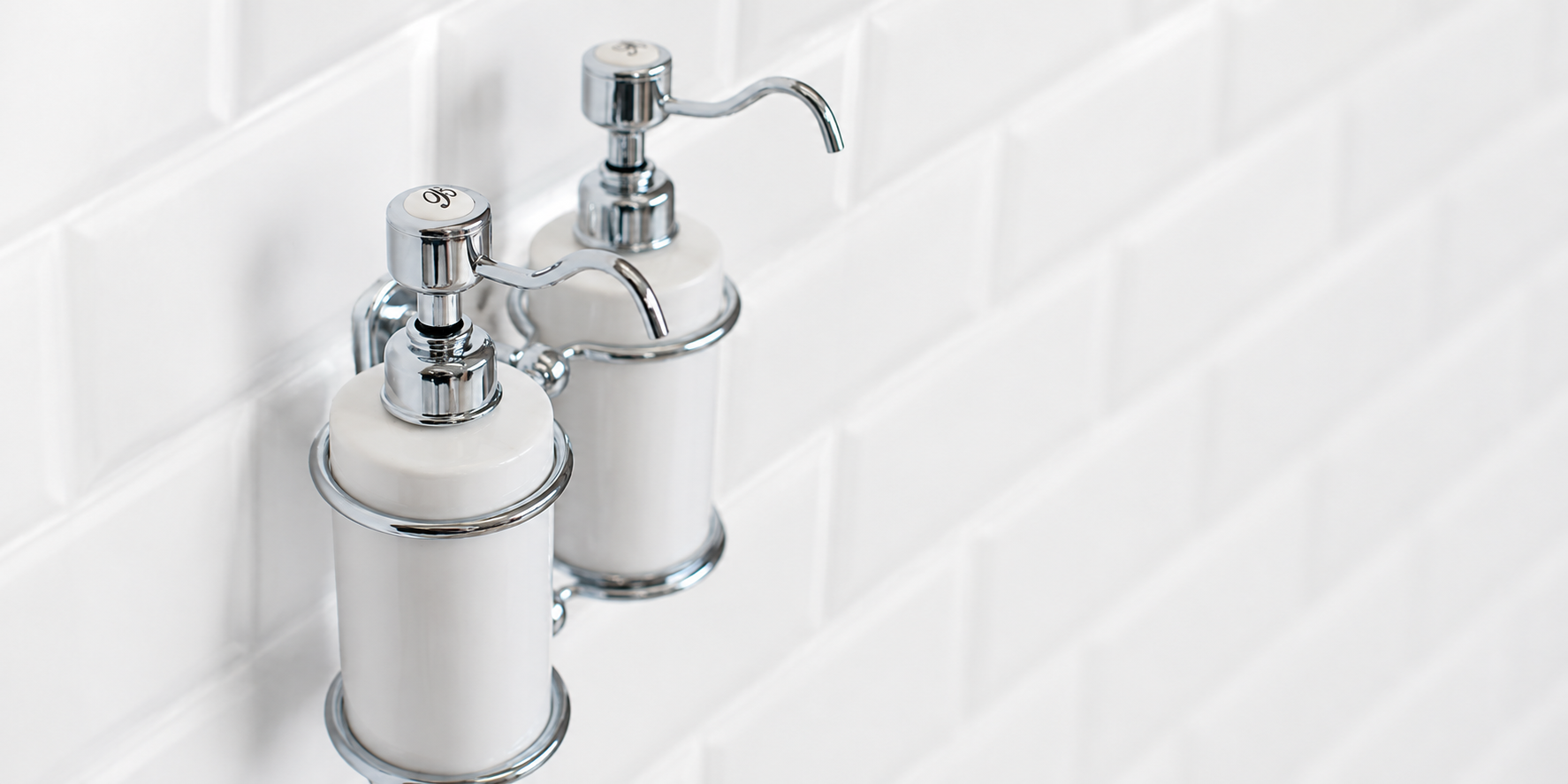
Refillable or reusable products are bathroom items designed to be replenished rather than disposed of and replaced. Examples include refillable soap dispensers, shampoo and conditioner refill pouches, reusable cotton pads, and other products sold in returnable containers.
Benefits of Refillable or Reusable Products
The bathroom is one of the most plastic-intensive rooms in the home and one of the least recycled. According to Circular Online, only around 50% of bathroom packaging is recycled compared with 90% in the kitchen, largely because most bathrooms lack a separate recycling bin. That unrecycled waste accounts for 30–40% of the UK's total landfill contribution.
Refillable and reusable products tackle the problem at the source. They can also save money in the long run because concentrated refill formats eliminate what consumers are essentially paying for in conventional products: packaging.
What the Data Says
- 52% saw refillable or reusable products as important or practical.
- Only 15% considered them political.
- Millennials led the way at 61%, followed by Gen Z at 53%.
- Support was lowest but still significant among boomers at 42%.
- Women were considerably more likely to value refillable products (57%) than men (46%). Meanwhile, 13% of women and 18% of men believed it to be political.
What The Findings Suggest
With over half of respondents on board and scepticism low at just 15%, refillable products sit in a sweet spot. These products combine a visible environmental benefit with genuine cost savings, without asking anyone to adopt a particular worldview. Instead of purchasing a new item, you opt for a refill. That simplicity, paired with a growing presence on supermarket shelves, likely explains the widespread endorsement.
4) Smart Technology
Smart technology took fourth place, with 47% of respondents seeing it as an important or practical bathroom feature, though support varied sharply by age.
What is Smart Technology?
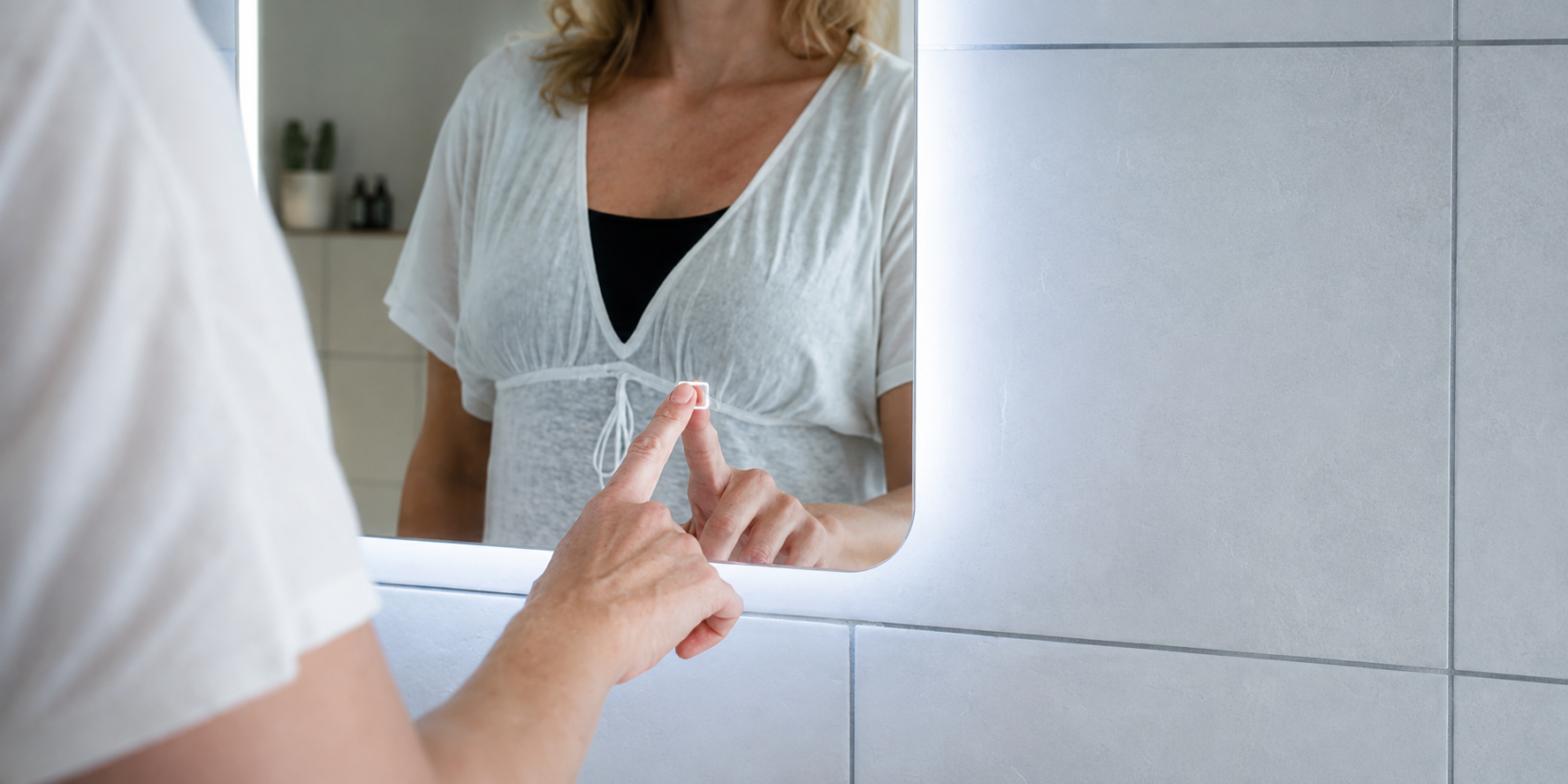
Smart power-saving technology comprises connected devices that automate, optimise, and make visible the energy a bathroom consumes. This spans everything from smart thermostats and intelligent lighting to smart bidet toilets and sensor-controlled taps.
Benefits of Smart Technology
Smart bathroom technology can offer benefits that directly affect the user with minimal effort, most notably financially, but also in terms of health and wellbeing.
Financially, heating is the costliest energy use, and smart thermostats, thermostatic controls, and valves can deliver efficiency gains. Such devices can learn occupancy patterns, allow smartphone control, and automatically optimise heating schedules. Hive, the UK's largest smart home energy company, reports that its thermostat users have collectively saved half a billion pounds on energy bills over twelve years, with an average annual saving of up to £192 per household.
For health and wellbeing, devices such as smart lighting can mimic natural daylight cycles to support the body’s circadian rhythm, creating a space that promotes better sleep quality and reduces stress.
What the Data Says
- 47% of respondents saw smart technology as important or practical.
- 15% considered it political.
- Younger generations were notably more enthusiastic: 56% of Millennials and 51% of Gen Z favoured it.
- Boomers were more measured at 37%.
- The Silent Generation showed the highest scepticism of any age group at 22%, despite 39% seeing it as important.
- Gender opinions were closely aligned: 48% of women and 46% of men saw it as important, and 14% of women and 16% of men saw it as political.
What The Findings Suggest
For younger, more tech-literate consumers, where the credential resonated most, smart technology feels like a natural evolution of the bathroom. For older generations, the appeal is less obvious, and they may worry about complexity, cost, reliability, or adding technology to a space that has traditionally worked perfectly well without it.
Ultimately, though, for households looking to reduce their energy footprint without changing their daily habits, smart technology offers a set-and-forget approach.
5) Eco-Friendly Materials
Next up: eco-friendly materials. 46% saw this as an important bathroom feature, just shy of the halfway mark.
What are Eco-Friendly Materials?
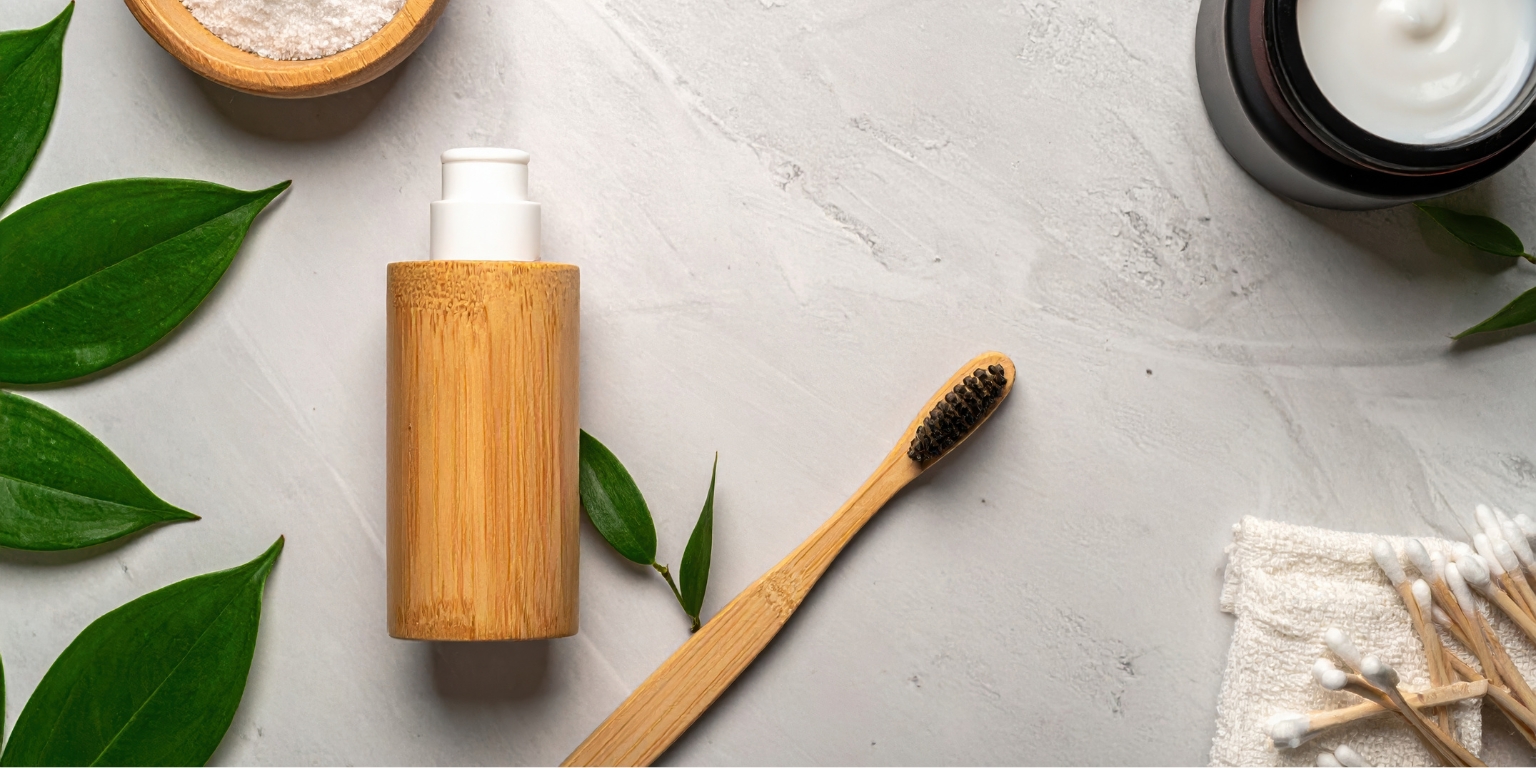
Eco-friendly materials are those used in products or fixtures with a lower environmental impact, whether through sustainable sourcing, biodegradability, or both. In the bathroom, this can include bamboo toothbrushes, shampoo bars, recycled toilet paper, natural sea sponges, and FSC-standard bathroom furniture.
Benefits of Eco-Friendly Materials
Material choices in a bathroom renovation carry consequences far beyond aesthetics. Like choosing refillable or reusable products, choosing eco-friendly materials can reduce the environmental footprint, since every product has an environmental cost associated with its extraction, manufacturing, use, and disposal. Products designed with end-of-life in mind, using biodegradable or recyclable materials, reduce the long-term waste impact of a room typically renovated every 10 to 15 years.
Beyond the environmental case, eco-friendly materials can also improve a bathroom's practical performance. Many eco-friendly alternatives are engineered for greater durability, resulting in fewer replacements over the lifespan of a renovation and lower long-term costs. When a material lasts longer, performs well in wet environments, and has a smaller environmental footprint, the case for choosing it is as much about value as it is about values.
What the Data Says
- 46% viewed eco-friendly materials as important or practical.
- 18% saw the feature as political.
- Millennials were the most supportive at 57%, with Gen Z close behind at 50%.
- Boomers were the most sceptical generation, with 24% viewing it as political.
- Over half of women (51%) saw eco-friendly materials as important, compared to 41% of men.
- Men were more likely to view the feature as political (22% versus 15%).
What The Findings Suggest
The appeal of materials that are kinder to the environment is broadly understood, but ‘eco-friendly’ is also one of the vaguest terms available to manufacturers. Without a clear, regulated definition, some consumers may feel manufacturers use the label more liberally than they should. The generational divide here may reflect differing levels of trust in corporate environmental claims rather than disagreement with the principle itself. Consumers have no easy way to verify the claim at the point of purchase, and that ambiguity creates space for doubt.
6) Products Manufactured in Britain
British-manufactured products were valued by 43% of respondents, and notably, drew some of the lowest scepticism of any credential tested.
What Does Manufactured in Britain Mean?
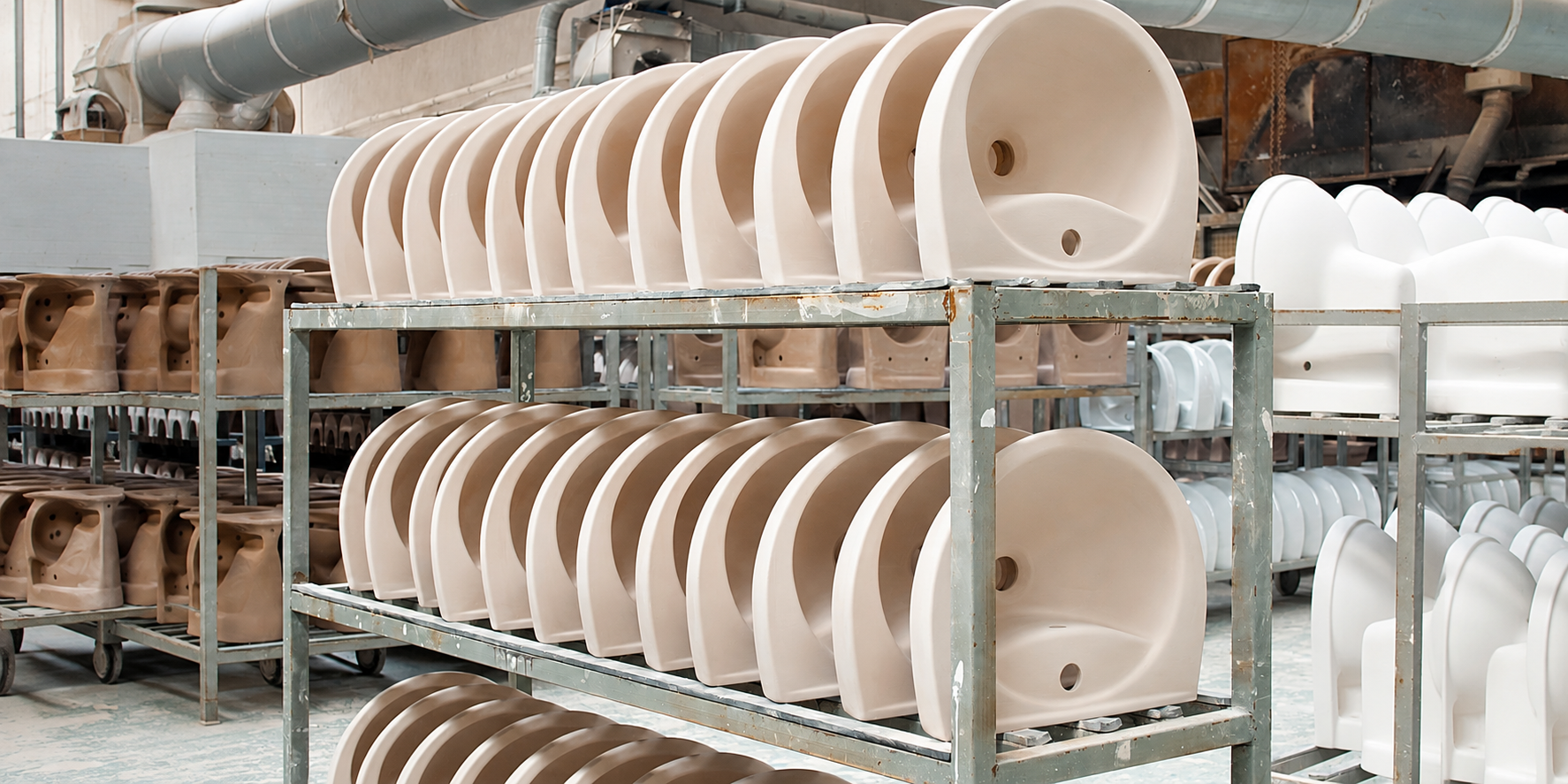
Products manufactured in Britain mean exactly that: products that are manufactured in the UK, as opposed to being designed here but produced overseas, or distributed by a British-based company. This distinction matters, as a brand's headquarters and where it makes its products are not always the same.
Any company can claim its products are made in Britain, but for verified assurance, the Made in Britain™ trademark is the recognised standard. Operated by Made in Britain, the official body for UK manufacturing, the trademark is available only to companies that meet strict criteria for provenance, social value, and sustainability. Currently, over 2,200 manufacturers hold the mark.
Benefits of Products Manufactured in Britain
Buying British-manufactured bathroom products directly supports domestic employment, skilled trades, and the communities that rely on them. As John Pearce, CEO of Made in Britain, puts it: "Choosing UK-made products supports British jobs, livelihoods and local communities." The Made in Britain trademark reinforces this by holding its members to strict criteria around provenance, social value, and sustainability - meaning that products carrying the mark aren't just manufactured in the UK but are produced by companies that meet verified standards of responsible business practice.
For homeowners, this also translates into more accessible aftercare. Spare parts, warranty support, and technical assistance are typically easier to obtain from a UK-based manufacturer than from an overseas supplier. In a room where a broken component can mean no running water or a non-functioning toilet, that kind of accessibility can matter significantly.
What the Data Says
- 43% saw British-manufactured products as important or practical.
- Just 12% viewed the feature as political - one of the lowest scepticism figures in the survey.
- Baby Boomers showed the highest support at 48%, with Millennials close behind at 46%.
- Gen Z were less likely to see it as important (34%) and more likely to view it as political (24%) - though that means three-quarters of Gen Z do not see it as political at all.
- The gender difference was slight: 45% of women and 42% of men viewed British-made products as important. Political scepticism stood at 11% among women and 13% among men.
In response, Pearce said: "The evidence from our 2,200 members as employers in the sector suggests people of all ages are interested in supporting British manufacturing and would choose UK-made over imports when possible."
Pearce also cited a 2025 YouGov survey in which 48% of 18- to 24-year-olds said they consider where products are made, with 36% saying they would buy more UK-made goods if availability were better and 33% if labelling were clearer, suggesting the barrier for younger consumers is visibility rather than apathy.
What The Findings Suggest
The Made in Britain label occupies a distinct position in this survey. At 43% support and just 12% scepticism, it is one of the least politically charged credentials; only energy-efficient lighting and water-saving features drew less suspicion. This suggests that most consumers see manufacturing origin as a straightforward, practical consideration rather than a loaded or ideological one.
7) Plastic-Free Products and Packaging
Plastic-free products and packaging matched British manufacturing at 43%, though they divided opinion more sharply, particularly along gender lines.
What are Plastic-Free Products and Packaging?
Like eco-friendly materials but distinct, plastic-free products and packaging are either made entirely without plastic components or supplied in packaging entirely free of plastic. In the bathroom, this can range from essentials like bamboo toilet paper and toothbrushes to toiletries that avoid plastic packaging and use paper or cardboard alternatives.
Benefits of Plastic-Free Products and Packaging
As we’ve covered, the bathroom has one of the highest concentrations of single-use plastics. Switching to plastic-free alternatives in the bathroom delivers measurable benefits across four dimensions: reduced environmental harm, personal health, product quality, and long-term cost.
What the Data Says
- 43% viewed plastic-free products as important or practical, matching the figure for British-manufactured goods.
- Scepticism was higher at 19%.
- Millennials were the most supportive generation at 51%, while the Silent Generation were the least at 34%.
- Gen Z were notably the most sceptical generation on this feature, with a quarter (25%) viewing it as political - higher than Boomers (19%) and reversing the pattern seen across most other credentials, where older generations tend to show greater scepticism. Still, 41% saw plastic-free products as important.
- The gender divide was among the largest in the survey: nearly half of women (49%) valued plastic-free products compared to just over a third of men (37%). Men were more likely to see the feature as political (22% versus 15%).
What The Findings Suggest
The campaign against single-use plastics has been one of the most visible environmental movements of the past decade, and most consumers can relate to the issue in a direct, everyday way. However, in a bathroom context, some scepticism may derive from questions about practicality. Certain products, particularly those that carry liquids, often rely on plastics for durability and water resistance, and a blanket ‘plastic-free’ claim can feel oversimplified.
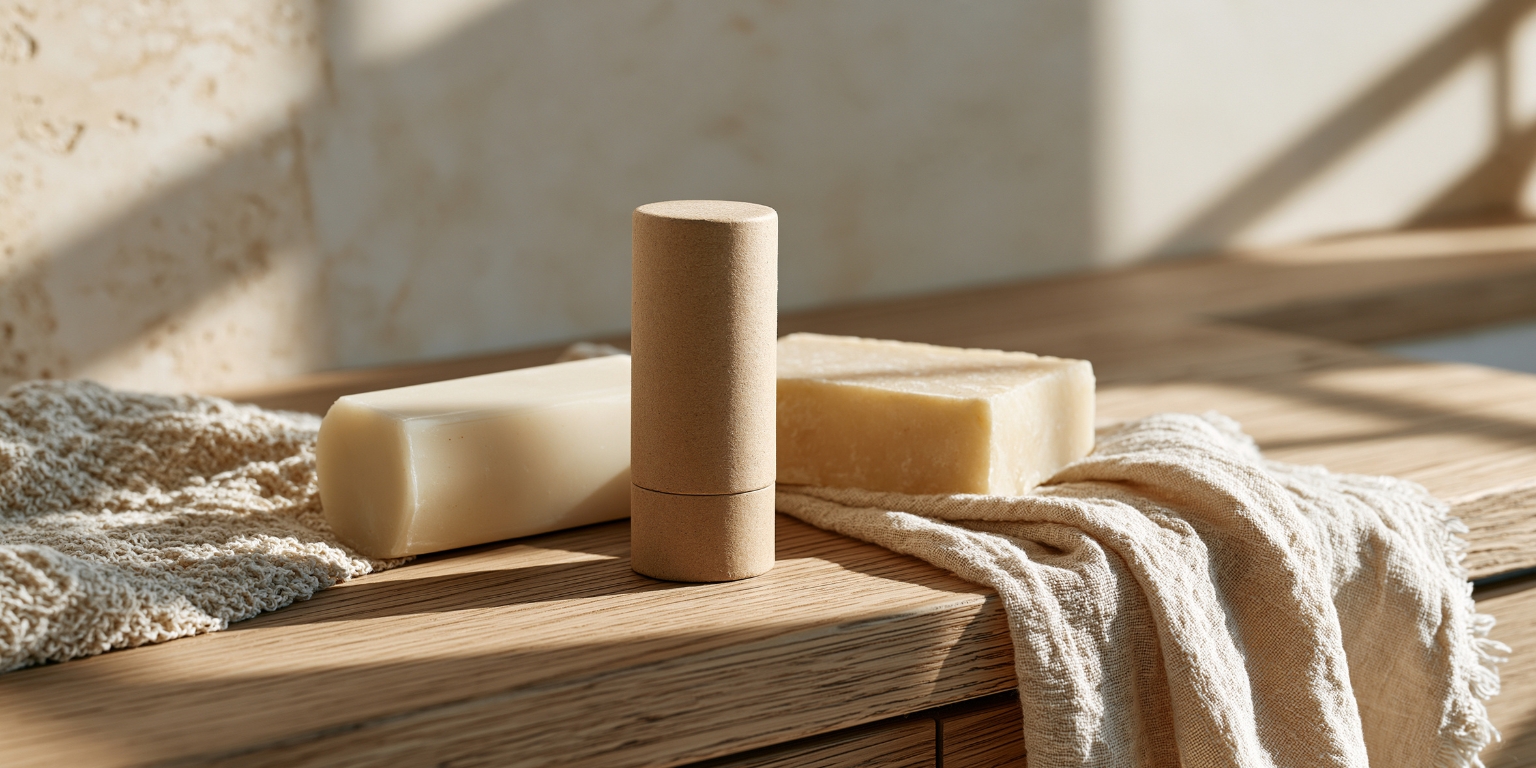
8) Made from Recycled Materials
Products made from recycled materials were seen as important by 38% of respondents, placing them eighth despite recycling being one of the most familiar environmental concepts in the UK.
What Does Made from Recycled Materials Mean?
Like plastic-free and eco-friendly materials, products made from recycled materials incorporate materials recovered from previous use, diverted from waste streams, and reprocessed into new items. The bathroom industry has made notable progress integrating recycled content across every category, from large items such as shower trays, shower enclosures, and sanitaryware to mid-range items such as brassware and bathroom accessories.
Benefits of Made from Recycled Materials
Whereas eco-friendly and plastic-free materials focus on preventing waste from reaching landfill, recycled materials work in the opposite direction, recovering what's already been discarded and giving it a second life. Every tonne of recycled aluminium, steel, glass, or plastic used in a bathroom product is a tonne of virgin resource that didn't need to be extracted and processed. Over a full bathroom renovation, where materials range from shower trays and enclosures to brassware and accessories, the cumulative reduction in raw resource demand can be significant.
What the Data Says
- 38% saw products made from recycled materials as important or practical.
- 19% viewed the claim as political.
- Younger generations were noticeably more supportive: Millennials at 46% and Gen Z at 44%.
- Boomers were the most divided, with 28% seeing it as important but 23% viewing it as political.
- The Silent Generation showed a similar split at 29% important and 17% political.
- Women were somewhat more likely to value recycled materials (40%) than men (35%).
- Men were slightly more inclined to view the claim as political (22% versus 17%).
What The Findings Suggest
Recycling is one of the most established environmental concepts worldwide, and most consumers understand it intuitively. However, scepticism may arise from uncertainty about how recycled materials perform compared to virgin alternatives, or from a sense that ‘recycled’ is used as a marketing differentiator without sufficient information about the proportion of a product that actually comes from recycled sources.
9) Vegan-Friendly and Cruelty-Free Products
Ranking last of the nine credentials tested, vegan-friendly and cruelty-free toiletries were seen as important or practical by just 28% of respondents.
What are Vegan-Friendly and Cruelty-Free Products?
Vegan-friendly and cruelty-free are related but highly distinct terms. Cruelty-free is a product that has undergone no animal testing during the stage of development, including on the finished products, its components, or its ingredients, by the manufacturer or on their behalf. A vegan-friendly label goes further, indicating that a product contains no animal-derived ingredients or materials at any stage of production.
Karen Spinner, Sales and Marketing Manager at the Vegan Trademark, owned by The Vegan Society, explains the distinction: "A cruelty-free label only guarantees that the final product and ingredients are not tested on animals, but the product can still contain animal-derived ingredients. The best way to determine that a product is both vegan and cruelty-free is to look for the Vegan Trademark, which is the world's leading vegan and cruelty-free certification standard."
The Vegan Trademark currently certifies more than 72,000 products globally, spanning everything from food and cosmetics to cars and clothing. The certification standard for bathroom products is no different to that of other consumer goods.
Benefits of Vegan-Friendly and Cruelty-Free Products
Choosing vegan and cruelty-free products ensures that no animals were harmed or exploited in the product's development, testing, or manufacture. Beyond the ethical case, vegan-certified products often avoid ingredients that can be irritating or allergenic, since many animal-derived substances used in cosmetics and toiletries have plant-based alternatives that are gentler on the skin. There is also an environmental dimension: producing animal-derived ingredients typically has a higher carbon footprint and demands more resources than plant-based equivalents.
What the Data Says
- Only 28% viewed vegan-friendly and cruelty-free products as important or practical - the lowest of any credential tested.
- Almost the same proportion (29%) considered it political, while a further 29% felt it was neither, and 14% were unsure.
- Millennials were the most supportive at 36%, followed by Gen Z at 32%.
- Baby Boomers showed the lowest support at 21%, with a third (32%) viewing the label as political.
- Women were more likely to see it as important (32% versus 23% of men).
- A third of men (32%) viewed it as political compared to just over a quarter of women (26%).
What The Findings Suggest
The data suggests that for many consumers, the connection between vegan or cruelty-free principles and bathroom products isn't immediately intuitive. While these labels are well-established in food and cosmetics, their relevance to items such as taps, basins, and tiles is less obvious, even though adhesives, finishes, and manufacturing processes may involve animal-derived substances. The greater scepticism among older generations may reflect less familiarity with vegan principles in non-food contexts rather than outright opposition to the concept.
What Does All This Tell Us?
Looking across the full set of results, a clear pattern emerges. Features that offer a direct, tangible, and most importantly, financial benefit, such as energy-efficient lighting and water-saving features, command the broadest support across all demographics. Those that address visible environmental or ethical concerns, such as recycled or vegan products, face a tougher task in winning consumer trust.
Generationally, Millennials emerge as the most consistently engaged group across almost every credential, frequently leading or matching Gen Z in support. Meanwhile, older generations tend to favour the more established, perhaps more grounded features, but are more sceptical of newer or less familiar claims.
For anyone shopping for bathroom products, this data can only tell us so much. Credentials and certifications are indeed useful tools, but they work best when you understand how they are applied to the product in your hand. The most meaningful choices come not from following a single badge, but from what matters to you.
Make Choices with Sanctuary Bathrooms
Whether your priorities are reducing your water bills, cutting down on plastic waste, supporting British manufacturing, or choosing products that align with your ethical values, the key is understanding what each feature means in the context of the products you're buying. A little knowledge goes a long way in separating genuine substance from surface-level marketing.
At Sanctuary Bathrooms, we stock products from leading manufacturers across all of these categories, from water-saving taps and showers to British-made fixtures and eco-conscious materials. If you'd like guidance on which products best match your priorities, contact our team. We're always on hand to help, whether you're browsing online or visiting our Leeds showroom.
Methodology
OnePoll conducted an online survey of 2,000 UK adults for Sanctuary Bathrooms from 28 to 30 January 2026. The sample was nationally representative by age, gender and region. The question discussed in this blog asked: "For each of these bathroom features or elements, which response best suits your view?" Respondents answered separately for each of nine features using four options: "Important/practical", "Political/'woke' trend", "Neither of these" and "Not sure".


