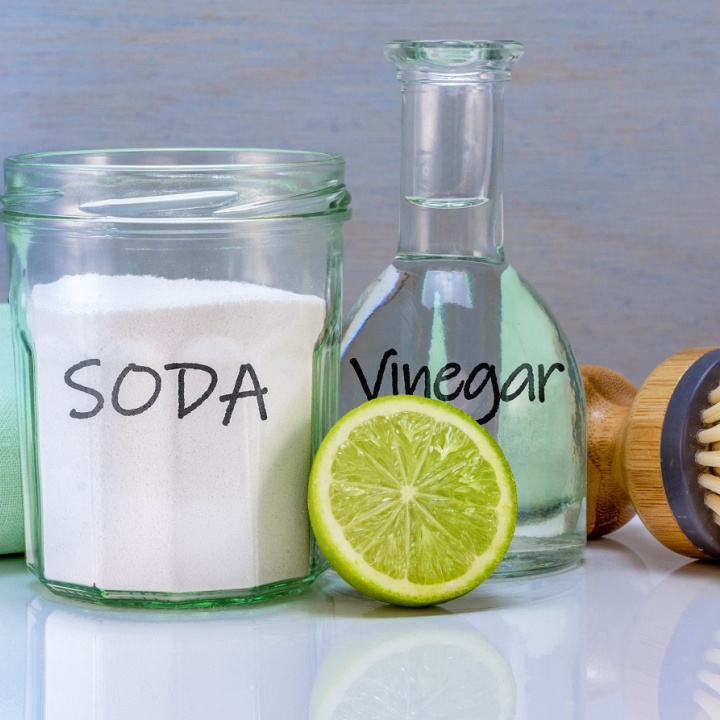
Tackling stubborn stains and keeping your bathroom sparkling is frustrating enough, but with so many cleaning products on the market, it can be hard to find one you can rely on. But what if we said humble vinegar can be just as effective at keeping your bathroom clean as those supermarket cleaning agents?
In this guide, we'll show you how to clean each part of your bathroom with vinegar, how strong to make your mix, and when it's better to leave the bottle in the cupboard.
Is Vinegar Good for Cleaning a Bathroom?
Vinegar is made from acetic acid, and that acid is what makes it useful in a bathroom. It dissolves limescale, the chalky build-up left behind by hard water, and it cuts through soap scum and the cloudy water marks you get on shower glass. It’s also far cheaper than most shop-bought cleaners.
What vinegar isn’t, though, is a disinfectant. It’s great for making surfaces look clean, but if you want to disinfect your toilet, for example, use a product made and labelled for that job. Just don’t use it at the same time as vinegar (more on that below).
Which Vinegar Is Best for Cleaning?
White distilled vinegar is best for cleaning because, unlike malt or balsamic vinegars, it doesn’t contain colourants. This crucially means that it won’t leave stains or mark white surfaces. It also has about 5% acetic acid, which sits within the range (typically 4% to 8%) of many store-bought household cleaners, but at a fraction of the price and usually found in everyone's kitchen cupboard.
However, if you don’t like the smell of the white vinegar, there are alternatives. You can use diluted apple cider vinegar, which doesn’t smell as strong but may leave a stain, or add a few drops of scented oil to your white vinegar to mask the smell.
You’ll also see bottles labelled ‘cleaning vinegar’ in the supermarket. Their strength varies a lot, from about the same as table vinegar to 20% or more for ‘high strength’ bottles, so check the label and dilute stronger ones more than you would standard white vinegar.
What to Mix With Vinegar for Cleaning?
When cleaning with vinegar, you may need to mix it with something else. How strong to make your mix depends on what you're cleaning. Most of the time, a 50/50 vinegar-and-water solution will suffice, but not always.
As a rough guide:
- Shower Screens and Glass: 1 part white vinegar to 1 part water.
- Ceramic and Porcelain Tiles: About 125ml of white vinegar to a litre of warm water.
- Toilet Bowls: Neat white vinegar, left to soak.
- Taps and Shower Heads: 1 part white vinegar to 1 part water, applied with a cloth and wiped off straight away.
Can You Mix Vinegar with Bleach or Bicarbonate of Soda?
Never mix vinegar with bleach. Together, they give off chlorine gas, which can irritate your eyes, throat and lungs. The London Fire Brigade lists bleach and vinegar among the cleaning products that create toxic fumes when they’re combined. This includes using them one after the other on the same surface. If you’ve used bleach in the toilet, flush it a few times and rinse the area before you reach for the vinegar.
Bicarbonate of soda (or baking soda) is a different story. It’s safe to use with vinegar, but mixing the two in a bowl isn’t the clever trick it looks like. As Which? explains, vinegar is an acid and bicarbonate of soda is an alkali, so “when combined, they react and neutralise each other, reducing their cleaning effectiveness”. The fizz looks impressive, but it’s mostly the two cancelling each other out.
You’ll get better results using them one at a time. Use bicarbonate of soda as a gentle scrub to lift grime, rinse, and then use vinegar on any limescale.
How To Clean Shower Glass Using Vinegar
Showers are notoriously difficult to keep clean, with fingerprints, soap suds, and water marks threatening to ruin the finish. Glass, however, is one place where vinegar really earns its keep.
- First, mix white vinegar and water into a 50/50 solution.
- Pour the mix into a spray bottle and shake.
- Then spray on the glass and leave it for a few minutes.
- Wipe with a damp cloth and then rinse.
- Dry the glass with a squeegee or microfibre cloth to stop new water marks from forming.
Try to keep the spray off any natural stone shower tray and away from your shower valve and controls. If your screen has a protective easy-clean coating, check its care guide before using anything acidic.
A quick squeegee after every shower means you'll need the vinegar far less often. That easy wipe-down is one of the reasons many people prefer glass to a shower curtain, and our guide to bath screens vs shower curtains weighs up both.
How To Clean Bathroom Tiles and Grout Using Vinegar
Bathroom tiles can easily become dirty, but they’re easy to clean, even when there are no cleaning products in the house. This works on glazed ceramic and porcelain tiles, but not on natural stone.
- Mix 125ml of white vinegar with 1 litre of warm water in a bowl.
- Dip a soft cloth into the mixture, then scrub the tiles well.
- If the water becomes cold or dirty, change it for best results.
- After that, rinse the tiles and wipe them dry.
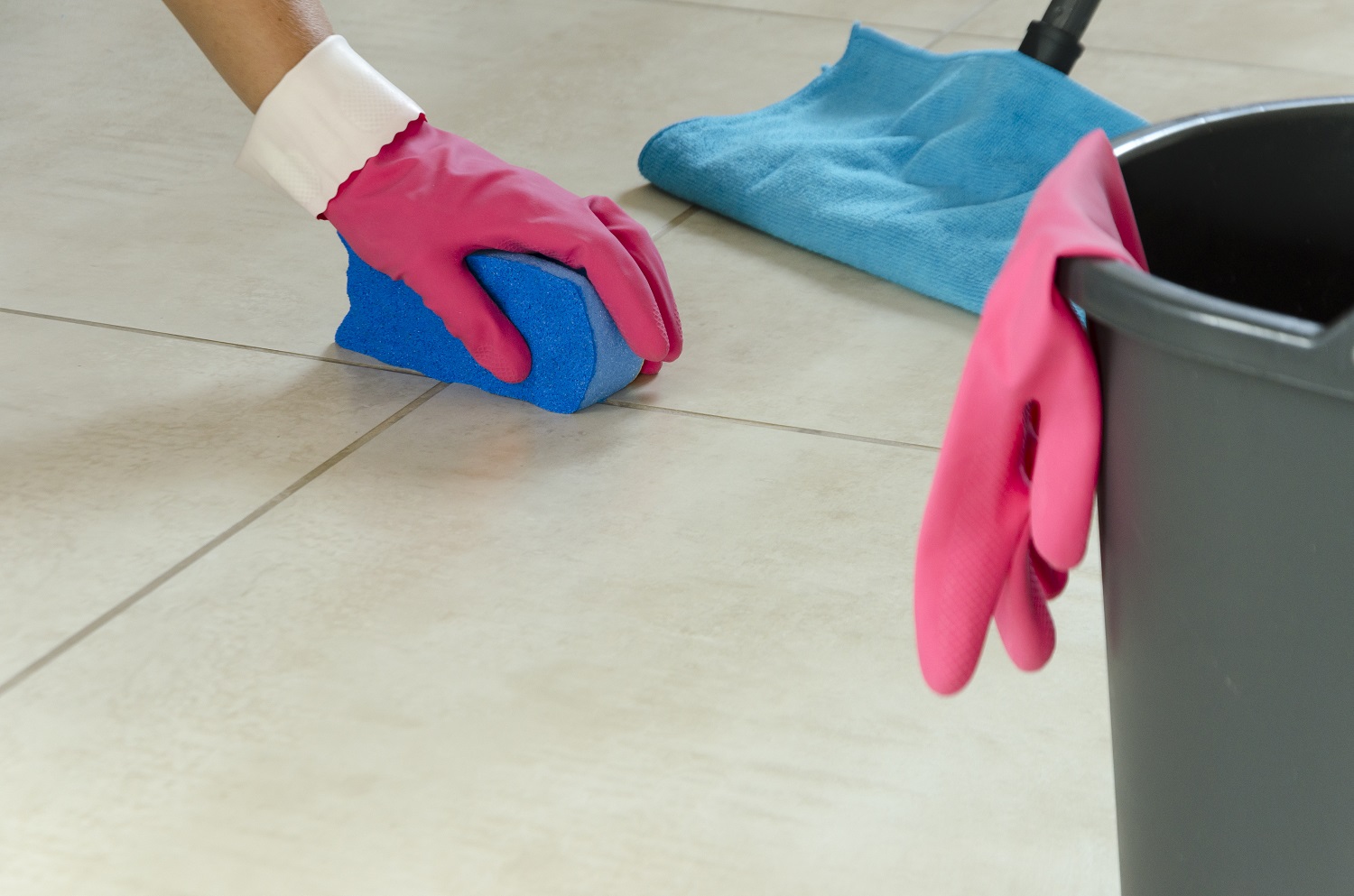
The same mix works for ceramic and porcelain floor tiles. Sweep or hoover first to lift the loose dust and dirt, then mop with the solution, rinse and dry.
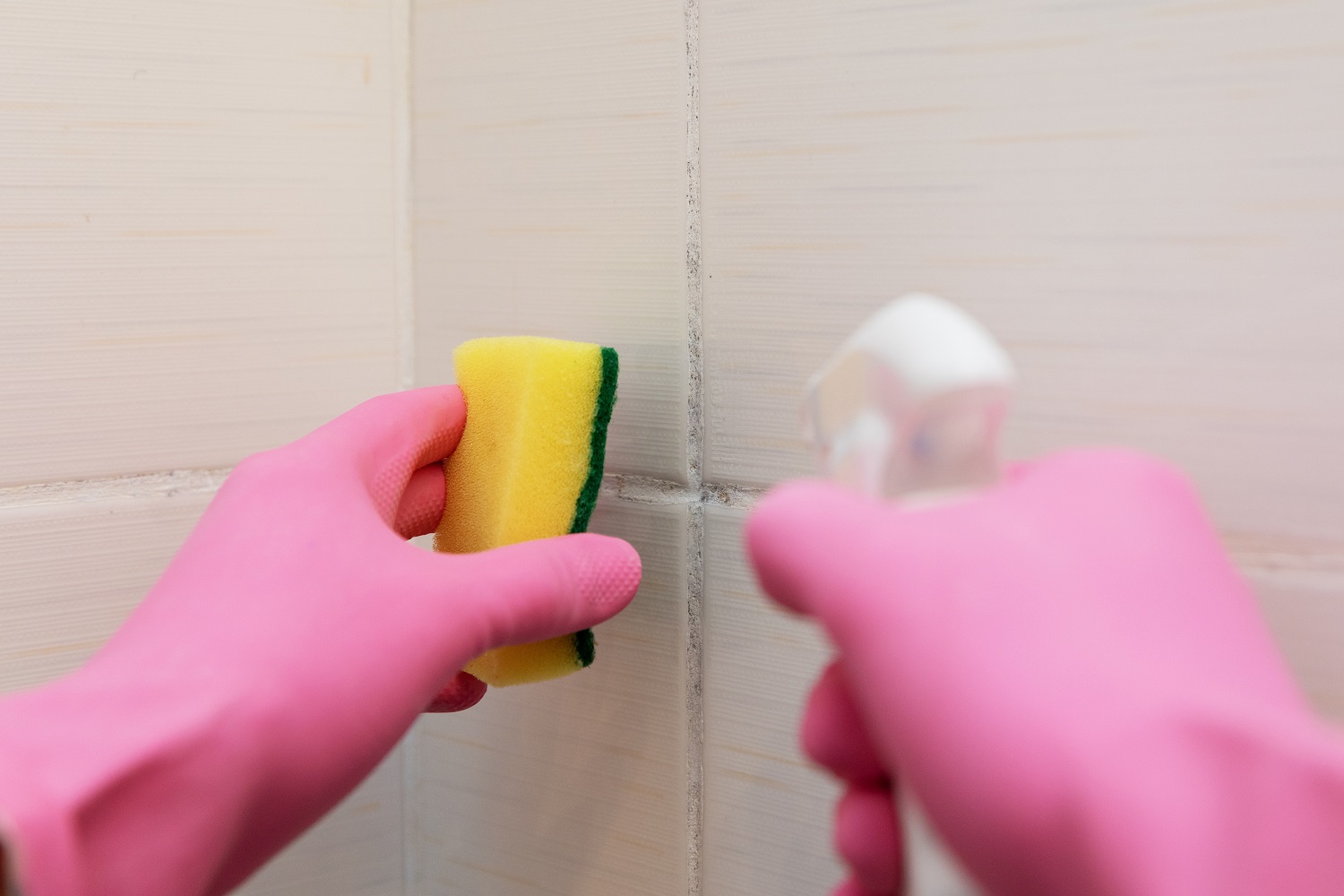
For grout, only use vinegar on grout that’s sealed and in good condition. Spray the lines with your diluted mix, leave it for five to ten minutes, scrub gently with an old toothbrush, then rinse well. Don’t keep repeating it on the same patch, though. Acid wears grout down over time, so if your grout is still stained after one clean, it’s probably time to regrout rather than scrub harder. Our guide on how to grout bathroom tiles walks you through it.
How To Clean a Toilet Using Vinegar
Toilet stains can be unsightly, and over time you may notice a ring of limescale at the waterline. It’s common, but easy to fix with vinegar.
- Make sure there's no bleach or toilet cleaner left in the bowl. Flush a few times if you've used one recently.
- Pour 250ml of white vinegar into the toilet bowl and let it sit overnight.
- In the morning, sprinkle bicarbonate of soda in the toilet bowl.
- Then scrub with a brush dipped in the vinegar.
- Flush and repeat if the ring hasn't fully gone.
If the stains keep coming back no matter how often you clean, it may be time to buy a new toilet. Many newer models have a rimless pan, with no hidden rim for limescale and bacteria to build up under.
How To Clean a Bath Using Vinegar
A centrepiece in any bathroom, a bath is arguably the most important (and annoying) fixture to keep clean. Before you start, check what your bath is made from, as that decides whether vinegar is a good idea.
For an acrylic, steel, or cast iron bath with an enamel finish, diluted vinegar works well on limescale around the taps and overflow.
- Wet the bath, then sprinkle bicarbonate of soda over any grimy areas and scrub with a soft brush or sponge.
- Rinse it away.
- Spray a 50/50 vinegar-and-water mix onto any limescale and leave it for a few minutes.
- Wipe it off, rinse thoroughly with clean water and dry.
Natural stone baths are a no-go for vinegar, as the acid eats into the surface and leaves dull patches that won't polish out. Stone resin and solid surface baths come with their own care guides, so follow those instead.
How To Clean Taps and Shower Heads Using Vinegar
Limescale and dirt can build up on taps and shower heads easily, quickly becoming an eyesore and, if not cleaned, getting worse. Luckily, cleaning them with vinegar is effortless and straightforward, as long as you don't leave it sitting.
Prolonged exposure, such as wrapping taps in vinegar-soaked cloth or tying a bag of vinegar over your shower head overnight, is where we'd urge caution. Over time, it can dull the finish and cause damage. That goes for chrome too, not just coloured finishes. However, special finishes such as brushed brass, matt black, gold and gunmetal certainly need more care; something we look at in our guide to the types of bathroom finishes.
Instead, try the following:
- Check the care guide first: Some manufacturers advise against vinegar or acetic acid altogether, and using a cleaner they rule out could affect your warranty. If yours does, stick to what it recommends. If you’ve lost the instructions, the manufacturer’s website usually has a copy.
- Dilute it and use a cloth: Mix 1 part white vinegar with 1 part water and apply it with a soft cloth rather than spraying it straight onto the tap, so it doesn’t run into the handles and joints.
- Wipe it off straight after: Work it over the limescale, then rinse with clean water and dry with a soft cloth straight away. Don’t leave it to soak.
- Rub the nozzles first: Most shower heads have soft rubber nozzles. Rubbing them with your thumb breaks off limescale before it blocks the spray, and often means you won’t need vinegar at all. If you do, wipe the faceplate with your diluted mix, then run the shower to rinse and dry it.
For more on tackling limescale around the bathroom, see our guide on how to remove limescale. If your shower head is beyond saving, our guide to the types of shower heads will help you choose a new one.

Can Vinegar Unblock a Bathroom Sink?
Vinegar can help freshen a slow, smelly drain, but it won’t clear a proper blockage. Most bathroom sinks clog with hair and soap, and you’ll need to physically remove that. Never use vinegar after a chemical drain unblocker, as the two can react.
Our guide on how to unblock a bathroom sink takes you through the methods that work, from clearing the waste to cleaning the trap. If it’s your bath that’s draining slowly, see our guide on how to unblock a bath.
How To Clean Bathroom Mould Using Vinegar
Bathroom mould is common and is caused by lingering moisture and poor ventilation, especially around the bath and shower. Vinegar can help remove light surface mould from tiles and glass.
- Fill a spray bottle with white vinegar.
- Spray it directly onto the mould.
- Let it sit for 10 to 15 minutes.
- Scrub away the mould with an old toothbrush.
- Next, wipe with a damp cloth.
- To finish, rinse the now mould-free area to remove any remaining paste.
Vinegar won’t fix the cause. If mould keeps coming back, it’s a sign your bathroom isn’t drying out properly between showers, so check your extractor fan and ventilation.
If the black spots are inside your silicone sealant rather than on top of it, no amount of scrubbing will shift them. The best fix is to replace the sealant, which our guide on how to remove bathroom sealant explains. For more stubborn patches and tips on preventing mould from coming back, see our full guide on cleaning bathroom mould.
What Shouldn't You Clean With Vinegar?
Though it’s a cheaper alternative to store-bought cleaner and can be found in most households, vinegar shouldn’t be used to clean everything in your bathroom. It can cause damage to different things in your bathroom and it pays to be careful.
Surface | Why? | What To Use Instead |
|---|---|---|
Natural stone tiles, basins, vanity tops, and baths (marble, travertine, limestone, granite) | The acid can etch and dull the surface | A pH-neutral stone cleaner |
Mirrors | Acid can seep behind the coating and corrode the silver backing | Glass cleaner and a microfibre cloth |
Unsealed, cracked or crumbling grout | Grout is cement-based, and acid erodes it | A pH-neutral cleaner, then reseal or regrout |
Wood, or wood-effect furniture with a lacquered or oiled finish | Can eat away at the finish | A damp cloth, or a cleaner made for the finish |
Cleaning Your Bathroom With Vinegar the Right Way
Used in the right places, white vinegar is one of the most useful things you can keep under your bathroom sink. It’s cheap, it’s easy to find, and it makes short work of limescale, soap scum and water marks on shower glass, ceramic tiles and the toilet bowl.
The trick is knowing where to stop. Keep it off natural stone, unsealed grout and mirrors, wipe it off taps straight away, and never use it alongside bleach. Get into the habit of rinsing and drying after every clean too, and you’ll find you need it far less often.
If you're planning a bathroom refresh and want fittings that are easier to keep clean, our expert team is always happy to help. Simply get in touch and we'll talk you through your options.


