Bath Sizes: UK Standard Bath Dimensions Explained
Most of us never think about bath size until we have to replace it. Then, suddenly, it matters to the millimetre. Fortunately, British baths have been surprisingly consistent for generations, with a standard UK bath size that most bathrooms are built around. But standard doesn't always mean right for you. Maybe your bathroom's too small, or you've always wanted a freestanding bath you can properly stretch out in. Or maybe you just want to be confident the one you order actually fits.
This guide covers the full range of bathtub sizes sold in the UK, from straight to freestanding options, plus key measurements, depths, water capacity, and how to measure your bathroom and tub properly before you order.
- Bath Measurements Explained
- What is the Standard Bath Size in the UK?
- Bath Sizes by Type
- How To Measure a Bath
- Need Help Choosing a Bath?
Bath Measurements Explained
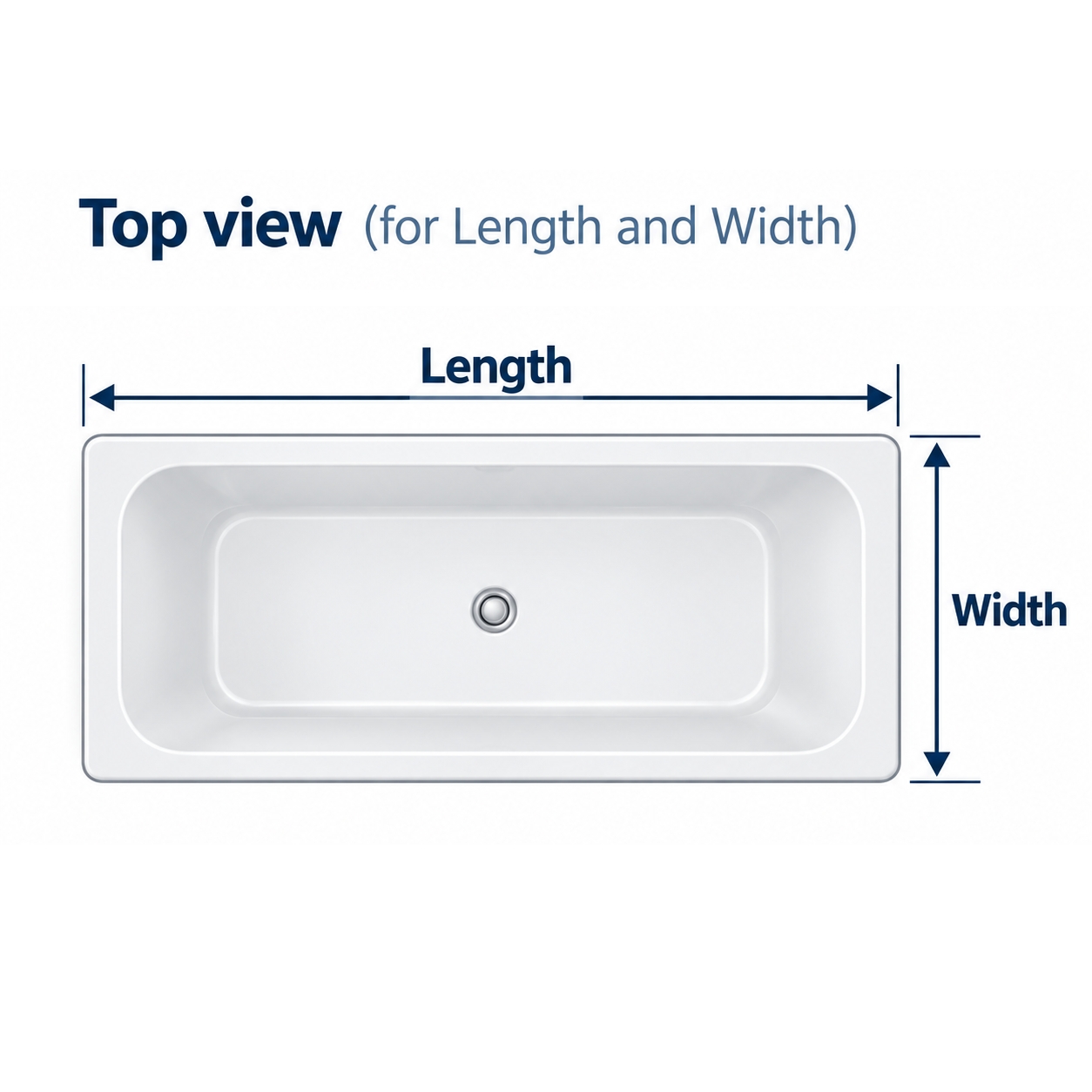
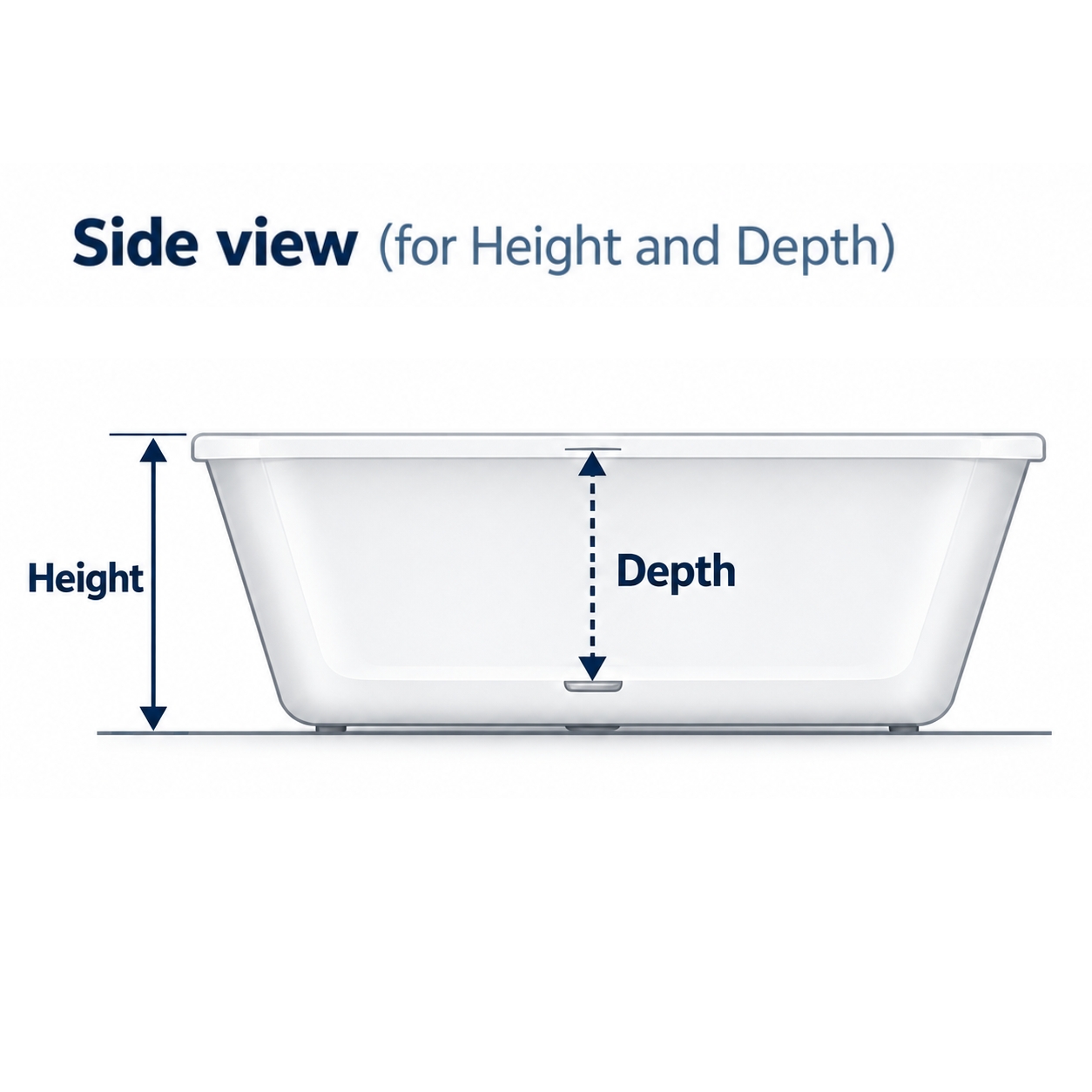
Before we get into bath sizes, let's look at what the numbers on a bath listing actually refer to. Most listings give you three or four measurements, and they're easy to mix up, so it's worth knowing what each one tells you before you start comparing
Measurement | Where It's Measured | What It Tells You |
|---|---|---|
Length | Externally; end-to-end along the largest side of the bath | Whether the bath will fit your wall or alcove |
Width | Externally; along the ends and the shortest side of the bath | How much floor it takes up and roughly how much interior space you'll have for your shoulders |
Height | Externally; from the floor to the rim of the bath | How easy it is to get in and out |
Depth | Internally; from the bottom of the bath to the top of the rim | How deep the water can go |
For a standard straight bath, these measurements are easy to read. Freestanding baths are trickier: curved sides, feet or a plinth can mean the bath takes up more room than its listed size suggests. Some also have a base that's narrower than the rim. Regardless of style, always check the technical drawing for the exact shape before you plan your layout.
Depth or Height?
Depth is the measurement that causes the most confusion, because not everyone interprets it the same way. In most cases, it means the spatial height inside the bath, from the bottom to the top of the rim. That's not the same as height, which is why a taller bath doesn't always give you more water around you. Two baths can be the same height and still feel quite different once you're in them. You won't get water right up to the rim, though. The overflow sits a little way below it, and that's as high as you can fill.
Depth is also where small baths earn their keep. A shorter, deeper bath can often give you a better soak than a longer, shallower one. So, if you're short on space, it's worth comparing depth as well as length and width. For more ways to plan a compact bathroom, see our small bathroom ideas.
What About Water Capacity?
If you like a deep soak, capacity matters as much as depth. Filled right up to the overflow, capacity depends heavily on the model. Examples from ranges we stock run from around 173 litres for a 1500mm freestanding bath to 264 litres for a 1700mm straight bath, with the largest 1900mm designs topping 370 litres. Most people don't fill their bath that high, though. A typical bath filled about halfway holds somewhere between 80 and 180 litres, depending on its size.
It's worth thinking about your hot water too. If you have a hot water cylinder, a large bath can use most of it in one go, so a big double-ended bath and a small cylinder is a frustrating mix. If you have a combi boiler, you won't run out, but a bigger bath will take longer to fill. Either way, every extra litre you heat adds to your energy bill.
If capacity matters to you, check the manufacturer's specification rather than working it out from the dimensions. Two baths with the same footprint can hold quite different amounts, depending on their shape inside
What is the Standard Bath Size in the UK?
Now let’s answer the big question. The standard bath size in the UK is 1700mm x 700mm, with an internal depth of around 400mm. This doesn’t mean a legally mandated size or anything; rather, it's a mass-market industry default for manufacturing, architectural design, and compatibility. It's so well established that when the government's guidance on accessible homes checks whether a bathroom layout works, it assumes a bath of 1700mm x 700mm.
So, why 1700mm x 700mm? Well, there's actually a neat bit of history behind that size. The old imperial standard was 5'6" in length, which converts to 1676mm - so when the industry went metric, 1700mm was simply the round number that replaced it. That's why the size is so entrenched: it's the same bath British bathrooms have been built around for generations, in slightly tidier units.
The 700mm width isn't quite as fixed as the length. It's the most common width, but 750mm and 800mm are both standard options too, and wider baths - particularly double-ended and freestanding designs - go beyond that. So, when you're checking whether a bath fits, measure for the width as carefully as the length rather than assuming every bath is 700mm across.
Standard bath size, average bath size, typical bath size - whatever way you search - the answer for the UK comes back to the same figure. The interesting decisions start when that size doesn't fit your room, which is what the rest of this guide is for.
Common UK Bath Sizes
Most baths are sold in 100mm steps, from around 1200mm up to 1900mm and beyond, with a few in-between sizes like 1650mm and 1675mm. Length is the headline figure; it’s how baths are named, sold, and searched for. However, as we highlighted earlier in this guide, that doesn’t mean you should overlook width and depth. Those generally decide how the bath feels to actually use.
Aside from 1700mm x 700mm, there are several other common UK bath sizes. Bath lengths can generally be grouped into small, common and large sizes:
Bath Size | Length | Classification |
|---|---|---|
Typically classed as small or compact baths | ||
Common Bath Sizes | Common UK bath lengths | |
Typically classed as large baths |
Bath Sizes by Type
Below, you'll find the common dimensions across the various types of bathtubs on the market. These are dimensions only; if you're weighing up which type of bath suits the style or needs of your bathroom, our complete bathtub buying guide compares them all properly.
Straight Baths
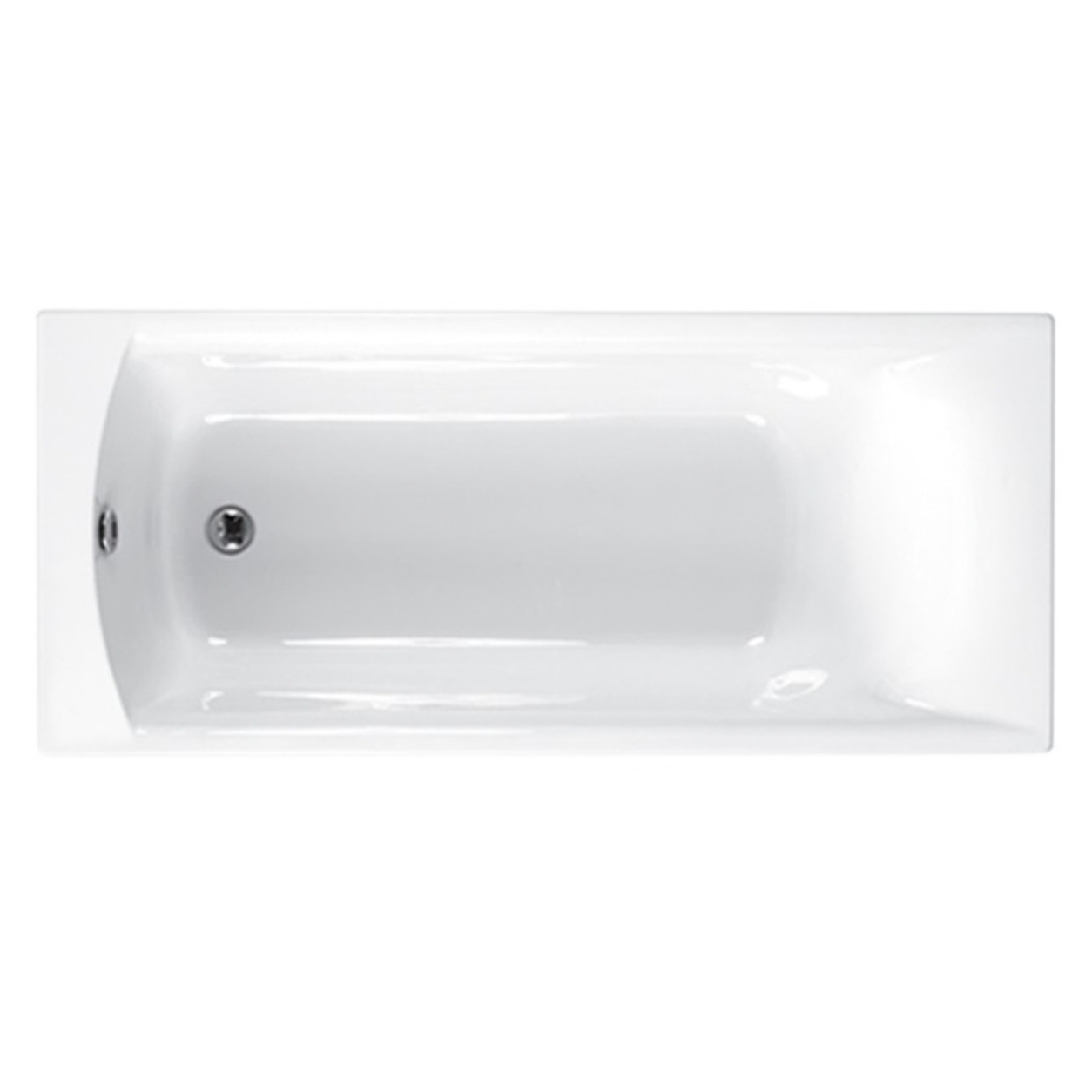
Straight baths are the classic bathtub format and therefore cover the widest size range. They sit against one, two or three walls, so they're the easiest to fit into an alcove.
- Typical Length: 1400-1900mm (1700mm most common)
- Typical Width: 700-900mm (700mm most common)
- Typical Depth: Around 400mm
Shower Baths
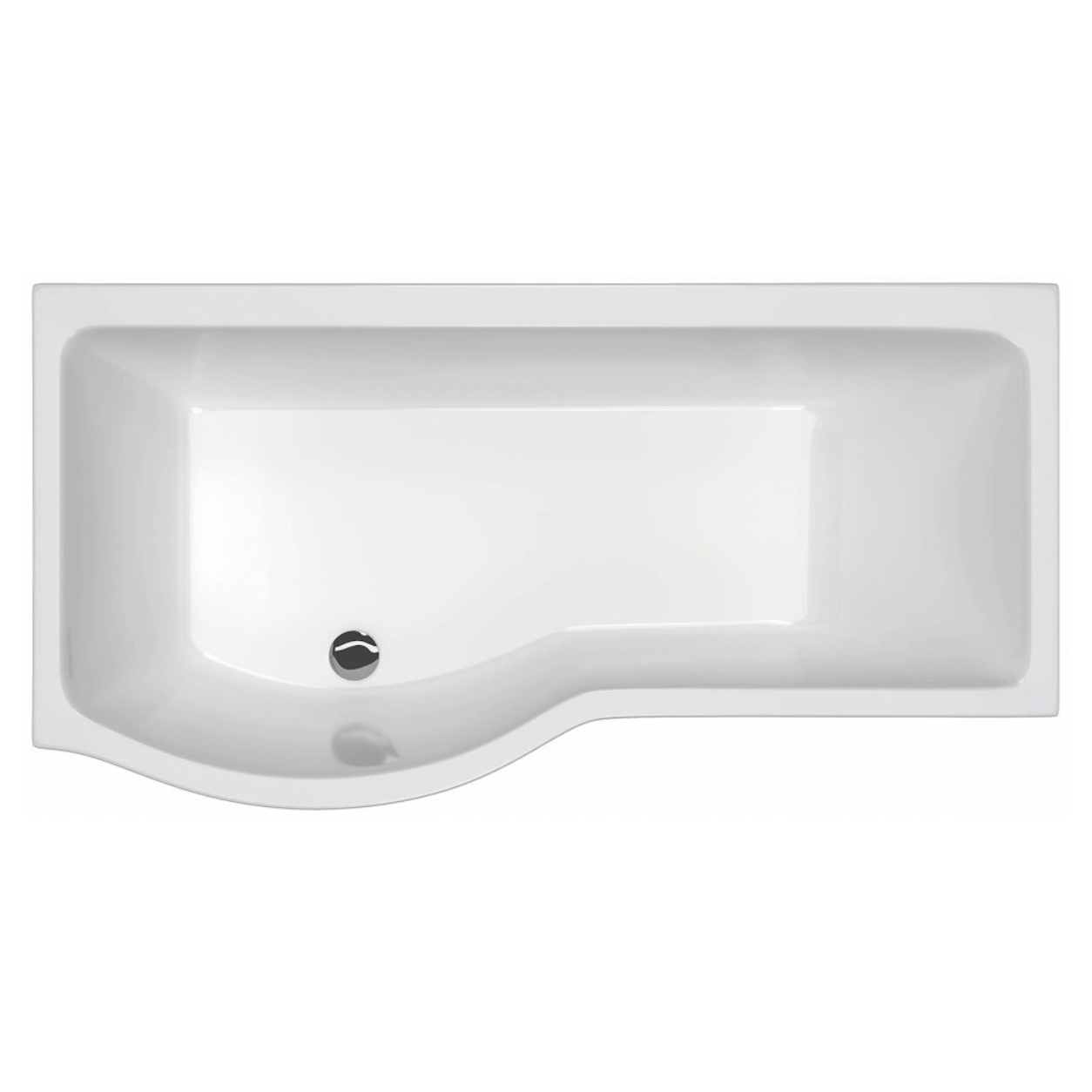
Shower baths have a widened showering end, either P-shaped or L-shaped, so check that widened end against your room, not just the length. Our shower bath buying guide covers the different shapes and how to choose one in greater detail.
- Typical Length: 1400-1800mm (1700mm most common)
- Typical Width: 700mm, widening to 800-900mm at the shower end
- Typical Depth: Around 400mm
Corner & Offset Baths
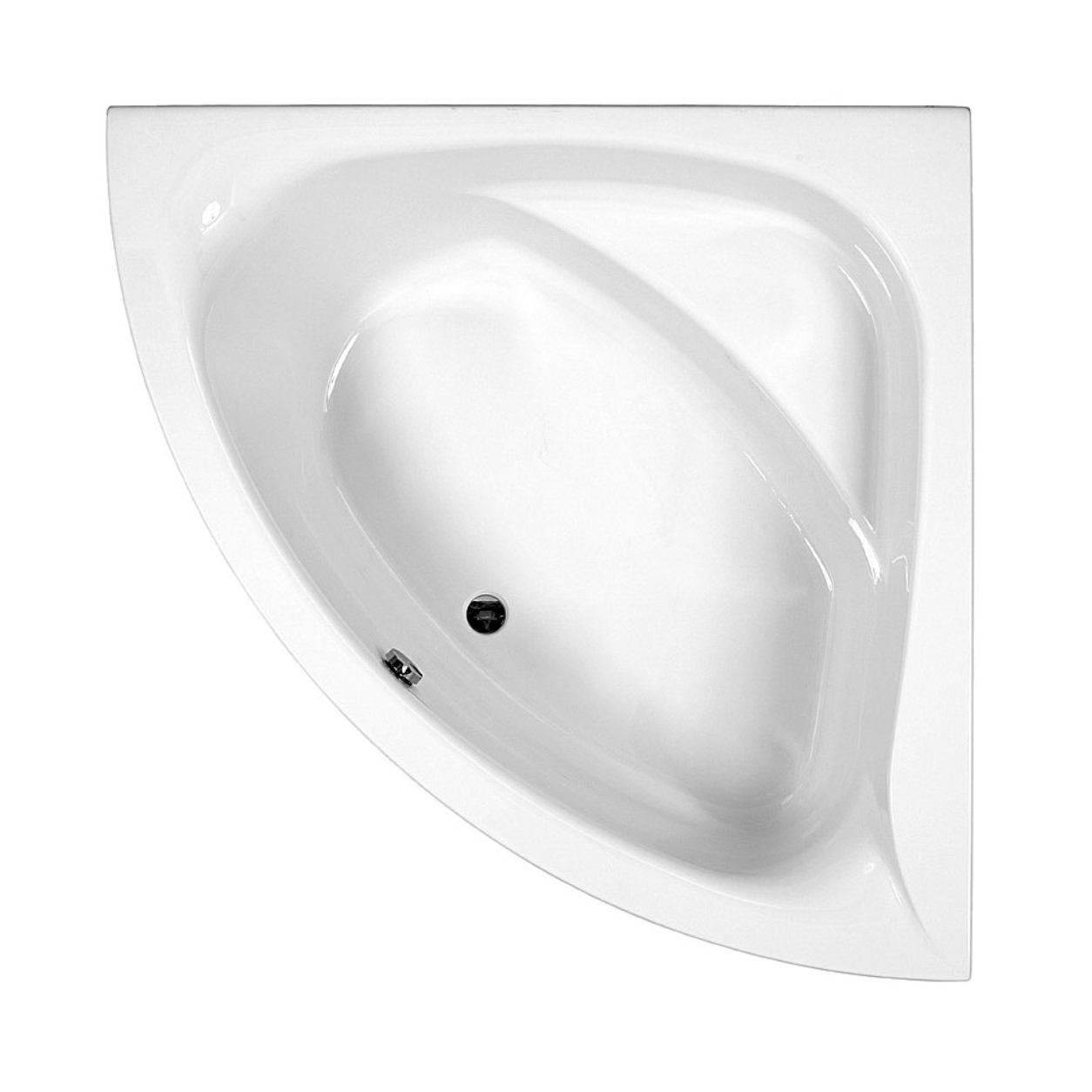
Corner baths are measured along both walls, not as one overall length. Equal-sided designs are the same length along each wall. Offset corner baths are longer along one wall than the other.Measure both walls from the corner. If you're choosing an offset design, you'll also need to check which handing suits your room
- Typical Length: 1200-1500mm along each wall
- Typical Width: 700-1500mm
- Typical Depth: Around 400mm
Freestanding Baths
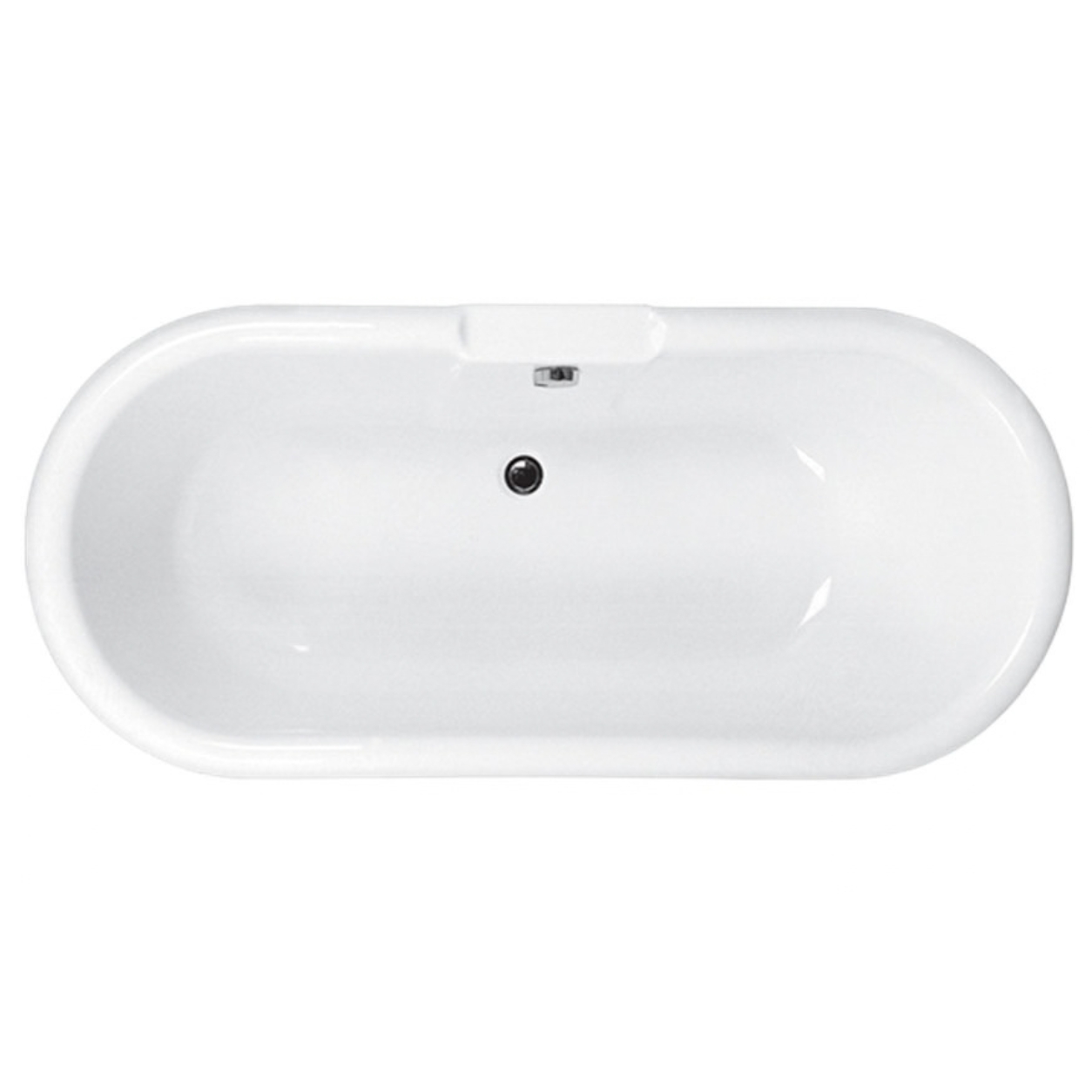
Freestanding baths tend to sit at the larger end, with space needed on every side for cleaning and tap pipework. Measure the room around the bath, not just the bath. For slipper and boat baths specifically, check the internal dimensions on the technical drawings. For styles and plumbing, see our freestanding baths buying guide.
- Typical Length: 1500-1800mm
- Typical Width: 700-800mm
- Typical Depth: Around 400-500mm
How To Measure a Bath
Now that you know the different bath sizes available, the next job is making sure your bath will fit. Ten minutes with a tape measure is the difference between a bath that drops straight in and one that goes back on the van. Here's how to do it.
1) Measure Your Space
Measure the space where the bath will actually sit.
- Length: Measure wall to wall at floor level, then again at two more points up the wall. Walls are rarely perfectly straight, so the readings often differ by a few millimetres. Go with the shortest one, because that's the gap the bath has to fit.
- Width: Measure out from the back wall to where you want the front of the bath to be. Keep in mind the door, the toilet and the basin. You'll still need room to get past and to use them.
- Height: Look at what's above the bath line. A low windowsill, a sloped ceiling or an existing shower valve can all limit how high the bath and its taps can go.
2) If You're Replacing a Bath, Measure the Old One
If there's already a bath in place, don't just measure between the tiles. Tiles are usually fitted after the bath goes in, so they sit on top of its edge. That means a tile-to-tile measurement is shorter than the bath underneath. You might get 1685mm between the tiles, but the old bath is probably 1700mm.
Take the bath panel off, if you can, and measure the bath itself. Then check that figure against the sizes in this guide. It's usually a clear match for a standard size, which makes choosing a replacement much easier.
3) Check Where the Plumbing Is
The simplest option is to put your new bath where the old one was, with the taps and waste in the same place. Moving pipework adds time and cost, and the waste is usually the trickiest part to move because it needs a steady fall to drain properly.
While you're there, check:
- Which end the waste and taps are at. This is the bath's handing, and it matters for shower baths and offset corner baths in particular.
- Where the taps are mounted. Some are fitted on the bath and some come out of the wall. If you're changing from one to the other, you'll need to allow for moving the pipework.
4) Mark It Out on the Floor
Before you order, mark the bath's outline on the floor with masking tape. It's the quickest way to see how the room will feel. Open the door, stand at the basin and sit on the toilet to check that nothing clashes.
For a freestanding bath, measure the widest points, which are usually the rim and the feet, not the base. Then mark out the space around it too. You'll want enough room to clean behind it and to reach the taps. If you're using floorstanding taps, leave space for them as well.
5) Check the Way In
It's easy to forget, but the bath has to get into the room first. Measure the front door, any tight turns on the stairs, the landing and the bathroom door. A 1700mm bath is a big, rigid object, so check that you can carry it in and turn it into the room, especially in older houses with narrow staircases.
What If It Doesn't Fit?
Choosing a bath that's too bit for the room is one of the most common bathroom renovation mistakes. If your measurements fall between sizes, a smaller bath is usually the safer choice. A fitter can close a small gap with tiling or a bath panel, but can't make a bath shorter. If you'd like a second opinion on your layout, our 3D bathroom design service can help you plan it.
Need Help Choosing a Bath?
Once you know your measurements, the rest gets much easier - and we can help with both halves. Our 3D Bathroom Design Service lets you see any bath in your actual room layout before you commit. Alternatively, you can visit our Leeds showroom; our team can talk you through sizes, depths, and bath materials in person. If you'd rather just tell us your dimensions and be pointed to the baths that fit, contact us - we'll be happy to help.

